1/2 Cup Rice Nutrition: A Dietitian’s Complete Breakdown
Rice is one of the world’s most consumed staple foods, feeding billions of people daily across diverse cultures and cuisines. Whether you’re tracking calories for weight management, monitoring carbohydrate intake for blood sugar control, or simply curious about what you’re eating, understanding the nutritional profile of a half cup of rice is essential for making informed dietary choices. This comprehensive guide breaks down exactly what you’re getting nutritionally when you consume this common portion size.
A half cup of cooked rice represents a typical serving size found in most nutrition databases and dietary guidelines. However, the exact nutritional content varies significantly depending on the type of rice you choose—white rice differs substantially from brown rice, and specialty varieties like jasmine, basmati, or wild rice each bring their own nutritional fingerprint to your plate. Understanding these differences empowers you to select the rice variety that best aligns with your health goals and dietary preferences.
Macronutrient Breakdown of 1/2 Cup Cooked Rice
When you consume a half cup of cooked white rice, you’re looking at approximately 103 calories, making it a relatively modest energy contribution to your daily intake. The macronutrient composition breaks down as follows: roughly 22.5 grams of carbohydrates, which serve as your body’s primary fuel source; 2.3 grams of protein, contributing to muscle maintenance and repair; and just 0.3 grams of fat, making rice an exceptionally lean carbohydrate choice.
The carbohydrate content deserves particular attention, as it comprises the overwhelming majority of rice’s caloric density. These carbohydrates are primarily composed of starch, a complex carbohydrate that your body breaks down into glucose for energy. This makes rice particularly valuable for athletes and active individuals who require sustained energy throughout their day. However, for individuals managing diabetes or following low-carbohydrate dietary approaches, this carbohydrate load requires careful consideration and portion control.
The protein content, while modest at 2.3 grams per half-cup serving, should not be entirely dismissed. Rice protein, though incomplete on its own (lacking certain essential amino acids), becomes a complete protein source when combined with legumes—a dietary pairing that has sustained civilizations for millennia. This is why traditional dishes combining rice with beans, lentils, or other legumes represent nutritionally superior choices compared to rice consumed in isolation.
White Rice vs. Brown Rice Comparison
The distinction between white and brown rice fundamentally comes down to processing. Brown rice retains its bran layer and germ, while white rice has these nutrient-dense components removed during milling. This processing difference creates measurable nutritional divergence that significantly impacts your dietary intake.
A half cup of cooked brown rice contains approximately 108 calories—only slightly more than white rice—but the micronutrient profile tells a different story. Brown rice provides 3.5 grams of fiber compared to white rice’s negligible 0.6 grams. This fiber difference is profound for digestive health and the importance of dietary fiber for your health. Brown rice also delivers superior amounts of B vitamins, particularly thiamine and niacin, along with significantly more magnesium and phosphorus.
Brown rice contains more manganese, a mineral crucial for bone health and metabolic function, and boasts a lower glycemic index than white rice, meaning it causes a more gradual rise in blood sugar levels. For individuals concerned about weight management, metabolic health, or diabetes prevention, brown rice generally represents the superior choice despite requiring longer cooking times and possessing a nuttier flavor profile that not everyone appreciates.
White rice, conversely, offers advantages in digestibility and often comes fortified with essential vitamins and minerals in many countries, particularly iron and B vitamins. For individuals with certain digestive sensitivities or those recovering from gastrointestinal illness, white rice’s gentler profile may be preferable. Additionally, white rice’s neutral flavor makes it more versatile in diverse culinary applications.
Micronutrients and Minerals
Beyond macronutrients, rice provides various micronutrients essential for optimal health functioning. A half cup of cooked white rice supplies approximately 19 micrograms of folate, a B vitamin critical for DNA synthesis and cell division, particularly important for pregnant individuals. It also provides 0.8 milligrams of niacin, supporting energy metabolism and nervous system function.
The mineral content includes 8 milligrams of magnesium, which plays roles in muscle function, energy production, and nervous system regulation; 57 milligrams of phosphorus, essential for bone health and energy metabolism; and 0.6 milligrams of manganese, supporting bone development and metabolic processes. While these amounts might seem modest individually, they contribute meaningfully to your daily mineral requirements when rice is consumed regularly as part of a varied diet.
Brown rice substantially outperforms white rice in micronutrient density. The bran layer contains concentrated stores of vitamins and minerals that milling removes from white rice. For instance, brown rice provides 1.5 times more magnesium, twice the phosphorus, and significantly more manganese than its white counterpart. This micronutrient advantage makes brown rice particularly valuable for individuals seeking maximum nutritional density from their carbohydrate sources.
In many countries, white rice is fortified with vitamins and minerals—particularly thiamine, niacin, and iron—to compensate for nutrients lost during processing. While fortification improves the nutritional profile of white rice, it still doesn’t fully match the natural micronutrient content of whole grain brown rice. When purchasing white rice, checking labels for fortification status helps ensure you’re receiving these added nutrients.
Fiber Content and Digestive Health
Dietary fiber represents one of the most significant nutritional differences between rice varieties and between rice and other grains. As mentioned, white rice provides minimal fiber—approximately 0.6 grams per half-cup serving—while brown rice delivers 3.5 grams. This threefold difference substantially impacts digestive function and overall health outcomes.
Fiber serves multiple critical functions in your digestive system. It promotes regular bowel movements, preventing constipation and supporting healthy gut microbiota. Soluble fiber, found in greater concentrations in brown rice, dissolves in water to form a gel-like substance that slows digestion, helping maintain stable blood sugar levels and promoting satiety. This satiety effect means you feel fuller longer after consuming brown rice, which can support weight management efforts.
The fiber content also influences how your body processes rice’s carbohydrates. Higher fiber intake slows glucose absorption, preventing the rapid blood sugar spikes associated with low-fiber white rice consumption. This metabolic advantage makes brown rice particularly valuable for individuals managing prediabetes or diabetes, or those seeking to optimize their metabolic health.
Beyond digestive benefits, adequate fiber intake correlates with improved cardiovascular health, reduced inflammation, and enhanced immune function. A Harvard School of Public Health analysis demonstrates that higher fiber consumption associates with reduced risk of heart disease, type 2 diabetes, and certain cancers. Choosing brown rice over white rice represents an easy dietary modification that meaningfully increases your fiber intake.
Glycemic Index and Blood Sugar Impact
The glycemic index (GI) measures how quickly foods raise blood glucose levels after consumption. White rice has a high glycemic index, typically ranging from 64-72 depending on specific variety and preparation method. This means white rice causes relatively rapid blood sugar elevation, potentially leading to energy crashes and increased hunger shortly after consumption.
Brown rice, conversely, has a medium glycemic index typically ranging from 50-68, depending on variety. This lower GI results from the presence of fiber and intact bran layer, which slow carbohydrate digestion and glucose absorption. For individuals managing blood sugar levels—whether due to diabetes, prediabetes, or metabolic syndrome—this difference is clinically meaningful.
Several factors influence rice’s glycemic response beyond variety selection. Cooking method matters: rice cooked with excess water and served immediately has a higher GI than rice that’s cooled after cooking. Interestingly, cooling cooked rice increases its resistant starch content, a type of starch that behaves more like fiber than digestible carbohydrate, further lowering its glycemic impact. Additionally, consuming rice with protein, healthy fats, or vegetables slows glucose absorption, moderating blood sugar response.
This understanding empowers you to optimize how you prepare and consume rice. Cooking brown rice, allowing it to cool, and combining it with protein sources like beans or fish creates a blood-sugar-friendly meal that maintains stable energy levels throughout your day.
Rice Varieties and Their Unique Profiles
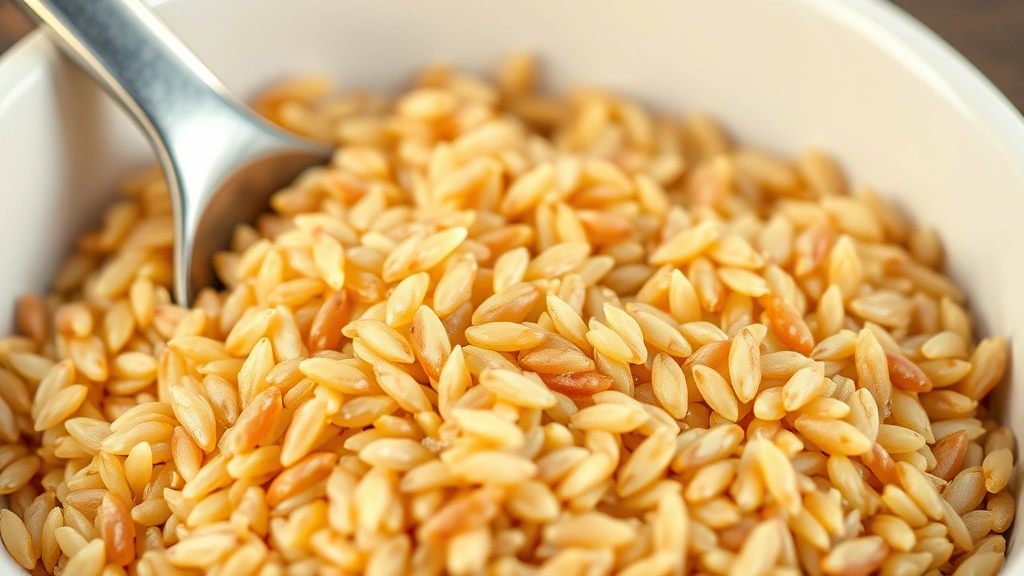
Beyond the white-versus-brown distinction, numerous rice varieties exist, each with slightly different nutritional profiles and culinary properties. Understanding these differences helps you select the rice that best serves your nutritional goals.
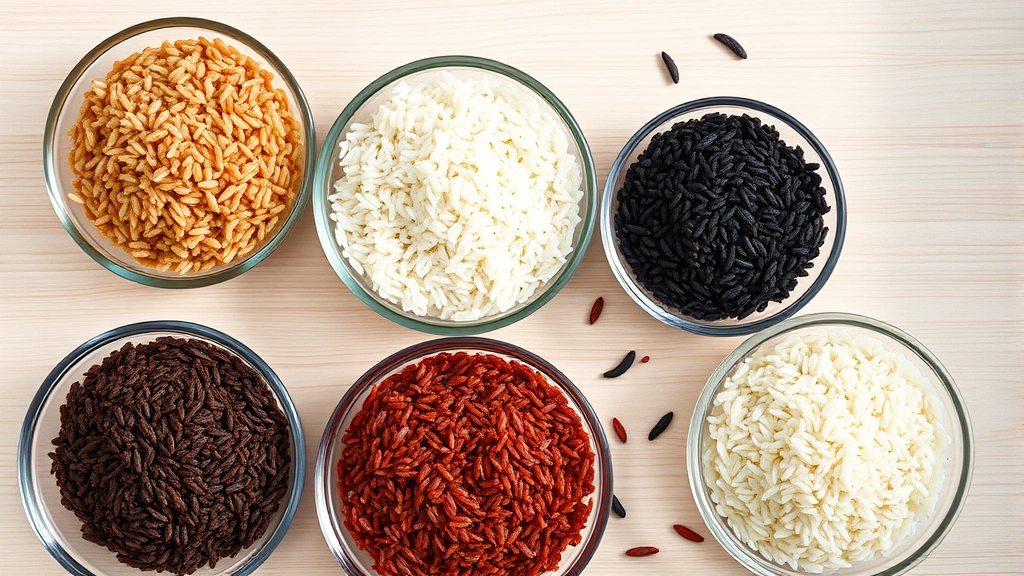
Jasmine Rice: This aromatic variety has a higher amylose content, meaning it produces fluffier, less sticky cooked rice. Nutritionally, jasmine rice resembles white rice closely, with similar calorie and carbohydrate content but slightly different cooking properties. Its lower starch gelatinization temperature means it cooks faster than standard white rice.
Basmati Rice: Popular in Indian and Middle Eastern cuisines, basmati rice has a lower glycemic index than standard white rice, making it a superior choice for blood sugar management. A half cup of cooked basmati contains approximately 101 calories with a more favorable glucose response profile compared to short-grain white rice varieties.
Wild Rice: Despite its name, wild rice is technically the seed of an aquatic grass rather than true rice. It boasts substantially higher protein content—approximately 1.5 grams per half cup—and exceptional fiber content of 1.8 grams. Wild rice also provides more B vitamins and minerals than white rice, making it nutritionally superior, though it’s typically more expensive and has a distinctive earthy flavor.
Black Rice (Forbidden Rice): This ancient variety contains anthocyanins, the same antioxidant compounds that give blueberries their dark color. A half cup of cooked black rice provides similar calories to white rice but superior antioxidant content and micronutrient density. Black rice has a slightly nuttier flavor and creates visually striking dishes.
Red Rice: Another heirloom variety containing beneficial antioxidants, red rice provides slightly more fiber and micronutrients than white rice while maintaining similar carbohydrate and calorie content. Its distinctive color and nutty flavor make it appealing both nutritionally and culinarily.
How to Incorporate Rice Into a Balanced Diet
Understanding rice’s nutritional profile allows you to incorporate it strategically into a healthy nutrition plan. Rice itself is neither inherently healthy nor unhealthy—its nutritional impact depends on preparation methods, portion sizes, and what accompanies it on your plate.
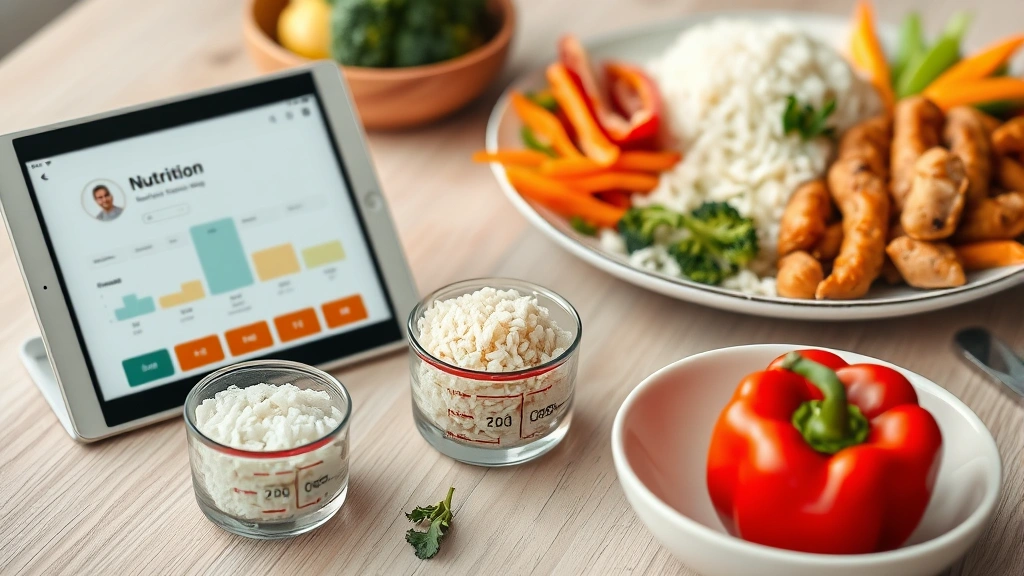
Portion Control: A half cup of cooked rice represents a reasonable portion for most individuals, providing approximately 100-110 calories and 22-24 grams of carbohydrates. For weight management, this portion size integrates well into a balanced meal without excessive carbohydrate loading. However, many restaurant servings of rice contain two to three times this amount, making awareness of actual portion sizes crucial.
Pairing Strategies: Combine rice with protein sources like fish, poultry, beans, or tofu to create balanced meals with improved satiety and blood sugar stability. Adding vegetables—particularly non-starchy varieties like broccoli, bell peppers, or leafy greens—increases nutrient density and fiber content while maintaining reasonable calorie totals. Healthy fats from sources like avocado, olive oil, or nuts further enhance satiety and nutrient absorption.
Preparation Methods: Cooking rice with less water and allowing it to cool increases resistant starch content, improving its metabolic properties. Fried rice preparations, while delicious, often add excessive oil and sodium; preparing fried rice with minimal oil and abundant vegetables creates a more nutritious version. Mixing rice with other grains like quinoa or farro increases protein and fiber content while reducing the proportion of simple carbohydrates.
For individuals following tips for meal planning, incorporating rice strategically ensures it supports rather than detracts from health goals. Athletes and active individuals can leverage rice’s carbohydrate content for energy, while those managing weight should emphasize brown rice varieties and careful portion control.
Rice also works well in meal prep strategies. Cooking a large batch of brown rice at the beginning of your week provides a convenient carbohydrate base for multiple meals, reducing reliance on less nutritious convenience foods. Storing cooled rice in the refrigerator and reheating it further increases resistant starch content.
FAQ
How many calories are in 1/2 cup of cooked rice?
A half cup of cooked white rice contains approximately 103 calories, while brown rice provides around 108 calories. The calorie difference is minimal; the nutritional distinction lies in micronutrient and fiber content rather than energy density.
Is white rice or brown rice healthier?
Brown rice generally provides superior nutritional value due to higher fiber content, more micronutrients, and a lower glycemic index. However, white rice offers advantages in digestibility and often comes fortified with essential vitamins. The healthiest choice depends on individual health goals, digestive capacity, and dietary preferences. For most people seeking maximum nutrition, brown rice represents the better option.
How much protein does 1/2 cup of rice contain?
A half cup of cooked white rice contains approximately 2.3 grams of protein. Brown rice provides slightly more at approximately 2.6 grams. While not substantial amounts, rice protein becomes complete when combined with legumes, creating nutritionally balanced meals.
Can rice fit into a low-carb diet?
Traditional rice varieties contain substantial carbohydrates, making them challenging for strict low-carbohydrate diets. However, cauliflower rice or shirataki rice offer low-carb alternatives. Some individuals following moderate low-carb approaches incorporate small portions of brown rice due to its superior fiber content and lower glycemic impact.
Does the cooking method affect rice’s nutritional value?
Yes, cooking method influences glycemic impact and resistant starch content. Cooking rice with excess water, draining it, and then cooling it increases resistant starch formation, improving metabolic properties. Adding healthy fats or consuming rice with protein sources slows glucose absorption and improves overall nutritional balance.
Is rice gluten-free?
Yes, all rice varieties are naturally gluten-free, making rice an excellent staple for individuals with celiac disease or gluten sensitivity. This makes rice valuable across diverse dietary approaches and cultural cuisines worldwide.
How does rice compare nutritionally to other grains?
Compared to quinoa, which provides 8 grams of protein per cooked cup, rice is lower in protein. Compared to barley or oats, which contain substantially more fiber, rice is lower in fiber. However, rice offers superior digestibility and faster cooking times, making it practical for many applications. A varied grain intake incorporating rice alongside other grains provides optimal nutritional benefits.
What’s the difference between long-grain and short-grain rice?
Long-grain rice varieties like jasmine and basmati produce fluffier, less sticky cooked rice with slightly different amylose ratios affecting texture. Nutritionally, they’re comparable to other white rice varieties. Short-grain rice varieties like arborio create creamier results and are preferred for risotto. The nutritional differences between grain lengths are minimal; texture and culinary application represent the primary distinctions.


