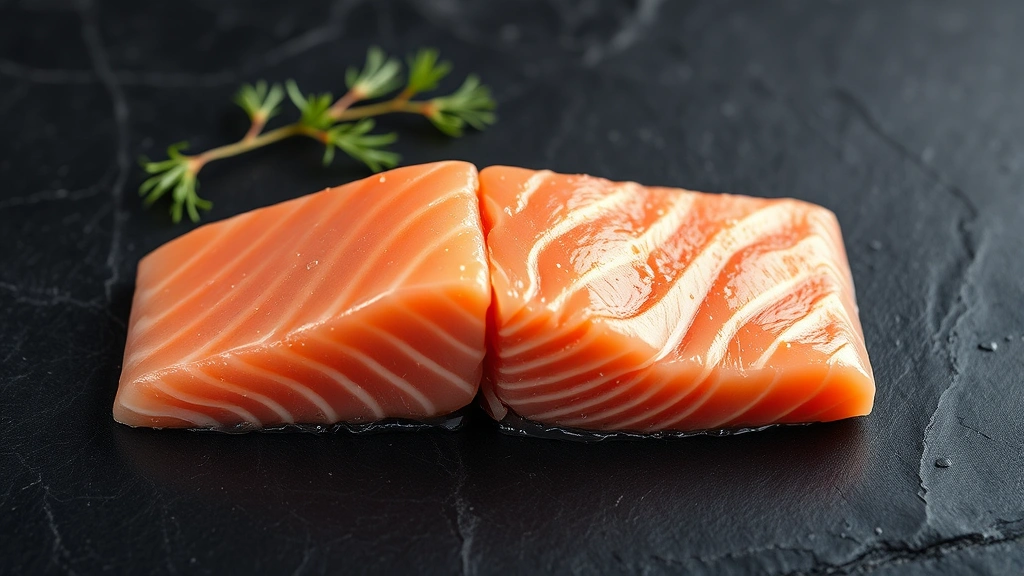
4 oz Atlantic Salmon: Complete Dietitian Nutrition Facts & Health Benefits
Atlantic salmon has become a cornerstone of nutritional science, particularly for individuals seeking optimal protein intake and omega-3 fatty acids. A 4 oz (113g) serving of Atlantic salmon delivers a comprehensive micronutrient profile that extends far beyond basic macronutrient composition. Registered dietitians consistently recommend this portion size as an evidence-based standard for cardiovascular health, cognitive function, and muscular development.
Understanding the precise nutritional breakdown of 4 oz Atlantic salmon empowers consumers to make informed dietary decisions aligned with contemporary nutritional science. This analysis explores the complete nutrient density of this popular seafood choice, examining how it fits within broader healthy nutrition planning frameworks and supporting evidence-based wellness goals.
Complete Macronutrient Breakdown
A 4 oz serving of Atlantic salmon contains approximately 206 calories, making it a calorie-efficient protein source for various dietary frameworks. The macronutrient distribution reflects salmon’s exceptional nutritional density:
- Protein: 22-24 grams – High-quality complete protein containing all nine essential amino acids, supporting muscle synthesis and cellular repair
- Total Fat: 12 grams – Predominantly unsaturated fatty acids with significant omega-3 content, supporting cardiovascular and neurological health
- Saturated Fat: 2.7 grams – Minimal saturated fat content relative to total fat composition
- Carbohydrates: 0 grams – Zero carbohydrate content, making salmon suitable for ketogenic and low-carbohydrate dietary approaches
- Cholesterol: 55-65 milligrams – Moderate dietary cholesterol within acceptable ranges for most populations
The protein quality in Atlantic salmon ranks exceptionally high on the Protein Digestibility Corrected Amino Acid Score (PDCAAS), indicating superior bioavailability compared to many terrestrial protein sources. For individuals implementing nutrition for athletes optimizing performance, this macronutrient profile provides rapid amino acid availability supporting post-exercise recovery mechanisms.
Salmon’s fat composition deserves particular attention, as the lipid profile substantially differs from conventional animal proteins. Approximately 50-60% of salmon’s total fat content comprises polyunsaturated fatty acids, with monounsaturated fats comprising another 30-35%. This favorable fat distribution contributes to salmon’s reputation as a heart-healthy protein selection.
Essential Vitamins & Minerals
Beyond macronutrient composition, 4 oz Atlantic salmon provides exceptional micronutrient density supporting diverse physiological functions:
Vitamin Content (Per 4 oz serving):
- Vitamin D: 600-750 IU (approximately 15-19% Daily Value) – Essential for calcium absorption, immune function, and bone health
- Vitamin B12: 3.2 micrograms (53% Daily Value) – Critical for neurological function and red blood cell formation
- Niacin (B3): 7.4 mg (37% Daily Value) – Supports energy metabolism and DNA repair mechanisms
- Vitamin B6: 0.8 mg (40% Daily Value) – Facilitates neurotransmitter synthesis and immune regulation
- Pantothenic Acid (B5): 1.8 mg (36% Daily Value) – Enables hormone and cholesterol synthesis
- Folate: 30 mcg (7.5% Daily Value) – Supports cell division and genetic material synthesis
Mineral Content (Per 4 oz serving):
- Selenium: 36-40 micrograms (51-57% Daily Value) – Powerful antioxidant supporting thyroid function and reproductive health
- Potassium: 320-350 mg (9-10% Daily Value) – Regulates fluid balance and cardiovascular function
- Phosphorus: 240-260 mg (24-26% Daily Value) – Essential for bone mineralization and ATP energy production
- Magnesium: 25-30 mg (6-7% Daily Value) – Supports muscular relaxation and nervous system function
- Iodine: 25-30 mcg (17-20% Daily Value) – Critical for thyroid hormone synthesis
The selenium content in Atlantic salmon particularly distinguishes this protein source, as selenium concentrations in seafood typically exceed terrestrial animal proteins. This mineral functions as a cofactor for selenoproteins, which protect cellular structures from oxidative damage.
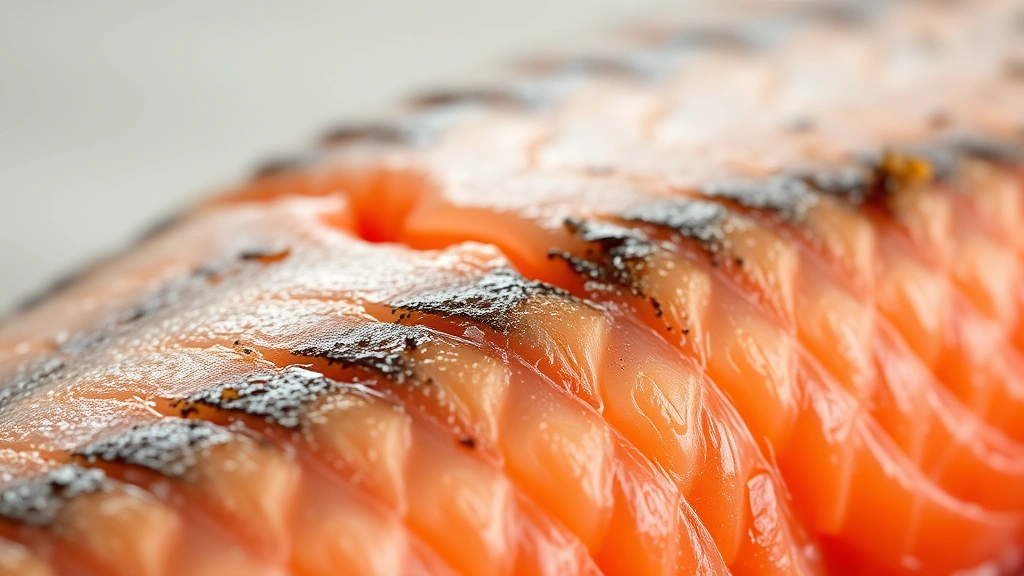
” alt=”Close-up of fresh Atlantic salmon fillet showing pink flesh texture and nutritional appeal” style=”width:100%;height:auto;margin:20px 0;”/>
Atlantic salmon’s most celebrated nutritional distinction involves its exceptional omega-3 polyunsaturated fatty acid content. A 4 oz serving provides approximately 2.3-2.6 grams of total omega-3 fatty acids, substantially exceeding recommendations for daily intake: The EPA and DHA content in Atlantic salmon addresses a significant nutritional gap in contemporary Western dietary patterns. Research published in the American Journal of Clinical Nutrition demonstrates that populations consuming adequate EPA and DHA exhibit reduced cardiovascular mortality rates, decreased inflammatory markers, and improved cognitive performance across lifespan stages. The omega-6 to omega-3 ratio in Atlantic salmon measures approximately 1:5 to 1:8, substantially more favorable than most terrestrial protein sources. This ratio supports systemic inflammation reduction and cardiovascular health optimization, addressing the pro-inflammatory ratio characteristic of typical Western dietary patterns. Integrating 4 oz Atlantic salmon into regular dietary patterns supports numerous health outcomes validated through rigorous scientific investigation: Cardiovascular Health The American Heart Association recommends consuming fatty fish twice weekly specifically to reduce cardiovascular disease risk. Atlantic salmon’s omega-3 content decreases triglyceride levels, reduces blood pressure, and improves endothelial function. Research from the American Heart Association indicates that whole-food omega-3 sources demonstrate superior cardiovascular benefits compared to supplemental forms. Neurological Function & Cognitive Performance DHA constitutes approximately 97% of omega-3 fatty acids in brain tissue, making Atlantic salmon consumption particularly relevant for cognitive health across developmental stages. Research published in the Nutrients journal demonstrates associations between adequate DHA intake and reduced cognitive decline rates in aging populations, improved attention span in children, and enhanced memory consolidation mechanisms. Anti-Inflammatory Effects The EPA and DHA in Atlantic salmon function as precursors for specialized pro-resolving mediators, molecules that actively terminate inflammatory cascades. This mechanism distinguishes omega-3 fatty acids from conventional anti-inflammatory medications by addressing inflammation resolution rather than mere suppression. Bone Health & Mineral Metabolism The combination of vitamin D, phosphorus, and selenium in Atlantic salmon supports optimal bone mineralization and remodeling processes. Vitamin D deficiency affects approximately 40% of the American population, making salmon consumption a practical dietary strategy for addressing this widespread nutritional insufficiency. Athletic Performance & Recovery As discussed in our comprehensive guide to nutrition for athletes optimizing performance through diet, Atlantic salmon provides rapid amino acid availability supporting muscle protein synthesis. The anti-inflammatory properties additionally facilitate exercise-induced recovery processes and reduce delayed-onset muscle soreness. Immune Function Optimization Selenium and vitamin D in Atlantic salmon support multiple immune system functions, including T-cell differentiation, antimicrobial peptide production, and regulatory T-cell development. These mechanisms strengthen both innate and adaptive immune responses. Maximizing Atlantic salmon’s nutritional value requires thoughtful preparation approaches that preserve heat-sensitive micronutrients and omega-3 fatty acids: Recommended Cooking Methods (Listed by Nutrient Preservation): Preparation methods to minimize include deep frying, which increases oxidized lipid formation and reduces omega-3 bioavailability. Extended cooking times above 400°F promote polyunsaturated fat oxidation, potentially creating harmful compounds. Pairing Atlantic salmon with foods containing vitamin C, such as lemon juice or bell peppers, enhances iron absorption from the fish while supporting selenium bioavailability. Combining salmon with nutrition facts about avocados provides additional monounsaturated fats and potassium, creating synergistic nutritional combinations. Understanding how Atlantic salmon compares nutritionally to alternative protein options enables informed dietary decision-making: Atlantic Salmon vs. Wild-Caught Salmon Wild-caught salmon provides slightly elevated omega-3 concentrations (2.4-2.8g per 4 oz) due to natural diet composition. However, Atlantic salmon offers superior vitamin D content and more consistent availability. Environmental sustainability considerations may influence selection between farmed and wild varieties. Atlantic Salmon vs. Chicken Breast While chicken breast provides comparable protein content (26g per 4 oz), Atlantic salmon delivers substantially higher omega-3 fatty acids, selenium, and vitamin D. Chicken offers lower caloric density (140 calories per 4 oz) but lacks the cardiovascular benefits associated with salmon’s lipid profile. Atlantic Salmon vs. Beef Beef contains more iron and B12 than Atlantic salmon but significantly higher saturated fat content. Salmon’s superior omega-3 to omega-6 ratio and anti-inflammatory properties distinguish it as the more heart-healthy option for most populations. Atlantic Salmon vs. Plant-Based Proteins Plant proteins lack complete amino acid profiles and fail to provide bioavailable EPA and DHA. While plant proteins offer advantages in fiber content and micronutrient diversity, Atlantic salmon remains superior for specific health outcomes related to cognitive function and cardiovascular protection. For comprehensive nutritional guidance, exploring resources like our 2% fat milk nutrition analysis demonstrates how different food categories contribute varied nutritional profiles supporting complete dietary patterns.Omega-3 Fatty Acids Profile
Science-Backed Health Benefits
Optimal Preparation Methods
Comparison with Other Protein Sources
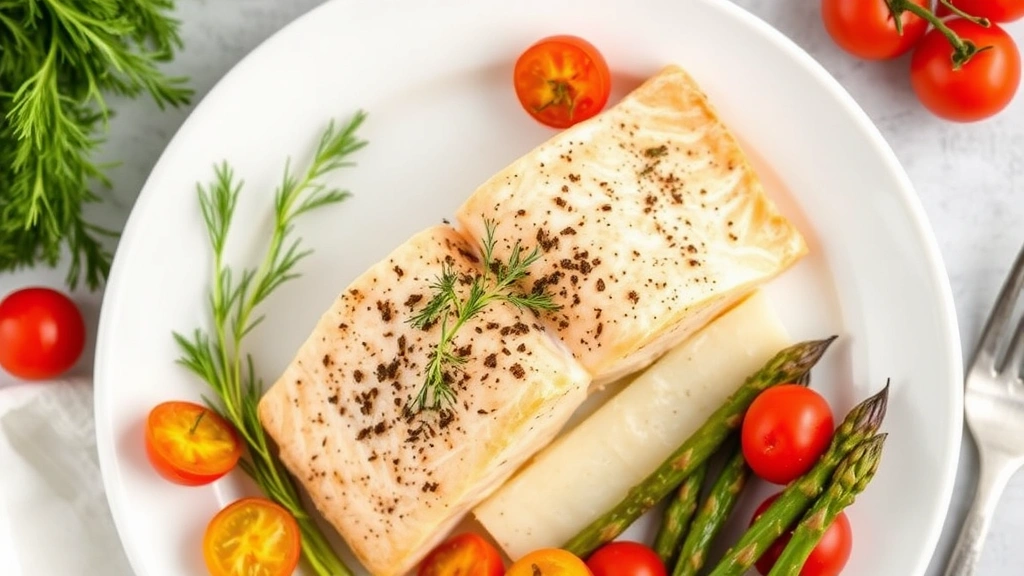
” alt=”Overhead view of prepared salmon dish with fresh herbs and vegetables on white plate” style=”width:100%;height:auto;margin:20px 0;”/>
Atlantic salmon ranks among the highest omega-3 sources available, comparable to mackerel and herring. However, salmon offers superior palatability and accessibility for most populations. Other fish like cod and tilapia provide less omega-3 content but offer lower mercury exposure. FDA guidelines on mercury in fish recommend rotating fish selections to minimize heavy metal accumulation. Yes, Atlantic salmon consumption 2-3 times weekly aligns with American Heart Association recommendations and provides optimal omega-3 intake without exceeding safe mercury exposure limits. Most populations, excluding pregnant women and young children, can safely consume Atlantic salmon daily given appropriate portion sizes. Cooking methods substantially affect omega-3 preservation and nutrient bioavailability. Gentle methods like poaching and steaming preserve approximately 85-90% of omega-3 content, while high-temperature frying reduces bioavailable omega-3 by 25-30%. Baking at moderate temperatures provides reasonable preservation with practical preparation convenience. Farmed Atlantic salmon typically contains higher omega-3 concentrations due to controlled feed composition, while wild salmon provides slightly elevated selenium levels. Farmed varieties offer superior vitamin D content. Environmental sustainability and contaminant profiles may influence selection beyond purely nutritional considerations. Despite higher fat content than lean proteins, Atlantic salmon supports weight management through superior satiety signaling. The combination of protein, omega-3 fatty acids, and micronutrients produces prolonged fullness sensations, reducing overall caloric consumption. Incorporating salmon into healthy nutrition planning frameworks often improves weight management outcomes compared to very-low-fat protein selections. Atlantic salmon contains minimal mercury compared to predatory fish species. EPA studies on fish contaminants indicate farmed Atlantic salmon poses negligible contaminant risk for most populations. Pregnant women should verify sourcing but need not eliminate salmon from dietary patterns. Fresh Atlantic salmon should be consumed within 1-2 days of purchase, stored at 32-38°F. Frozen salmon maintains nutritional value for 2-3 months when properly sealed. Freezing actually preserves omega-3 content more effectively than extended refrigeration, making frozen salmon a legitimate nutritional choice. Pairing salmon with vitamin C sources enhances mineral absorption, while combining with foods emphasizing the importance of dietary fiber for your health creates synergistic nutritional combinations. Whole grains, leafy vegetables, and cruciferous vegetables provide complementary micronutrients and phytonutrients supporting comprehensive health optimization. A 4 oz serving of Atlantic salmon represents one of nature’s most nutrient-dense protein sources, delivering exceptional macronutrient quality alongside comprehensive micronutrient profiles. The combination of complete amino acids, omega-3 fatty acids, selenium, and B vitamins positions Atlantic salmon as a cornerstone protein for evidence-based nutrition planning. Whether supporting cardiovascular health, cognitive function, athletic performance, or general wellness, Atlantic salmon consumption aligns with contemporary nutritional science and dietary guidelines from leading health organizations. Incorporating this sustainable, accessible protein into regular dietary patterns provides measurable health benefits supported by decades of rigorous scientific investigation.Frequently Asked Questions
How does Atlantic salmon nutrition compare to other fish species?
Is Atlantic salmon safe to eat multiple times weekly?
Does cooking method significantly impact nutritional value?
How does farmed Atlantic salmon differ nutritionally from wild varieties?
Can Atlantic salmon support weight management goals?
Does Atlantic salmon contain harmful contaminants?
How should Atlantic salmon be stored to maintain nutritional integrity?
What complementary foods maximize salmon’s nutritional benefits?