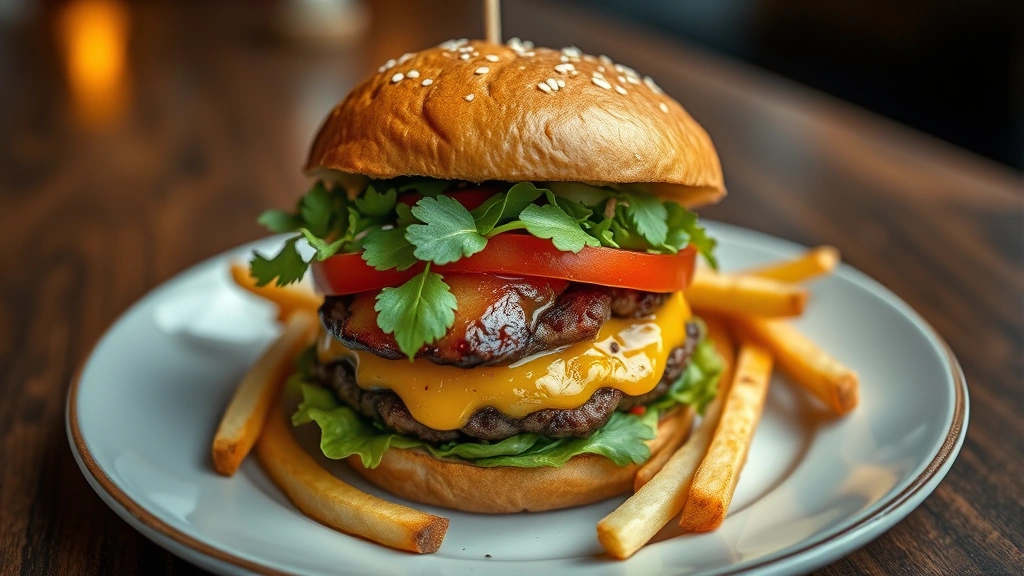
5 Guys Nutrition Facts: What Dietitians Say About This Popular Chain
Five Guys has become a staple in the American fast-casual dining landscape, known for its customizable burgers, hand-cut fries, and fresh ingredients. However, when it comes to nutrition, the chain presents a complex picture that requires careful examination. With calorie counts that can easily exceed 1,000 per meal and sodium levels that surpass daily recommendations, understanding 5 Guys nutrition facts is essential for health-conscious consumers. Dietitians emphasize that while the chain does offer some nutritional transparency, making informed choices requires knowing exactly what you’re consuming.
The popularity of 5 Guys raises important questions about fast-casual dining and its role in modern nutrition. Many customers assume that because the restaurant emphasizes fresh, never-frozen beef and quality ingredients, the meals are inherently healthier than traditional fast food. Yet the reality is more nuanced. This comprehensive guide explores what nutrition experts say about 5 Guys, breaking down the facts, examining menu options, and providing practical strategies for enjoying the chain while maintaining dietary goals.

Understanding 5 Guys Calorie Content
A standard burger at 5 Guys contains between 540 and 840 calories, depending on whether you choose a single or double patty. When you add fries—which is nearly unavoidable at this establishment—you’re looking at an additional 365 to 620 calories for a regular or large serving. This means a typical 5 Guys meal can easily reach 1,200 to 1,500 calories, representing 60 to 75 percent of a 2,000-calorie daily diet in a single sitting.
Dietitians point out that the calorie density becomes even more concerning when customers add milkshakes, which range from 565 to 815 calories depending on the flavor and size. The American Heart Association notes that understanding calorie content in restaurant meals is crucial for weight management and chronic disease prevention. The transparency 5 Guys provides through their nutrition calculator is valuable, but many customers don’t use it before ordering.
What makes the calorie situation particularly challenging is the portion sizes. The “regular” fries at 5 Guys are notably larger than competitors’ offerings, and the chain’s practice of adding extra fries to the bag has become somewhat notorious. This generous portioning, while appreciated by customers seeking value, contributes significantly to excess calorie consumption. Registered dietitian nutritionists recommend being aware that one meal can constitute a substantial portion of daily caloric intake.

Sodium and Heart Health Concerns
Perhaps the most significant nutritional concern with 5 Guys is sodium content. A single cheeseburger contains 1,000 to 1,300 milligrams of sodium, while the fries add another 200 to 350 milligrams. The CDC recommends limiting sodium to 2,300 milligrams per day, meaning one 5 Guys meal can provide 50 to 70 percent of this daily limit.
For individuals managing hypertension or at risk for cardiovascular disease, this sodium level is particularly problematic. Dietitians specializing in cardiac nutrition emphasize that excessive sodium consumption contributes to elevated blood pressure, increased water retention, and greater strain on the cardiovascular system. The cumulative effect of regularly consuming such high-sodium meals can significantly impact long-term health outcomes.
The sodium content derives from multiple sources: the beef patties themselves, the cheese, the buns, and the cooking oils. Unlike some nutrients that can be reduced through menu modifications, sodium is inherently embedded throughout 5 Guys’ offerings. While choosing to skip cheese or the bun can reduce sodium slightly, the reduction is modest—perhaps 200 to 300 milligrams at most.
Interestingly, recent research published in the Proceedings of the National Academy of Sciences demonstrates that sodium reduction at the industry level could significantly improve public health outcomes. This suggests that while individual consumers can make better choices, systemic changes in food preparation would have broader impact.
Protein and Macronutrient Breakdown
One area where 5 Guys does excel nutritionally is protein content. A double cheeseburger provides approximately 50 to 60 grams of protein, which aligns well with nutrition for athletes and active individuals seeking performance optimization. This substantial protein content makes 5 Guys a reasonable choice for those prioritizing muscle maintenance and satiety.
However, the protein advantage is offset by problematic fat ratios. Most 5 Guys burgers contain 40 to 50 grams of total fat, with saturated fat comprising 15 to 20 grams of that total. The American Heart Association recommends limiting saturated fat to 5 to 6 percent of daily calories, or roughly 11 to 13 grams per day for a 2,000-calorie diet. A single 5 Guys meal exceeds this recommendation significantly.
The carbohydrate content is moderate, with burgers providing 35 to 45 grams and fries adding another 50 to 60 grams. This carbohydrate load, combined with high fat and sodium, creates a macronutrient profile that dietitians describe as imbalanced for regular consumption. The fiber content is minimal across most menu items, contributing to poor digestive support and sustained satiety.
For those following specific dietary approaches, understanding these macronutrient ratios becomes essential. Individuals managing diabetes, for instance, need to account for the carbohydrate and overall caloric load. Those concerned with cholesterol levels should be aware of the saturated fat content. This connects to broader principles discussed in our guide on developing a healthy nutrition plan for sustainable eating.
Making Healthier Choices at 5 Guys
Despite the nutritional challenges, dietitians acknowledge that 5 Guys can be incorporated into a balanced diet with strategic choices. The first step is utilizing the nutrition information available through their website and in-restaurant materials. Knowing the exact caloric and sodium content before ordering allows for informed decision-making.
Several modifications can reduce the nutritional burden of a 5 Guys meal. Choosing a single patty instead of double reduces calories by approximately 250 to 300 and saturated fat by 10 to 12 grams. Skipping cheese saves another 100 to 150 calories and 6 to 8 grams of saturated fat. Requesting “light” fries or sharing a regular order with someone else significantly reduces calorie and sodium intake.
Ordering a burger “protein style” (without the bun) is not officially offered at 5 Guys, but some locations will accommodate this request. This modification can reduce calories by 200 to 250 and eliminates refined carbohydrates, making it a viable option for those following low-carb approaches. Additionally, choosing water instead of sugary beverages eliminates 200 to 300 calories and substantial added sugars.
Dietitians recommend treating 5 Guys as an occasional indulgence rather than a regular dining choice. When consumed once monthly or less, the nutritional impact on overall health is minimal for most individuals. Those with specific health conditions—hypertension, diabetes, heart disease—should be more cautious and potentially limit consumption further.
Understanding how individual meals fit within broader dietary patterns is crucial. This principle aligns with the comprehensive nutrition solutions approach that considers total daily and weekly intake rather than isolated meals. A single high-sodium, high-calorie meal is manageable if balanced with nutrient-dense options throughout the week.
Comparison with Other Fast-Casual Chains
How does 5 Guys stack up against competitors in the fast-casual burger space? Chains like Shake Shack, Smashburger, and Fuddruckers offer similar menus with comparable nutritional profiles. Shake Shack’s burgers typically contain 450 to 550 calories, slightly lower than 5 Guys but with similarly high sodium content. Smashburger’s offerings range from 500 to 700 calories, depending on customizations.
The critical difference often comes down to portion sizes and default additions. 5 Guys’ generous fry portions and automatic inclusion of extra fries contribute to higher overall meal calories compared to chains that offer more modest servings. Additionally, the cooking method—5 Guys uses beef tallow for frying—contributes to higher fat content compared to chains using vegetable-based oils.
When compared to traditional fast food chains like McDonald’s or Burger King, 5 Guys appears less healthy from a pure caloric standpoint. However, the quality of ingredients is arguably superior, with 5 Guys using fresh, never-frozen beef. This doesn’t necessarily translate to better nutrition, but some consumers value ingredient quality alongside nutritional metrics.
For those seeking healthier fast-casual options, chains emphasizing salads, grain bowls, and vegetable-forward entrees offer better nutritional profiles. Chipotle, Panera Bread, and similar concepts allow for greater customization toward whole foods and balanced macronutrients. However, these alternatives don’t satisfy cravings for burgers and fries in the same way, so the comparison ultimately depends on dietary goals and preferences.
Dietitians emphasize that no single restaurant chain is inherently “good” or “bad”—context matters. Regular consumption of any high-calorie, high-sodium fast-casual meal contributes to poor health outcomes. Conversely, occasional indulgence in 5 Guys within a balanced overall diet is manageable for most people. The key is awareness and intentional choice-making rather than defaulting to standard orders.
For more detailed guidance on optimizing your overall nutritional approach, our resources on improving nutrient absorption provide evidence-based strategies for maximizing the nutritional value of foods you consume. Additionally, understanding how diet impacts mental health and cognitive function provides broader context for dietary choices beyond simple calorie counting.
FAQ
How many calories are in a 5 Guys burger and fries?
A typical 5 Guys meal consisting of a single cheeseburger and regular fries contains approximately 1,200 to 1,400 calories. A double cheeseburger with large fries can reach 1,500 to 1,700 calories. These figures represent 60 to 85 percent of a standard 2,000-calorie daily diet in a single meal.
Is 5 Guys healthier than McDonald’s?
The comparison is complex. 5 Guys uses higher-quality, fresh ingredients, but the calorie and sodium content per meal is often higher than McDonald’s. A McDonald’s cheeseburger and fries meal contains approximately 1,000 to 1,200 calories with 1,200 to 1,500 milligrams of sodium. The nutritional advantage depends on which specific items are ordered and individual health priorities.
Can I eat 5 Guys on a diet?
Yes, but with strategic modifications. Choosing a single patty burger, skipping cheese, ordering light fries, and eliminating sugary beverages can reduce a meal to 700 to 900 calories. Treating 5 Guys as an occasional meal rather than regular dining allows most people to incorporate it into weight management plans. Those with specific health conditions should consult healthcare providers.
What’s the lowest-calorie option at 5 Guys?
The lowest-calorie burger option is a single patty burger without cheese, which contains approximately 540 to 620 calories. Choosing a “Cajun” style preparation (if available) and ordering water instead of beverages further reduces caloric intake. Some locations may accommodate special requests like lettuce wraps instead of buns.
How much sodium is in 5 Guys food?
A single cheeseburger contains 1,000 to 1,300 milligrams of sodium, while regular fries add 200 to 350 milligrams. A typical meal therefore provides 1,200 to 1,650 milligrams of sodium, representing 52 to 72 percent of the daily recommended limit of 2,300 milligrams. This is particularly concerning for individuals managing hypertension.
What do dietitians say about 5 Guys?
Registered dietitian nutritionists acknowledge that while 5 Guys offers fresh ingredients and nutritional transparency, the calorie density, sodium content, and saturated fat levels make it unsuitable for regular consumption. Most recommend treating it as an occasional indulgence, making strategic menu modifications, and balancing high-calorie meals with nutrient-dense options throughout the week.


