
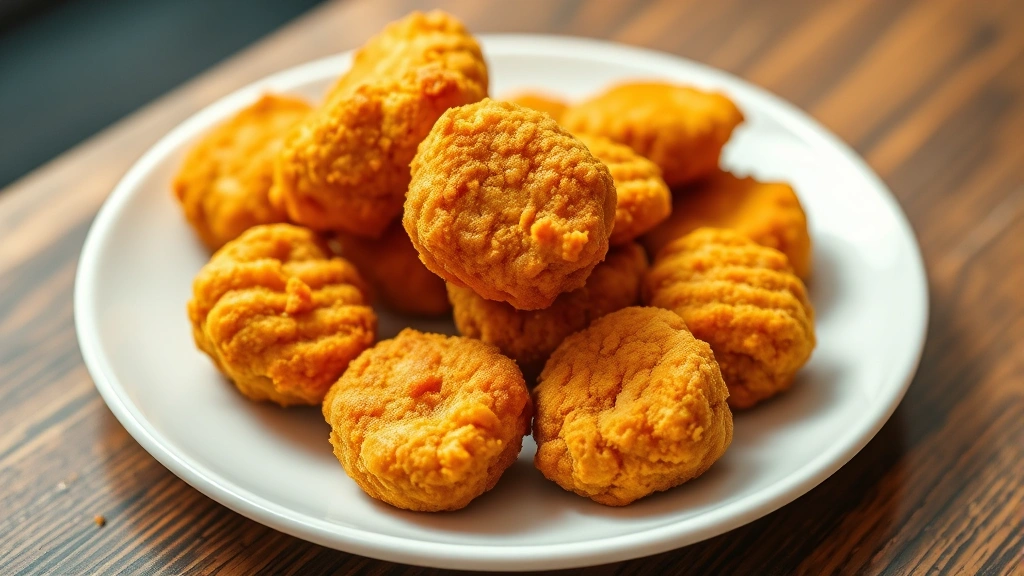
What’s in a 6pc McNugget? Dietitian Explains
McDonald’s Chicken McNuggets have been a fast-food staple since their introduction in 1983, and the 6-piece serving remains one of the chain’s most popular menu items. But what exactly are you consuming when you bite into these golden, bite-sized pieces? As a registered dietitian, I’m breaking down the complete nutritional profile of a 6-piece McNugget serving, examining everything from macronutrients to additives, so you can make informed decisions about whether this menu item fits your dietary goals.
Understanding the composition of fast-food items is increasingly important in today’s health-conscious landscape. While McNuggets are often perceived as a convenient protein source, the reality is more nuanced. This guide walks you through the nutritional breakdown, ingredient list, and practical considerations for incorporating—or limiting—this popular menu item into your diet.
Complete Nutritional Breakdown
A 6-piece serving of McDonald’s Chicken McNuggets contains approximately 280 calories, making it a moderate-calorie option for a snack or light meal component. However, calories tell only part of the story. When examining the full nutritional profile, you’ll find 17 grams of total fat, 9 grams of carbohydrates, and 12 grams of protein per serving.
The carbohydrate content is primarily derived from the breading rather than the chicken itself, which is important to note if you’re following a lower-carb diet. Dietary fiber is minimal at less than 1 gram, meaning these nuggets won’t contribute meaningfully to your daily fiber intake. For context, the importance of dietary fiber for your health cannot be overstated, as it supports digestive function and metabolic health.
The micronutrient profile reveals modest amounts of iron (1.2 mg) and some B vitamins, particularly niacin and B6, which support energy metabolism. Calcium content is negligible at around 15 mg, so McNuggets shouldn’t be relied upon as a calcium source. Potassium levels are also minimal, which is worth considering if you’re trying to maintain electrolyte balance.
Sodium content deserves special attention—a 6-piece serving contains approximately 400-450 mg of sodium, which represents about 17-20% of the daily recommended intake. This is significant, especially if consumed alongside other processed foods during the day.
Protein Content and Quality
While 12 grams of protein per serving might seem respectable, the quality and bioavailability of this protein warrant examination. Chicken is indeed a complete protein containing all nine essential amino acids, but the processing methods used in McNugget production may affect protein quality.
McNuggets are made from mechanically separated chicken, which involves separating meat from bones using high-pressure water jets. This process yields a mixture of muscle tissue, skin, and other chicken parts. The resulting product is then combined with binders, stabilizers, and other ingredients to create the final nugget. This processing doesn’t destroy the amino acid profile, but it does mean you’re consuming a less whole-food version of chicken protein compared to grilled chicken breast.
For someone seeking optimal healthy nutrition plans and guides to eating well, the protein quality matters. The protein-to-calorie ratio is reasonable (12g protein in 280 calories), but the accompanying fat content affects the overall nutritional efficiency of this protein source.
Additionally, the protein content doesn’t include significant amounts of collagen or other connective tissue proteins that might provide additional health benefits like joint support. If protein optimization is your goal, whole grilled chicken would be a superior choice.
Fat Profile and Concerns
The 17 grams of total fat in a 6-piece McNugget serving breaks down into approximately 3.5 grams of saturated fat and trace amounts of trans fat. The saturated fat content represents about 18% of the recommended daily limit, which is moderate but worth considering within the context of your total daily intake.
Saturated fat concerns have evolved in recent years, with research suggesting that not all saturated fats impact cardiovascular health equally. However, most nutritional guidelines still recommend limiting saturated fat intake. The remaining fat is primarily polyunsaturated and monounsaturated fats, which come from the vegetable oil used in the deep-frying process.
Trans fat content is minimal due to regulatory changes in the food industry, but it’s worth noting that the frying process and the presence of partially hydrogenated oils in some ingredients could introduce small amounts. Even minimal trans fat consumption is considered undesirable by health authorities, as there’s no safe threshold for consumption.
The high fat content means McNuggets are energy-dense, providing more calories per gram than protein or carbohydrates. This density makes McNuggets easy to overconsume, as they’re designed to be highly palatable and satisfying—a combination that encourages eating beyond satiety.

Sodium Levels Explained
The sodium content of McNuggets is one of the most concerning nutritional aspects from a public health perspective. At 400-450 mg per 6-piece serving, this represents a substantial sodium load in a relatively small food item.
For context, the American Heart Association recommends no more than 2,300 mg of sodium daily, with an ideal limit closer to 1,500 mg for optimal cardiovascular health. A single serving of McNuggets consumes 17-20% of the higher recommendation, leaving limited sodium budget for other meals and snacks consumed throughout the day.
Excessive sodium intake is linked to elevated blood pressure, increased cardiovascular disease risk, and potential kidney strain. The sodium in McNuggets comes from salt added directly to the product, salt in the breading, and sodium-containing preservatives and flavorings used in processing.
Regular consumption of high-sodium fast foods like McNuggets, particularly when combined with other processed foods, can contribute to chronic health issues. This is particularly concerning for individuals with hypertension, diabetes, or family histories of cardiovascular disease.
Hidden Additives and Ingredients
Beyond the basic macronutrient profile, McNuggets contain numerous additives that warrant examination. The ingredient list includes sodium phosphates (used as preservatives and binders), dextrose (a simple sugar), and various seasonings.
Sodium phosphates are multifunctional additives that help retain moisture and improve texture. While generally recognized as safe by the FDA, excessive phosphate intake has been associated with potential health concerns, particularly regarding bone health and cardiovascular function in some research.
Dextrose is included to enhance browning during cooking and improve flavor. This adds unnecessary refined sugar to the product, contributing to overall sugar intake even though McNuggets aren’t perceived as a sweet food.
The breading contains wheat flour, salt, corn flour, corn starch, and various seasonings. This combination creates the characteristic crispy exterior but also introduces refined carbohydrates with minimal nutritional value. The processing removes most of the fiber and micronutrients present in whole grains.
Soy lecithin is used as an emulsifier, helping blend ingredients that wouldn’t normally mix. While soy lecithin is generally safe, individuals with soy allergies must avoid it. The product may also contain trace amounts of allergens depending on processing conditions.
The cooking oil used for frying is typically a vegetable oil blend, often containing soybean oil or canola oil. Repeated heating of these oils can produce oxidation products that some researchers suggest may have inflammatory effects, though this remains an area of ongoing scientific investigation.
Comparison to Healthier Alternatives
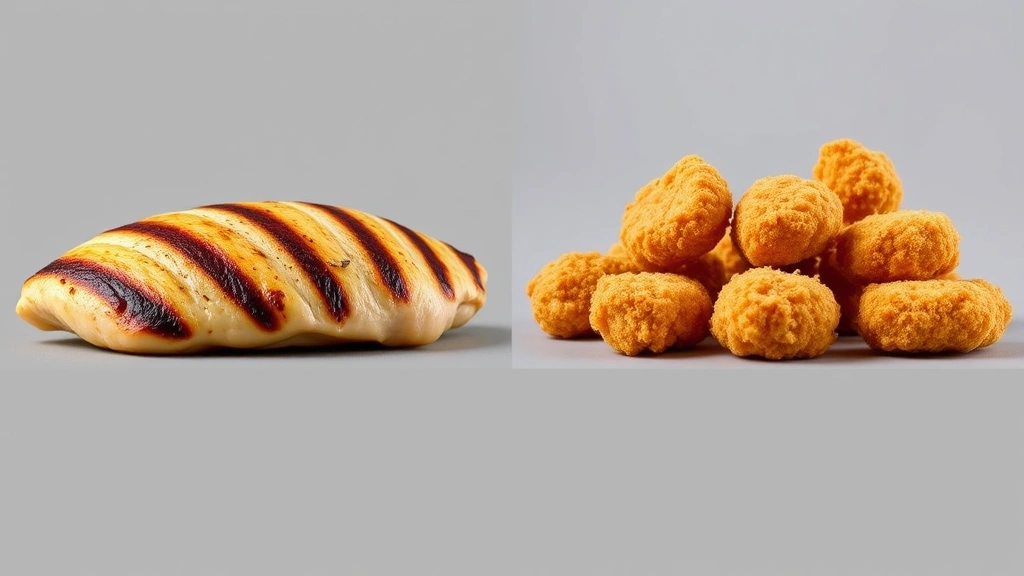
To contextualize the McNugget nutritional profile, comparing it to alternatives reveals important differences. A 3-ounce grilled chicken breast contains approximately 128 calories, 26 grams of protein, and less than 3 grams of fat, with minimal sodium when prepared without added salt.
This comparison demonstrates that whole grilled chicken provides superior protein density, lower fat content, and dramatically reduced sodium. However, grilled chicken lacks the convenience and palatability factors that make McNuggets appealing to many consumers.
Homemade baked chicken nuggets using whole chicken breast, whole wheat breadcrumbs, and controlled oil amounts can approximate McNugget satisfaction while significantly improving the nutritional profile. This approach reduces sodium by 70-80%, increases fiber, and provides superior micronutrient density.
For those seeking nutrition facts about avocados and other whole foods, pairing a smaller portion of McNuggets with nutrient-dense sides like vegetable-based options creates more balanced meals.
How McNuggets Fit Into Your Diet
The critical question isn’t whether McNuggets are inherently bad, but rather how they fit within your overall dietary pattern. Occasional consumption of McNuggets—perhaps once or twice monthly—is unlikely to cause health problems for most individuals without specific health conditions.
However, regular consumption, particularly several times weekly, begins to accumulate concerning amounts of sodium, saturated fat, and processed ingredients. For individuals managing hypertension, cardiovascular disease, or metabolic conditions like diabetes, even occasional McNugget consumption should be considered carefully.
If you choose to include McNuggets in your diet, consider these strategies: First, balance them with nutrient-dense foods at other meals. Consuming McNuggets alongside a large salad with vegetables and a whole grain supports overall nutritional adequacy. Second, limit frequency to occasional treats rather than regular menu items. Third, monitor your sodium intake from other sources on days when you consume McNuggets.
For parents making decisions about children’s nutrition, McNuggets present particular considerations. Children have lower daily sodium recommendations and may be more susceptible to developing preferences for high-sodium, high-fat foods if exposed frequently. The nutrition and mental health connection, including how your diet impacts your brain, suggests that early dietary patterns influence both immediate cognitive function and long-term brain health.
Understanding your personal nutritional needs is essential. Those following the healthy nutrition plan guide to eating well for life should evaluate whether McNuggets align with their specific health goals and dietary requirements.
The research on ultra-processed foods suggests that frequent consumption is associated with increased risk of obesity, type 2 diabetes, and cardiovascular disease. A Harvard School of Public Health analysis of processed foods and health indicates that minimizing ultra-processed food consumption is one of the most impactful dietary changes for long-term health outcomes.
Additionally, examining how your body absorbs nutrients can inform decisions about food choices. Processed foods high in fat and sodium may interfere with optimal nutrient absorption from other foods consumed simultaneously, reducing the efficiency of your overall nutrition.
From a practical standpoint, if McNuggets bring you joy and satisfaction, occasional consumption within a balanced dietary pattern poses minimal health risk. The key is ensuring they don’t become a dietary staple that crowds out more nutrient-dense options.
FAQ
Are McDonald’s McNuggets made from real chicken?
Yes, McNuggets are made from real chicken, specifically mechanically separated chicken combined with various binders and seasonings. The processing method differs from whole chicken, but the primary ingredient is indeed chicken meat and skin.
How much protein is in 6 McNuggets?
A 6-piece serving contains approximately 12 grams of protein. While this is a reasonable amount, the protein quality is affected by processing methods, and the accompanying fat and sodium content should be considered.
Can I eat McNuggets on a diet?
Occasional McNugget consumption can fit within most diets, provided they’re balanced with nutrient-dense foods and accounted for in your daily caloric and macronutrient goals. Frequent consumption may hinder weight loss efforts due to high caloric density and low satiety relative to calories.
What’s the sodium content in McNuggets?
A 6-piece serving contains 400-450 mg of sodium, representing approximately 17-20% of the recommended daily intake. This is significant and should be considered within your total daily sodium consumption.
Are McNuggets unhealthy?
McNuggets are ultra-processed foods with high sodium and moderate saturated fat content, making them less optimal than whole food alternatives. However, occasional consumption isn’t inherently unhealthy for most people without specific health conditions. Frequency and overall dietary pattern matter more than occasional consumption.
What are the main ingredients in McNuggets?
The primary ingredients are mechanically separated chicken, water, salt, corn starch, wheat starch, dextrose, sodium phosphates, and various seasonings. The breading adds wheat flour, corn flour, salt, and seasonings.
Do McNuggets contain trans fat?
Modern McDonald’s McNuggets contain minimal to no trans fat due to regulatory changes and reformulation. However, the deep-frying process in vegetable oil contributes saturated and polyunsaturated fat content.