80/20 Ground Beef: Health Impact Explained
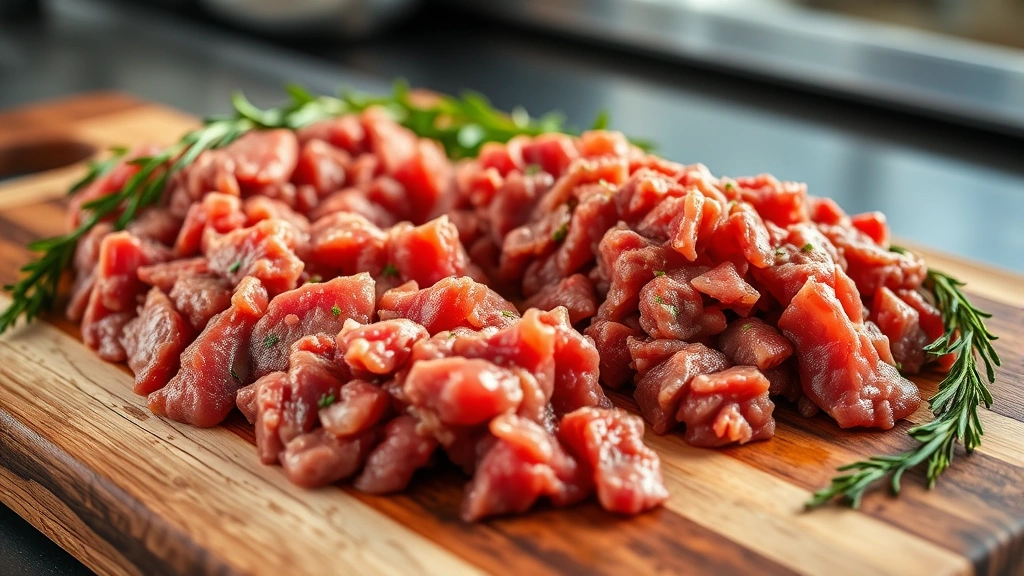
Ground beef remains one of America’s most versatile and accessible protein sources, with the 80/20 blend representing a popular middle-ground option between ultra-lean and fatty cuts. The designation “80/20” refers to the meat-to-fat ratio by weight, meaning 80% lean meat and 20% fat content. Understanding the nutritional profile and health implications of this specific ratio is essential for making informed dietary choices, whether you’re seeking nutrition solutions or planning balanced meals for your household.
This particular fat percentage strikes a balance that appeals to many consumers and chefs alike. It provides enough fat for flavor and juiciness during cooking while remaining leaner than higher-fat options like 70/30 ground beef. However, the health impact of consuming 80/20 ground beef regularly depends on portion sizes, preparation methods, overall dietary patterns, and individual health goals. This comprehensive guide examines the nutritional science behind this popular protein choice.
Nutritional Profile of 80/20 Ground Beef
A standard 3.5-ounce (100-gram) serving of raw 80/20 ground beef contains approximately 217 calories, with macronutrient distribution that reflects its lean-to-fat ratio. The protein content typically ranges from 18-20 grams per serving, making it an excellent source of complete protein containing all nine essential amino acids. Fat content sits around 15 grams per serving, while carbohydrates are essentially negligible at less than 1 gram.
The caloric density of 80/20 ground beef is moderate compared to fattier cuts. When cooked, the fat content may reduce slightly as some lipids render out, particularly if the meat is drained after browning. This makes preparation method crucial for those monitoring caloric intake. The macronutrient ratio makes 80/20 ground beef suitable for various dietary approaches, from balanced nutrition plans to higher-protein diets aimed at muscle maintenance and development.
For individuals following a healthy nutrition plan, understanding these baseline numbers provides context for how ground beef fits into daily nutritional targets. The 80/20 ratio offers flexibility—it’s not so lean that it becomes dry or difficult to cook, nor so fatty that it becomes problematic for health-conscious consumers.
Fat Content and Cardiovascular Health
The fat composition of 80/20 ground beef deserves careful examination, as not all fat is created equal nutritionally. Research from the American Heart Association distinguishes between saturated and unsaturated fats, with implications for cardiovascular health. Ground beef contains predominantly saturated fat, with approximately 6 grams of saturated fat per 3.5-ounce serving of 80/20 blend.
Saturated fat has been traditionally associated with elevated LDL cholesterol levels, though contemporary nutrition science recognizes more nuance in this relationship. The American Heart Association recommends limiting saturated fat to 5-6% of total daily calories, which for a 2,000-calorie diet equals roughly 11-13 grams daily. A single serving of 80/20 ground beef represents a significant portion of this recommendation, suggesting moderation is important for cardiovascular health.
However, ground beef also contains monounsaturated and polyunsaturated fats, which offer cardiovascular benefits. Beef fat includes oleic acid, the same beneficial monounsaturated fat found in olive oil. Additionally, grass-fed beef contains higher levels of conjugated linoleic acid (CLA) and omega-3 fatty acids compared to grain-fed varieties, though these differences are modest. For those concerned about cardiovascular impact, cooking method and overall dietary context matter significantly more than the fat content alone.
Protein Benefits and Muscle Development
The protein content of 80/20 ground beef makes it particularly valuable for athletes optimizing performance through diet and anyone seeking to maintain or build muscle mass. At approximately 19 grams of protein per 3.5-ounce serving, ground beef provides substantial amino acid support for muscle protein synthesis—the biological process underlying muscle growth and repair.
Ground beef’s amino acid profile includes all essential amino acids in optimal ratios, making it a “complete protein.” This is particularly important for individuals over 40, who experience age-related muscle loss (sarcopenia) at an accelerated rate. Consuming adequate protein from sources like 80/20 ground beef helps counteract this decline. Research published in the Journal of the International Society of Sports Nutrition demonstrates that beef consumption correlates with superior muscle mass maintenance compared to lower-protein diets.
The bioavailability of beef protein is exceptionally high, meaning the body efficiently absorbs and utilizes the amino acids. This contrasts with plant-based proteins, which often require combining multiple sources to achieve complete amino acid profiles. For individuals in meal planning phases focused on protein optimization, ground beef offers straightforward nutritional value.
Micronutrients and Essential Minerals
Beyond macronutrients, 80/20 ground beef delivers significant micronutrient density that often goes underappreciated. A 3.5-ounce serving provides approximately 2.6 mg of iron, representing roughly 14-32% of daily requirements depending on age and sex. This iron exists primarily in highly bioavailable heme form, which the body absorbs more efficiently than non-heme iron from plant sources.
Ground beef also supplies substantial zinc, crucial for immune function, wound healing, and protein synthesis. A single serving provides approximately 5-7 mg of zinc, covering 45-64% of daily recommendations. Selenium content reaches approximately 22 micrograms per serving, supporting thyroid function and antioxidant defense systems. Additionally, beef contains B vitamins essential for energy metabolism, including B12 (crucial for neurological health and found primarily in animal products), niacin, and B6.
The mineral profile extends to phosphorus, potassium, and magnesium—electrolytes vital for muscular function and cardiovascular regulation. For individuals concerned about micronutrient adequacy, ground beef serves as a nutrient-dense food requiring relatively modest portions to meet mineral requirements. This density makes it particularly valuable for older adults at risk of micronutrient deficiencies and individuals with increased nutritional demands.
Comparison with Other Ground Beef Ratios
Understanding how 80/20 ground beef compares to other common ratios illuminates its nutritional positioning. The 90/10 ratio represents the leanest widely available option, containing only 10 grams of fat per 3.5-ounce serving and approximately 180 calories. While this appeals to those strictly limiting fat intake, the lower fat content can result in drier, less flavorful cooked products and reduced absorption of fat-soluble vitamins.
The 85/15 ratio occupies middle ground between 80/20 and 90/10, offering slightly reduced fat content while maintaining reasonable flavor and cooking properties. The 70/30 ratio, common in ground chuck, contains 21 grams of fat per serving and approximately 250 calories, making it significantly more calorie-dense and higher in saturated fat.
For most health-conscious consumers, 80/20 represents an optimal balance. It provides adequate fat for flavor and nutrient absorption without excessive caloric density. The fat content is higher than ultra-lean options but substantially lower than fattier cuts. USDA nutritional guidelines recognize this ratio as appropriate for regular consumption within a balanced diet, making it a practical choice for household meal planning.
Preparation Methods Matter
The health impact of 80/20 ground beef depends significantly on cooking methodology. Dry browning in a skillet, where fat drains away, reduces the final fat content by approximately 25-30%. In contrast, cooking in sauce or adding additional fats during preparation increases the overall fat and calorie content of the final dish. Grilling allows fat to drip away, similar to pan-browning with draining.
High-temperature cooking methods, particularly charring or prolonged high-heat exposure, create heterocyclic amines (HCAs) and polycyclic aromatic hydrocarbons (PAHs)—compounds associated with increased cancer risk in some research. Marinating ground beef in antioxidant-rich ingredients like herbs and spices before cooking reduces HCA formation by up to 90%, according to research from the National Cancer Institute. Moderate cooking temperatures and shorter cooking times also minimize these compound formations.
The fat itself becomes a factor in oxidative stress when subjected to high temperatures. Using moderate heat and avoiding excessive cooking time preserves the nutritional integrity of the meat. For individuals concerned about health impacts, preparation method rivals or exceeds the importance of the 80/20 ratio itself. Slow-cooking methods like stewing or braising in liquid represent excellent approaches to cooking ground beef while minimizing harmful compound formation.
Portion Control and Healthy Integration
Incorporating 80/20 ground beef into a healthy diet requires attention to portion sizes and overall dietary context. A typical serving of cooked ground beef is 3-4 ounces (85-113 grams), significantly smaller than the 6-8 ounce portions commonly consumed in burgers and pasta dishes. This smaller portion size delivers substantial protein (15-17 grams) while containing manageable amounts of saturated fat and calories.
Strategic pairing enhances both nutrition and health outcomes. Combining ground beef with high-fiber vegetables, legumes, or whole grains creates balanced meals that moderate blood sugar impact and promote satiety. A taco bowl combining 3 ounces of 80/20 ground beef, black beans, brown rice, and abundant vegetables delivers complete nutrition with appropriate macronutrient balance. This approach aligns with nutrition and mental health principles, as adequate protein and micronutrient density support cognitive function.
Frequency of consumption matters for long-term health outcomes. Consuming 80/20 ground beef 2-3 times weekly fits comfortably within dietary guidelines for most individuals without concerning saturated fat accumulation. This frequency allows for nutritional benefits while maintaining dietary diversity and limiting exposure to any single food source. Individual factors like existing cardiovascular disease, cholesterol levels, and overall dietary patterns should inform personal consumption decisions.

FAQ
Is 80/20 ground beef healthier than 90/10?
Neither is inherently “healthier”—they serve different purposes. 90/10 contains fewer calories and less saturated fat, making it preferable for strict calorie or fat restriction. 80/20 offers superior flavor, better cooking properties, and enhanced fat-soluble vitamin absorption. For most people following balanced diets, 80/20 provides adequate nutrition without unnecessary leanness that compromises culinary quality and satisfaction.
Can I eat 80/20 ground beef regularly with high cholesterol?
Individuals with elevated cholesterol should consult healthcare providers about portion sizes and frequency. Moderate consumption (2-3 times weekly in 3-4 ounce portions) typically fits within therapeutic diets. Lean ground beef (90/10 or 93/7) may be preferable for those with significant cholesterol concerns. Preparation methods and overall dietary patterns matter more than occasional 80/20 consumption.
What’s the difference between grass-fed and grain-fed 80/20 ground beef?
Grass-fed beef contains slightly higher omega-3 fatty acids and CLA compared to grain-fed, though differences are modest in practical terms. Both contain comparable protein and micronutrient profiles. Grass-fed beef often costs significantly more, so the choice depends on personal preferences, environmental values, and budget considerations rather than dramatic nutritional differences.
How should I store 80/20 ground beef safely?
Raw ground beef maintains safety in the refrigerator for 1-2 days at 40°F or below, stored on the lowest shelf to prevent cross-contamination. Freeze for up to 4 months in airtight containers or freezer bags. Thaw in the refrigerator, never at room temperature, to prevent bacterial growth. Cook to an internal temperature of 160°F as measured by a meat thermometer.
Does 80/20 ground beef contain added hormones or antibiotics?
Conventional 80/20 ground beef may come from cattle treated with growth hormones and antibiotics, though these residues are regulated by the FDA to remain below harmful levels. Certified organic, grass-fed, or antibiotic-free labeled beef comes from cattle raised without these interventions. Choice depends on personal preferences and budget; conventional beef remains nutritionally adequate and safe for consumption.
Can 80/20 ground beef support weight loss goals?
Yes, when incorporated strategically. The high protein content promotes satiety, reducing overall calorie consumption. A 3-ounce serving provides substantial protein (15-17 grams) while containing only 150-180 calories when drained after cooking. Pairing with vegetables and whole grains creates filling, nutritious meals supporting weight loss. However, portion control remains essential—larger portions or frequent consumption can exceed daily calorie targets.


