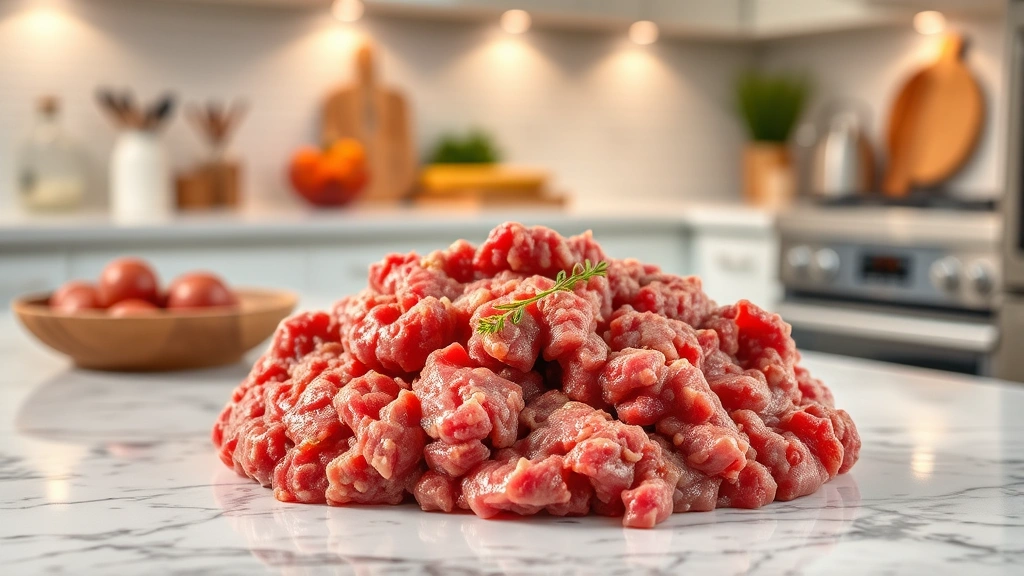
Is 80/20 Hamburger Meat Healthy? Expert Insight on Nutrition and Safety
Ground beef labeled 80/20 represents one of the most common protein choices in American households, yet confusion surrounds its actual nutritional value and health implications. This ratio—80% lean meat to 20% fat—sits in the middle ground between ultra-lean options and fattier varieties, making it a practical choice for many home cooks. But is it truly a healthy option for regular consumption, or should you reconsider your burger habits?
Understanding 80/20 hamburger meat requires examining both the science behind its composition and how it fits into modern dietary guidelines. Whether you’re building a healthy nutrition plan, meal prepping for the week, or simply trying to make better food choices, the evidence-based answer might surprise you. This comprehensive guide breaks down the nutritional profile, health considerations, and expert recommendations surrounding this popular meat option.
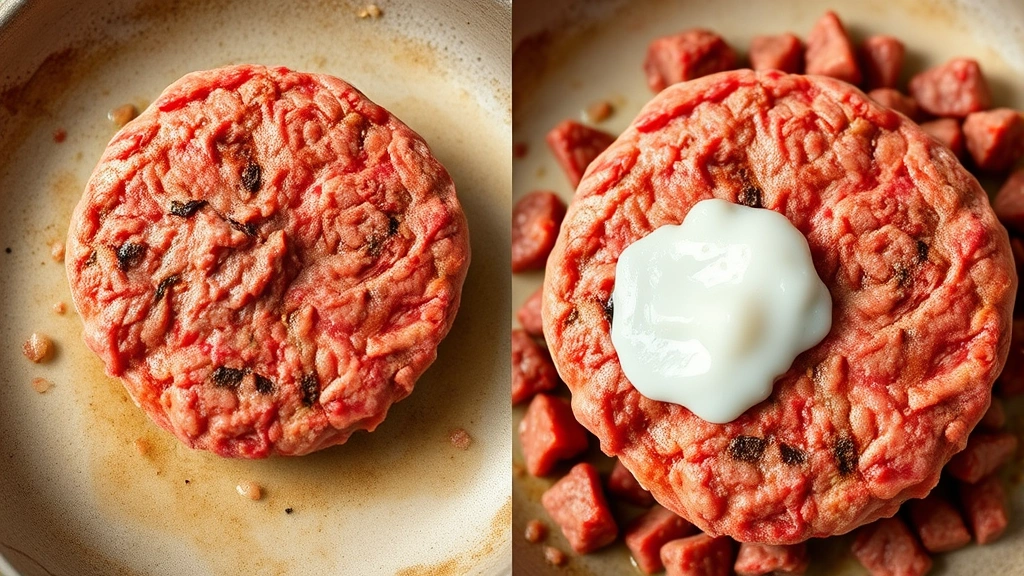
Nutritional Breakdown of 80/20 Ground Beef
A standard 3-ounce serving (about 85 grams) of cooked 80/20 ground beef contains approximately 180-200 calories, with the exact amount depending on cooking method and fat retention. The macronutrient profile breaks down roughly as follows: 22 grams of protein, 10 grams of fat, and negligible carbohydrates. This protein content makes it valuable for muscle maintenance, immune function, and tissue repair—essential components of any balanced diet.
The protein quality in ground beef is exceptional, containing all nine essential amino acids in optimal ratios. This complete protein profile makes 80/20 beef particularly beneficial for individuals engaging in regular exercise, older adults concerned about muscle loss, and anyone prioritizing adequate protein intake. Beyond protein, a serving delivers significant micronutrients including iron, zinc, selenium, and B vitamins—particularly B12, which is exclusively found in animal products.
Iron content deserves special attention. Ground beef provides heme iron, the highly bioavailable form that your body absorbs more efficiently than plant-based non-heme iron. A 3-ounce serving contains roughly 2.6 milligrams of iron, contributing meaningfully to daily requirements, particularly for menstruating women and vegetarians supplementing their diets.
Zinc, another critical micronutrient in 80/20 beef, supports immune function, wound healing, and protein synthesis. A single serving provides approximately 5-6 milligrams of this essential mineral. The B-vitamin complex, including B6, B12, niacin, and riboflavin, supports energy metabolism and neurological health—functions central to daily wellness.
Understanding Fat Content and Types
The 20% fat content in 80/20 ground beef comprises different fatty acid types, and this distinction matters considerably for health evaluation. Approximately 45% of the fat is monounsaturated (the “healthy” fat found in olive oil and avocados), 50% is saturated fat, and 5% is polyunsaturated fat. This composition means that roughly half the fat content aligns with heart-healthy recommendations, while the other half represents saturated fat that warrants moderation.
Saturated fat has long been associated with elevated LDL cholesterol levels, though recent nutritional science reveals a more nuanced picture. The American Heart Association recommends limiting saturated fat to 5-6% of daily calories (roughly 11-13 grams for a 2,000-calorie diet). A 3-ounce serving of 80/20 beef contains approximately 4 grams of saturated fat, representing roughly 20% of this daily recommendation for a single serving.
Importantly, beef contains stearic acid, a saturated fat that research suggests has neutral effects on cholesterol levels compared to other saturated fats. Additionally, ground beef provides conjugated linoleic acid (CLA), a fatty acid with potential anti-inflammatory properties, though research remains ongoing regarding its clinical significance in human health.
The fat in beef also facilitates absorption of fat-soluble vitamins (A, D, E, K), making 80/20 meat nutritionally superior to extremely lean options in this regard. When considering your overall how to improve nutrient absorption, the fat content actually enhances bioavailability of critical nutrients.
Health Implications for Regular Consumption
The health impact of regularly consuming 80/20 ground beef depends entirely on frequency, portion size, and overall dietary pattern. Research from Harvard School of Public Health’s nutrition research indicates that unprocessed red meat consumed in moderation (2-3 servings weekly) doesn’t significantly increase disease risk for most populations. The critical distinction exists between processed red meat (hamburger buns, sausages, deli meats) and unprocessed ground beef.
For cardiovascular health specifically, 80/20 beef presents a middle-ground option. Leaner varieties (90/10 or 93/7) reduce saturated fat intake, while fattier options (70/30) increase it substantially. The 80/20 ratio allows for flavorful cooking without excessive fat accumulation, making it practical for health-conscious consumers who don’t want to sacrifice taste entirely.
Individuals with existing cardiovascular disease, familial hypercholesterolemia, or high LDL cholesterol levels should consult healthcare providers about appropriate red meat consumption. For generally healthy adults without specific risk factors, moderate consumption of 80/20 ground beef fits comfortably within evidence-based dietary guidelines.
Cancer risk associations with red meat consumption warrant discussion. While processed red meat shows clearer associations with colorectal cancer risk, unprocessed ground beef shows weaker correlations. The World Health Organization classified processed red meat as a Group 1 carcinogen and unprocessed red meat as Group 2A (probably carcinogenic), yet this classification doesn’t mean regular consumption guarantees cancer development—rather, it indicates a statistical association when consumed in large quantities over extended periods.
Environmental and ethical considerations also influence health decisions for many consumers. Beef production involves significant greenhouse gas emissions and land use compared to plant-based proteins, factors that increasingly influence dietary choices among health-conscious individuals planning their meals. Consider exploring tips for meal planning that balance nutritional needs with environmental impact.
How 80/20 Compares to Other Meat Options
Comparing 80/20 ground beef to alternative proteins reveals important trade-offs. Ground turkey at 93/7 leanness provides similar protein (22g per 3oz) with only 6 grams of fat and 150 calories. However, turkey contains less iron and zinc than beef, and many consumers find it less flavorful without added fats or seasonings.
Chicken breast, another popular lean option, delivers 26 grams of protein with just 3 grams of fat per 3-ounce serving. Yet chicken provides negligible iron compared to beef and lacks the same micronutrient density. For individuals concerned primarily about saturated fat intake, chicken represents the superior choice nutritionally.
Ground beef at 90/10 reduces fat content to 9 grams while maintaining 22 grams of protein, making it a practical compromise for those wanting slightly lower fat without sacrificing beef’s nutritional benefits. The 85/15 option sits between 80/20 and 90/10, offering another middle-ground alternative.
Plant-based proteins like lentils and beans provide excellent protein alongside fiber and phytonutrients absent in meat. However, they lack complete amino acid profiles and contain non-heme iron with lower bioavailability. A balanced approach incorporating both plant and animal proteins optimizes nutritional intake—a principle central to any nutrition and mental health strategy emphasizing whole-food diversity.
Fish and seafood deserve mention as superior protein sources regarding cardiovascular health, offering omega-3 fatty acids absent in beef. However, cost, availability, and sustainability concerns limit fish consumption for many households, making 80/20 beef a practical alternative for regular protein intake.
Food Safety and Storage Considerations
Ground beef’s larger surface area compared to whole cuts increases pathogenic contamination risk, particularly for E. coli O157:H7. The 20% fat content in 80/20 beef doesn’t inherently affect food safety compared to leaner varieties, but proper handling remains critical. Ground beef should be refrigerated at 40°F or below and used within 1-2 days, or frozen for longer storage.
Cooking ground beef to an internal temperature of 160°F (71°C) eliminates harmful bacteria. Using a meat thermometer ensures food safety more reliably than color assessment. The slightly higher fat content in 80/20 beef helps retain moisture during cooking, actually making it more forgiving for home cooks who might accidentally overcook leaner varieties.
Cross-contamination prevention matters as much as meat quality. Washing hands, utensils, and cutting boards after handling raw beef prevents pathogen spread. Keeping raw meat separate from ready-to-eat foods throughout storage and preparation protects household food safety.
Sourcing considerations increasingly influence purchasing decisions. Grass-fed beef contains higher levels of omega-3 fatty acids and conjugated linoleic acid compared to grain-fed varieties, though nutritional differences remain modest. Certified organic beef eliminates antibiotic and synthetic pesticide exposure, factors some consumers prioritize regardless of direct health impact.
Cooking Methods That Maximize Health Benefits
How you prepare 80/20 ground beef significantly impacts its healthfulness. High-heat cooking methods like grilling or pan-searing at very high temperatures produce heterocyclic amines (HCAs) and polycyclic aromatic hydrocarbons (PAHs)—compounds potentially linked to cancer risk when consumed in large quantities. Marinating beef before cooking, keeping temperatures moderate, and avoiding charring reduces HCA formation substantially.
Slow-cooking methods like braising or stewing at lower temperatures minimize HCA production while maintaining nutrient content. The slightly higher fat content in 80/20 beef makes it ideal for slow-cooking applications where fat contributes to flavor and texture without added oils.
Draining excess fat after browning ground beef reduces saturated fat intake by 10-15 grams per serving, making this simple step valuable for health-conscious consumers. This technique works particularly well with 80/20 beef, which renders sufficient fat for browning without excessive pooling.
Combining ground beef with vegetables increases fiber intake and nutrient density substantially. Mixing 80/20 beef with finely chopped mushrooms, onions, and peppers reduces overall fat and calorie density while boosting micronutrient content—a strategy valuable for anyone managing weight or health conditions.
Seasoning with herbs and spices rather than heavy sauces enhances flavor while adding bioactive compounds. Garlic, rosemary, and turmeric provide anti-inflammatory benefits without additional calories or sodium, supporting overall health outcomes from your beef consumption.
Integrating 80/20 into a Balanced Diet
Rather than viewing 80/20 ground beef as inherently healthy or unhealthy, consider it a nutritious protein source that fits appropriately into most balanced eating patterns. The healthy nutrition plan approach involves variety, moderation, and alignment with individual health goals.
For individuals prioritizing cardiovascular health, consuming 80/20 beef 2-3 times weekly represents reasonable moderation. Pairing each serving with generous vegetables, whole grains, and healthy fats (olive oil, nuts, avocados—similar to the nutrients found in nutrition facts about avocados) creates balanced meals supporting long-term health.
Athletes and active individuals benefit from 80/20 beef’s protein and micronutrient density, potentially consuming it more frequently (4-5 times weekly) without health concern. The iron and zinc support recovery and performance, while complete amino acids facilitate muscle adaptation to training stress.
Older adults concerned about maintaining muscle mass find 80/20 beef particularly valuable. The combination of complete protein, bioavailable iron, and zinc supports aging-related nutritional needs effectively. Regular consumption (3-4 times weekly) combined with resistance exercise helps prevent age-related muscle loss.
Individuals with diabetes or metabolic syndrome should monitor portion sizes and pair beef with fiber-rich vegetables and whole grains to minimize blood sugar impact. The protein and fat in 80/20 beef slows carbohydrate digestion, actually supporting stable blood glucose when combined with appropriate carbohydrate sources.
Budget-conscious households find 80/20 ground beef economical compared to premium cuts or specialty proteins. Its versatility in recipes—from tacos and burgers to meatballs and casseroles—makes it practical for diverse meal planning approaches accommodating various family preferences and dietary needs.
FAQ
Is 80/20 hamburger meat bad for your cholesterol?
80/20 ground beef contains saturated fat that can modestly elevate LDL cholesterol in some individuals, though the effect varies considerably based on genetics and overall diet. For people with healthy cholesterol levels, moderate consumption (2-3 servings weekly) typically produces minimal impact. Those with existing cholesterol concerns should consult healthcare providers about appropriate red meat consumption and consider leaner varieties.
How often is it safe to eat 80/20 ground beef?
Most healthy adults can safely consume 80/20 ground beef 2-4 times weekly without adverse health effects. This frequency aligns with major dietary guidelines recommending moderate red meat consumption. Individuals with specific health conditions should follow personalized medical recommendations rather than general guidelines.
Does 80/20 ground beef provide enough iron?
Yes, a 3-ounce serving provides approximately 2.6 milligrams of highly bioavailable heme iron, contributing meaningfully to daily requirements. This makes 80/20 beef particularly valuable for individuals at risk of iron deficiency, including vegetarians and menstruating women.
Is grass-fed 80/20 beef healthier than conventional?
Grass-fed beef contains slightly higher omega-3 fatty acids and conjugated linoleic acid compared to grain-fed varieties. However, nutritional differences remain modest, and both provide excellent protein and micronutrients. Choice between them often depends on budget, environmental values, and personal preference rather than significant health advantages.
Can 80/20 ground beef fit into a weight loss diet?
Yes, 80/20 beef can support weight loss when consumed in appropriate portions (3-4 ounces) paired with vegetables and whole grains. The protein content promotes satiety, reducing overall calorie intake. Draining excess fat after cooking further reduces calories without sacrificing nutritional value.
What’s the difference between 80/20 and 90/10 ground beef nutritionally?
90/10 beef contains approximately 1-2 fewer grams of fat and 20-30 fewer calories per serving, with slightly less saturated fat. Protein content remains essentially identical. The choice depends on individual health goals and cooking preferences—80/20 offers more flavor and better browning, while 90/10 suits those prioritizing minimal fat intake.


