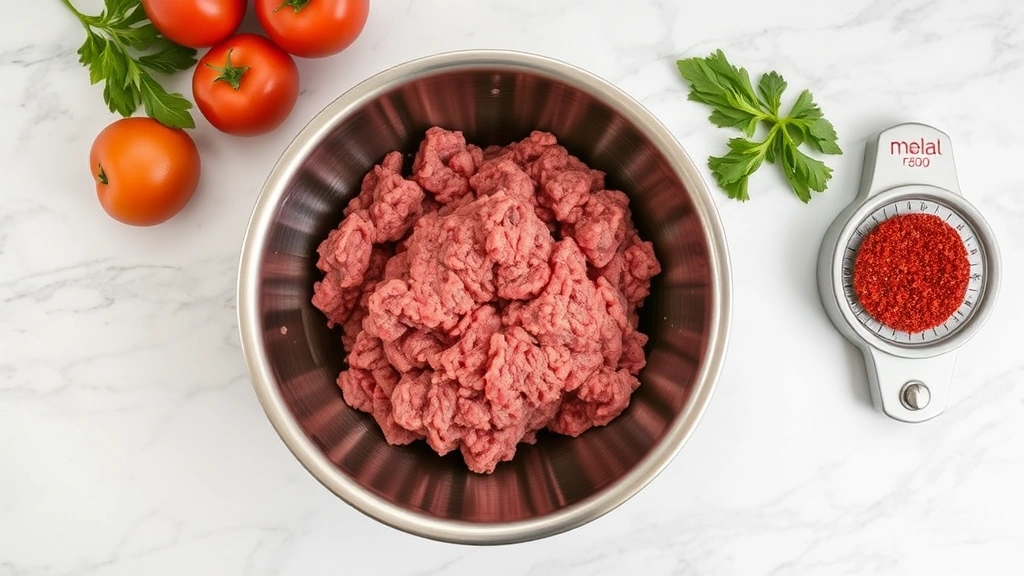
85/15 Ground Beef: Dietitian’s Nutritional Breakdown
Ground beef with an 85/15 lean-to-fat ratio represents one of the most versatile and nutrient-dense protein sources available to health-conscious consumers. This specific ratio—85% lean meat and 15% fat—strikes an optimal balance between nutritional density and culinary functionality, making it a staple in kitchens worldwide. Understanding the complete nutritional profile of 85/15 ground beef empowers you to make informed dietary choices aligned with your health goals, whether you’re building muscle, managing weight, or simply maintaining overall wellness.
The 85/15 ground beef ratio has gained considerable attention among nutrition professionals and fitness enthusiasts alike. Unlike leaner varieties that can become dry during cooking, this proportion maintains adequate fat content for flavor and moisture retention while delivering substantial protein and essential micronutrients. This article provides a comprehensive dietitian-reviewed breakdown of what makes 85/15 ground beef a valuable dietary component, how it compares to other beef options, and practical guidance for incorporating it into a balanced nutrition plan.
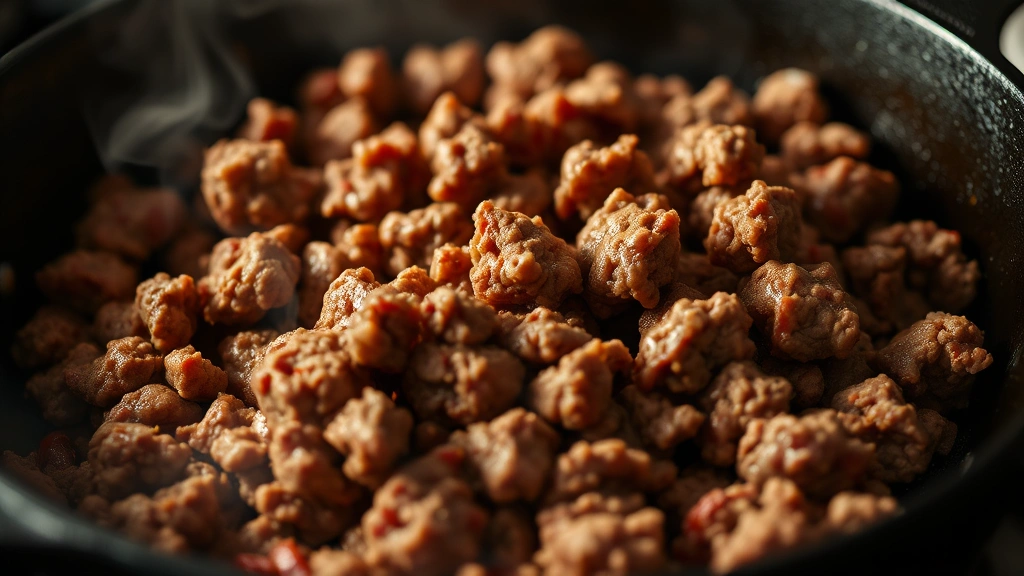
Macronutrient Profile of 85/15 Ground Beef
A standard 3.5-ounce (100-gram) serving of raw 85/15 ground beef contains approximately 215 calories, with macronutrient distribution that makes it particularly valuable for protein-focused nutrition strategies. The protein content sits at roughly 21 grams per serving, providing substantial amino acid support for muscle synthesis, immune function, and tissue repair. This protein density means 85/15 ground beef delivers approximately 8.4 calories per gram of protein, a favorable ratio compared to many processed protein sources.
Fat content in 85/15 ground beef comprises approximately 13 grams per 100-gram serving, representing about 60% of the total calories from fat sources. This fat percentage is significant because it influences both the nutritional profile and the cooking characteristics of the meat. The remaining macronutrient composition includes negligible carbohydrates—typically less than 0.5 grams per serving—making ground beef an excellent choice for low-carbohydrate nutrition approaches.
When cooked, the macronutrient profile shifts slightly due to fat rendering during the cooking process. Pan-browned 85/15 ground beef typically shows reduced fat content compared to raw meat, as much of the fat drains away. However, the protein content remains relatively stable, making cooked ground beef an even more protein-concentrated option. For individuals following athletic nutrition protocols, this protein stability during cooking makes 85/15 ground beef particularly practical for meal preparation.
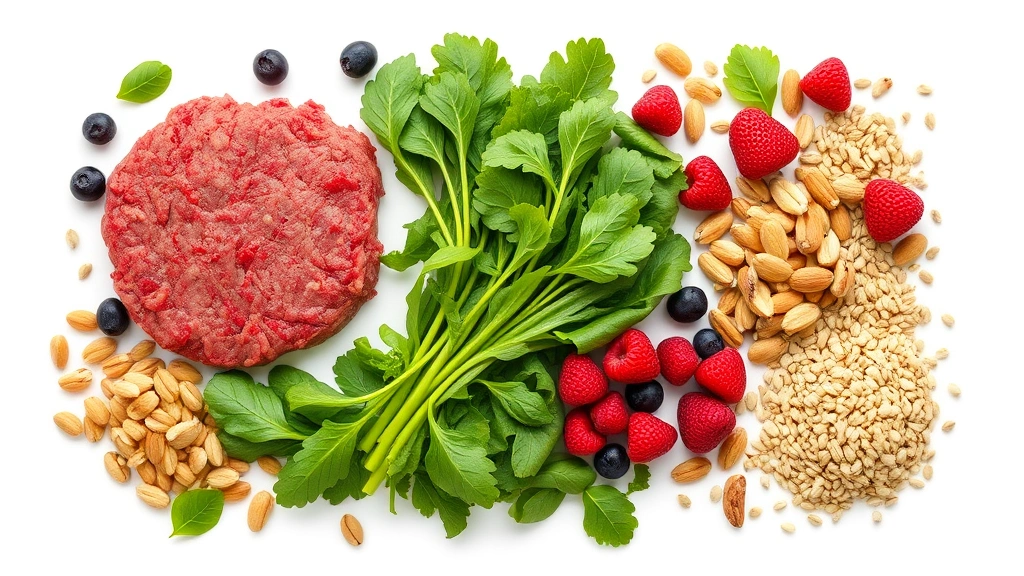
Micronutrient and Mineral Content
Beyond macronutrients, 85/15 ground beef delivers an impressive array of essential micronutrients and minerals that support comprehensive health functions. Iron content in ground beef is particularly notable, with a 100-gram serving providing approximately 2.6 milligrams of highly bioavailable heme iron. This form of iron demonstrates superior absorption rates compared to non-heme iron sources found in plant-based foods, with absorption rates reaching 15-35% compared to 2-20% for plant sources.
Zinc represents another critical mineral abundant in ground beef, with approximately 6 milligrams per 100-gram serving. Zinc supports immune function, protein synthesis, wound healing, and DNA synthesis. The bioavailability of zinc from meat sources exceeds that of plant-based zinc, making beef an exceptionally efficient zinc provider. This mineral becomes particularly important for individuals whose dietary patterns might otherwise limit zinc intake.
Ground beef also provides substantial B-vitamin content, including vitamin B12 (cobalamin), which is exclusively available from animal sources. A 100-gram serving delivers approximately 1.5 micrograms of B12, covering roughly 25% of the recommended daily intake for adults. Vitamin B12 supports neurological function, red blood cell formation, and DNA synthesis. Additionally, ground beef contains significant quantities of niacin (vitamin B3), riboflavin (vitamin B2), and pyridoxine (vitamin B6), which collectively support energy metabolism and nervous system function.
Selenium content in ground beef reaches approximately 27 micrograms per 100-gram serving, contributing meaningfully to antioxidant defense systems and thyroid hormone metabolism. This mineral works synergistically with vitamin E to protect cellular structures from oxidative damage. The mineral profile of 85/15 ground beef demonstrates why it remains a cornerstone of nutrient-dense dietary approaches.
Fat Composition and Health Implications
The fat content in 85/15 ground beef warrants detailed examination, as fat quality significantly influences health outcomes. Ground beef fat comprises approximately 40% saturated fat, 50% monounsaturated fat, and 10% polyunsaturated fat. This composition means that a 100-gram serving contains roughly 5.2 grams of saturated fat, 6.5 grams of monounsaturated fat, and 1.3 grams of polyunsaturated fat.
The saturated fat content has historically generated nutritional debate, though contemporary research presents a more nuanced perspective than earlier dietary guidelines suggested. A comprehensive analysis published through Harvard School of Public Health’s Nutrition Source indicates that the relationship between beef consumption and cardiovascular risk depends significantly on overall dietary patterns and lifestyle factors rather than beef consumption alone.
Monounsaturated fats in ground beef, particularly oleic acid, demonstrate cardiovascular benefits similar to those found in olive oil. These fats support healthy cholesterol profiles and reduce inflammation markers when consumed within balanced dietary frameworks. The polyunsaturated fat content, though modest, includes small quantities of omega-6 and omega-3 fatty acids, though the ratio skews toward omega-6. Individuals concerned about omega-3 to omega-6 ratios may consider pairing ground beef with omega-3 rich foods like fatty fish or flaxseeds.
Ground beef from grass-fed cattle demonstrates a slightly different fat composition compared to grain-fed beef, with marginally higher omega-3 content and conjugated linoleic acid (CLA). While these differences are modest, they may provide additional health benefits for those prioritizing grass-fed sources. Research from the USDA National Agricultural Library continues to examine these compositional differences in detail.
Comparison With Other Ground Beef Ratios
Understanding how 85/15 ground beef compares to other commonly available ratios provides valuable context for dietary decision-making. The 90/10 ratio contains only 10% fat and approximately 10 grams of fat per 100-gram serving, offering increased protein concentration but reduced moisture during cooking. The 90/10 option suits individuals strictly limiting fat intake, though the resulting texture can become less palatable without careful preparation.
Conversely, 80/20 ground beef contains 20% fat (approximately 16 grams per 100-gram serving) and delivers slightly more calories but enhanced flavor and cooking performance. The 80/20 ratio works exceptionally well for burgers and dishes where fat retention matters. Ground beef labeled as 73/27 contains substantially more fat and suits applications like traditional meatloaf recipes where moisture is essential.
The 85/15 ratio occupies an optimal middle ground, providing superior flavor compared to 90/10 while maintaining better fat control than 80/20. For individuals following balanced nutrition plans that don’t restrict fat severely, 85/15 offers practical versatility. Many nutrition professionals recommend this ratio as an ideal compromise between nutritional goals and culinary satisfaction.
Protein Quality and Amino Acid Profile
The 21 grams of protein per 100-gram serving of 85/15 ground beef represents complete protein, containing all nine essential amino acids in optimal proportions. This completeness makes ground beef particularly valuable for individuals unable to combine complementary protein sources throughout daily meals. The amino acid profile includes approximately 1.8 grams of leucine per 100-gram serving, an amino acid particularly important for stimulating muscle protein synthesis.
Leucine, along with isoleucine and valine (the branched-chain amino acids), plays a central role in activating mTOR pathway signaling, which initiates muscle protein building processes. Research examining protein quality metrics consistently ranks beef among the highest-scoring sources, with Protein Digestibility-Corrected Amino Acid Score (PDCAAS) ratings of 0.92 or higher. This score indicates that nearly all amino acids in beef are digestible and available for utilization by human tissues.
The creatine content in ground beef deserves mention, as this compound supports phosphocreatine buffering systems important for high-intensity exercise performance. While smaller quantities exist in plant sources, beef provides readily available dietary creatine without requiring conversion from precursor compounds. This characteristic makes ground beef particularly valuable for individuals engaged in resistance training or high-intensity interval exercise.
Saturated Fat Considerations
The saturated fat content in 85/15 ground beef (approximately 5.2 grams per 100-gram serving) requires thoughtful consideration within overall dietary context. Current American Heart Association guidelines suggest limiting saturated fat to less than 10% of total daily calories, which translates to approximately 16-22 grams daily for a 1,600-2,000 calorie diet. A single 100-gram serving of 85/15 ground beef provides roughly 25-32% of this recommended maximum.
However, emerging research suggests the relationship between saturated fat consumption and cardiovascular health is more complex than initially understood. A meta-analysis published in the American Journal of Clinical Nutrition found that the association between saturated fat intake and cardiovascular disease risk was not statistically significant when other dietary factors were controlled. This finding suggests that replacing saturated fat with refined carbohydrates may not provide health benefits, contrary to earlier recommendations.
The type of saturated fat matters significantly. Ground beef contains stearic acid (approximately 30% of total saturated fat), which the body converts to oleic acid—a heart-healthy monounsaturated fat. Additionally, ground beef contains palmitic acid and myristic acid, with varying cardiovascular effects. The saturated fat profile in ground beef differs meaningfully from that in processed meats, which often contain different fatty acid compositions and harmful additives.
Practical Cooking and Preparation Tips
Maximizing the nutritional benefits of 85/15 ground beef requires appropriate cooking methods. Pan-browning over medium-high heat represents the most common approach, allowing fat to render while developing flavor through the Maillard reaction. Browning ground beef thoroughly destroys pathogenic bacteria while concentrating flavors through moisture reduction. Most cooks drain rendered fat after browning, reducing fat content by approximately 25-30% compared to raw meat.
For individuals seeking to minimize fat content further, crumbling ground beef finely during cooking increases surface area exposure, allowing more fat to separate and drain away. This technique can reduce total fat content to levels approaching 90/10 beef while retaining superior flavor compared to purchasing leaner varieties. Ground beef browned using this method suits applications like chili, pasta sauce, and taco fillings where texture variation doesn’t matter.
Temperature control matters for food safety and nutritional preservation. Ground beef should reach an internal temperature of 160°F (71°C) to eliminate harmful pathogens including E. coli and Salmonella. Using a meat thermometer ensures proper cooking without overcooking, which can create excessive oxidation of nutrients. Overcooking ground beef beyond 160°F doesn’t provide additional safety benefits while potentially reducing B-vitamin content through heat degradation.
Freezing ground beef presents minimal nutritional concerns when proper techniques are employed. Vacuum-sealed ground beef maintains quality for 3-4 months in standard freezers, with minimal oxidative degradation of fats. Thawing in refrigeration overnight rather than at room temperature preserves bacterial safety while maintaining optimal texture.
Integration Into Dietary Plans
Incorporating 85/15 ground beef into comprehensive nutrition strategies requires consideration of overall dietary composition. For individuals following calorie-controlled approaches, a 100-gram serving represents approximately 215 calories, fitting readily into most meal plans. The high protein content supports satiety, helping individuals maintain caloric deficits without excessive hunger.
In ketogenic or low-carbohydrate dietary approaches, 85/15 ground beef provides an excellent protein foundation without carbohydrate concerns. The fat content aligns well with ketogenic macronutrient targets, supporting ketone production while delivering satiety-promoting fatty acids. A typical ketogenic meal might feature 150-200 grams of ground beef combined with low-carbohydrate vegetables and healthy fats.
For individuals prioritizing muscle development, ground beef delivers the complete amino acid profile necessary for muscle protein synthesis. Consuming 25-40 grams of protein per meal (roughly 120-190 grams of ground beef) following resistance training optimizes muscle-building responses. The creatine and micronutrient content further supports training adaptations and recovery processes.
Plant-based eaters considering occasional animal product inclusion find 85/15 ground beef a practical choice, as its nutrient density allows smaller portions to deliver substantial nutritional benefits. A 75-100 gram serving provides meaningful B12, iron, and zinc, addressing potential nutritional gaps in predominantly plant-based diets.
Ground beef also suits meal preparation strategies effectively. Browning large batches on weekends and portioning into containers enables convenient protein access throughout the week. Ground beef maintains quality for 3-4 days refrigerated or several months frozen, supporting consistent dietary adherence.
FAQ
How many calories are in 85/15 ground beef?
A 100-gram (3.5-ounce) serving of raw 85/15 ground beef contains approximately 215 calories. Cooked ground beef shows slightly reduced calories due to fat rendering, typically ranging from 180-200 calories per 100-gram serving depending on cooking method and fat drainage.
Is 85/15 ground beef healthy?
Yes, 85/15 ground beef qualifies as a nutritious food choice when consumed within balanced dietary patterns. It provides complete protein, bioavailable minerals including iron and zinc, B-vitamins, and selenium. The fat content, while moderate in saturated fat, includes beneficial monounsaturated fats. Individual health status, dietary goals, and overall dietary patterns determine whether ground beef fits appropriately into specific nutrition plans.
What’s the difference between 85/15 and 90/10 ground beef?
The primary difference is fat content: 85/15 contains 15% fat (approximately 13 grams per 100 grams) while 90/10 contains 10% fat (approximately 8 grams per 100 grams). The 85/15 option provides superior moisture and flavor during cooking, while 90/10 offers slightly higher protein concentration by weight. The caloric difference amounts to approximately 30 calories per 100-gram serving.
Can I eat 85/15 ground beef daily?
Daily ground beef consumption is feasible within balanced nutrition plans. However, dietary variety ensures comprehensive micronutrient intake from diverse sources. Consuming 85/15 ground beef 4-5 times weekly while incorporating other protein sources like poultry, fish, legumes, and dairy provides broader nutrient diversity. Individual factors including cholesterol levels, cardiovascular health status, and kidney function should guide frequency decisions.
Does cooking method affect the nutritional value?
Cooking methods influence final nutritional composition. Pan-browning reduces fat content through rendering and drainage, while grilling or broiling allow fat to drain away through grates. Baking or steaming in covered containers retains more fat. High-heat cooking methods may reduce some heat-sensitive B-vitamins slightly, though mineral content remains stable. Proper cooking temperature (160°F internal) ensures food safety without excessive nutrient degradation.
Is grass-fed 85/15 ground beef more nutritious?
Grass-fed ground beef demonstrates marginally higher omega-3 fatty acid content and slightly elevated conjugated linoleic acid (CLA) compared to grain-fed varieties. These differences, while measurable, are relatively modest. Both grass-fed and grain-fed 85/15 ground beef provide excellent nutritional profiles. Individual preferences regarding sustainability, taste, and cost should guide selection between varieties.


