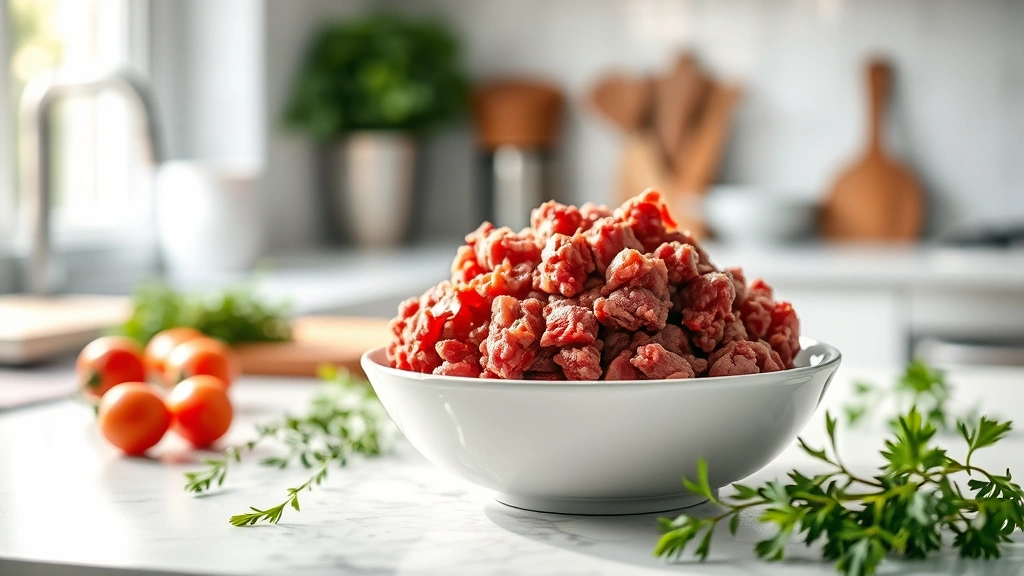
Is 85/15 Ground Beef Healthy? Expert Analysis
Ground beef remains one of America’s most versatile and affordable protein sources, yet consumers often debate whether the 85/15 lean-to-fat ratio represents a genuinely healthy choice. The answer isn’t as straightforward as fat content alone—it depends on your nutritional goals, dietary context, and how you prepare the meat. This comprehensive analysis examines the nutritional profile, health implications, and practical considerations of 85/15 ground beef to help you make informed dietary decisions.
The 85/15 designation means the product contains 85% lean meat and 15% fat by weight. This middle-ground option sits between ultra-lean varieties (93/7 or 96/4) and fattier cuts (80/20 or 73/27). Understanding what this ratio means nutritionally and how it fits into a balanced diet requires looking beyond simple percentages to examine saturated fat content, micronutrients, cooking methods, and portion sizes.
Nutritional Breakdown of 85/15 Ground Beef
A 3-ounce cooked serving of 85/15 ground beef contains approximately 200 calories, with 22 grams of protein and 11 grams of total fat. This macronutrient composition makes it a protein-dense option suitable for various dietary approaches. The protein content alone positions ground beef as an efficient source of amino acids necessary for muscle maintenance, immune function, and tissue repair.
The 11 grams of fat per serving breaks down into roughly 4.5 grams of saturated fat, 5 grams of monounsaturated fat, and 0.5 grams of polyunsaturated fat. This distribution is important because not all fats affect cardiovascular health equally. The presence of monounsaturated fats—the type also found in olive oil and avocados—suggests that 85/15 ground beef isn’t purely a saturated fat delivery vehicle.
Cholesterol content sits around 75 milligrams per 3-ounce serving, which represents about 25% of the daily recommended value. While dietary cholesterol was once considered universally problematic, current American Heart Association guidance recognizes that dietary cholesterol’s impact on blood cholesterol varies significantly among individuals. For most people, saturated fat intake matters more than cholesterol consumption.
Saturated Fat and Heart Health
The saturated fat content in 85/15 ground beef represents the primary health consideration for cardiovascular-conscious consumers. At 4.5 grams per serving, a single 3-ounce portion contributes roughly 22% of the daily recommended saturated fat limit (20 grams for a 2,000-calorie diet). This isn’t insignificant, but it’s manageable within a broader dietary context.
Research from Harvard School of Public Health’s Nutrition Source indicates that the relationship between red meat consumption and heart disease risk depends heavily on total intake frequency and portion size rather than occasional consumption of moderately fatty cuts. The key distinction lies between regular daily consumption and occasional inclusion as part of a varied diet.
Individuals following a healthy nutrition plan can incorporate 85/15 ground beef by balancing it with other protein sources. Alternating between ground beef, poultry, fish, and plant-based proteins distributes saturated fat intake across the week, reducing cardiovascular risk. The American Heart Association recommends limiting red meat to no more than 2-3 servings per week, making 85/15 ground beef a viable option within these parameters.
The specific type of saturated fat matters as well. Ground beef contains stearic acid, a saturated fat that research suggests has neutral or slightly beneficial effects on cholesterol levels compared to other saturated fats. This nuance gets lost in simple “avoid all saturated fat” messaging but proves important when evaluating whether 85/15 ground beef fits your dietary needs.
Protein Quality and Muscle Building
Ground beef’s primary nutritional advantage is its exceptional protein quality. At 22 grams of complete protein per 3-ounce serving, 85/15 ground beef provides all nine essential amino acids in optimal ratios for human utilization. This makes it particularly valuable for individuals focused on nutrition for athletes optimizing performance through diet.
The amino acid leucine, which plays a crucial role in muscle protein synthesis, appears in particularly high concentrations in beef. This makes ground beef especially effective for muscle building and recovery compared to some plant-based protein sources. For individuals over 40, whose bodies become less efficient at building muscle, this protein quality becomes increasingly important.
The protein digestibility-corrected amino acid score (PDCAAS) for beef is 1.0, the highest possible rating, indicating complete and highly absorbable protein. This contrasts with many plant-based proteins that score lower, requiring larger portions or combination with complementary proteins to achieve equivalent amino acid profiles.
Athletes and individuals engaged in resistance training can derive significant benefit from including 85/15 ground beef in their diet. The cost-effectiveness relative to other complete protein sources makes it particularly practical for budget-conscious fitness enthusiasts. Whether you’re focused on optimizing performance through diet or simply maintaining lean muscle mass, ground beef offers demonstrable advantages.
Essential Micronutrients
Beyond macronutrients, 85/15 ground beef delivers an impressive array of micronutrients often overlooked in simple nutritional assessments. A single 3-ounce serving provides approximately 25% of the daily recommended value for iron, particularly the highly bioavailable heme iron that the body absorbs more efficiently than plant-based non-heme iron.
Ground beef also supplies significant quantities of B vitamins, especially B12, which appears exclusively in animal products and proves essential for neurological function and red blood cell formation. A 3-ounce serving delivers roughly 40% of the daily B12 recommendation. For individuals following plant-based diets, this highlights why some nutritionists recommend occasional inclusion of animal products or reliable supplementation.
Zinc content in ground beef reaches approximately 35% of the daily value per serving, supporting immune function, wound healing, and protein synthesis. Selenium, phosphorus, and niacin also appear in meaningful quantities. This micronutrient density explains why lean ground beef has long been considered a nutritional foundation in traditional dietary approaches.
The combination of complete protein, bioavailable iron, B12, and zinc makes 85/15 ground beef particularly valuable for individuals at risk of nutrient deficiencies, including vegetarians incorporating occasional animal products, athletes with elevated micronutrient demands, and older adults with reduced nutrient absorption capacity.
Cooking Methods Matter
How you prepare 85/15 ground beef significantly impacts its healthfulness. Cooking method affects fat content, nutrient retention, and the formation of potentially harmful compounds. Grilling, broiling, or pan-frying with minimal added fat allows excess fat to drain away, reducing the final fat content by 15-25% depending on technique.
Simmering ground beef in soups or stews offers another advantage: the fat can be skimmed from the cooled liquid surface, further reducing saturated fat intake without sacrificing flavor or nutrient density. This technique proves particularly useful when making dishes like chili or bolognese sauce.
High-temperature cooking methods like grilling create compounds called heterocyclic amines (HCAs) and polycyclic aromatic hydrocarbons (PAHs) that some research links to health concerns. Marinating ground beef in herbs and spices before cooking, keeping temperatures moderate, and avoiding charring can minimize these compound formation. Pairing beef with nutrition facts about avocados or other antioxidant-rich foods may provide additional protective benefits.
Ground beef cooked in excess oil or butter adds unnecessary calories and fat beyond the meat’s natural content. Using non-stick cookware or cooking spray instead preserves nutritional benefits while reducing overall fat intake. The preparation method can transform 85/15 ground beef from a moderately fatty option to a relatively lean protein source.
How 85/15 Compares to Other Ratios
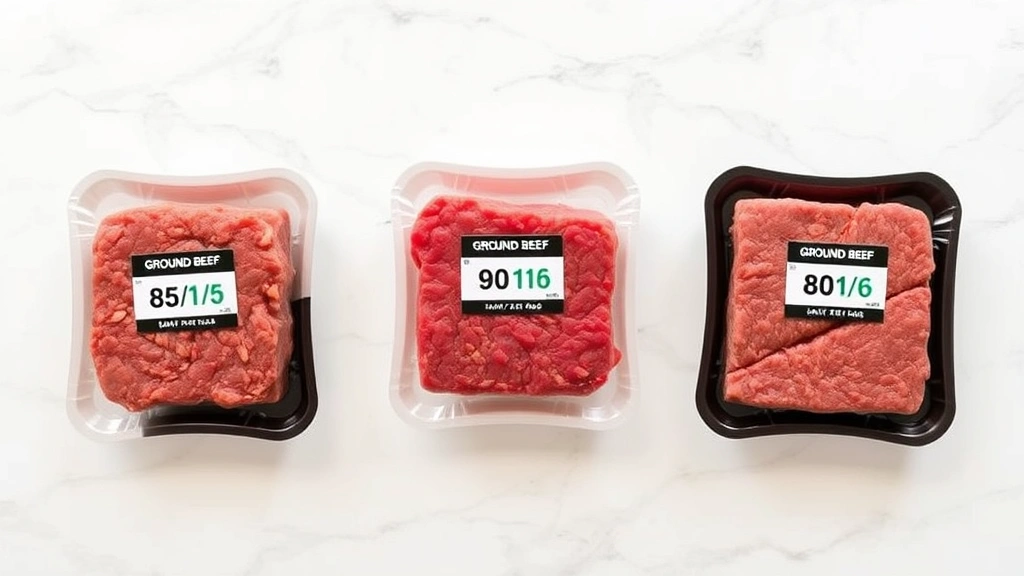
Understanding where 85/15 sits in the spectrum of ground beef options provides valuable context. Ultra-lean 96/4 ground beef contains only 5 grams of fat and 2 grams of saturated fat per 3-ounce serving, making it the choice for those strictly limiting fat intake. However, the reduced fat content affects flavor and moisture, often resulting in drier, less satisfying dishes.
The 90/10 ratio represents a middle ground, offering 7 grams of fat and 2.8 grams of saturated fat per serving. This option works well for those seeking lower fat content while maintaining better flavor than ultra-lean varieties. It’s particularly popular among health-conscious consumers and fits easily into low-fat dietary approaches.
Moving toward fattier options, 80/20 ground beef contains 15 grams of fat and 6 grams of saturated fat per serving. This ratio provides superior flavor and moisture retention, making it ideal for burgers and dishes where fat content enhances the final product. The trade-off involves higher calorie and fat content that may not suit all dietary goals.
The 85/15 ratio occupies the practical middle ground, offering reasonable fat content for health-conscious consumers while maintaining superior flavor compared to leaner options. It represents a balanced choice for those unwilling to sacrifice taste entirely but concerned about excessive fat intake. For most people following a healthy nutrition plan, this ratio provides the best compromise between nutritional goals and culinary satisfaction.
Integrating into Balanced Nutrition
The healthfulness of 85/15 ground beef ultimately depends on how it fits into your overall dietary pattern. For individuals consuming three servings weekly or less as part of a diet rich in vegetables, whole grains, and varied protein sources, 85/15 ground beef poses no significant health concerns and provides substantial nutritional benefits.
Pairing ground beef with fiber-rich vegetables and whole grains creates nutritionally complete meals that balance the saturated fat content with other beneficial nutrients. A burger on a whole wheat bun with vegetable toppings, for instance, becomes a more balanced meal than ground beef alone. This approach aligns with dietary guidance from major health organizations.
For individuals managing specific health conditions like heart disease or high cholesterol, consulting with a healthcare provider or registered dietitian ensures ground beef consumption aligns with personalized medical recommendations. Some individuals benefit from the nutrient density of beef even with cardiovascular concerns, while others require more restrictive approaches.
Including the benefits of omega-3 fatty acids through fish consumption, combined with occasional 85/15 ground beef, creates dietary balance that supports cardiovascular health while providing complete protein sources. This varied approach offers more nutritional completeness than restricting yourself to a single protein source.
Portion control matters significantly. A 3-ounce serving represents the standard nutritional reference, but many people consume larger portions. Being mindful of serving sizes allows you to enjoy ground beef’s nutritional benefits while managing overall fat and calorie intake effectively.
Individuals focused on improving digestion benefit from the zinc and B vitamins in ground beef, which support digestive enzyme production and nutrient absorption. The heme iron in beef also proves easier to digest than supplemental iron, making it a practical choice for those with absorption concerns.
FAQ
Is 85/15 ground beef better than 90/10?
Both options offer health benefits with different trade-offs. The 85/15 ratio provides superior flavor and moisture with only slightly more fat (approximately 2 grams additional saturated fat per serving). For most people, 85/15 offers the better balance of nutrition and palatability. The 90/10 option suits those strictly limiting fat intake, but may result in drier, less satisfying dishes that discourage regular consumption of this nutritious food.
How often can I safely eat 85/15 ground beef?
Most health organizations recommend limiting red meat to 2-3 servings weekly. Within these parameters, 85/15 ground beef fits comfortably into a healthy diet. Individual recommendations may vary based on personal health status, family history, and overall dietary patterns. Those with cardiovascular concerns should discuss specific consumption levels with their healthcare provider.
Does the cooking method really affect ground beef’s healthfulness?
Yes, significantly. Grilling or pan-frying allows fat to drain away, reducing final fat content by 15-25%. High-temperature cooking creates compounds that some research links to health concerns, but marinating, moderate temperatures, and avoiding charring minimize these effects. Simmering in soups allows fat skimming, further reducing saturated fat content without sacrificing nutrients.
Can I include 85/15 ground beef in a heart-healthy diet?
Yes, when consumed in appropriate portions and frequency. The saturated fat content becomes manageable when limited to 2-3 servings weekly and balanced with plenty of vegetables, whole grains, and other protein sources. For specific guidance on your individual situation, consult with a cardiologist or registered dietitian familiar with your complete health profile.
What makes 85/15 ground beef’s protein so valuable?
Ground beef provides complete protein containing all nine essential amino acids in optimal ratios for human utilization. Its high leucine content particularly supports muscle protein synthesis, making it especially valuable for athletes and older adults. The PDCAAS score of 1.0 (the maximum) indicates superior protein quality compared to many alternative sources.
Is the cholesterol in ground beef a concern?
Modern research indicates that dietary cholesterol affects blood cholesterol less significantly than previously believed, with saturated fat intake proving more important for most people. The 75 milligrams of cholesterol per 3-ounce serving represents a modest amount that poses no concern for most individuals when consumed as part of a balanced diet.


