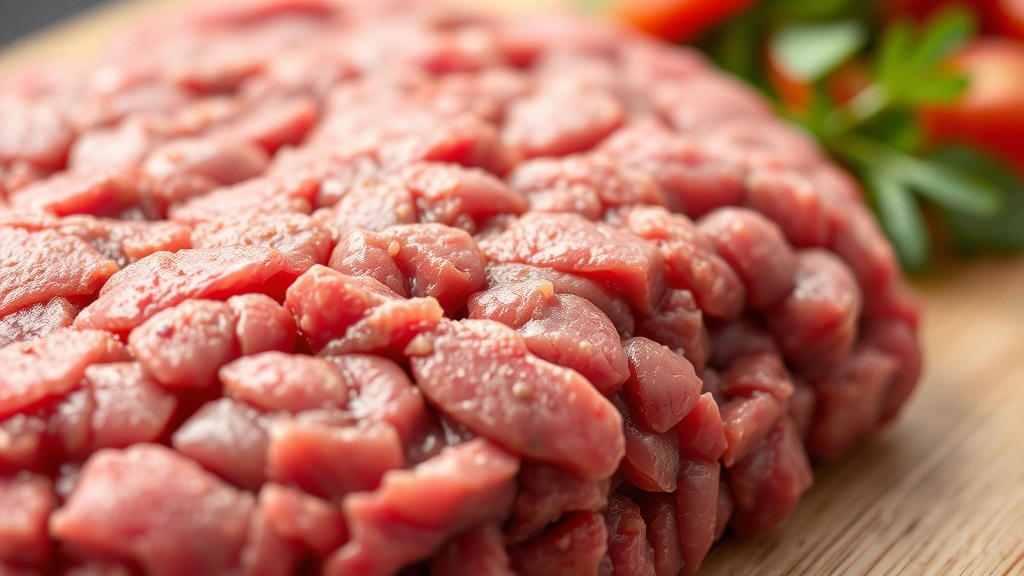
93/7 Ground Beef Benefits: Expert Insights on Nutrition and Health Impact
Ground beef remains one of America’s most versatile and protein-rich protein sources, but the ratio of fat to lean meat matters significantly for your dietary goals. The 93/7 blend—containing 93% lean meat and 7% fat—represents a middle ground between ultra-lean options and traditional 80/20 ground beef. Understanding the nutritional profile, cooking applications, and health implications of this specific ratio can help you make informed decisions about incorporating it into your healthy nutrition plan.
This comprehensive guide explores what makes 93/7 ground beef a practical choice for health-conscious consumers, examining the science behind its composition, comparing it to other ground beef ratios, and providing expert recommendations for maximizing its nutritional benefits. Whether you’re following a specific dietary protocol, managing your weight, or simply seeking better nutrition information, the details about 93/7 ground beef can significantly impact your meal planning and overall wellness strategy.
Nutritional Profile of 93/7 Ground Beef
A 3.5-ounce (100-gram) serving of 93/7 ground beef provides approximately 170-180 calories, making it a calorie-conscious protein source compared to fattier varieties. The macronutrient breakdown reveals roughly 22-24 grams of protein per serving, positioning it as an excellent choice for muscle maintenance, recovery, and satiety. The fat content sits around 7-8 grams per serving, of which approximately 3 grams come from saturated fat and 3 grams from monounsaturated fat.
Beyond macronutrients, 93/7 ground beef delivers essential micronutrients including iron (approximately 2.6 milligrams per serving), zinc (around 5-6 milligrams), selenium (approximately 27 micrograms), and B vitamins including B12, niacin, and riboflavin. These micronutrients play crucial roles in energy metabolism, immune function, and oxygen transport throughout your body. The bioavailability of these nutrients—meaning how efficiently your body absorbs and utilizes them—is notably higher from animal sources like beef compared to plant-based alternatives, making 93/7 ground beef a nutrient-dense option for comprehensive nutrition strategies.
The cholesterol content in 93/7 ground beef measures approximately 75-80 milligrams per 3.5-ounce serving. While this represents a moderate amount, current nutritional science suggests that dietary cholesterol has less impact on blood cholesterol levels than previously believed, particularly when consumed as part of a balanced diet emphasizing whole foods. The ratio of lean to fat in 93/7 beef positions it favorably for individuals monitoring their lipid intake while maintaining adequate protein consumption.
[IMAGE_1]
Fat Content and Health Implications
The 7% fat content in 93/7 ground beef creates an optimal balance between flavor, texture, and nutritional objectives. Unlike extremely lean options (96/4), which can become dry during cooking and lack the palatability that encourages consistent consumption, 93/7 retains sufficient fat for moisture and taste while significantly reducing saturated fat compared to traditional 80/20 blends. This balance proves particularly important because taste satisfaction influences long-term dietary adherence—a factor that nutritional scientists recognize as critical for sustained health benefits.
The fatty acid composition of beef fat includes both saturated and unsaturated fats. While 93/7 ground beef contains saturated fats, it also provides monounsaturated fats including oleic acid, the same beneficial fat found in olive oil. Research from the American Heart Association indicates that moderate consumption of lean beef as part of a balanced diet doesn’t necessarily increase cardiovascular disease risk, particularly when paired with adequate fiber, whole grains, and vegetable intake.
The conjugated linoleic acid (CLA) present in grass-fed beef (and to a lesser extent in conventional beef) has generated interest in nutritional research for its potential anti-inflammatory and metabolic benefits. While more research continues, some studies suggest CLA may support body composition and immune function. Choosing grass-fed 93/7 ground beef, when available, may provide additional beneficial fatty acid profiles compared to conventional varieties.
Protein Quality and Amino Acids
Ground beef ranks as a complete protein source, meaning it contains all nine essential amino acids that your body cannot synthesize independently. The 22-24 grams of protein in a 3.5-ounce serving of 93/7 beef provides substantial amino acid content, particularly leucine, which plays a critical role in muscle protein synthesis and metabolic regulation. This makes 93/7 ground beef particularly valuable for individuals engaged in resistance training, older adults concerned about age-related muscle loss, and anyone prioritizing muscle maintenance.
The amino acid profile in beef includes high concentrations of branched-chain amino acids (BCAAs)—leucine, isoleucine, and valine—which directly stimulate muscle protein synthesis pathways. When consumed post-exercise or distributed throughout the day as part of adequate total protein intake, these amino acids support muscle recovery and adaptation. The protein efficiency ratio of beef exceeds that of many plant-based proteins, meaning your body can utilize a higher percentage of the protein consumed for functional purposes.
For individuals following meal planning strategies that emphasize protein distribution across meals, 93/7 ground beef serves as a practical delivery vehicle. Rather than requiring large portions to achieve adequate protein intake, the concentrated protein density allows for reasonable serving sizes that fit comfortably within various dietary frameworks, from standard balanced diets to lower-carbohydrate approaches.
Comparison with Other Ground Beef Ratios
Understanding how 93/7 compares to other commonly available ground beef options provides context for making purchasing decisions aligned with your nutritional objectives. The 80/20 blend, traditionally the most common supermarket option, contains approximately 290 calories, 20 grams of protein, and 23 grams of fat per 3.5-ounce serving. While this ratio provides excellent flavor and cooking properties, the higher fat content and calorie density make it less suitable for individuals in caloric deficits or those prioritizing fat intake reduction.
The 90/10 blend sits between 80/20 and 93/7, offering approximately 200 calories, 22 grams of protein, and 10 grams of fat per serving. This ratio provides slightly less saturated fat than 93/7 but may sacrifice some of the moisture and palatability that encourages consistent consumption. The 96/4 option, marketed as ultra-lean, provides approximately 160 calories and 26 grams of protein but only 4 grams of fat, often resulting in drier cooked products that require careful preparation to maintain palatability.
The 93/7 ratio occupies a practical middle position, offering superior calorie and fat efficiency compared to 80/20 and 90/10 while maintaining better cooking properties and flavor compared to 96/4. For individuals seeking to incorporate beef into nutrition solutions that balance taste satisfaction with health objectives, 93/7 often represents the optimal compromise. The specific choice ultimately depends on individual dietary goals, cooking methods preferred, and personal taste preferences.
Comparing protein-to-calorie ratios reveals that 93/7 ground beef provides approximately 0.13 grams of protein per calorie, making it highly efficient for individuals prioritizing muscle maintenance within defined caloric frameworks. This efficiency metric becomes particularly relevant for athletes and fitness enthusiasts managing specific macro targets while maintaining satiety and nutritional adequacy.
Cooking Methods and Nutrient Retention
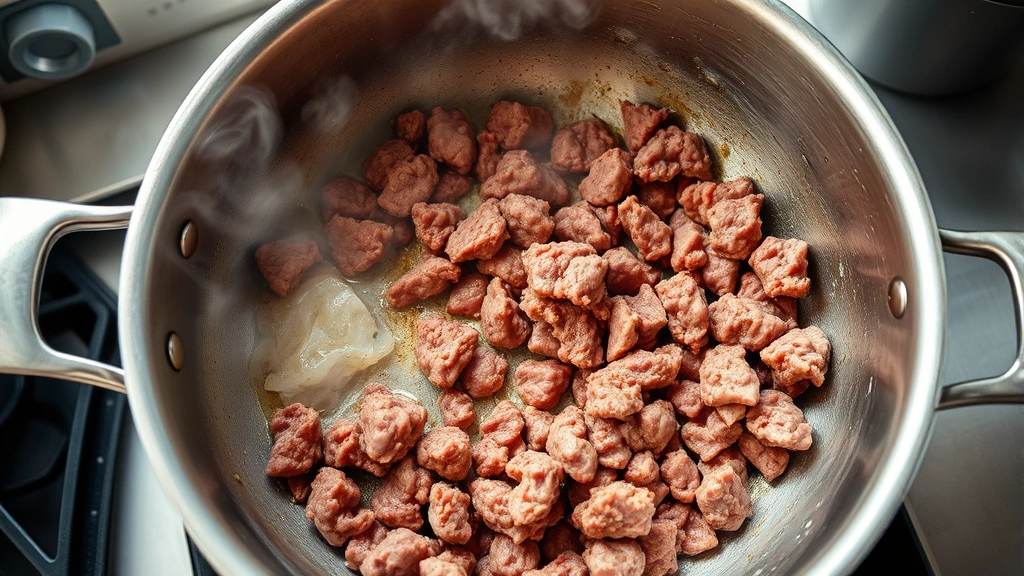
The preparation method significantly impacts both the nutrient profile and the final fat content of 93/7 ground beef. Browning ground beef in a skillet with adequate heat causes additional fat to render beyond the initial 7%, with the amount depending on cooking temperature, duration, and whether you drain the rendered fat. If you drain rendered fat after cooking, the final product contains even less fat than the raw 7%, though some fat-soluble vitamins may be lost in the process.
Grilling or broiling 93/7 ground beef allows excess fat to drip away during cooking, resulting in a leaner final product. This method works particularly well for burgers and patties, where the shape allows fat to separate during heat exposure. Conversely, ground beef used in slow-cooker recipes, stews, or sauces retains more fat within the final dish, as the cooking liquid prevents fat separation. Understanding these cooking dynamics helps you control the final nutritional composition based on your specific dietary objectives.
Research on meat cooking indicates that cooking temperature and duration affect nutrient bioavailability. Moderate cooking temperatures preserve more B vitamins compared to high-heat methods that can denature some heat-sensitive nutrients. However, moderate cooking also ensures adequate pathogenic reduction for food safety. The optimal approach balances safety requirements with nutrient preservation—typically medium-high heat for sufficient time to reach safe internal temperatures without excessive charring or prolonged exposure.
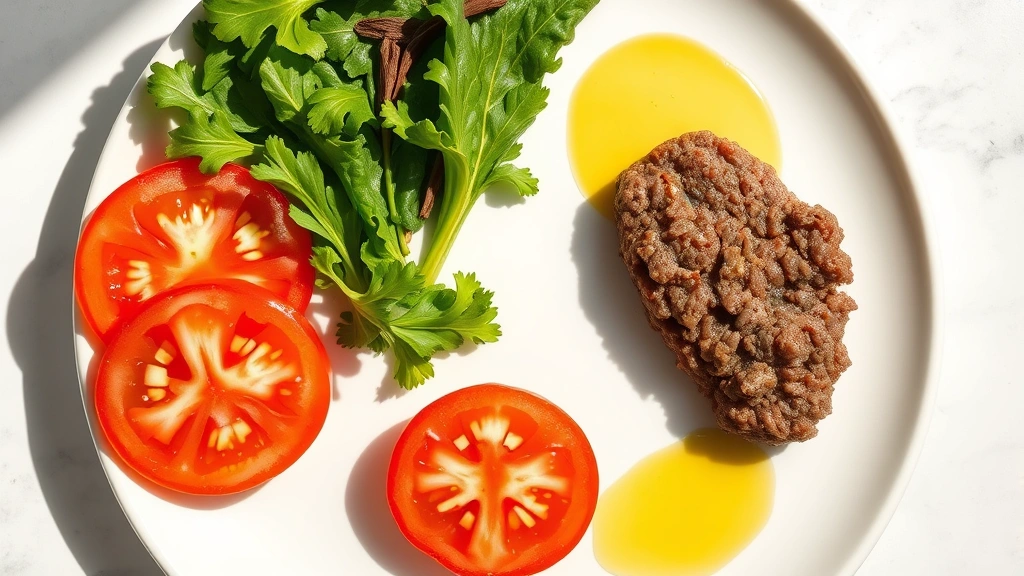
When incorporating 93/7 ground beef into nutrient absorption strategies, consider pairing it with vitamin C sources (tomatoes, peppers, citrus) to enhance iron absorption, and with fat sources (olive oil, avocado) to optimize absorption of fat-soluble vitamins like vitamin D and vitamin E when present in the meal context.
Best Practices for Meal Preparation
Integrating 93/7 ground beef effectively into your dietary routine requires strategic meal planning and preparation approaches. Batch cooking ground beef at the beginning of the week creates a versatile protein base for multiple meals, from taco fillings to pasta sauces to grain bowls. Storing cooked ground beef in airtight containers maintains food safety while providing convenient protein for quick meal assembly throughout the week.
Portion sizing recommendations typically suggest 3-4 ounces of cooked lean ground beef as a standard protein serving, providing approximately 25-35 grams of protein depending on exact composition. This serving size fits comfortably within most balanced meal frameworks while remaining practical for typical cooking quantities. Doubling this amount for larger individuals, athletes, or those emphasizing higher protein intake remains reasonable and well-supported by nutritional science.
Combining 93/7 ground beef with vegetables, whole grains, and healthy fats creates nutritionally complete meals that provide sustained energy, satiety, and micronutrient diversity. Ground beef tacos with whole wheat tortillas, shredded vegetables, and avocado exemplify this balanced approach. Similarly, ground beef chili incorporating beans adds fiber and additional micronutrients while extending the meat portion, reducing overall cost and saturated fat density per serving.
The versatility of 93/7 ground beef extends across numerous cuisines and preparation methods. Asian-inspired preparations with ginger, garlic, and low-sodium soy sauce create flavorful options that don’t require added fat. Mediterranean approaches incorporating herbs, tomatoes, and olive oil provide antioxidant-rich complementary nutrients. These diverse preparations prevent palate fatigue while maintaining nutritional consistency, supporting long-term dietary adherence.
Expert Recommendations and Considerations
Nutritional experts and dietitians increasingly recognize that the quality of overall dietary patterns matters more than individual food choices. Incorporating 93/7 ground beef as part of a diet emphasizing vegetables, whole grains, legumes, and healthy fats supports comprehensive health objectives. Research from Harvard School of Public Health’s nutrition research indicates that lean red meat can fit appropriately within healthy dietary patterns when consumed in reasonable portions alongside abundant plant foods.
For individuals with specific health conditions, consultation with healthcare providers or registered dietitians ensures that 93/7 ground beef consumption aligns with personalized medical recommendations. Those managing conditions like heart disease, high blood pressure, or certain metabolic disorders may benefit from professional guidance on appropriate portions and frequency of consumption. Similarly, individuals with iron overload conditions (hemochromatosis) should moderate red meat intake, though 93/7’s lower fat profile doesn’t specifically address iron content considerations.
Environmental and ethical considerations influence some individuals’ meat purchasing decisions. Choosing grass-fed, pasture-raised, or locally-sourced 93/7 ground beef aligns with sustainability values for some consumers, though these options typically cost more than conventional varieties. The nutritional differences between grass-fed and conventional beef exist but remain relatively modest; both provide excellent protein and micronutrient profiles supporting health objectives.
Budget-conscious meal planning benefits from recognizing that 93/7 ground beef often costs less than specialty protein sources while providing superior micronutrient density compared to many plant-based protein alternatives. This cost-effectiveness, combined with nutritional efficiency, makes 93/7 ground beef a practical choice for individuals seeking to optimize nutrition within realistic budget constraints. Buying in bulk when prices drop and freezing portions extends this value proposition.
The psychological aspect of dietary satisfaction deserves consideration in practical nutrition advice. If 93/7 ground beef’s taste and texture support your long-term dietary adherence better than leaner options, this practical benefit may outweigh marginal nutritional differences. Sustainable dietary patterns that individuals actually maintain consistently provide greater health benefits than theoretically optimal approaches that prove difficult to sustain.
FAQ
Is 93/7 ground beef healthy for daily consumption?
Yes, 93/7 ground beef can be consumed daily as part of a balanced diet. Its protein density, micronutrient profile, and moderate fat content make it suitable for regular inclusion in meal plans. Variety remains important—rotating between different protein sources ensures diverse nutrient intake, but 93/7 ground beef can reasonably appear in multiple weekly meals without nutritional concern.
How does 93/7 ground beef support muscle building and recovery?
The 22-24 grams of complete protein per 3.5-ounce serving, combined with high leucine content and bioavailable micronutrients like zinc and iron, makes 93/7 ground beef excellent for muscle protein synthesis and recovery. When consumed post-workout as part of adequate total daily protein intake distributed across meals, it effectively supports muscle adaptation and maintenance.
What’s the difference between grass-fed and conventional 93/7 ground beef?
Grass-fed beef typically contains slightly higher omega-3 fatty acids and conjugated linoleic acid (CLA) compared to conventional grain-fed beef. The overall nutritional differences remain modest, but grass-fed varieties may offer marginal advantages in fatty acid profiles. Both provide excellent protein and micronutrient content; the choice often depends on budget, availability, and personal values regarding animal agriculture practices.
Can 93/7 ground beef fit into low-carbohydrate diets?
Absolutely. 93/7 ground beef contains virtually no carbohydrates, making it ideal for ketogenic and other low-carbohydrate dietary approaches. Its protein and fat content support satiety and metabolic function within these dietary frameworks, though pairing with appropriate vegetables and fats creates nutritionally complete meals.
How should I store 93/7 ground beef to maintain quality?
Raw 93/7 ground beef keeps refrigerated for 1-2 days and freezes for 3-4 months when properly wrapped. Cooked ground beef maintains quality for 3-4 days refrigerated and 2-3 months frozen. Proper storage prevents bacterial growth and preserves nutritional quality, ensuring food safety and maximum value from your purchase.
Does the fat in 93/7 ground beef increase cholesterol levels?
Current nutritional science indicates that dietary fat, including that from 93/7 ground beef, has less impact on blood cholesterol than previously believed. Individual response varies, but consuming 93/7 ground beef as part of a diet emphasizing whole foods, adequate fiber, and physical activity typically doesn’t negatively impact cholesterol profiles. Individuals with specific cholesterol concerns should consult healthcare providers about appropriate consumption levels.
For comprehensive nutrition guidance and personalized dietary strategies, explore our Nutrients Pathway Blog for additional evidence-based nutrition information. Understanding food composition and nutritional science empowers you to make dietary choices aligned with your health objectives and lifestyle preferences.


