93/7 Ground Beef: Dietitian’s Nutritional Insight
Ground beef remains one of America’s most versatile and protein-rich food staples, yet many consumers remain uncertain about what the numbers on the package actually mean. The “93/7” designation refers to the lean-to-fat ratio, indicating 93% lean meat and 7% fat content. Understanding this nutritional profile is essential for anyone seeking to make informed dietary choices, whether you’re an athlete optimizing performance, someone managing weight, or simply looking to incorporate quality protein into your daily meals.
As a dietitian resource, we recognize that ground beef’s nutritional value extends far beyond simple protein content. The 93/7 variety represents a middle ground between ultra-lean options and fattier alternatives, offering distinct advantages for specific dietary goals and cooking applications. This comprehensive guide breaks down everything you need to know about 93/7 ground beef nutrition, from macro and micronutrient composition to practical purchasing and preparation strategies that maximize both health benefits and culinary results.
Understanding 93/7 Ground Beef Ratio
The labeling system for ground beef can confuse even health-conscious shoppers. When you see “93/7” on packaging, the first number represents the percentage of lean meat by weight, while the second number indicates the fat percentage. This ratio is standardized by the USDA and represents one of the leaner options available in most supermarket meat departments, sitting between ultra-lean 96/4 varieties and more traditional 85/15 blends.
The seven percent fat content is significant because it serves multiple nutritional and culinary purposes. Fat carries flavor compounds that make beef palatable and enjoyable, contributes to satiety (the feeling of fullness), and provides fat-soluble vitamins like vitamin D and vitamin E. The 93/7 ratio strikes a balance: you’re consuming substantially less fat than conventional ground beef while maintaining enough fat for taste and nutrient absorption. This makes it particularly appealing for individuals following healthy nutrition plans without sacrificing the sensory experience of eating beef.
Understanding this ratio also helps you make comparative nutritional decisions. A single three-ounce cooked serving of 93/7 ground beef contains approximately 170-180 calories, with the majority coming from protein rather than fat. This caloric density is considerably lower than 80/20 ground beef, which contains around 230 calories per serving, making the 93/7 option superior for calorie-conscious meal planning.
Complete Nutritional Breakdown
A comprehensive analysis of 93/7 ground beef’s nutritional profile reveals why dietitians frequently recommend it as a protein source. Per three-ounce cooked serving (approximately 85 grams), you’ll find:
- Protein: 22-24 grams—representing approximately 45-50% of the daily recommended value
- Total Fat: 8-9 grams, with approximately 3-4 grams of saturated fat
- Calories: 170-180 calories
- Cholesterol: 70-75 milligrams
- Sodium: 75-85 milligrams (minimal when unseasoned)
- Carbohydrates: 0 grams
These numbers demonstrate why 93/7 ground beef functions effectively within various dietary frameworks. The protein-to-calorie ratio is exceptionally favorable—you’re obtaining substantial protein without excessive caloric intake. This efficiency makes 93/7 ground beef particularly valuable for individuals engaged in nutrition solutions targeting muscle development or weight management simultaneously.
The fat composition warrants closer examination. Of the 8-9 grams of total fat, approximately 3-4 grams are saturated fat, representing roughly 15-20% of the daily recommended saturated fat intake. The remaining fat includes monounsaturated and polyunsaturated fats, which research indicates can support cardiovascular health when consumed as part of a balanced diet.
Protein Content and Muscle Health
The primary nutritional advantage of 93/7 ground beef lies in its exceptional protein content. At 22-24 grams per serving, this meat provides a complete protein source containing all nine essential amino acids necessary for human physiology. This completeness distinguishes beef from many plant-based protein sources, which often require complementary foods to provide all essential amino acids.
For muscle protein synthesis—the biological process by which your body builds and repairs muscle tissue—leucine concentration proves particularly important. Beef contains substantial leucine levels, approximately 1.8 grams per serving, which research suggests plays a critical role in activating muscle-building pathways. This makes 93/7 ground beef especially valuable for athletes, older adults seeking to maintain muscle mass, and anyone engaged in resistance training programs.
The protein in 93/7 ground beef also contributes to satiety more effectively than carbohydrates or fats alone. When consumed as part of meals, the high protein content triggers release of satiety hormones, helping regulate appetite and potentially supporting weight management efforts. This mechanism explains why tips for meal planning frequently emphasize adequate protein distribution across meals.
Furthermore, the digestibility of beef protein ranks among the highest of all protein sources. Your body can efficiently absorb and utilize virtually all the amino acids present, unlike some plant proteins that possess lower bioavailability. This high digestibility makes 93/7 ground beef particularly suitable for individuals with increased protein requirements or those recovering from illness.
Fat Profile and Heart Health
Modern nutrition science recognizes that not all dietary fat requires elimination from healthy eating patterns. The fat in 93/7 ground beef deserves nuanced evaluation rather than blanket condemnation. Research from the American Heart Association indicates that moderate consumption of lean red meat can fit within heart-healthy dietary patterns when prepared appropriately.
The saturated fat content in 93/7 ground beef (3-4 grams per serving) represents approximately 15-20% of the recommended daily limit. This allows for regular consumption without exceeding saturated fat guidelines, particularly when other dietary choices feature lower saturated fat content. The key distinction between 93/7 and fattier options becomes apparent when examining cumulative dietary fat intake across an entire day.
Importantly, beef contains stearic acid, a saturated fat that research suggests has minimal impact on blood cholesterol levels compared to other saturated fats. Additionally, beef provides conjugated linoleic acid (CLA), a fatty acid with potential anti-inflammatory properties, though research on human health implications remains ongoing.
The monounsaturated and polyunsaturated fats present in beef—including oleic acid and omega-3 fatty acids—contribute positively to cardiovascular health markers. When 93/7 ground beef replaces higher-fat alternatives or processed meat products, it typically results in improved nutritional profiles and reduced cardiovascular risk factors.
Micronutrients and Essential Minerals
Beyond macronutrients, 93/7 ground beef delivers impressive micronutrient density. Per three-ounce serving, you obtain significant quantities of essential minerals and vitamins critical for optimal health:
- Iron (Heme Iron): 2.6 milligrams—approximately 15% of daily value. The heme iron form found in beef demonstrates superior bioavailability compared to non-heme iron from plant sources
- Zinc: 6-7 milligrams—approximately 55-65% of daily value. Zinc supports immune function, wound healing, and protein synthesis
- Selenium: 25-30 micrograms—approximately 45-55% of daily value. This antioxidant mineral protects cells from oxidative damage
- Phosphorus: 190-210 milligrams—approximately 27-30% of daily value. Essential for bone health and energy metabolism
- Niacin (Vitamin B3): 4.5-5 milligrams—approximately 28-31% of daily value. Supports energy metabolism and DNA repair
- Vitamin B12: 1.5-2 micrograms—approximately 25-33% of daily value. Critical for neurological function and red blood cell formation
- Vitamin B6: 0.4-0.5 milligrams—approximately 24-29% of daily value. Involved in amino acid metabolism
This mineral and vitamin profile explains why beef has sustained human civilizations throughout history. The bioavailability of these nutrients—particularly heme iron and zinc—makes 93/7 ground beef exceptionally efficient at addressing common nutritional deficiencies. For individuals at risk of iron-deficiency anemia, beef consumption provides superior iron absorption compared to plant-based sources.
The combination of B vitamins supports energy metabolism and nervous system function. This becomes particularly relevant for individuals managing stress or engaged in physically demanding activities, where B vitamin requirements increase.
Comparison with Other Beef Grades
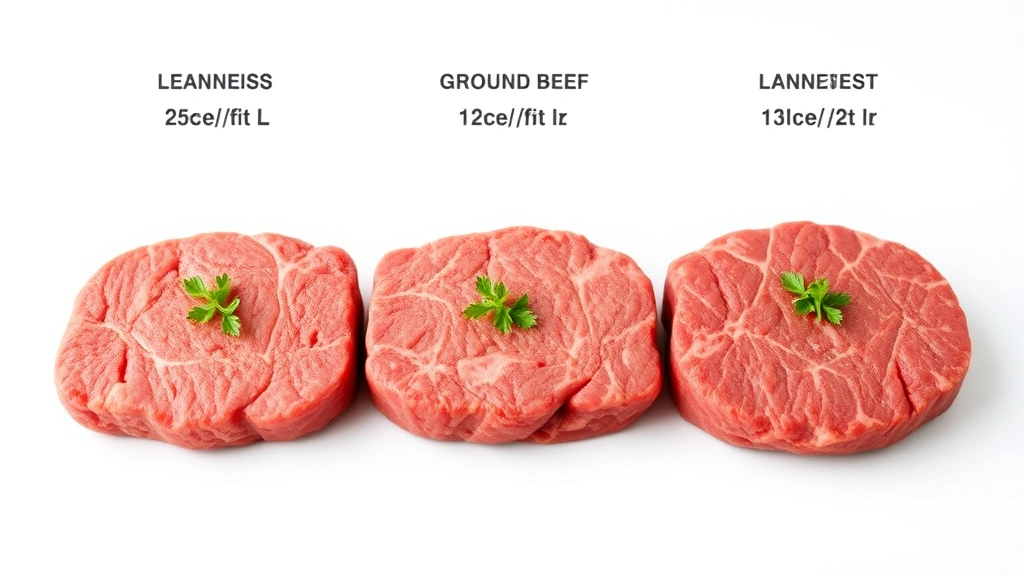
The ground beef market offers multiple lean options, each with distinct nutritional profiles. Understanding these differences enables informed purchasing decisions aligned with individual health goals:
96/4 Ground Beef (Ultra-Lean): Contains only 4% fat and approximately 150-160 calories per three-ounce serving with 24-26 grams protein. While this option minimizes fat intake, the reduced fat content can compromise flavor and cooking performance. The ultra-lean nature sometimes requires additional cooking techniques to prevent drying.
90/10 Ground Beef (Very Lean): Offers 10% fat content with approximately 190 calories and 22-23 grams protein per serving. This option sits slightly higher in fat than 93/7, providing marginally improved flavor with minimal additional caloric impact.
85/15 Ground Beef (Lean): The traditional supermarket standard contains 15% fat, delivering approximately 230 calories and 21-22 grams protein per serving. This option provides superior flavor and cooking properties but substantially exceeds fat intake guidelines when consumed regularly.
80/20 Ground Beef (Regular): Contains 20% fat with approximately 290 calories per three-ounce serving. While offering excellent flavor and cooking characteristics, regular ground beef provides nearly twice the fat of 93/7 options.
The 93/7 ratio represents an optimal middle ground—reducing fat substantially compared to conventional options while maintaining superior flavor and cooking performance relative to ultra-lean 96/4 varieties. For individuals seeking to implement nutrition solutions without dietary extremism, 93/7 ground beef offers practical balance.
Practical Selection and Cooking Tips
Maximizing the nutritional benefits of 93/7 ground beef requires attention to selection, storage, and preparation methods. When shopping, select packages with bright red color indicating recent packaging. Avoid meat with excessive liquid accumulation or brown discoloration suggesting oxidation.
Ground beef should be refrigerated at 40°F or below and used within one to two days of purchase, or frozen for up to three months. Proper storage prevents bacterial proliferation and maintains nutritional quality. When preparing ground beef, cook to an internal temperature of 160°F, verified with a meat thermometer, to eliminate foodborne pathogens.
Cooking methods significantly impact the final nutritional profile. Pan-browning over medium-high heat allows excess fat to render and drain away, further reducing fat content. For every pound of 93/7 ground beef browned, approximately one to two tablespoons of fat can drain away, reducing final fat content by 10-20%. Draining rendered fat represents an easy method to decrease caloric and fat intake without additional complexity.
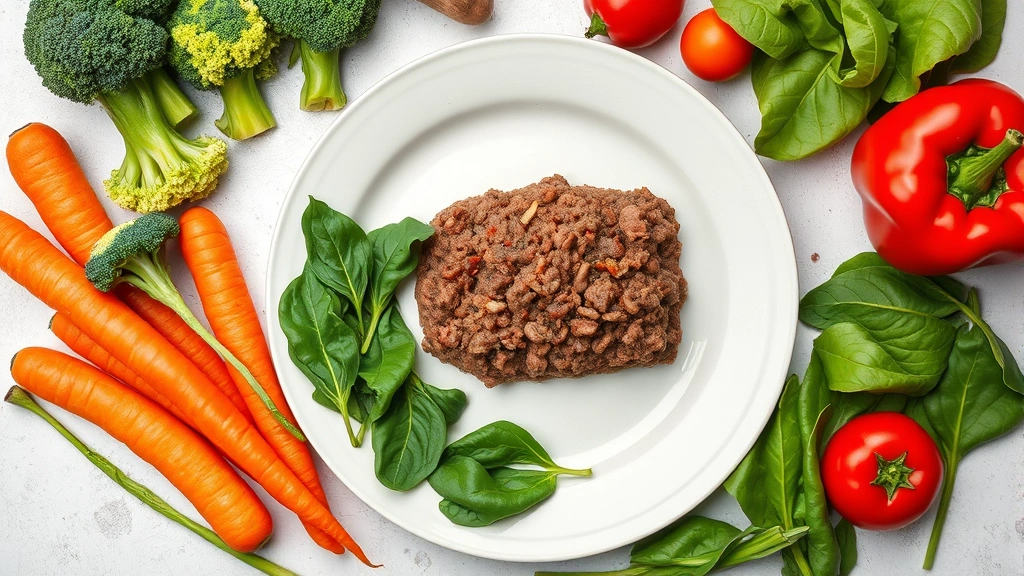
Avoid cooking methods that add excessive fat. While ground beef suits burgers, tacos, and pasta sauces, pairing with vegetable-rich preparations amplifies nutritional value. Combining 93/7 ground beef with vegetables in a 1:1 or 2:1 ratio (vegetables to meat by volume) creates nutrient-dense dishes with improved fiber content and micronutrient diversity.
Ground beef combines excellently with herbs and spices, allowing flavor enhancement without additional fat or sodium. Oregano, cumin, garlic, and chili powder complement beef’s natural flavors while providing phytochemical compounds with potential anti-inflammatory properties.
Integration into Balanced Nutrition Plans
Incorporating 93/7 ground beef into balanced nutrition requires understanding appropriate portion sizes and frequency. A standard three-ounce cooked serving provides substantial protein and micronutrients while maintaining reasonable caloric impact. Most nutritional guidelines recommend two to three servings of protein daily, making 93/7 ground beef suitable for regular consumption without excess.
For individuals following nutrition and mental health protocols, beef’s B vitamin content and iron levels support cognitive function and mood regulation. The amino acids in beef contribute to neurotransmitter synthesis, supporting psychological well-being alongside physical health.
Athletes and physically active individuals benefit substantially from 93/7 ground beef’s protein profile. Consuming protein-rich foods like 93/7 ground beef within two hours post-exercise optimizes muscle protein synthesis and recovery. A three-ounce serving provides approximately 22 grams protein, meeting approximately 40-50% of typical post-workout protein recommendations.
Weight management applications particularly suit 93/7 ground beef. The high protein-to-calorie ratio supports satiety while maintaining modest caloric density. Research indicates that higher protein intakes (1.6-2.2 grams per kilogram body weight) support weight loss by promoting fullness and preserving lean muscle mass during caloric restriction.
For individuals managing cholesterol or cardiovascular risk, 93/7 ground beef fits within recommended guidelines when consumed two to three times weekly as part of varied protein sources. Combining beef with fish, poultry, legumes, and plant-based proteins creates dietary diversity supporting optimal health outcomes.
The nutrition facts about avocados and other heart-healthy foods pair excellently with 93/7 ground beef. Creating balanced meals incorporating lean beef with vegetable-rich sides, whole grains, and healthy fats from sources like avocados or olive oil maximizes nutritional synergy.


