Acai Bowl Nutrition: Comprehensive Dietitian’s Insight into This Superfood Trend
Acai bowls have become ubiquitous fixtures in health-conscious cafes and Instagram feeds worldwide, but beneath the aesthetically pleasing layers of granola and fresh fruit lies a more complex nutritional story. As a registered dietitian, I’ve observed how acai bowls represent both genuine nutritional opportunity and potential dietary pitfall, depending on how they’re constructed and consumed. Understanding the true acai bowl nutrition facts requires moving beyond marketing hype to examine the science of this Amazonian berry and its typical preparation methods.
The acai bowl phenomenon reflects broader consumer trends toward functional foods and nutrient-dense breakfast options. Yet many people consume these bowls without understanding their actual macronutrient profiles, caloric content, or how they fit into comprehensive dietary patterns. This guide examines what dietitians need to know about acai bowl nutrition, helping you make informed choices about whether these bowls align with your health goals and dietary needs.
What is Acai and Its Nutritional Foundation
Acai berries are small, dark purple fruits native to the Amazon rainforest of South America, specifically cultivated extensively in Brazil. These berries have gained international recognition as a superfood due to their concentrated nutrient density and bioactive compound profile. Understanding the foundational nutrition of acai itself provides context for evaluating acai bowl nutrition facts accurately.
A 100-gram serving of raw acai pulp contains approximately 52 calories, 2.2 grams of protein, 4.4 grams of fiber, and minimal fat at 1.5 grams. However, acai is rarely consumed in its raw form outside Brazil. Most commercially available acai exists as frozen puree, which concentrates the nutrients but also increases serving size considerations. The typical acai bowl base uses 100-150 grams of frozen acai puree, which becomes the foundation upon which all other ingredients build.
The nutritional profile of acai includes substantial amounts of anthocyanins, a class of flavonoid antioxidants responsible for the berry’s deep purple coloration. These compounds have been studied extensively for their potential anti-inflammatory and cardiovascular benefits. Beyond anthocyanins, acai contains phenolic compounds, proanthocyanidins, and other phytochemicals that contribute to its antioxidant capacity. When examining nutrition solutions for breakfast optimization, acai’s phytochemical profile represents a legitimate advantage over many conventional breakfast choices.
Acai also provides essential minerals including potassium, manganese, and copper, though in modest quantities per serving. The fiber content, approximately 2.2 grams per 100 grams, supports digestive health and contributes to satiety. This foundational understanding helps contextualize how acai functions within the larger ecosystem of an acai bowl, which typically contains numerous additional ingredients that significantly alter the final nutritional outcome.
Macronutrient Breakdown of Standard Acai Bowls
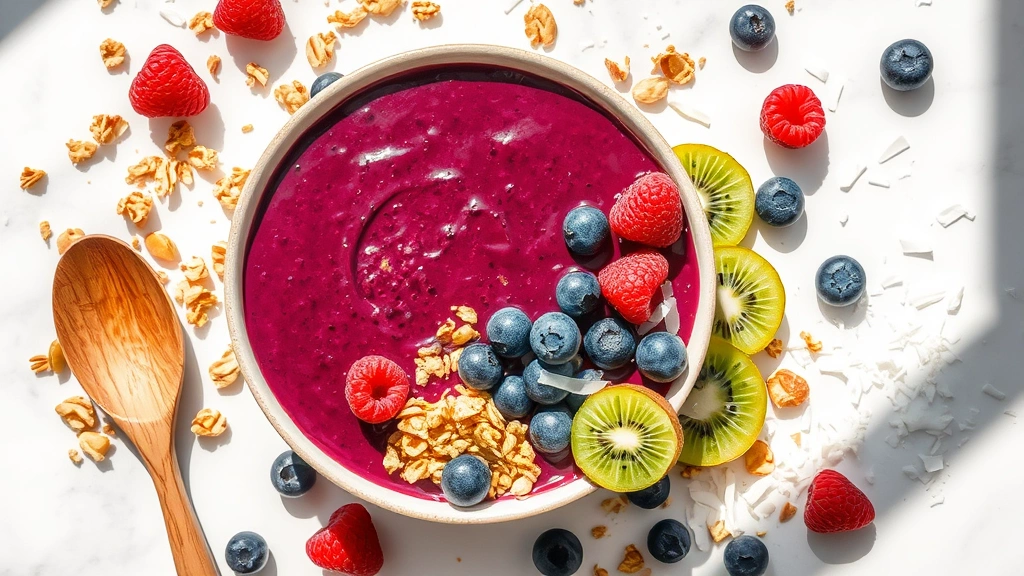
A typical commercial acai bowl contains far more than acai alone. The standard composition includes 100-150 grams of acai puree as the base, topped with granola (often 40-60 grams), fresh fruits (typically 80-120 grams of berries, bananas, or other fruits), coconut flakes, honey or agave syrup, and occasionally nut butters or seeds. This combination creates a macronutrient profile that differs substantially from the acai base alone.
The average acai bowl contains between 350-550 calories, with significant variation depending on specific ingredients and portion sizes. Carbohydrates dominate the macronutrient distribution, typically comprising 60-75% of total calories. This comes from the acai (minimal carbs), the granola (high carbohydrate density), and added sugars from honey or other sweeteners. Protein content typically ranges from 8-15 grams, depending on whether nuts, seeds, or plant-based protein powders are incorporated. Fat content varies widely from 8-20 grams, influenced heavily by granola selection, nut butters, and coconut additions.
When considering healthy nutrition plans, macronutrient balance matters significantly. Many standard acai bowls skew heavily toward carbohydrates while providing insufficient protein for sustained satiety. This imbalance can result in mid-morning energy crashes or hunger spikes, reducing the bowl’s practical utility as a breakfast solution. A 400-calorie bowl with only 8 grams of protein and 65 grams of carbohydrates creates a different satiety profile than one with 12 grams of protein and 50 grams of carbohydrates.
The glycemic index of acai bowls warrants careful consideration. Pure acai rates relatively low on the glycemic index, but when combined with granola, honey, and sweet fruits, the overall glycemic load increases substantially. This matters particularly for individuals managing blood sugar, prediabetes, or seeking stable energy throughout the morning. Understanding how macronutrients interact within your specific dietary context helps determine whether standard acai bowl compositions serve your nutritional goals effectively.
” alt=”Overhead view of a vibrant acai bowl with layered purple acai base, scattered granola clusters, fresh berries, sliced kiwi, coconut flakes, and a wooden spoon on a marble countertop” />
Micronutrients and Antioxidants in Acai
Beyond macronutrients, acai bowls deliver micronutrients that contribute to overall nutritional adequacy. The vitamin and mineral content varies based on specific toppings, but several key micronutrients consistently appear across well-constructed bowls. Vitamin C content reaches approximately 15-20% of daily values from the acai and fresh fruit components, supporting immune function and collagen synthesis. B vitamins, particularly B6 and folate, appear in modest quantities from both the acai and grain-based granola components.
The antioxidant capacity of acai bowls represents perhaps their most scientifically compelling aspect. Research published in peer-reviewed nutrition journals has documented the high ORAC (Oxygen Radical Absorbance Capacity) values of acai berries, indicating substantial free radical scavenging ability. A single acai bowl can deliver antioxidant compounds equivalent to several servings of conventional berries, though the practical implications of this capacity require careful interpretation. While high antioxidant intake theoretically supports cellular health, the evidence for direct disease prevention from acai consumption specifically remains limited.
Polyphenols, the primary bioactive compounds in acai, have demonstrated anti-inflammatory properties in laboratory and animal studies. Some human research suggests regular consumption of polyphenol-rich foods correlates with reduced inflammation markers, though acai’s specific contribution within a mixed diet remains difficult to isolate. When integrated into nutrition and mental health considerations, the anti-inflammatory effects of acai’s polyphenols may support cognitive function, though direct evidence remains preliminary.
Mineral content in acai bowls includes potassium, magnesium, and manganese, often supplemented by nuts and seeds added as toppings. A bowl with almonds or pumpkin seeds provides additional micronutrient density. Potassium content helps support cardiovascular health and electrolyte balance, while magnesium contributes to muscle function and stress response. These micronutrients work synergistically within the context of a balanced diet to support overall physiological function.
Hidden Sugars and Caloric Considerations
One of the most significant challenges with acai bowl nutrition facts involves hidden sugars that accumulate through multiple ingredients. While acai itself contains minimal natural sugars, the typical toppings introduce substantial quantities. Granola, even so-called “healthy” varieties, frequently contains 12-18 grams of added sugars per 50-gram serving. A single tablespoon of honey adds another 17 grams of sugar. When combined with naturally sweet fruits like bananas and dried fruit toppings, the total sugar content can reach 40-60 grams per bowl.
This sugar accumulation creates a paradox: acai bowls are marketed as health foods, yet many contain sugar quantities approaching dessert-level amounts. A bowl with 50 grams of sugar represents the entire recommended daily added sugar limit for adult women according to American Heart Association guidelines, consumed at a single meal. For individuals managing diabetes, prediabetes, or weight loss, this sugar load presents genuine dietary challenges.
Caloric density compounds the sugar consideration. While 400-450 calories might seem reasonable for breakfast, the macronutrient distribution often results in rapid calorie consumption without proportional satiety. A 450-calorie acai bowl with minimal protein may leave you hungry within two hours, potentially leading to additional snacking and excess daily calorie intake. This contrasts with a 450-calorie breakfast containing 20 grams of protein and 8 grams of fiber, which typically supports satiety through mid-morning.
Honey and agave syrups, common acai bowl toppings, contain no meaningful micronutrient advantage over standard sugar despite marketing suggesting otherwise. These sweeteners provide empty calories without additional nutritional benefit. Reading ingredient labels on granola and identifying hidden sugars in seemingly innocent toppings becomes essential for accurate acai bowl nutrition assessment. Many consumers underestimate their sugar intake when consuming acai bowls precisely because the foods taste healthy and contain actual nutritious ingredients.
Comparing Acai to Other Breakfast Options
Contextualizing acai bowl nutrition requires comparing them to alternative breakfast choices. A traditional oatmeal bowl with berries, nuts, and Greek yogurt might contain similar calories (400-450) but provide 15-20 grams of protein compared to acai bowl’s typical 8-12 grams. The oatmeal base provides beta-glucan fiber, which has specific cardiovascular benefits distinct from acai’s antioxidant profile. Both represent reasonable breakfast choices, but with different nutritional emphases.
Comparing to eggs and toast, a two-egg breakfast with whole grain toast and avocado provides approximately 400 calories with 16 grams of protein, healthy fats supporting hormone production, and superior satiety compared to most acai bowls. The choline content in eggs supports cognitive function, while the varied micronutrient profile differs from acai’s antioxidant focus. Neither option is objectively superior; they serve different nutritional goals.
When evaluated against smoothie bowls made with protein powder, yogurt, and fruit, acai bowls often provide less protein despite similar calorie counts. A well-constructed smoothie bowl can deliver 20-25 grams of protein while maintaining comparable antioxidant benefits from fruit additions. However, acai bowls offer superior textural variety and potentially greater satiety from the varied toppings compared to uniform smoothie consistency.
The advantage of acai bowls lies not in superior nutritional profile compared to all alternatives, but in their capacity to deliver micronutrient density, antioxidants, and psychological satisfaction through appealing presentation. For individuals who struggle with conventional breakfast options or seek higher fruit and phytochemical intake, acai bowls represent a legitimate nutritional choice. The key involves constructing them thoughtfully rather than defaulting to standard commercial preparations.
Building a Balanced Acai Bowl
Optimizing acai bowl nutrition requires strategic ingredient selection aligned with personal dietary goals. Starting with the acai base, using 100-120 grams of frozen acai puree provides the foundational antioxidants and phytochemicals without excessive caloric density. This base typically contains 50-60 calories and minimal sugar from the fruit itself.
Protein integration becomes critical for satiety and muscle support. Adding Greek yogurt (100 grams provides 10 grams protein), cottage cheese, or plant-based protein powder increases protein content substantially. This addition transforms the bowl from a carbohydrate-dominant breakfast into a more balanced macronutrient profile. Nut butters (1-2 tablespoons) add both protein and healthy fats while contributing to satiety.
Granola selection dramatically impacts overall nutrition. Choosing low-sugar varieties with <5 grams added sugar per serving, limiting portion to 30-40 grams, and selecting options with whole grains and nuts creates a more nutritious crunch than conventional granola. Alternatively, creating your own granola mixture with oats, nuts, seeds, and minimal honey provides superior control over ingredients and sugar content.
Fresh fruit selection emphasizes berries over sweeter fruits like bananas or mango. Berries provide fiber, antioxidants, and micronutrients with lower sugar density than tropical fruits. A combination of blueberries, raspberries, and strawberries (approximately 100 grams total) adds volume, nutrition, and visual appeal without excessive sugar accumulation. When considering dietary fiber importance, berry selection supports both soluble and insoluble fiber intake.
Sweetener consideration involves either eliminating added sweeteners entirely or using minimal quantities of honey (½ teaspoon rather than full tablespoons). The acai, yogurt, and fruits provide sufficient natural sweetness for most palates, particularly as taste preferences adapt to less intensely sweet foods. Seeds like chia, flax, or hemp add additional fiber, omega-3 fatty acids, and micronutrients while supporting satiety.
A balanced bowl construction might include: 100g acai puree, 100g Greek yogurt, 30g low-sugar granola, 100g mixed berries, 1 tablespoon almond butter, 1 tablespoon mixed seeds, and ½ teaspoon honey. This composition delivers approximately 380 calories with 16 grams protein, 48 grams carbohydrates, 12 grams fat, and 8 grams fiber, creating superior satiety and blood sugar stability compared to standard commercial bowls.
Health Benefits and Realistic Expectations
Acai bowls offer genuine health benefits when constructed thoughtfully and consumed within balanced dietary patterns. The primary benefit stems from the phytochemical concentration in acai berries themselves. Anthocyanins and other polyphenols have demonstrated anti-inflammatory effects in research contexts, potentially supporting cardiovascular health and reducing chronic disease risk markers. Regular consumption of anthocyanin-rich foods correlates with improved endothelial function and reduced arterial stiffness in human studies.
The antioxidant capacity of acai bowls supports cellular health through multiple mechanisms. Free radicals, generated through normal metabolism and environmental stressors, damage cellular structures and contribute to aging and disease processes. Antioxidant compounds neutralize these free radicals, theoretically reducing cumulative cellular damage. While this mechanism is well-established scientifically, the practical translation to human longevity and disease prevention remains more complex than marketing suggests.
Digestive health benefits emerge from the fiber content when bowls are constructed with emphasis on whole grains, seeds, and berries. Dietary fiber supports beneficial gut microbiota populations, improves regularity, and contributes to metabolic health. The resistant starch in certain granola compositions feeds beneficial bacteria, supporting a healthy microbiome. This digestive benefit extends beyond simple nutrient delivery to influence immune function, mood regulation, and metabolic efficiency.
For individuals seeking nutrition information and insights, acai bowls provide a psychologically satisfying breakfast option that encourages consistent healthy eating patterns. The visual appeal and flavor satisfaction of well-constructed bowls support adherence to balanced diets better than austere, less enjoyable options. This psychological benefit should not be dismissed, as sustainable dietary change depends on finding nutritious foods that people genuinely enjoy consuming.
Weight management benefits emerge when acai bowls replace less nutritious breakfast options and when portions and ingredients are carefully controlled. The satiety from protein-enriched, fiber-dense bowls supports reduced daily calorie intake compared to sugar-heavy breakfast alternatives. However, acai bowls themselves are not weight loss foods; they represent one component of balanced eating patterns.
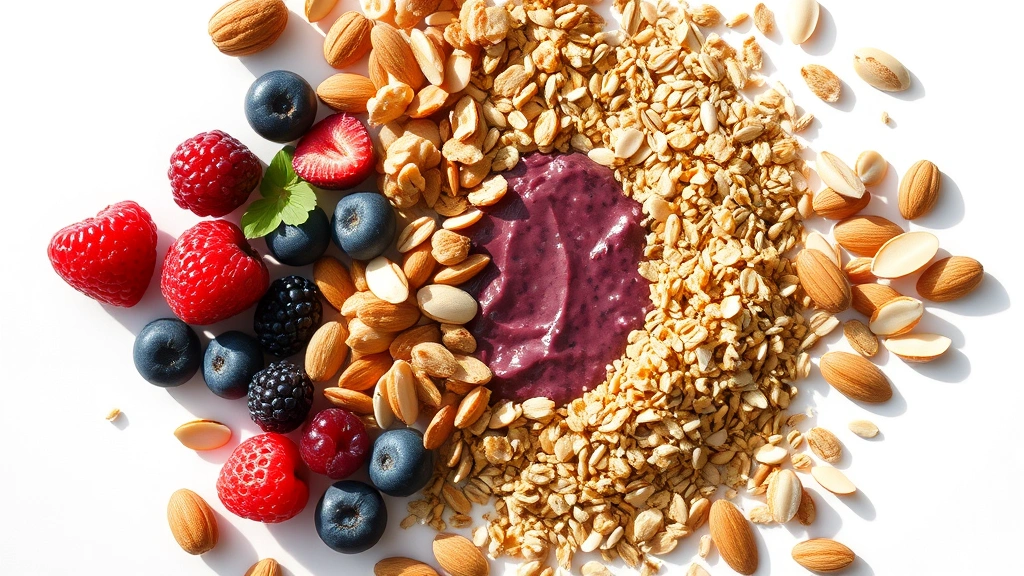
” alt=”Close-up of nutrient-rich acai bowl ingredients arranged separately on a white surface showing fresh raspberries, blueberries, granola clusters, sliced almonds, coconut flakes, chia seeds, and a wooden measuring spoon” />
Potential Drawbacks and Considerations
Despite genuine benefits, acai bowls present several potential drawbacks worthy of consideration. The most significant involves the gap between perception and reality. Marketing has created an association between acai bowls and weight loss and health optimization that often exceeds scientific evidence. Consumers frequently assume that eating acai bowls automatically produces health benefits, leading to overconsumption and inadequate attention to portion sizes and ingredient selection.
Cost represents a practical consideration for many consumers. Commercial acai bowls typically cost $12-18 per serving, making them an expensive breakfast option compared to eggs, oatmeal, or yogurt parfaits providing similar nutrition. For individuals on limited budgets, acai bowls represent a luxury item rather than a dietary staple. The frozen acai puree itself costs substantially more per calorie than most fruit alternatives.
Environmental concerns surrounding acai production warrant consideration. The increasing global demand for acai has driven Amazon deforestation in certain regions and monoculture farming practices that reduce biodiversity. While sustainable acai farming practices exist, not all commercially available acai comes from environmentally responsible sources. Consumers prioritizing environmental impact may need to research specific brand sourcing practices.
Digestive considerations affect some individuals. The high fiber content in well-constructed acai bowls can cause temporary digestive discomfort, bloating, or gas if consumed by individuals unaccustomed to high-fiber diets. The fruit content provides fructose, which some individuals malabsorb, potentially causing gastrointestinal symptoms. Introducing acai bowls gradually and ensuring adequate hydration supports digestive adaptation.
Food safety considerations involve frozen acai puree’s processing methods. While commercial acai undergoes pasteurization or freezing to eliminate pathogens, the rapid processing from harvest to freezing in tropical climates creates potential contamination risks. Purchasing from reputable sources and verifying processing methods ensures safety. Additionally, individuals with berry allergies or sensitivities require careful ingredient verification.
The risk of overconsumption exists despite acai bowls’ health associations. Consuming large acai bowls multiple times daily, while technically “healthy,” can exceed caloric and macronutrient targets, particularly regarding sugar intake. Moderation remains important despite acai bowls’ nutritional advantages over many alternatives.
FAQ
How many calories does a typical acai bowl contain?
Standard commercial acai bowls contain 350-550 calories depending on specific ingredients and portion sizes. A base of 100-150 grams acai puree (50-80 calories) combines with granola, fruits, honey, and toppings to reach these totals. Carefully constructed bowls emphasizing protein and fiber while minimizing added sugars can deliver optimal nutrition within 380-420 calorie ranges.
Is acai bowl nutrition sufficient for breakfast alone?
For most individuals, well-constructed acai bowls provide adequate breakfast nutrition, particularly when protein sources like Greek yogurt or nuts are incorporated. However, individuals with high protein requirements, athletes, or those prioritizing maximum satiety may benefit from supplementing acai bowls with additional protein sources. Monitoring personal satiety and energy levels determines individual sufficiency.
Can acai bowls support weight loss?
Acai bowls can support weight loss when incorporated into calorie-controlled diets and when constructed to maximize satiety through protein and fiber. However, acai bowls themselves do not create weight loss; caloric deficit remains the fundamental requirement. Standard commercial bowls often contain excessive sugar and calories for weight loss support, requiring modification.
How does acai bowl nutrition compare to smoothie bowls?
Both provide similar antioxidant benefits from fruit content, but smoothie bowls typically deliver higher protein when made with yogurt or protein powder. Acai bowls offer superior textural variety and potentially greater satiety from varied toppings. Neither is objectively superior; choice depends on individual preferences and specific nutritional goals.
Are frozen acai bowls nutritionally equivalent to fresh acai?
Frozen acai puree retains nutritional content equivalent to fresh acai, with freezing preventing nutrient degradation. Most acai consumed globally is frozen, as fresh acai oxidizes and degrades rapidly after harvest. Frozen acai provides the same phytochemical profile and antioxidant capacity as fresh berries would, making it nutritionally sound.
What toppings should be avoided on acai bowls?
Minimize added sugars through limiting honey, agave, and chocolate drizzles. Avoid granola varieties with >8 grams added sugar per serving. Limit dried fruits, which concentrate natural sugars. Coconut flakes, while nutritious, are high in saturated fat and calories; use sparingly. Focus on whole, minimally processed toppings emphasizing nuts, seeds, and fresh fruits.
How often can acai bowls be consumed?
Well-constructed acai bowls can be consumed 3-5 times weekly as part of balanced diets without negative health effects. Daily consumption remains possible for individuals carefully monitoring overall nutrition, though variety in breakfast options ensures broader micronutrient diversity. Individual tolerance and dietary goals determine optimal frequency.
Does acai have any drug interactions?
Acai contains no known significant drug interactions. However, the high antioxidant content theoretically may interact with certain medications in ways not yet fully researched. Individuals taking blood thinners or specific medications should consult healthcare providers before dramatically increasing acai consumption, though standard acai bowl quantities present minimal risk.


