Bojangles’ Nutrition Facts? Expert Breakdown
Bojangles’ Famous Chicken ‘n Biscuits has become a beloved fast-casual destination for millions seeking quick, flavorful meals across the Southeast and beyond. However, understanding what you’re consuming at this popular chain requires a detailed examination of their nutritional offerings. From their signature fried chicken to their biscuits and sides, each menu item carries specific nutritional implications that deserve scrutiny from health-conscious consumers.
This expert breakdown deconstructs Bojangles’ nutrition facts, helping you make informed dietary choices whether you’re a regular patron or occasional visitor. We’ll examine caloric content, macronutrient distributions, sodium levels, and how their menu items fit into various dietary frameworks. Whether you’re following a healthy nutrition plan or simply want transparency about your fast-food consumption, this analysis provides actionable insights.
Bojangles’ Chicken Offerings & Caloric Content
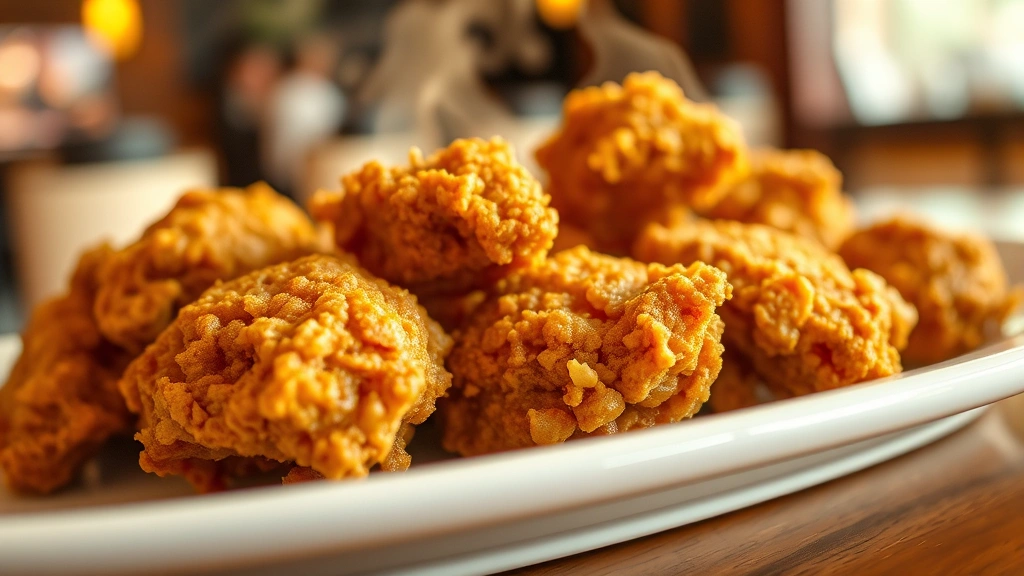
Bojangles’ signature product is their fried chicken, prepared fresh throughout the day using their proprietary recipe. Understanding the nutritional profile of their chicken is essential for anyone considering this chain as part of their regular diet. A single piece of bone-in, skin-on fried chicken varies significantly by cut, with breast pieces containing approximately 350-380 calories, while thighs and drumsticks range from 250-320 calories per piece.
The preparation method—specifically their pressure-cooking technique in 100% refined peanut oil—contributes substantially to the caloric density. This cooking method creates the crispy exterior consumers love but also increases fat content considerably. A three-piece chicken combo typically delivers 900-1,100 calories before accounting for biscuits or sides, representing 45-55% of a standard 2,000-calorie daily intake.
Bojangles also offers bone-in skinless chicken options, reducing caloric content by approximately 40-50 calories per piece compared to their skin-on varieties. For those interested in nutrition for building muscle mass, the skinless options provide superior protein-to-calorie ratios, delivering 25-28 grams of protein with reduced fat content. However, availability of skinless options varies by location and day, as they’re prepared fresh to order.
The chain’s chicken tenders represent another significant menu category. These boneless, breaded strips contain 300-350 calories for a three-piece serving, with slightly different fat profiles compared to bone-in pieces. The breading adds carbohydrates (15-18 grams per serving) and increases sodium levels substantially, making them less suitable for sodium-conscious consumers.
Biscuits, Sides & Hidden Calories
Bojangles’ buttermilk biscuits are legendary in their market, yet their nutritional impact often surprises consumers. A single plain biscuit contains approximately 240-260 calories, with 12-14 grams of fat and 3-4 grams of protein. These figures climb dramatically when biscuits are paired with breakfast items like sausage (adding 170 calories) or bacon (adding 80-100 calories), transforming a simple carb vehicle into a 500+ calorie breakfast component.
The biscuits’ composition relies heavily on butter and buttermilk, contributing to their distinctive flavor but also their saturated fat content. One biscuit delivers 6-7 grams of saturated fat, approaching 35% of the recommended daily intake for a 2,000-calorie diet. When consumed as part of a combo meal, biscuit-based calories compound quickly.
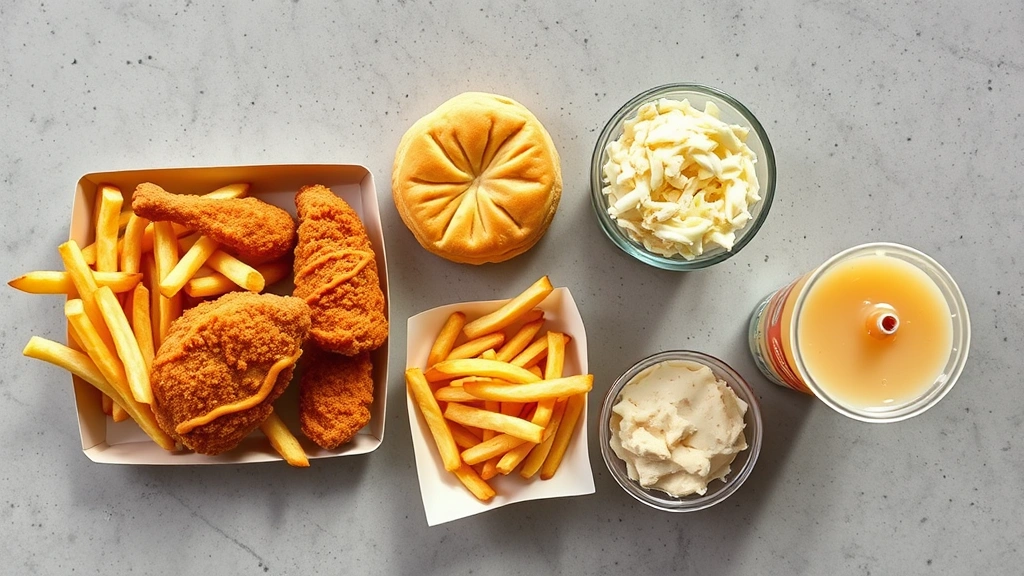
Side dishes present additional caloric considerations. Bojangles’ fries contain approximately 380-420 calories per regular serving, with 18-20 grams of fat. Their mac and cheese delivers 400-450 calories with significant sodium content. Cole slaw, seemingly a lighter option, contains 170-190 calories due to creamy dressing, while their seasoned rice provides 190-210 calories per serving. For those implementing tips for meal planning, understanding these side contributions is crucial for daily caloric management.
Bojangles’ gravy-based sides warrant particular attention. Their chicken gravy adds 15-25 calories per ounce, but consumers frequently use significantly more than standard portions, substantially increasing total intake. A standard gravy serving on biscuits and gravy can add 200+ calories to an already calorie-dense meal.
Sodium & Cardiovascular Considerations
Perhaps the most significant nutritional concern with Bojangles’ menu involves sodium content. The American Heart Association recommends 2,300 milligrams daily, yet a single Bojangles’ combo meal frequently approaches or exceeds this entire daily allowance. A three-piece chicken combo with biscuit and fries contains approximately 2,200-2,500 milligrams of sodium, representing 95-110% of daily recommendations in a single meal.
This sodium concentration stems from multiple sources: the chicken preparation process, seasoning blends, biscuit formulation, and side dishes. The pressure-cooking technique, while creating optimal texture and flavor, requires salt-based seasoning applications. Biscuits themselves contain 400-500 milligrams of sodium each, while fries add another 600-800 milligrams per serving.
For individuals managing hypertension or cardiovascular conditions, Bojangles’ menu presents significant challenges. Research from the American Heart Association demonstrates clear correlations between high-sodium fast-food consumption and elevated blood pressure. Those with sodium restrictions should approach Bojangles’ menu cautiously, potentially requesting items prepared without added salt or choosing lower-sodium combinations.
Breakfast items present particularly high sodium content. A sausage biscuit contains 800-900 milligrams of sodium, while a bacon, egg and cheese biscuit delivers 1,000-1,100 milligrams. Even seemingly innocent items like their chicken biscuits contain 1,200-1,400 milligrams per sandwich, making breakfast at Bojangles’ problematic for salt-conscious consumers.
Macronutrient Breakdown for Different Goals
Understanding macronutrient composition—protein, carbohydrates, and fats—helps consumers align Bojangles’ menu with specific dietary objectives. For individuals focused on nutrition for weight gain, Bojangles’ offerings provide calorie-dense options with reasonable protein contributions.
Protein content varies significantly by menu item. Chicken pieces deliver 22-28 grams of protein per piece, making them valuable for muscle recovery and satiety. A three-piece serving provides 66-84 grams of protein, substantially exceeding single-meal requirements for most individuals. However, this protein comes packaged with significant fat and caloric content, necessitating careful integration into broader dietary strategies.
Carbohydrate distribution leans heavily toward refined carbohydrates from biscuits, fries, and breading. A typical combo meal delivers 90-120 grams of carbohydrates, predominantly from simple sources lacking substantial fiber. For individuals managing blood sugar levels or following low-carbohydrate diets, this carbohydrate concentration presents challenges. The glycemic impact of these refined carbohydrates may cause rapid blood sugar elevation followed by crashes, affecting energy and satiety.
Fat content deserves particular scrutiny. Bojangles’ fried chicken preparation in peanut oil contributes 40-50 grams of fat per combo meal, with 12-16 grams coming from saturated sources. While peanut oil contains monounsaturated fats with potential cardiovascular benefits compared to other cooking oils, the total fat content remains substantial. Combined with biscuit butter and fried side dishes, total fat intake from a single meal frequently approaches or exceeds 50% of recommended daily amounts.
The polyunsaturated fat content from peanut oil provides some nutritional advantage, as Harvard School of Public Health research suggests these fats support cardiovascular health when consumed in moderation. However, the high temperature cooking process and overall caloric density limit these potential benefits.
Making Healthier Choices at Bojangles
Despite nutritional challenges, Bojangles’ menu offers opportunities for relatively healthier selections. Skinless chicken pieces reduce caloric and fat intake by 40-50 calories and 5-7 grams of fat per piece compared to skin-on varieties. Requesting skinless options represents the most impactful modification available.
Side dish selection dramatically influences overall meal nutrition. Bojangles’ garden salad, available with various dressing options, provides a vegetable-based alternative to fried sides. Requesting dressing on the side and selecting vinaigrette options rather than creamy dressings reduces caloric impact by 100-150 calories. However, availability and ingredient transparency regarding salad preparation warrant verification with individual locations.
Beverage selection contributes substantially to daily caloric intake. Standard fountain sodas contain 200-300 calories per serving, while unsweetened tea, water, or diet beverages eliminate these liquid calories entirely. This single substitution reduces a typical combo meal from 1,400-1,600 calories to 1,100-1,300 calories—a meaningful 15-20% reduction.
Portion management through strategic menu navigation offers additional benefits. Selecting a two-piece chicken combo rather than three-piece reduces calories by 300-350 while maintaining portion satisfaction for many consumers. Pairing chicken with vegetables or lighter sides rather than fried options substantially improves nutritional profiles. Those implementing nutrition solutions through fast-food consumption should consider these strategic modifications.
Frequency modification represents perhaps the most practical approach. Consuming Bojangles’ meals occasionally rather than regularly prevents cumulative sodium and saturated fat intake from substantially exceeding recommended levels. Balancing indulgent meals with nutrient-dense options at other times creates dietary equilibrium.
Comparison to Industry Standards
Bojangles’ nutritional profile compares relatively similarly to other quick-service chicken chains, though specific items vary. KFC’s fried chicken pieces contain comparable calories and fat content, while Chick-fil-A’s offerings tend toward slightly lower caloric density due to their grilled chicken emphasis. However, Bojangles’ biscuits distinguish their menu, contributing additional calories absent from competitors’ standard offerings.
When compared to broader fast-casual categories, Bojangles’ sodium content exceeds many competitors, particularly regarding breakfast items. Their biscuit-centric approach creates sodium concentrations higher than sandwich-based chains. Conversely, their chicken quality and fresh-cooking approach compare favorably to highly processed competitors.
Industry analysis from Pew Research Center demonstrates that consumers increasingly scrutinize fast-food nutrition, driving chain menu evolution toward transparency and healthier options. Bojangles’ continued reliance on traditional fried preparations reflects their brand positioning but may limit appeal among health-conscious demographics.
Nutritional transparency represents an area where Bojangles excels compared to some competitors. Their comprehensive online nutrition database allows consumers to research items before ordering, facilitating informed decision-making. This accessibility supports customers implementing comprehensive nutrition research before dining.
FAQ
What are Bojangles’ lowest-calorie menu items?
Bojangles’ garden salad with vinaigrette dressing (150-200 calories) represents their lowest-calorie option, followed by skinless chicken pieces (250-300 calories each) and unsweetened beverages. Combining skinless chicken with a salad creates a nutritionally balanced meal under 400 calories.
How does Bojangles’ nutrition compare to Chick-fil-A?
Chick-fil-A’s grilled chicken options typically contain 20-30% fewer calories than Bojangles’ fried chicken, though both chains feature high sodium content. Bojangles’ biscuits add caloric density absent from Chick-fil-A’s standard sandwich offerings. Individual item comparisons reveal variable results depending on specific selections.
Can I eat Bojangles’ regularly while maintaining a healthy diet?
Occasional Bojangles’ consumption (1-2 times monthly) can fit within most healthy dietary frameworks through strategic menu selection and portion management. Regular consumption (weekly or more frequently) typically exceeds recommended sodium and saturated fat intake, requiring careful balance with other meals to maintain overall nutritional targets.
What modifications reduce Bojangles’ sodium content?
Requesting items prepared without added salt reduces sodium by 15-20%, though baseline sodium from ingredients remains substantial. Choosing skinless chicken, eliminating biscuits, and selecting vegetable sides rather than gravy-based options further reduces sodium content. However, even with modifications, single meals frequently exceed 1,500 milligrams of sodium.
Are Bojangles’ breakfast items healthier than lunch options?
Bojangles’ breakfast items generally contain higher sodium and comparable or elevated calories compared to lunch options. Breakfast biscuit sandwiches deliver 800-1,100 calories with 1,000-1,400 milligrams of sodium, making them among the chain’s most nutrient-dense offerings. Lunch chicken combos typically provide similar caloric content with marginally lower sodium through alternative side selections.
What about Bojangles’ nutritional information accuracy?
Bojangles maintains detailed nutritional databases reflecting USDA standards and FDA requirements. Third-party verification through FDA nutrition labeling guidelines ensures information accuracy. However, variations in preparation methods and ingredient sourcing may create minor discrepancies between stated and actual nutritional content at individual locations.


