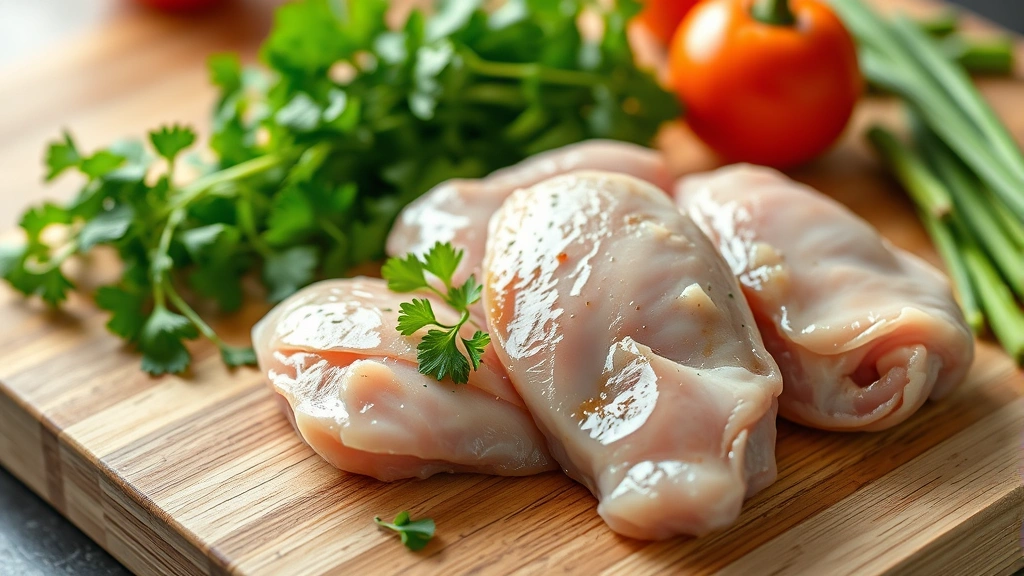
Boneless Skinless Chicken Thigh Benefits: A Dietitian’s Complete Analysis
Boneless skinless chicken thighs have emerged as a nutritional powerhouse that often gets overlooked in favor of their leaner breast counterparts. While chicken breast dominates many fitness and diet conversations, registered dietitians increasingly recognize that chicken thighs offer a unique nutritional profile with distinct advantages for overall health, satiety, and culinary versatility. This cut of poultry delivers more fat-soluble vitamins, superior amino acid composition, and greater micronutrient density than commonly assumed.
The shift toward appreciating chicken thighs reflects evolving nutritional science that moves beyond simple calorie counting and fat reduction. Modern dietary approaches recognize that not all fats are created equal, and the nutritional context of how foods are consumed matters significantly. Boneless skinless chicken thighs represent an accessible, affordable protein source that supports multiple health goals simultaneously—from muscle maintenance to improved nutrient absorption to enhanced satiety during weight management.
Nutritional Profile and Macronutrient Breakdown
A 100-gram serving of boneless skinless chicken thigh contains approximately 209 calories, 26 grams of protein, and 11 grams of fat, making it significantly more calorie-dense than breast meat but offering substantially more nutritional complexity. This macronutrient distribution positions chicken thighs as an ideal protein source for individuals seeking satiety without excessive caloric intake. The protein content alone—representing roughly 50% of calories—supports muscle protein synthesis and metabolic function across diverse populations.
The fat content in boneless skinless chicken thighs deserves particular attention because it fundamentally changes how your body processes and utilizes the protein. Unlike the perception that fat in poultry is inherently problematic, the approximately 11 grams per 100 grams includes monounsaturated and polyunsaturated fatty acids alongside saturated fat. This balanced lipid profile, combined with the presence of fat-soluble vitamins, creates a synergistic nutritional environment that supports hormone production, cellular membrane integrity, and nutrient absorption pathways.
When examining the nutrition care manual recommendations for protein distribution, chicken thighs fit seamlessly into contemporary dietary guidelines. The carbohydrate content is negligible—essentially zero—making this protein source compatible with diverse dietary approaches from ketogenic protocols to Mediterranean patterns to standard balanced diets.
Micronutrient Density and Bioavailability
Beyond the macronutrient framework, boneless skinless chicken thighs deliver an impressive array of micronutrients that distinguish them from leaner poultry cuts. Selenium content reaches approximately 22 micrograms per 100 grams—roughly 40% of the daily recommended intake—supporting thyroid function, antioxidant defense systems, and immune competence. This mineral works synergistically with vitamin E and other antioxidants to protect cellular structures from oxidative stress.
Phosphorus levels in chicken thighs contribute meaningfully to bone health, energy metabolism, and acid-base balance. The presence of B vitamins—particularly niacin, B6, and pantothenic acid—supports energy production, neurotransmitter synthesis, and metabolic enzyme function. These vitamins demonstrate superior bioavailability in the context of animal-based proteins compared to plant sources, meaning your body can extract and utilize these nutrients more efficiently.
Iron content in chicken thighs, while modest compared to red meat, appears in the highly bioavailable heme form. This distinction matters significantly for individuals managing iron status, as heme iron absorption rates exceed 15-35% compared to non-heme plant-based iron at 2-20% absorption. The presence of vitamin C in accompanying vegetables or marinades further enhances iron absorption through established biochemical pathways.
Zinc concentration in boneless skinless chicken thighs supports immune function, wound healing, protein synthesis, and reproductive health. The bioavailability of zinc from poultry exceeds that from plant sources, again reflecting the superior nutrient accessibility of animal-based proteins. For how to improve nutrient absorption from your dietary protein, including chicken thighs alongside vegetables and diverse carbohydrate sources optimizes mineral and vitamin utilization.

Fat Composition and Heart Health Considerations
The cardiovascular implications of consuming boneless skinless chicken thighs have been subject to considerable scrutiny and, in many cases, misconception. Contemporary lipid research from the American Heart Association demonstrates that moderate saturated fat intake within the context of overall dietary patterns poses minimal cardiovascular risk for most individuals. Chicken thighs contain roughly 3-4 grams of saturated fat per 100 grams—a quantity that fits comfortably within evidence-based dietary recommendations.
The fat composition includes substantial monounsaturated fatty acids (oleic acid) and polyunsaturated fatty acids, particularly omega-6 linoleic acid. While excessive omega-6 intake relative to omega-3 has garnered attention in nutritional epidemiology, the absolute amounts in chicken thighs remain modest and well within normal dietary ranges. The ratio of unsaturated to saturated fat in chicken thighs actually compares favorably to many commonly consumed foods.
Cholesterol content—approximately 81 milligrams per 100 grams—reflects the presence of cell membranes and lipoproteins inherent to animal tissue. Current scientific consensus, supported by research from the National Institutes of Health, indicates that dietary cholesterol has minimal impact on blood cholesterol levels for most individuals, with genetic factors and overall dietary patterns exerting far greater influence. The presence of cholesterol also indicates the presence of fat-soluble vitamin carriers and steroid hormone precursors.
For individuals managing specific cardiovascular conditions or genetic lipid disorders, boneless skinless chicken thighs remain appropriate protein sources when incorporated thoughtfully into comprehensive dietary strategies. The satiety provided by the fat content may actually support adherence to evidence-based eating patterns by reducing excessive snacking and improving meal satisfaction.
Protein Quality and Amino Acid Profile
The protein in boneless skinless chicken thighs represents a complete amino acid profile, containing all nine essential amino acids in quantities that exceed requirements for adult maintenance and muscle adaptation. The leucine content—critical for activating muscle protein synthesis pathways—reaches approximately 2.0 grams per 100 grams of cooked thigh meat. This concentration positions chicken thighs effectively for post-exercise protein synthesis stimulation alongside resistance training protocols.
The amino acid pattern in poultry demonstrates optimal ratios for human protein metabolism, with research indicating that the combination of all essential amino acids in appropriate proportions maximizes the utilization efficiency compared to plant-based or partially complete protein sources. Methionine and cysteine—sulfur-containing amino acids—support glutathione production, a master antioxidant system operating throughout cellular tissues.
Tryptophan content in chicken thighs contributes to serotonin synthesis and niacin metabolism, supporting mood regulation and nervous system function. This amino acid demonstrates particularly high bioavailability from poultry sources, meaning the conversion to functional neurotransmitters occurs efficiently. For individuals following nutrition solutions targeting mental health optimization, the amino acid composition of chicken thighs offers biochemical support alongside other dietary interventions.
The digestibility of chicken protein reaches 93-98%, among the highest of any food source. This superior digestibility means that the amino acids become available for absorption and utilization with minimal waste and maximal efficiency. For aging populations, individuals with compromised digestive function, or those recovering from illness, this high digestibility becomes a significant practical advantage.
Satiety and Weight Management Benefits
One of the most underappreciated benefits of boneless skinless chicken thighs relates to satiety signaling and appetite regulation. The combination of protein and fat creates a nutrient density that triggers multiple satiety mechanisms—gastric distension, nutrient sensing through intestinal chemoreceptors, and hormone release (cholecystokinin, peptide YY, glucagon-like peptide-1). These mechanisms work synergistically to promote prolonged fullness compared to lower-fat protein sources consumed in equivalent quantities.
Research in nutritional neuroscience indicates that the fat content in chicken thighs enhances the palatability and oral sensory experience of meals, contributing to psychological satisfaction alongside physiological satiety. This distinction matters significantly for dietary adherence, as sustainable eating patterns depend on both hunger suppression and sensory satisfaction. Individuals following tips for meal planning often find that including chicken thighs supports more satisfying, sustainable meal compositions than exclusively lean protein sources.
The thermic effect of protein—the energy required to digest and process dietary protein—contributes modestly to total daily energy expenditure, with chicken protein generating approximately 20-30% of its caloric content through digestion-associated energy expenditure. When combined with the satiety-promoting properties, chicken thighs support weight management objectives through multiple complementary mechanisms rather than simple caloric restriction.
For individuals managing blood glucose levels, the minimal carbohydrate content and presence of fat in chicken thighs blunt postprandial glucose responses compared to carbohydrate-dominant meals. This metabolic advantage extends satiety duration and supports stable energy levels throughout daily activities, reducing the likelihood of compensatory overeating driven by energy fluctuations.
Athletic Performance and Muscle Recovery
Athletes and individuals engaged in regular resistance training derive substantial benefits from boneless skinless chicken thigh consumption. The complete amino acid profile, particularly the elevated leucine content, stimulates muscle protein synthesis through mTOR pathway activation—a fundamental mechanism underlying muscle hypertrophy and strength adaptation. The timing of chicken thigh consumption relative to training sessions influences the magnitude of protein synthetic response, with post-exercise consumption demonstrating particular efficacy.
The micronutrient density in chicken thighs supports recovery processes beyond protein synthesis. Selenium contributes to antioxidant enzyme systems that manage exercise-induced oxidative stress. B vitamins support energy metabolism and neuromuscular function. Zinc participates in immune function, particularly important during intense training periods when immune suppression temporarily increases infection susceptibility. Iron availability supports oxygen transport and mitochondrial function in working muscles.
The fat-soluble vitamins in chicken thighs—particularly vitamin D and vitamin A—support hormone production, including testosterone and IGF-1, which contribute to muscle adaptation and strength development. While the absolute vitamin D content in chicken thighs remains modest, the presence of this nutrient in a bioavailable form contributes meaningfully to overall vitamin D status when combined with sunlight exposure and other dietary sources.
Creatine content in chicken meat—while lower than in beef—still contributes to total dietary creatine intake, supporting phosphocreatine pools in muscle tissue and enhancing high-intensity exercise capacity. For vegetarian or vegan athletes, this endogenous creatine source becomes particularly valuable given the limited plant-based options for creatine supplementation.
Culinary Advantages and Meal Preparation
Beyond nutritional considerations, boneless skinless chicken thighs offer practical culinary advantages that support consistent dietary adherence. The higher fat content prevents the dryness that frequently occurs with breast meat during cooking, resulting in naturally moist, flavorful preparations. This culinary advantage translates to greater palatability and meal satisfaction, supporting long-term dietary consistency.
The forgiving nature of chicken thigh cooking—tolerating higher temperatures and longer cooking times without quality degradation—makes this protein source ideal for batch cooking, meal preparation, and diverse cooking methods. From slow-cooking to roasting to pan-searing, chicken thighs maintain quality and nutritional integrity across preparation techniques. This versatility supports the practical implementation of healthy nutrition plan strategies that require minimal cooking time and complexity.
The cost-effectiveness of boneless skinless chicken thighs relative to breast meat creates economic accessibility for diverse socioeconomic populations. This affordability, combined with nutritional superiority, positions chicken thighs as an efficient nutrient investment compared to more expensive protein sources. For individuals managing dietary budgets while pursuing nutritional optimization, this value proposition becomes particularly relevant.
The flavor profile of chicken thighs—more pronounced than bland breast meat—pairs effectively with diverse culinary traditions, from Asian stir-fries to Mediterranean braises to Latin American preparations. This culinary flexibility supports dietary variety and prevents the monotony that undermines long-term dietary adherence.
Comparison with Other Protein Sources
When compared directly to chicken breast, boneless skinless chicken thighs demonstrate superior micronutrient density and satiety-promoting properties despite marginally higher caloric content. Breast meat contains approximately 165 calories, 31 grams protein, and 3.6 grams fat per 100 grams—higher protein concentration but substantially lower nutrient density and satiety potential. The choice between these cuts depends on individual goals: breast meat suits calorie-restricted protocols prioritizing maximum protein-to-calorie ratios, while thighs better support satiety, micronutrient optimization, and palatability.
Compared to beef, chicken thighs offer lower iron and zinc concentrations but superior digestibility and generally lower environmental impact. Beef provides superior creatine and carnitine concentrations alongside higher B12 content. The optimal strategy incorporates both sources, leveraging the distinct advantages each provides. Chicken thighs offer greater affordability and accessibility than premium beef cuts while delivering comparable amino acid quality.
Plant-based proteins—legumes, tofu, tempeh—provide complete amino acid profiles only when combined strategically or when selected from certain sources like soy products. The digestibility and bioavailability of plant proteins remain inferior to chicken thighs, requiring larger quantities to achieve equivalent amino acid availability. However, plant-based proteins contribute fiber, polyphenols, and phytonutrients absent in poultry, suggesting complementary rather than competitive roles in optimal dietary patterns.
Fish and seafood provide superior omega-3 fatty acid profiles alongside comparable protein quality. Incorporating both chicken thighs and fish creates complementary nutrient profiles supporting diverse physiological functions. The affordability and accessibility of chicken thighs make them valuable as foundational protein sources within diversified protein strategies.

FAQ
Are boneless skinless chicken thighs healthier than chicken breast?
The comparison depends on individual health objectives. Chicken thighs offer superior micronutrient density, satiety-promoting properties, and culinary versatility. Breast meat provides higher protein concentration with lower calories. Neither is categorically “healthier”—the optimal choice depends on whether your priority emphasizes maximum protein-to-calorie ratios (breast) or micronutrient density and meal satisfaction (thighs). Most nutritional approaches benefit from including both.
How much saturated fat is in boneless skinless chicken thigh?
A 100-gram serving contains approximately 3-4 grams of saturated fat. This quantity represents roughly 15-20% of the daily recommended saturated fat intake for a 2,000-calorie diet. Current evidence suggests this level poses minimal cardiovascular risk within the context of overall dietary patterns emphasizing whole foods, adequate fiber, and balanced micronutrients.
Can boneless skinless chicken thighs support weight loss?
Yes, chicken thighs can effectively support weight management through multiple mechanisms: satiety promotion via protein and fat content, thermogenic effects of protein digestion, and nutrient density supporting metabolic function. The key involves incorporating them into overall calorie-appropriate dietary patterns rather than assuming any single food drives weight loss independently.
What is the best cooking method for chicken thighs?
Cooking methods that preserve nutrient content and palatability include baking (350-425°F), pan-searing followed by oven finishing, slow-cooking, and braising. These methods maintain moisture, prevent nutrient degradation, and develop flavorful preparations. Avoid excessive charring, which generates potentially problematic compounds, though moderate browning develops beneficial flavor compounds without concerning nutrient loss.
How do boneless skinless chicken thighs compare nutritionally to thighs with skin?
Chicken thighs with skin contain additional fat (roughly 15-20 grams per 100 grams) concentrated in the skin layer, increasing caloric content to approximately 250-270 calories per 100 grams. The additional fat includes both saturated and unsaturated components. For individuals prioritizing caloric restriction, boneless skinless versions offer advantages. For those seeking maximum satiety and flavor, skin-on thighs provide additional benefits. Removing skin post-cooking allows flexibility in preparation.
Are there any concerns about eating chicken thighs regularly?
For most individuals, regular chicken thigh consumption presents no health concerns. Individuals with specific conditions (severe heart disease, extreme lipid abnormalities, gout) should consult healthcare providers about appropriate protein choices. Food safety practices—proper storage, cooking temperatures (165°F internal), and hygiene—prevent foodborne illness. Sourcing from reputable suppliers ensures quality and appropriate antibiotic practices when relevant to individual preferences.
How do boneless skinless chicken thighs fit into specific diets?
Chicken thighs accommodate virtually all dietary approaches: ketogenic (excellent macronutrient ratio), Mediterranean (compatible with olive oil and vegetable accompaniments), paleo (unprocessed protein source), standard balanced diets (supports protein requirements), and plant-forward diets (complementary protein source). The versatility and nutrient density make chicken thighs suitable across diverse nutritional philosophies.


