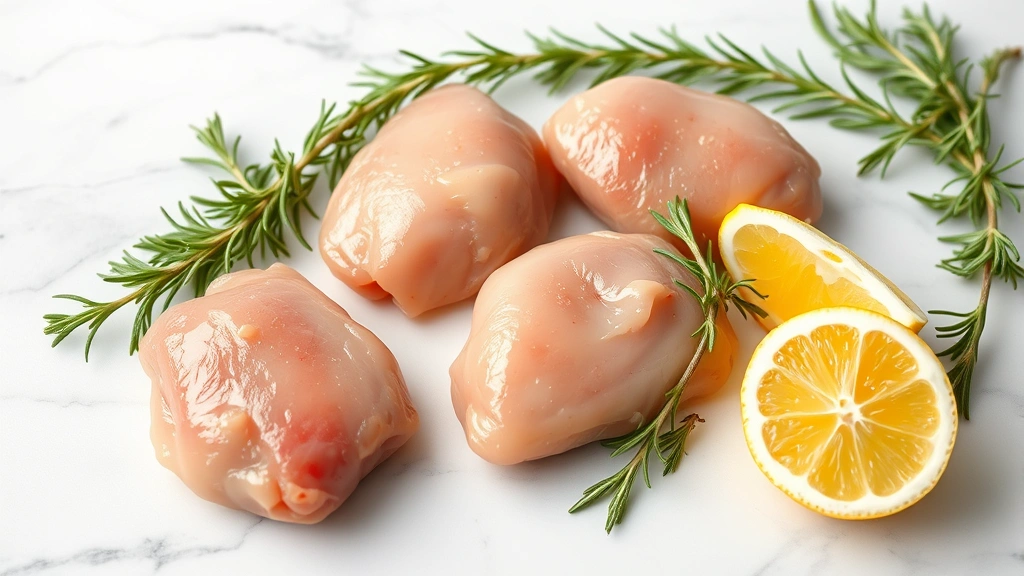
Chicken Liver Benefits? Nutritionist Explains
Chicken liver is one of the most nutrient-dense foods available, yet it remains underutilized in modern diets. This organ meat delivers an impressive concentration of vitamins, minerals, and proteins that support everything from energy production to immune function. Whether you’re optimizing your healthy nutrition plan or exploring ways to enhance your nutritional intake, chicken liver deserves serious consideration as a dietary staple.
For centuries, organ meats have been prized in traditional cuisines worldwide, from French pâtés to Asian stir-fries. Modern nutritional science validates this culinary wisdom, revealing that chicken liver contains bioavailable nutrients often lacking in muscle meat alone. This comprehensive guide explores the documented health benefits, nutritional composition, and practical ways to incorporate this powerhouse food into your daily meals.
Chicken Liver Nutrition Profile
A 100-gram serving of cooked chicken liver provides approximately 165 calories, 26 grams of protein, and virtually no carbohydrates. This macronutrient profile makes it exceptionally valuable for those focused on nutrition for building muscle mass. Beyond basic macronutrients, chicken liver contains remarkable micronutrient density that distinguishes it from conventional protein sources.
The micronutrient composition includes exceptional levels of folate (vitamin B9), vitamin B12, iron, selenium, and copper. A single serving provides 565% of the daily recommended value for vitamin B12, 215% for folate, and 36% for iron. These concentrations explain why nutritionists often recommend chicken liver for individuals with specific micronutrient deficiencies or elevated nutritional demands.
Chicken liver also contains choline, a nutrient essential for brain health and cellular function, along with phosphorus and zinc. The fat content, approximately 5 grams per 100 grams, includes both saturated and unsaturated fats, providing important fat-soluble vitamin absorption capacity. This nutrient density makes chicken liver particularly valuable when developing comprehensive nutrition solutions tailored to individual health goals.
Iron Content and Blood Health
Chicken liver stands as one of the richest dietary sources of heme iron, the highly absorbable form found in animal products. The iron content reaches approximately 11 milligrams per 100 grams, with bioavailability rates significantly higher than non-heme iron sources. This distinction matters substantially for individuals at risk of iron deficiency anemia or those with elevated iron requirements.
Heme iron absorption occurs through dedicated intestinal pathways, bypassing many inhibitory factors that reduce non-heme iron uptake. Unlike plant-based iron sources, chicken liver iron absorption remains relatively unaffected by phytates, tannins, or calcium intake. This makes chicken liver particularly valuable for vegetarians transitioning toward inclusive diets or individuals with absorption challenges.
The iron in chicken liver supports oxygen transport throughout the body, energy production at the cellular level, and immune cell development. Adequate iron status correlates with improved cognitive function, exercise performance, and overall vitality. For women of childbearing age, pregnant individuals, and athletes, chicken liver provides an efficient solution for meeting increased iron demands without excessive caloric intake.
Research from nutritional biochemistry studies demonstrates that regular consumption of heme iron sources like chicken liver significantly improves iron status markers in deficient populations. The copper content in chicken liver further supports iron metabolism and red blood cell formation, creating a synergistic nutritional effect.
B Vitamins for Energy Production
Chicken liver delivers exceptional B vitamin concentrations, making it invaluable for energy metabolism and nervous system function. Vitamin B12, present at 36.5 micrograms per 100 grams, exceeds daily requirements in a single serving. This vitamin proves essential for DNA synthesis, myelin formation, and mitochondrial function, directly impacting energy availability throughout the day.
Folate (vitamin B9) content reaches 240 micrograms per serving, supporting methylation reactions critical for cellular function and genetic expression. Adequate folate intake correlates with improved homocysteine metabolism, cardiovascular health, and cognitive performance. This makes chicken liver particularly relevant for individuals managing nutrition and mental health concerns.
The B vitamin complex in chicken liver includes pantothenic acid, niacin, and riboflavin, each playing distinct roles in energy production. Pantothenic acid participates in acetyl-CoA synthesis, niacin supports NAD+ production, and riboflavin facilitates electron transport chains. Together, these vitamins optimize ATP generation at the mitochondrial level, translating to sustained energy and reduced fatigue.
Individuals experiencing persistent fatigue, brain fog, or energy crashes often show improvement when incorporating chicken liver into their diet. The comprehensive B vitamin profile addresses multiple metabolic pathways simultaneously, producing more significant energy improvements than isolated B vitamin supplementation. This synergistic effect reflects the advantage of consuming whole foods rather than isolated nutrients.
Selenium and Immune Function
Chicken liver provides approximately 36 micrograms of selenium per 100-gram serving, delivering 65% of the daily recommended intake. Selenium functions as a critical cofactor for selenoproteins, including glutathione peroxidase and thioredoxin reductase, which neutralize cellular oxidative stress. This antioxidant function protects immune cells from damage, supporting robust immune responses.
The immune-supporting role of selenium extends beyond antioxidant activity. Selenium influences T-cell proliferation, antibody production, and natural killer cell function. Adequate selenium status correlates with improved response to vaccines, enhanced pathogen clearance, and reduced susceptibility to viral infections. During periods of high immune demand, chicken liver provides concentrated selenium support.
Selenium also supports thyroid hormone metabolism and conversion, directly impacting metabolic rate and overall hormonal balance. The thyroid requires selenium for glutathione peroxidase activity, protecting thyroid tissue from autoimmune damage. Individuals with thyroid concerns often benefit from increased selenium intake through foods like chicken liver.
Research indicates that selenium deficiency compromises immune function at multiple levels, reducing the effectiveness of both innate and adaptive immunity. Conversely, optimal selenium status enhances the body’s ability to recognize and eliminate threats. Chicken liver provides an efficient dietary solution for maintaining selenium sufficiency without relying on supplements.
Protein Quality and Amino Acids
The 26 grams of protein per 100-gram serving of chicken liver represents exceptionally high protein density with minimal caloric cost. More importantly, this protein contains all nine essential amino acids in optimal proportions, achieving a complete amino acid profile superior to most plant-based sources. The protein digestibility-corrected amino acid score (PDCAAS) approaches 1.0, indicating near-perfect protein quality.
Chicken liver provides particularly high concentrations of methionine, a sulfur-containing amino acid essential for methylation reactions and detoxification pathways. It also delivers substantial quantities of leucine, which activates mTOR signaling and supports muscle protein synthesis. For individuals focused on muscle building nutrition, chicken liver offers superior amino acid ratios compared to many conventional protein sources.
The amino acid composition supports not only muscle maintenance but also collagen synthesis, immune protein production, and neurotransmitter synthesis. Tryptophan content, though modest in absolute terms, contributes to serotonin production when combined with adequate carbohydrate intake. This makes chicken liver valuable for mood regulation and mental health support.
Bioavailability of amino acids from chicken liver exceeds that of plant proteins, with absorption rates exceeding 95%. This high bioavailability ensures that the stated protein content translates to actual amino acid availability for tissue synthesis and metabolic functions. The thermal stability of chicken liver proteins also makes them resistant to degradation during cooking, preserving amino acid integrity.
Vitamin A and Eye Health
Chicken liver contains exceptional retinol (preformed vitamin A) concentrations, providing approximately 7,731 international units per 100 grams, or 154% of daily requirements. Unlike beta-carotene from plant sources, retinol requires no conversion step, providing immediate availability for physiological functions. This direct form proves particularly valuable for individuals with absorption or conversion challenges.
Vitamin A supports multiple vision-related processes, from photoreceptor function to corneal health maintenance. Adequate vitamin A intake reduces risk of age-related macular degeneration, cataracts, and night vision impairment. The concentrated retinol in chicken liver provides efficient support for ocular health throughout the lifespan.
Beyond vision, vitamin A regulates gene expression, supports immune cell differentiation, and maintains epithelial tissue integrity throughout the body. Retinol influences the development and function of T-helper cells, enhancing immune responses to pathogens. This multifaceted role explains why vitamin A deficiency produces such diverse health consequences.
The vitamin A content in chicken liver requires careful consideration regarding total intake from all sources, as excessive retinol accumulation can produce toxicity. However, food-based vitamin A from chicken liver poses minimal toxicity risk when consumed in reasonable quantities as part of a varied diet. The presence of supporting nutrients like zinc and selenium in chicken liver enhances vitamin A metabolism and utilization.
Incorporating Into Your Diet
Chicken liver’s versatility allows integration into diverse culinary applications and dietary patterns. For those developing meal planning strategies, chicken liver offers efficient nutrient delivery in small portion sizes, making it particularly valuable for busy schedules or calorie-restricted contexts.
Traditional preparations include sautéing with onions and herbs, incorporating into pâtés, or grinding into ground meat mixtures to enhance nutrient density. A weekly serving of 100-150 grams provides substantial nutrient contributions without requiring significant dietary restructuring. Many individuals find that starting with small quantities, perhaps 50 grams mixed into ground meat dishes, facilitates palatability adaptation.
Chicken liver soups and broths maximize nutrient extraction, particularly beneficial for mineral bioavailability. Slow-cooking methods preserve heat-sensitive B vitamins while extracting collagen and gelatin, creating nutrient-dense broths valuable for brain health and mental wellness. These preparations align well with ancestral dietary patterns increasingly recognized by modern nutrition science.
For individuals with texture preferences against organ meats, ground chicken liver mixed with ground poultry or beef becomes nearly undetectable while significantly enhancing micronutrient density. Pâtés and spreads provide elegant presentations suitable for entertaining while delivering concentrated nutrition. Experimentation with cultural preparations—Asian stir-fries, Mediterranean preparations, or traditional liver and onions—helps identify preferred applications.
Accessibility has improved substantially as awareness of organ meat nutrition grows. Most quality butchers stock chicken livers, and specialty grocers increasingly recognize demand for these nutrient-dense foods. Sourcing from pasture-raised poultry, when possible, further enhances nutrient profiles, particularly regarding omega-3 content and fat-soluble vitamin concentrations.
Preparation and Safety Considerations
Proper handling of chicken liver requires attention to food safety fundamentals. Fresh chicken liver should be cooked within one to two days of purchase or frozen for longer storage. Thorough cooking to an internal temperature of 165°F (74°C) eliminates pathogenic organisms while preserving nutrient content. Ground chicken liver preparations require particular attention to temperature monitoring.
Marinating chicken liver in acidic liquids before cooking can reduce any strong flavors while enhancing tenderness. Vinegar, lemon juice, or yogurt-based marinades provide both culinary and nutritional benefits. The acidic environment may also facilitate mineral absorption while adding complementary flavors that appeal to those new to organ meats.
Freezing chicken liver at temperatures below 0°F (-18°C) preserves nutrient content for three to four months. Thawing should occur in refrigeration rather than at room temperature to minimize bacterial growth. Many individuals prepare chicken liver in batches, cooking portions that can be refrigerated for three to four days or frozen for convenient future use.
Individuals taking certain medications, particularly warfarin or other blood thinners, should consult healthcare providers before significantly increasing vitamin K intake, though chicken liver contains minimal vitamin K. Those with gout or elevated uric acid should monitor purine content, as organ meats contain higher purine concentrations than muscle meat. Pregnant individuals should ensure chicken liver is thoroughly cooked to eliminate any potential pathogenic organisms.
The environmental impact of consuming chicken liver reflects positive sustainability considerations. Utilizing organ meats reduces food waste while maximizing nutritional value from each animal. This aligns with ethical food practices and resource efficiency principles increasingly important to conscious consumers.
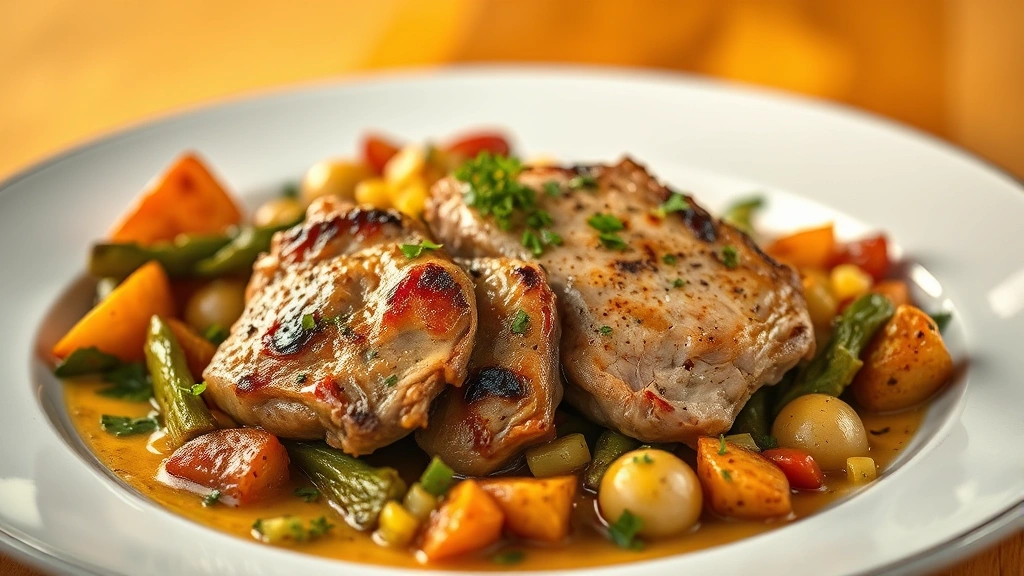
” alt=”Fresh chicken livers on cutting board with fresh herbs and lemon, professional food photography, natural lighting, minimalist composition”/>
Quality sourcing matters substantially for chicken liver consumption. Pasture-raised poultry typically demonstrates superior nutrient profiles compared to conventional industrial production. The diet and living conditions of chickens influence nutrient concentrations in their tissues, making sourcing decisions relevant to nutritional outcomes. Local farms and farmers’ markets often provide access to higher-quality poultry products.
Storage considerations extend beyond refrigeration and freezing. Chicken liver oxidizes when exposed to air, potentially reducing nutrient bioavailability. Vacuum-sealed storage or airtight containers minimize oxidative damage. Some individuals purchase whole livers from butchers rather than pre-packaged options, ensuring maximum freshness and quality.
Preparation methods significantly impact final nutrient content. Gentle cooking methods like poaching or low-temperature simmering preserve heat-sensitive B vitamins more effectively than high-heat sautéing. However, moderate heat cooking remains preferable to raw consumption, which carries food safety risks. Finding balance between safety, palatability, and nutrient preservation optimizes the chicken liver experience.

” alt=”Nutritionist reviewing chicken liver nutrition facts with client in modern wellness clinic, professional consultation setting, warm lighting, diverse representation”/>
FAQ
How much chicken liver should I consume weekly?
Most nutritionists recommend 100-150 grams of chicken liver weekly, distributed across one to two servings. This quantity provides substantial micronutrient benefits without excessive vitamin A accumulation. Individual requirements vary based on existing nutrient status, dietary patterns, and health objectives. Those with documented deficiencies may benefit from more frequent consumption, while others integrate chicken liver as part of regular organ meat rotation.
Can chicken liver support iron-deficiency anemia treatment?
Yes, chicken liver’s exceptional heme iron content makes it valuable for addressing iron-deficiency anemia. The high bioavailability and absence of absorption inhibitors allow efficient iron delivery. However, medical supervision remains essential for anemia treatment, as underlying causes require identification. Chicken liver serves as a dietary complement to medical interventions rather than a replacement for professional treatment.
Does cooking chicken liver destroy nutrients?
Moderate cooking preserves most chicken liver nutrients, though some heat-sensitive B vitamins decrease with extended cooking. Gentle cooking methods like poaching or light sautéing minimize nutrient loss while ensuring food safety. The nutrient retention remains substantially higher than many plant foods, even after cooking, due to the dense nutrient concentration in raw chicken liver.
Is chicken liver safe for pregnant individuals?
Thoroughly cooked chicken liver is generally safe during pregnancy, providing valuable iron, folate, and B12 for fetal development. The vitamin A content requires attention, as excessive retinol intake may increase birth defect risk. Moderate consumption—approximately 100 grams once weekly—provides benefits without excessive vitamin A intake. Pregnant individuals should consult healthcare providers regarding specific dietary recommendations based on individual circumstances.
How does chicken liver compare to beef liver nutritionally?
Both chicken and beef liver deliver exceptional nutrient density, with slightly different micronutrient profiles. Beef liver contains higher iron and vitamin B12 concentrations, while chicken liver offers slightly lower vitamin A levels and may have superior palatability for some individuals. Both qualify as superfoods worthy of regular consumption. Selection often depends on personal preference, accessibility, and culinary applications rather than significant nutritional differences.
Can I include chicken liver in elimination diets?
Chicken liver’s simple ingredient profile—just poultry organ tissue—makes it suitable for most elimination diets. Its nutrient density proves particularly valuable when dietary restrictions limit food variety. However, those with poultry sensitivities would need to exclude it. Consultation with a healthcare provider or registered dietitian ensures chicken liver aligns with specific elimination protocol objectives.
Does chicken liver contain omega-3 fatty acids?
Chicken liver contains modest omega-3 content, approximately 0.1 grams per 100 grams. While not a primary omega-3 source compared to fatty fish, pasture-raised chicken liver demonstrates higher omega-3 concentrations than conventional production. The fat content in chicken liver primarily comprises monounsaturated and saturated fats, with minimal polyunsaturated content. Those prioritizing omega-3 intake should combine chicken liver with dedicated omega-3 sources like fatty fish or algae supplements.


