Rotisserie Chicken: Healthy Choice? Dietitian Insight
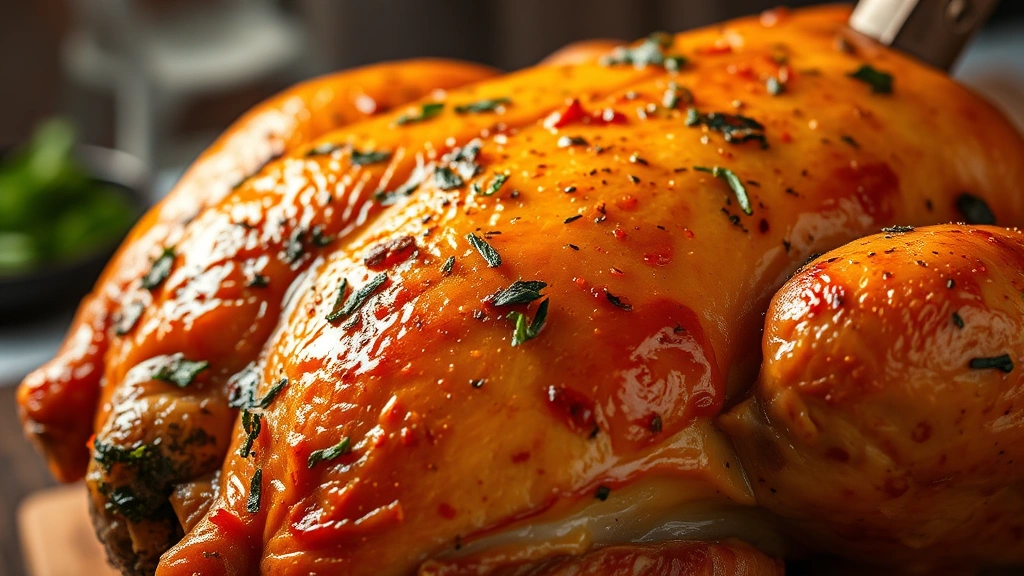
Rotisserie chicken has become a staple in grocery stores and busy households, promising convenience without sacrificing nutrition. But is this golden, fragrant bird truly the healthy protein powerhouse it claims to be? As a popular nutrition solution for meal preparation, rotisserie chicken deserves a closer examination. This guide explores the nutritional reality of rotisserie chicken, examining both its benefits and potential concerns that dietitians want you to understand.
The appeal is undeniable: tender, juicy meat ready to eat, no cooking required, and seemingly straightforward nutrition. Yet the full picture involves understanding sodium levels, skin considerations, cooking methods, and how this protein fits into an overall healthy nutrition plan. By examining the evidence, we can determine whether rotisserie chicken deserves a permanent spot in your weekly meal rotation.
Nutritional Profile of Rotisserie Chicken
A typical rotisserie chicken (approximately 1.5 pounds) contains roughly 1,200-1,400 calories, with significant macronutrient distribution. The breast meat offers approximately 35-40 grams of protein per 100-gram serving, making it an excellent protein source. Thigh meat, darker and more flavorful, contains slightly more fat but comparable protein content at 26-28 grams per 100-gram serving.
When examining micronutrients, rotisserie chicken delivers substantial selenium, niacin, and phosphorus. The B-vitamin content supports energy metabolism and nervous system function. Iron content varies by cut, with dark meat providing more bioavailable iron than white meat. Zinc levels are also notable, contributing to immune function and wound healing.
The fat composition includes both saturated and unsaturated fats. A 3.5-ounce serving of breast meat with skin contains approximately 9 grams of fat, while skinless breast delivers only 3.6 grams. This distinction matters significantly for those monitoring saturated fat intake. The cooking method—rotisserie preparation using heat and often oil or butter—means fat content differs from boiled or grilled chicken.
According to research on poultry nutrition, rotisserie preparation can affect nutrient bioavailability. The high-heat cooking method may reduce certain heat-sensitive B vitamins while concentrating others. Understanding these nuances helps contextualize rotisserie chicken within broader dietary patterns.
The Sodium Reality Check
Here lies the primary concern for most dietitians. A single rotisserie chicken can contain 1,500-2,500 milligrams of sodium, depending on the brand and seasoning blend. The USDA recommends limiting sodium to 2,300 milligrams daily for most adults. One chicken represents 65-109% of daily sodium allowance before consuming any other foods.
The sodium concentration serves multiple purposes in commercial rotisserie preparation: preservation, flavor enhancement, and moisture retention. Manufacturers inject saline solutions directly into meat, ensuring juiciness and shelf stability. While this produces the tender texture consumers expect, it dramatically increases sodium content compared to home-roasted chicken.
This sodium consideration becomes particularly important for individuals with hypertension, heart disease, or kidney conditions. Those following a nutrition care manual for medical reasons should account for rotisserie chicken’s sodium contribution carefully. A quarter of a rotisserie chicken without skin provides approximately 400-600 milligrams of sodium, still substantial for restricted-sodium diets.
Selecting rotisserie chicken from retailers offering lower-sodium options can mitigate this concern. Some stores now label sodium content prominently. Comparing brands reveals sodium variation of 500+ milligrams per serving, making informed selection possible.
Protein Benefits and Muscle Support
The primary nutritional strength of rotisserie chicken is its protein density and amino acid profile. Chicken contains all nine essential amino acids in optimal proportions, making it a complete protein. This matters for muscle maintenance, repair, and synthesis across all life stages.
For older adults experiencing age-related muscle loss (sarcopenia), rotisserie chicken provides an accessible protein source requiring minimal preparation. The convenience factor directly supports adherence to adequate protein intake. Research demonstrates that older adults consuming sufficient complete proteins experience better functional outcomes and independence.
Athletes and active individuals benefit from rotisserie chicken’s leucine content, an amino acid triggering muscle protein synthesis. A 3.5-ounce serving provides 2.5-3 grams of leucine, approaching the threshold for optimal muscle stimulation. Combined with resistance training, regular rotisserie chicken consumption supports strength and body composition goals.
The bioavailability of rotisserie chicken protein is excellent, meaning the body efficiently absorbs and utilizes amino acids. Compared to plant-based proteins requiring combination strategies for complete amino acid profiles, rotisserie chicken offers straightforward nutritional completeness.

Skin On or Skin Off: Which Matters?
The skin presents a practical decision affecting both nutrition and satiety. Chicken skin contains approximately 36 grams of fat per 100-gram serving, compared to 1.4 grams in skinless breast meat. The fat is primarily located in and immediately beneath the skin, making removal relatively simple.
However, skin contributes significantly to flavor, moisture, and satiety. Removing skin often results in drier meat, particularly from breast portions. The fat aids absorption of fat-soluble vitamins (A, D, E, K), potentially enhancing nutrient bioavailability. This creates a practical trade-off between fat reduction and nutrient absorption efficiency.
Dietitian recommendation typically depends on individual health goals. Those managing weight or cardiovascular disease may prefer skinless preparation. Those with adequate calorie needs and seeking enhanced satiety benefit from skin inclusion. The saturated fat in skin (approximately 10 grams per 100-gram serving) matters for those monitoring heart disease risk factors.
A practical compromise involves consuming skin with white meat but removing it from thighs and drumsticks, which contain higher total fat content. This approach balances flavor, satiety, and fat management.
Integration Into Meal Planning Strategy
Rotisserie chicken excels as a meal planning tool, offering multiple uses from a single purchase. One chicken can provide protein for 3-4 meals when combined with vegetables and whole grains. This versatility supports consistent nutrition without repetitive preparation.
Shredded rotisserie chicken works excellently in grain bowls, salads, tacos, and soups. Whole pieces pair well with roasted vegetables and starchy carbohydrates. Broth made from bones provides collagen and gelatin, supporting joint and digestive health. This multi-use approach maximizes nutritional value and minimizes food waste.
Portion control becomes important when integrating rotisserie chicken into balanced meals. A serving size of 3.5 ounces (100 grams) provides complete protein without excessive calories. Pairing with non-starchy vegetables and whole grains creates satiety and nutritional balance.
For those seeking to improve nutrient absorption, combining rotisserie chicken with vitamin C sources (citrus, bell peppers, tomatoes) enhances iron absorption. Pairing with healthy fats (olive oil, avocado) supports vitamin absorption from accompanying vegetables.
Storage and Food Safety Considerations
Rotisserie chicken requires careful handling despite its processed nature. Bacteria can proliferate rapidly in the “danger zone” (40-140°F). Purchased rotisserie chicken should be refrigerated within two hours, or one hour if room temperature exceeds 90°F.
Properly stored rotisserie chicken remains safe for 3-4 days in the refrigerator. Shredded meat can be frozen for up to 2-3 months, though texture changes slightly upon thawing. Broth from bones freezes well for 2-3 months, providing convenient foundation for soups and stews.
Signs of spoilage include off odors, slime texture, or color changes. When in doubt, discard the chicken. Foodborne illness from spoiled poultry can cause serious illness, particularly in vulnerable populations including young children, pregnant women, and older adults.
Reheating rotisserie chicken to 165°F ensures food safety and eliminates any bacteria introduced during handling. Using separate cutting boards for raw vegetables and chicken prevents cross-contamination.
Healthy Preparation Methods
While rotisserie chicken arrives fully cooked, preparation methods affect overall nutritional quality. Removing excess skin and visible fat reduces calorie and saturated fat content. Choosing white meat over dark meat lowers fat intake while maintaining protein content.
Creating balanced plates involves combining rotisserie chicken with nutrient-dense sides. Roasted vegetables provide fiber, vitamins, and minerals. Whole grains like quinoa or brown rice add fiber and B vitamins. Leafy greens contribute micronutrients and phytochemicals supporting overall health.
Flavor enhancement without additional sodium involves using fresh herbs, spices, citrus, and vinegar. Garlic, herbs de Provence, cumin, and paprika add taste complexity without sodium. Lemon juice, lime juice, or balsamic vinegar provide brightness and acidity enhancing palatability.
Portion awareness prevents overconsumption. A serving size of 3.5 ounces provides substantial protein and satisfaction. Eating slowly, with attention to hunger and fullness cues, supports appropriate intake.

FAQ
Is rotisserie chicken healthier than other chicken preparations?
Rotisserie chicken offers convenience and adequate nutrition, but isn’t inherently superior to properly prepared home-roasted chicken. Home-roasted chicken allows sodium control and cooking method selection. Rotisserie chicken’s advantage lies in accessibility and time savings, not nutritional superiority. For those with limited cooking ability or time, rotisserie chicken represents a practical, nutritious choice.
How much rotisserie chicken should I eat daily?
Most adults benefit from 3-6 ounces of protein daily, with rotisserie chicken providing approximately 35 grams per 3.5-ounce serving. A quarter chicken (approximately 3.5 ounces) fits within typical daily protein recommendations. Individual needs vary based on age, activity level, and health status. Consulting a nutrition blog or dietitian provides personalized guidance.
Can rotisserie chicken support weight loss?
Yes, rotisserie chicken can support weight loss due to high protein content promoting satiety and preserving muscle mass during calorie restriction. Choosing skinless breast meat reduces calories while maintaining protein. Pairing with vegetables and whole grains creates satisfying, nutrient-dense meals supporting sustainable weight loss.
Is rotisserie chicken safe for children?
Rotisserie chicken is safe for children when prepared appropriately. Removing bones completely and cutting meat into age-appropriate sizes prevents choking hazards. The sodium content merits consideration for young children, though occasional consumption within balanced meals presents no concern. Monitoring total sodium intake across all foods ensures appropriateness for developing children.
How does rotisserie chicken compare nutritionally to other protein sources?
Rotisserie chicken provides comparable protein and micronutrient content to other poultry preparations. Fish offers omega-3 fatty acids absent in chicken. Legumes provide fiber and phytonutrients with lower protein density. Red meat offers higher iron and B12 content. Variety across protein sources ensures comprehensive nutrient intake.
Can people with sodium restrictions eat rotisserie chicken?
Those on sodium-restricted diets should consume rotisserie chicken cautiously, accounting for its sodium contribution carefully. Selecting lower-sodium brands when available helps. Consuming only a portion of one chicken, combined with sodium-free sides, allows inclusion within restricted sodium budgets. Consulting healthcare providers ensures appropriateness for individual medical conditions.