
Chicken Thigh Nutrition: Dietitian’s Analysis
Chicken thighs have long been overshadowed by their leaner breast counterparts, yet they represent a nutritional powerhouse that deserves serious consideration in any balanced diet. While fitness enthusiasts have traditionally gravitated toward chicken breast for its lower fat content, emerging nutritional science and culinary wisdom reveal that chicken thighs offer superior flavor, versatility, and a compelling nutrient profile that supports overall health. This comprehensive analysis explores the complete nutritional landscape of chicken thighs, examining how they fit into modern dietary approaches and why they deserve a prominent place on your plate.
As a registered dietitian would attest, understanding the nuanced differences between poultry options enables more informed dietary choices. Chicken thighs contain higher levels of certain micronutrients, beneficial fatty acids, and compounds that support joint health and cognitive function. The misconception that all fat is detrimental has been thoroughly debunked by contemporary nutritional research, making this an ideal moment to reassess our relationship with this affordable, nutrient-dense protein source.
Macronutrient Breakdown
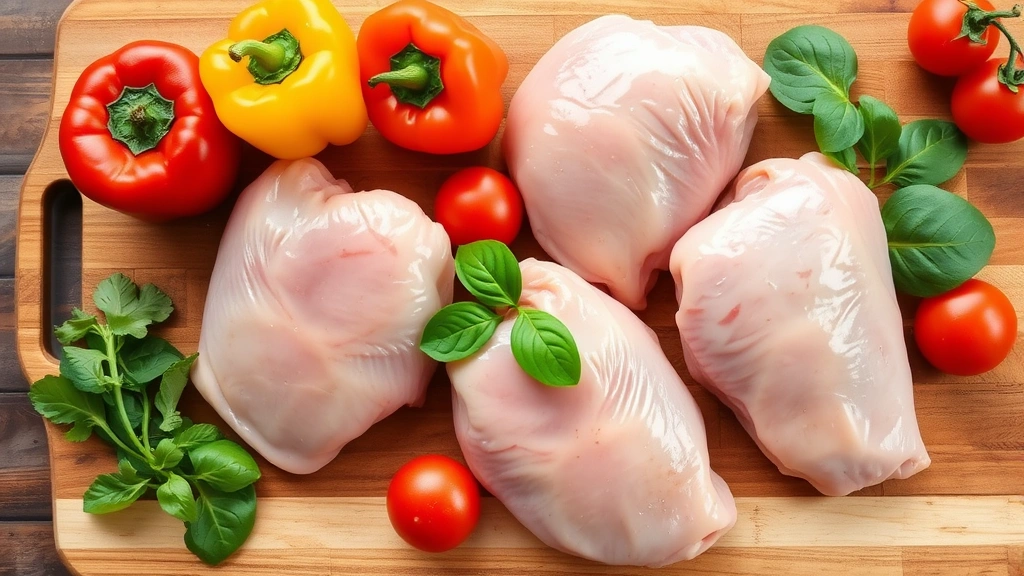
A 100-gram serving of cooked chicken thigh (with skin) contains approximately 209 calories, 26 grams of protein, and 11 grams of fat. When examining the chicken thigh nutrition facts in detail, the protein content stands out as exceptionally high, making it an excellent choice for muscle maintenance, recovery, and satiety. The protein-to-calorie ratio remains favorable even when accounting for the higher fat content compared to breast meat.
The carbohydrate content in chicken thighs is virtually zero, making them ideal for ketogenic, paleo, and low-carb dietary approaches. This characteristic, combined with the substantial protein density, explains why athletes and fitness enthusiasts are increasingly incorporating thighs into their meal strategies. The fat content, while higher than breast meat, provides crucial satiety signals that help regulate appetite and reduce overall caloric intake during the day.
When skinless, chicken thighs contain approximately 178 calories and 8 grams of fat per 100 grams, still maintaining excellent protein levels. This option provides a middle ground for those seeking to balance flavor and nutritional density with slightly lower fat intake. The choice between skin-on and skinless depends on individual dietary goals, cooking methods, and personal preferences.
Your dietary approach matters significantly when selecting poultry options. Consulting our comprehensive guide to eating well for life can help you determine the optimal protein sources for your specific health objectives and lifestyle factors.
Micronutrients and Essential Minerals
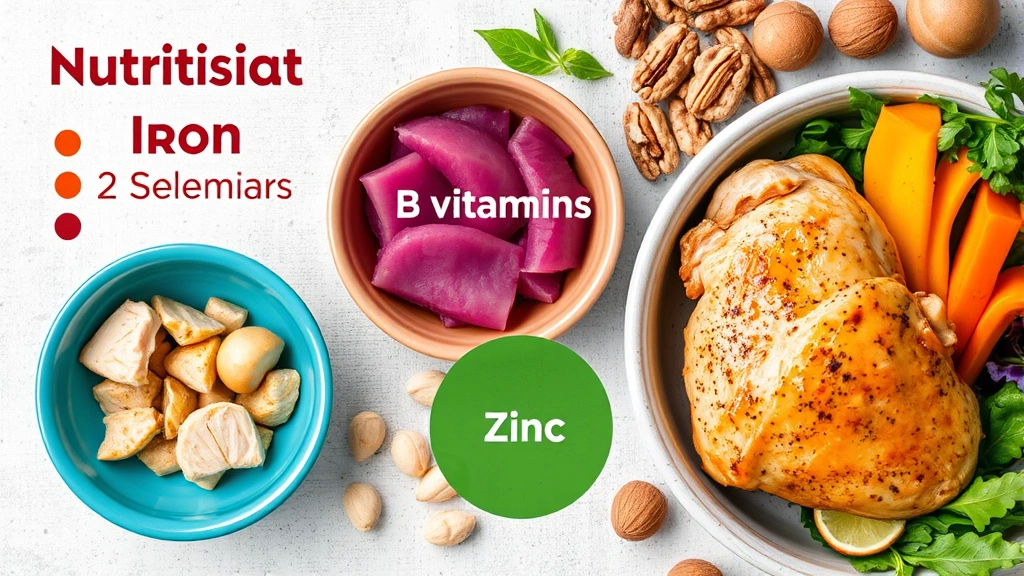
Beyond macronutrients, chicken thighs deliver an impressive array of micronutrients that support diverse physiological functions. Iron content in chicken thighs exceeds that of breast meat, with approximately 1.3 milligrams per 100 grams of cooked meat. This heme iron—the highly bioavailable form found in animal proteins—supports oxygen transport and energy metabolism more effectively than non-heme iron from plant sources.
Zinc represents another critical micronutrient where chicken thighs excel. A 100-gram serving provides roughly 2.4 milligrams of zinc, supporting immune function, wound healing, and protein synthesis. For individuals following plant-based or restrictive diets, animal proteins like chicken thighs offer superior zinc bioavailability compared to vegetable sources.
Phosphorus, essential for bone health and energy production, appears in substantial quantities in chicken thighs. Potassium content also merits attention, contributing to cardiovascular health and electrolyte balance. These minerals work synergistically to support metabolic function and maintain proper cellular communication throughout the body.
Niacin (vitamin B3) concentration in chicken thighs reaches approximately 7.2 milligrams per 100 grams, supporting energy metabolism and DNA repair mechanisms. Pantothenic acid (B5) facilitates hormone and cholesterol production, while vitamin B6 aids amino acid metabolism and neurotransmitter synthesis. Understanding these micronutrient contributions helps explain why chicken thighs have sustained human populations across diverse cultures for centuries.
Fat Profile and Heart Health
The fat composition of chicken thighs has been subject to considerable scrutiny and misconception. Modern lipid science reveals that the fat profile in poultry thighs contains significant proportions of monounsaturated and polyunsaturated fats, the same categories recognized as heart-healthy by major health organizations. Approximately 40% of the fat in chicken thighs consists of monounsaturated fatty acids, comparable to olive oil in terms of cardiovascular benefit.
Research published by the American Heart Association demonstrates that dietary fat quality matters far more than quantity alone. The saturated fat content in chicken thighs, while higher than breast meat, remains moderate and contributes less than 30% of total fat calories. This composition supports healthy cholesterol profiles when consumed as part of a balanced diet incorporating fiber, whole grains, and varied vegetable sources.
Conjugated linoleic acid (CLA), a beneficial polyunsaturated fat, appears naturally in chicken thighs and has demonstrated potential anti-inflammatory properties in nutritional research. The presence of omega-3 and omega-6 polyunsaturated fats supports brain health, reduces systemic inflammation, and contributes to optimal cell membrane function. These compounds cannot be synthesized by the human body, making dietary sources essential.
The fat-soluble vitamins A, D, E, and K require dietary fat for optimal absorption. Consuming chicken thighs with their natural fat content actually enhances micronutrient bioavailability compared to consuming extremely lean proteins alongside separate fat sources. This synergistic relationship explains why traditional cuisines worldwide have favored thighs and other fattier cuts.
Selenium, B Vitamins, and Cognitive Function
Selenium emerges as perhaps the most distinctive micronutrient in chicken thighs, with 100 grams providing approximately 22 micrograms—nearly half the recommended daily intake for adults. This trace mineral functions as a critical component of selenoproteins, which protect cells from oxidative damage and support thyroid hormone metabolism. Research on selenium and neurological health indicates connections between adequate intake and reduced risk of cognitive decline in aging populations.
The B-vitamin complex in chicken thighs supports energy production at the cellular level while simultaneously maintaining nervous system integrity. Thiamine (B1), riboflavin (B2), and niacin (B3) work together to extract energy from macronutrients, while B6 and B12 support neurotransmitter synthesis and myelin formation. For individuals seeking cognitive optimization and mental clarity, chicken thighs provide a concentrated source of these neurologically essential nutrients.
Choline, often overlooked in standard nutritional analyses, appears in significant quantities in chicken thighs and plays crucial roles in brain development, memory formation, and acetylcholine synthesis. This compound has gained recognition from the National Institutes of Health as potentially protective against cognitive decline. The interconnected benefits of selenium, B vitamins, and choline suggest that chicken thighs represent a particularly valuable food choice for neurological health across the lifespan.
Understanding how nutrition impacts mental performance and emotional regulation is essential for comprehensive health optimization. Our detailed exploration of nutrition and mental health provides deeper insights into how dietary choices influence cognitive function and psychological wellbeing.
Comparison with Chicken Breast
Direct comparison between chicken thighs and breast meat reveals distinct nutritional profiles suited to different dietary contexts. While chicken breast contains marginally more protein per 100 grams (31 grams versus 26 grams), the difference proves negligible when considering total meal composition. The substantially higher micronutrient density in thighs often compensates for the slight protein differential.
Chicken breast contains approximately 1.4 grams of fat per 100 grams when skinless, compared to 11 grams in skin-on thighs. However, this disparity reflects different nutritional philosophies rather than absolute superiority. The additional fat in thighs enhances satiety, supports hormone production, and facilitates nutrient absorption. Athletes and active individuals benefit from thighs’ superior micronutrient profile and enhanced recovery support.
Cost-effectiveness strongly favors chicken thighs, typically priced 30-40% lower than equivalent quantities of breast meat. This economic advantage makes thighs particularly valuable for individuals prioritizing nutritional density within budget constraints. The superior flavor profile of thighs, attributed to higher fat content and myoglobin concentration, translates to enhanced palatability and greater likelihood of consistent consumption.
Cooking characteristics differ substantially between cuts. Chicken thighs tolerate longer cooking times and higher temperatures without drying out, making them ideal for braising, slow cooking, and roasting. This forgiving nature encourages home cooking rather than reliance on processed alternatives, supporting overall dietary quality. Breast meat, by contrast, requires more precise cooking techniques to maintain moisture and tenderness.
Cooking Methods and Nutrient Retention
Preparation methodology significantly impacts the ultimate nutritional value of chicken thighs. Roasting at moderate temperatures (375-400°F) preserves micronutrient content while developing complex flavors through the Maillard reaction. This cooking approach represents an optimal balance between palatability and nutritional integrity, requiring 35-45 minutes depending on portion size.
Slow cooking and braising methods, while extending cooking time, actually enhance certain nutrient bioavailability by breaking down connective tissue and releasing bound minerals. The cooking liquid, enriched with dissolved nutrients and collagen-derived compounds, can be incorporated into sauces or consumed as bone broth, maximizing nutritional extraction. These traditional preparation methods have demonstrated superior health outcomes in populations with longest lifespans.
Grilling and pan-searing at high temperatures may produce compounds requiring moderation in consumption frequency. The formation of heterocyclic amines (HCAs) and polycyclic aromatic hydrocarbons (PAHs) during high-heat cooking can be substantially reduced through marinating with antioxidant-rich ingredients and incorporating charred vegetable accompaniments. Marinating chicken thighs in acidic and herb-based mixtures before cooking reduces HCA formation by 50-90% according to National Cancer Institute research.
Boiling, while preserving heat-sensitive vitamins like B vitamins, leaches water-soluble minerals into cooking liquid. However, this liquid can be retained for soups and stocks, maintaining nutritional value. Steaming represents an excellent compromise, preserving micronutrients while avoiding nutrient loss to external liquid. The choice of cooking method should align with overall dietary patterns and individual health objectives.
Integration into Meal Plans
Incorporating chicken thighs into strategic meal planning enhances nutritional diversity and dietary adherence. Thighs work exceptionally well in Mediterranean-style preparations featuring olive oil, tomatoes, and herbs—combinations that enhance micronutrient absorption while supporting cardiovascular health. Asian preparations incorporating ginger, turmeric, and other anti-inflammatory spices amplify the health-promoting properties of this protein source.
For individuals following comprehensive nutrition solutions, chicken thighs provide flexibility across macronutrient-focused approaches. In ketogenic contexts, thighs supply adequate fat and protein while maintaining zero carbohydrate content. For those pursuing higher-carbohydrate or balanced macro approaches, thighs integrate seamlessly alongside whole grains and varied vegetables.
Meal prep strategies benefit significantly from chicken thighs’ forgiving nature. Batch-cooking thighs on weekends yields versatile protein for diverse applications throughout the week. Shredded thigh meat works excellently in grain bowls, salads, tacos, and grain-based dishes. The developed flavor profile means thighs require minimal additional seasoning, reducing preparation complexity while maintaining palatability across multiple meals.
Pairing chicken thighs with nutrient-dense vegetables amplifies micronutrient intake and supports optimal nutrient synergy. Iron absorption increases substantially when consumed alongside vitamin C sources like bell peppers, tomatoes, or citrus. Similarly, combining thighs with carotenoid-rich vegetables enhances fat-soluble vitamin absorption. This strategic pairing approach maximizes the nutritional return on each meal.
For individuals seeking comprehensive dietary guidance aligned with personal health objectives, exploring our nutrition solutions and blog resources provides evidence-based frameworks for sustainable dietary optimization.
FAQ
How much protein is in a chicken thigh?
A 100-gram serving of cooked chicken thigh contains approximately 26 grams of protein, providing substantial amino acid diversity supporting muscle maintenance, immune function, and enzyme synthesis. This quantity delivers approximately 50% of the daily recommended protein intake for a 150-pound individual.
Are chicken thighs healthier than chicken breast?
Neither cut is universally “healthier”—rather, they serve different nutritional contexts. Chicken thighs provide superior micronutrient density, enhanced satiety through higher fat content, and superior flavor, making them preferable for many dietary approaches. Chicken breast offers slightly higher protein concentration with minimal fat, suiting specific athletic or weight-loss protocols. Individual health goals determine optimal selection.
Can chicken thighs fit into a weight loss diet?
Absolutely. The higher fat and protein content in chicken thighs promotes satiety more effectively than lean alternatives, often resulting in reduced overall caloric intake throughout the day. Research demonstrates that moderate-fat protein sources support superior dietary adherence and metabolic health compared to extremely low-fat approaches, making thighs a legitimate choice for sustainable weight management.
What is the sodium content in chicken thighs?
Unseasoned, cooked chicken thighs contain minimal sodium—approximately 75 milligrams per 100 grams. This low sodium baseline allows for flexible seasoning strategies aligned with individual sodium tolerance and blood pressure management goals. Avoiding processed preparations maximizes this advantage.
How do I reduce the fat content while maintaining flavor?
Removing skin reduces fat by approximately 27%, while roasting on racks allows fat to drip away during cooking. Choosing skinless thighs provides a middle ground between flavor and fat reduction. Braising in vegetable-based broths imparts flavor through cooking liquid rather than fat alone. These approaches preserve micronutrient benefits while moderating fat intake.
Is the selenium in chicken thighs bioavailable?
Yes, selenium from animal sources demonstrates superior bioavailability compared to plant-based sources. A single 100-gram serving of chicken thigh provides nearly half the recommended daily selenium intake in a highly absorbable form, supporting thyroid function and antioxidant protection effectively.
How often should I consume chicken thighs?
Incorporating chicken thighs 2-4 times weekly as part of a varied protein rotation provides optimal nutritional benefits while maintaining dietary diversity. This frequency allows adequate intake of unique micronutrients without excessive repetition. Balancing thighs with fish, legumes, and other protein sources creates comprehensive nutritional coverage across the week.


