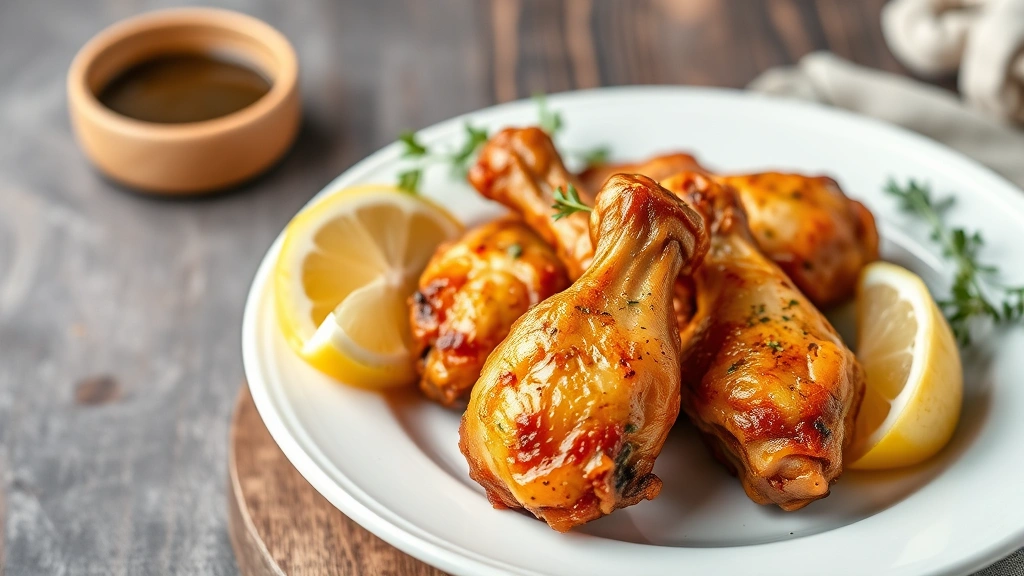
Chicken Wings Nutrition: Dietitian Insights on Protein, Fat, and Health Implications
Chicken wings have become a cultural staple in modern dining, from sports bar favorites to party platters and restaurant menus worldwide. Yet despite their popularity, many people remain uncertain about their nutritional value and how they fit into a balanced diet. As a nutritionist analyzing chicken wings nutrition data, I’ve discovered that this food is far more nuanced than popular perception suggests—offering substantial protein benefits alongside legitimate concerns about preparation methods and caloric density.
Understanding the complete nutritional profile of chicken wings requires examining not just the raw poultry itself, but also how cooking techniques, sauces, and portion sizes dramatically alter their health impact. Whether you’re an athlete seeking protein sources, someone managing weight, or simply curious about what you’re eating, this comprehensive guide breaks down the science behind chicken wings nutrition with evidence-based insights.
Basic Nutritional Breakdown of Chicken Wings
When examining chicken wings nutrition data, the baseline measurements reveal compelling information about this protein source. A standard serving of three ounces of cooked chicken wings with skin contains approximately 170-180 calories, with variations depending on the specific cut and preparation method. The macronutrient distribution shows roughly 26 grams of protein per 100-gram serving, making wings a legitimate protein-rich food that merits consideration in nutrition solutions planning.
The micronutrient profile includes significant amounts of B vitamins, particularly niacin and B6, which support energy metabolism and neurological function. Chicken wings also provide selenium, phosphorus, and zinc—minerals essential for immune function and bone health. According to research from the USDA Nutrient Database, a three-ounce serving of roasted chicken wings delivers approximately 15 percent of the daily recommended value for niacin and meaningful quantities of other B-complex vitamins.
However, the nutritional picture becomes more complex when considering the fat content. Raw chicken wings contain roughly 11 grams of total fat per 100 grams, with approximately 3 grams being saturated fat. This saturated fat content is where dietary considerations become important, particularly for individuals managing cholesterol levels or following specific health protocols outlined in healthy nutrition plans.
Protein Content and Muscle Development
From a dietitian’s perspective, the protein quality in chicken wings deserves particular attention. Chicken provides all nine essential amino acids, classifying it as a complete protein source—a crucial distinction for anyone focused on muscle development, recovery, or maintaining lean body mass. The specific amino acid profile includes high levels of leucine, which plays a central role in muscle protein synthesis according to research published in the Journal of the International Society of Sports Nutrition.
For athletes and fitness enthusiasts, nutrition for athletes often emphasizes protein quantity and quality, making chicken wings a viable option when prepared appropriately. A serving of wings can deliver 20-26 grams of protein depending on portion size and cooking method, contributing meaningfully toward the 1.6-2.2 grams per kilogram of body weight recommended for individuals engaged in resistance training. The bioavailability of poultry protein ranks exceptionally high, meaning your body efficiently absorbs and utilizes the amino acids present.
What distinguishes chicken wings from other poultry cuts is the inclusion of connective tissue and skin. While this increases caloric density, it also provides collagen and gelatin when slow-cooked or braised—compounds gaining recognition in sports nutrition circles for supporting joint health. Athletes consuming chicken wings should focus on preparation methods that preserve protein integrity while minimizing unnecessary added fats.
Fat Profile and Cardiovascular Considerations
The fat composition of chicken wings warrants detailed examination, particularly the distinction between saturated and unsaturated fats. Research from the American Heart Association indicates that while chicken wings contain saturated fat, the quantity differs substantially from red meat sources. Approximately 30 percent of the fat in chicken skin is saturated, while the remainder consists of monounsaturated and polyunsaturated fats that research suggests may support cardiovascular health when consumed in appropriate quantities.
For individuals concerned about cholesterol, the picture becomes nuanced. Chicken wings with skin contain roughly 85 milligrams of cholesterol per 100-gram serving. This represents approximately 28 percent of the daily recommended value, which requires consideration within the context of total dietary cholesterol intake. Notably, dietary cholesterol’s impact on blood cholesterol levels has become less straightforward in recent nutritional science, with emerging research suggesting that saturated fat intake may matter more than dietary cholesterol for most individuals.
The fat-soluble vitamins present in chicken fat—particularly vitamins A, D, and K2—offer additional nutritional value often overlooked in calorie-focused discussions. These vitamins support bone mineralization, immune function, and cellular signaling. This aspect becomes particularly relevant when considering chicken wings within comprehensive nutrition care manual frameworks that evaluate whole-food nutritional density rather than isolated nutrients.
IMAGE_2
Cooking Methods Impact on Nutrition
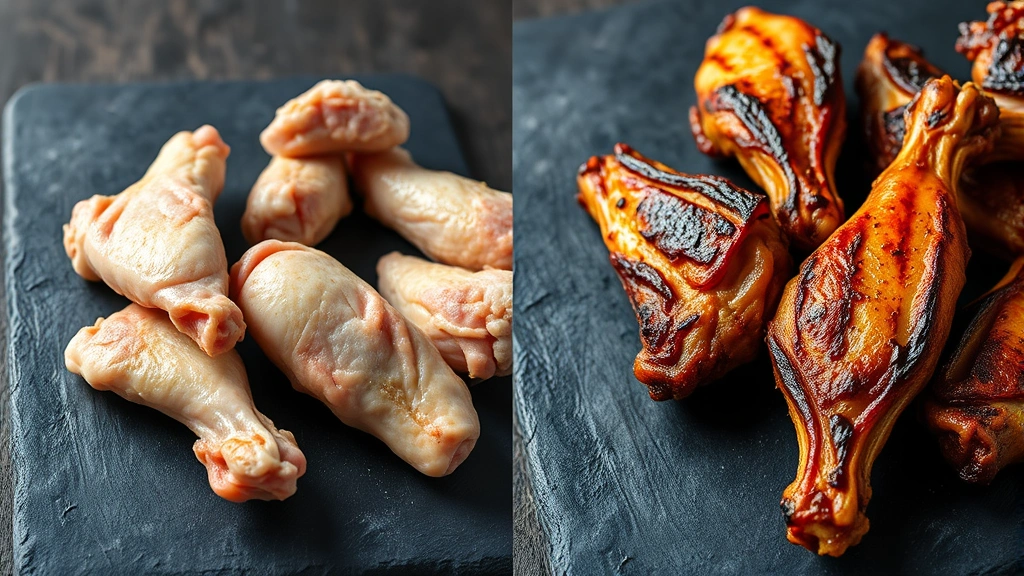
The preparation method fundamentally transforms chicken wings nutrition data in ways that dramatically affect their health profile. Baked wings retain approximately 90 percent of their original nutritional value while reducing added fat compared to deep-fried preparations. Air-fried wings represent an emerging middle ground, using minimal oil while achieving textural satisfaction that many find comparable to traditional frying.
Deep frying introduces significant additional fat—typically 150-200 additional calories per serving—while potentially generating trans fats if inappropriate oils are used. Research examining cooking oil degradation indicates that repeated heating of certain oils produces oxidized lipids with inflammatory potential. Conversely, grilling or broiling chicken wings at moderate temperatures preserves protein structure while allowing excess fat to drip away, creating a nutritionally optimized preparation.
Boiling chicken wings before finishing them with dry heat or sauce represents another approach favored by some dietitians seeking to minimize fat content while maintaining palatability. This method removes approximately 30-40 percent of the fat while preserving the complete amino acid profile. Slow-cooking or braising chicken wings in broth-based preparations creates tender, collagen-rich dishes with minimal added fat—an excellent option for those prioritizing joint health alongside protein intake.
The temperature at which chicken reaches doneness also influences nutritional value. Cooking to proper internal temperature (165°F/74°C) eliminates pathogenic bacteria while avoiding excessive heat that degrades heat-sensitive vitamins. Overcooking, particularly at very high temperatures, can generate advanced glycation end products (AGEs)—compounds associated with inflammatory responses in some research contexts.
Wings in Athletic Performance
From a sports nutrition perspective, chicken wings occupy an interesting position between convenience and nutritional optimization. Athletes engaging in strength training benefit from the complete amino acid profile, with particular relevance to leucine content that triggers muscle protein synthesis. The protein-to-calorie ratio in baked or grilled wings (roughly 7-8 grams protein per 50 calories) compares favorably to many processed protein products.
The timing of chicken wing consumption matters for athletic populations. Post-workout consumption provides amino acids during the window when muscle protein synthesis remains elevated, supporting recovery and adaptation. The carbohydrate content in chicken wings is negligible (less than 1 gram per serving), making them ideal for protein intake without disrupting blood glucose balance in contexts where that matters.
However, the fat content in wings requires consideration for endurance athletes managing body composition or pre-competition nutrition timing. The fat content slows gastric emptying, meaning wings consumed immediately before high-intensity exercise may cause discomfort. For strength athletes or those in recovery phases, this slower digestion may prove advantageous, providing sustained amino acid availability and satiety.
Integrating chicken wings into comprehensive nutrition for athletes protocols requires considering the total training context, body composition goals, and individual digestive tolerance. Many sports dietitians recommend combining wings with strategic carbohydrate and micronutrient sources to create complete post-workout meals.
Portion Control and Weight Management
The caloric density of chicken wings—approximately 290 calories per three-ounce serving when including skin—necessitates attention to portion control within weight management contexts. This caloric concentration exceeds that of skinless chicken breast (roughly 165 calories per three ounces) by approximately 75 percent, a meaningful difference across weekly consumption patterns.
Yet dismissing wings entirely from weight loss protocols may prove unnecessarily restrictive. The protein and fat combination in wings creates substantial satiety, potentially reducing overall caloric intake compared to high-carbohydrate alternatives. Research on appetite regulation suggests that protein-rich foods with moderate fat content may suppress hunger hormones more effectively than low-fat options, supporting adherence to caloric deficits through increased satiety rather than willpower alone.
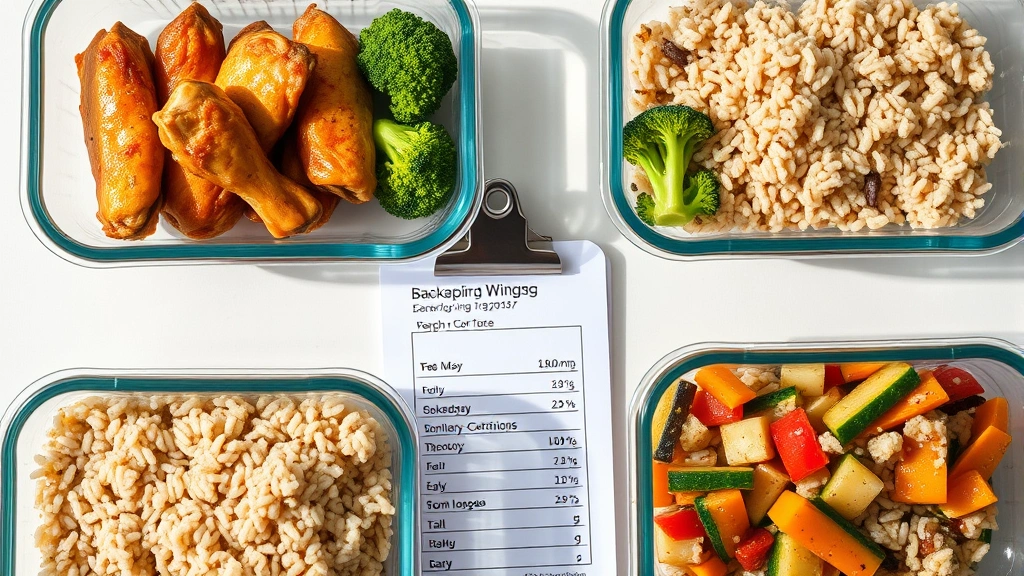
Effective tips for meal planning incorporating chicken wings within weight management frameworks typically emphasize preparation methods and portion strategies. Serving three to four wings alongside substantial vegetable portions and complex carbohydrates creates nutritionally complete meals with appropriate caloric balance. The key distinction involves intentional portion sizing rather than unlimited consumption of deep-fried wings with calorie-dense sauces.
Individual metabolic factors influence how effectively wings fit into weight management protocols. Those with higher insulin sensitivity or greater physical activity levels may incorporate wings more liberally than sedentary individuals managing insulin resistance. Monitoring individual response through consistent tracking and body composition assessment provides personalized guidance more valuable than generic recommendations.
Sauce Selection and Hidden Calories
The sauce dramatically alters chicken wings nutrition data in ways that often surprise consumers. A standard serving of buffalo sauce adds roughly 5-10 calories, making it a relatively neutral choice nutritionally. However, many commercial wing sauces contain added sugars ranging from 2-8 grams per serving, contributing empty calories without nutritional density.
Barbecue sauces typically contain 20-30 calories per two-tablespoon serving, with 5-7 grams of sugar. Teriyaki and Asian-style sauces often exceed this, providing 30-50 calories per serving with 6-12 grams of added sugar. Ranch dipping sauce adds 150-170 calories per two-tablespoon serving, primarily from fat and emulsifiers, while contributing minimal micronutrients. When wings are consumed with generous sauce quantities, the nutritional profile shifts dramatically from protein-focused to sugar and fat-focused.
Dietitians frequently recommend sauce strategies that maintain flavor satisfaction while optimizing nutrition. Applying sauces sparingly, dipping rather than coating, or selecting vinegar-based preparations provides flavor with minimal added calories. Homemade sauces using Greek yogurt, hot sauce, and spices offer protein and flavor without excessive added sugars. This approach aligns with broader nutritional principles emphasizing whole-food preparation and controlled ingredient selection.
The sodium content in commercial wing sauces represents another consideration. Many contain 200-400 milligrams of sodium per serving, and wings consumed with high-sodium sauces can quickly exceed recommended daily intake limits. Individuals managing hypertension or following sodium-restricted protocols should carefully evaluate sauce selection and quantity.
IMAGE_3
Frequently Asked Questions
How many calories are in a serving of chicken wings?
A typical serving of three medium chicken wings contains approximately 170-180 calories when baked with skin. Deep-fried wings increase this to 250-290 calories per serving. The exact caloric content varies based on wing size, cooking method, and whether skin is included or removed. Sauces add an additional 5-150 calories depending on type and quantity.
Are chicken wings good protein for muscle building?
Yes, chicken wings provide complete protein with all nine essential amino acids and high leucine content supporting muscle protein synthesis. A three-ounce serving delivers 20-26 grams of protein, making wings a legitimate option within athletic nutrition protocols. The key involves preparing them through baking, grilling, or air-frying rather than deep-frying to optimize the protein-to-calorie ratio.
Can I eat chicken wings on a diet?
Chicken wings can fit into weight loss protocols when portion-controlled and prepared with minimal added fat. The protein and satiety-promoting properties may actually support adherence to caloric deficits. Limiting portions to 3-4 wings, selecting baked or grilled preparations, and minimizing high-calorie sauces allows wings to contribute meaningfully to complete meals within appropriate caloric targets.
Which cooking method is healthiest for chicken wings?
Baking, grilling, broiling, and air-frying represent the healthiest preparation methods, each preserving nutritional value while minimizing added fat. Baking at 400°F for 20-25 minutes produces crispy wings without excess oil. Air-frying uses minimal oil while achieving satisfying texture. Braising in broth-based preparations offers additional collagen benefits. Deep-frying should be minimized due to oxidized fat generation and excessive caloric addition.
What’s the difference between chicken wings and chicken breast nutritionally?
Chicken breast provides slightly more protein (31 grams per 100g vs. 26 grams) and substantially less fat (3.6 grams vs. 11 grams per 100g) compared to wings with skin. Breast meat is lower in calories and saturated fat, making it preferable for calorie-restricted or low-fat protocols. Wings offer more flavor, greater satiety from fat content, and additional fat-soluble vitamins. The choice depends on individual dietary goals and preferences.
How do chicken wings compare to other protein sources?
Chicken wings provide comparable protein to other poultry sources but with higher fat content than breast meat. Compared to beef, wings offer similar protein with less saturated fat and fewer calories. Fish options often provide beneficial omega-3 fatty acids absent in chicken. Plant-based proteins vary dramatically in amino acid completeness. Wings represent a practical, affordable option fitting most dietary frameworks when prepared appropriately.


