Domino’s Pizza Nutrition? Expert Breakdown of Menu Options & Health Impact
Domino’s Pizza has become one of the most accessible quick-service restaurants in America, with over 6,500 locations nationwide. When hunger strikes and convenience matters, many people turn to Domino’s for a quick meal. However, understanding the nutritional profile of what you’re ordering is essential for making informed dietary choices. This comprehensive guide breaks down Domino’s pizza nutritional menu, helping you navigate options that align with your health goals while still enjoying the food you love.
Whether you’re counting calories, monitoring sodium intake, or managing macronutrients, Domino’s offers more transparency than many competitors. The chain has expanded its menu significantly beyond traditional pepperoni and cheese pizzas, introducing salads, pasta, wings, and bread-based items. Each choice carries different nutritional implications, and understanding these differences can transform how you approach fast-food dining.
Understanding Domino’s Pizza Nutritional Information
Domino’s provides detailed nutritional data for all menu items through their website and in-store materials, complying with FDA labeling requirements. This transparency allows customers to make data-driven decisions before placing orders. The nutritional content varies dramatically based on three primary factors: crust type, pizza size, and toppings selected.
The foundation of any pizza’s nutrition starts with the crust. Domino’s offers hand-tossed, thin crust, Brooklyn style, and cali veggie crusts, each with distinct nutritional profiles. A single slice from a medium hand-tossed cheese pizza contains approximately 250 calories, while the same slice from a thin crust pizza drops to around 170 calories. This 80-calorie difference per slice compounds quickly when consuming multiple slices, potentially creating a 240-calorie swing across a three-slice serving.
Understanding portion sizes proves critical when evaluating Domino’s nutrition. A “medium” pizza contains 8 slices, while a “large” contains 14 slices. However, most people consume 2-4 slices per sitting, making per-slice calculations more practical than whole-pizza analysis. This approach also helps when comparing Domino’s to competitors and contextualizing nutritional values within daily dietary intake.
According to CDC nutrition guidelines, added sugars should comprise less than 10% of daily calories, while sodium should stay below 2,300mg daily. Most Domino’s pizzas contribute significantly toward sodium limits, making this a key consideration for health-conscious consumers.

Calorie Breakdown by Pizza Size and Crust Type
Domino’s menu complexity requires systematic analysis to identify the most calorie-efficient options. Here’s how different crust types compare for a cheese pizza base:
- Hand-Tossed Medium: 250 calories per slice (2,000 calories total)
- Thin Crust Medium: 170 calories per slice (1,360 calories total)
- Brooklyn Style Medium: 280 calories per slice (2,240 calories total)
- Cali Veggie Crust Medium: 150 calories per slice (1,200 calories total)
The cali veggie crust represents the lowest-calorie option, incorporating cauliflower flour to reduce refined carbohydrates. This option appeals to consumers following healthy nutrition plans while maintaining pizza enjoyment. However, availability varies by location, and some customers report texture differences compared to traditional crusts.
Size selection dramatically impacts total calorie consumption. A large thin crust pizza contains 14 slices at approximately 170 calories each, totaling 2,380 calories. This same pizza in hand-tossed style reaches 3,500 calories total. For individuals targeting 2,000-2,500 daily calories, a single large pizza represents a significant portion of daily intake, necessitating careful portion control or selection of lighter topping combinations.
When sharing pizzas, thinner crusts provide better satiety-to-calorie ratios. The reduced caloric density allows consumers to eat larger portions without exceeding reasonable calorie targets. This psychological benefit shouldn’t be overlooked, as satisfaction with meal size influences long-term dietary adherence.
Sodium Content and Heart Health Considerations
Sodium emerges as the most concerning nutritional element in Domino’s pizzas. A single slice of medium hand-tossed cheese pizza contains approximately 600mg sodium, representing 26% of the recommended daily limit. Adding typical toppings like pepperoni, sausage, or ham can push this to 800mg+ per slice.
For context, consuming just three slices of a loaded Domino’s pizza delivers nearly 2,400mg sodium—exceeding the entire recommended daily allowance. This particularly affects individuals with hypertension, cardiovascular disease risk, or family histories of heart disease. American Heart Association guidelines emphasize sodium reduction as a critical cardiovascular health strategy.
Strategies for reducing sodium intake while enjoying Domino’s include:
- Requesting light cheese to reduce salt from dairy products
- Avoiding processed meat toppings like pepperoni, sausage, and bacon
- Loading vegetable toppings that contribute minimal sodium
- Pairing pizza with water instead of sodium-heavy sides
- Balancing with lower-sodium meals throughout the day
Interestingly, crust type minimally affects sodium content—the cheese and toppings drive sodium levels. This means switching from hand-tossed to thin crust saves calories but not necessarily sodium. Topping selection becomes the primary lever for sodium management.
Protein and Macronutrient Analysis
Protein content varies significantly across Domino’s menu items, influencing satiety and nutritional completeness. A cheese pizza slice provides approximately 10-12g protein, while meat-loaded pizzas can reach 15-18g per slice. For nutrition for athletes, this modest protein contribution requires supplementation with additional protein sources.
The macronutrient distribution of a typical Domino’s pizza slice breaks down approximately as follows:
- Carbohydrates: 35-40g (55-60% of calories)
- Fat: 8-12g (30-35% of calories)
- Protein: 10-12g (15-18% of calories)
This carbohydrate-heavy profile reflects pizza’s grain-based foundation. While carbohydrates aren’t inherently problematic, the refined carbohydrate content (from refined wheat flour) causes rapid blood sugar spikes compared to whole-grain alternatives. Domino’s doesn’t currently offer whole-wheat crust options, limiting carbohydrate quality optimization.
Saturated fat content deserves attention, with cheese-heavy pizzas contributing 4-6g saturated fat per slice. Multiple slices quickly accumulate toward the recommended 20-25g daily limit for a 2,000-calorie diet. Choosing lighter cheese options or vegetable-focused toppings reduces saturated fat intake while maintaining palatability.
Healthier Topping Strategies
Toppings represent the most controllable variable in pizza nutrition. Domino’s allows extensive customization, enabling consumers to engineer pizzas aligned with specific dietary goals. Understanding topping categories helps optimize nutritional profiles:
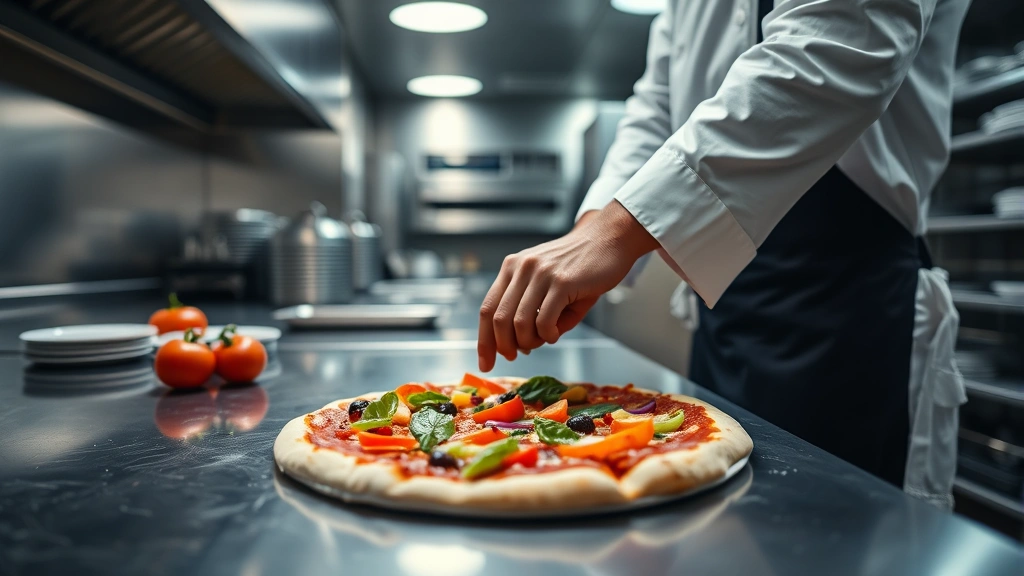
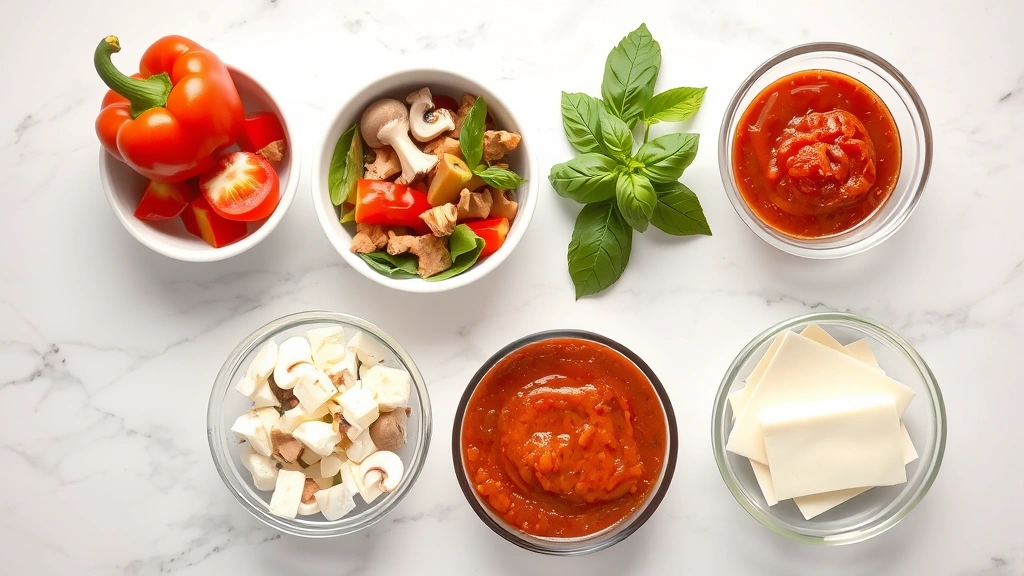
Vegetable Toppings (Minimal Calorie Impact): Mushrooms, onions, peppers, olives, tomatoes, and spinach add volume, fiber, and micronutrients with negligible calorie increases. A pizza loaded with five vegetable toppings adds perhaps 30-50 total calories while dramatically improving nutritional density.
Protein Toppings (Significant Calorie Impact): Pepperoni adds 50 calories per slice, sausage adds 80 calories, and bacon adds 60 calories. Grilled chicken breast, offered by Domino’s, provides protein with lower fat content than processed meats, making it a superior protein choice nutritionally.
Cheese Considerations: Light cheese reduces fat and calorie content by approximately 25-30% without dramatically compromising flavor for many consumers. Extra cheese, conversely, adds 60-80 calories and 5-7g fat per slice, potentially pushing a moderate pizza into high-calorie territory.
An optimal “healthy” Domino’s pizza might feature thin crust, light cheese, grilled chicken, and four vegetable toppings. This combination yields approximately 200-220 calories per slice with enhanced protein, fiber, and micronutrient content compared to traditional pepperoni options.
Beyond Pizza: Other Menu Items Analyzed
Domino’s expanded menu offers alternatives for consumers seeking variety or different nutritional profiles. These options deserve evaluation within the context of tips for meal planning strategies.
Salads: Domino’s offers Pacific Veggie and Honolulu Feast salads as healthier alternatives. A Pacific Veggie salad contains approximately 220 calories before dressing, with 8g protein and substantial fiber from vegetables. However, the included dressing adds 180-220 calories, pushing total values to 400-440 calories—comparable to two pizza slices but with superior micronutrient profiles.
Wings: Domino’s boneless chicken wings (8-piece) contain approximately 320 calories with 28g protein, making them protein-dense options for consumers prioritizing macronutrient targets. Buffalo sauce adds minimal calories but significant sodium. These work well as pizza accompaniments for protein supplementation.
Pasta: Pasta dishes range from 400-600 calories per serving, with varying protein content based on sauce and protein additions. Compared to pizza, pasta offerings often provide better sauce-to-carbohydrate ratios, though sodium content remains elevated.
Bread-Based Items: Bread bowls, breadsticks, and sandwiches contribute 150-350 calories per item, useful for calorie-conscious consumers seeking lighter sides. However, these refined carbohydrate sources lack substantial nutritional differentiation from pizza crusts.
Building a Balanced Domino’s Meal
Strategic meal construction transforms Domino’s from purely indulgent dining into nutritionally balanced experiences. This approach acknowledges that occasional fast-food consumption needn’t derail health goals when executed thoughtfully.
The Balanced Approach: Start with a thin-crust pizza featuring vegetables and grilled chicken, limiting consumption to 2-3 slices (400-660 calories, 20-35g protein). Add a side salad without dressing or with dressing on the side (100-150 calories, 3-5g protein). Include water as the primary beverage. This combination totals approximately 500-810 calories with 23-40g protein, creating a nutritionally complete meal within reasonable calorie parameters.
For Sodium-Restricted Diets: Request pizzas prepared with light cheese and exclusively vegetable toppings. Avoid processed meats, olives, and other high-sodium ingredients. Request dressing-free salads or use vinegar-based dressings. This approach requires advance planning and clear communication with restaurant staff.
For Athletes and High-Protein Goals: Maximize protein through grilled chicken toppings, add wings as sides, and consider consuming 3-4 pizza slices to reach 30-40g protein targets. Pair with water and consider supplementing with additional protein sources if pursuing serious athletic nutrition. Reference nutrition solutions for personalized athlete-specific guidance.
For Weight Management: Prioritize thin crust, vegetable-heavy toppings, light cheese, and strictly limit to 2 slices. Add a substantial vegetable-based salad to increase volume and satiety without excess calories. This strategy leverages the psychological satisfaction of larger portion sizes while maintaining caloric control.
The key insight is that Domino’s, despite its reputation as indulgent fast food, provides sufficient menu transparency and customization options to support various nutritional objectives. Success depends on informed decision-making rather than absolute avoidance.
FAQ
What’s the lowest-calorie Domino’s pizza option?
The cali veggie crust with light cheese and vegetable toppings represents the lowest-calorie option, providing approximately 150 calories per slice. Thin crust with similar toppings follows closely at 170-190 calories per slice. These options align well with nutrition pathway blog recommendations for calorie-conscious dining.
How much sodium is in Domino’s pizza?
A single slice of medium hand-tossed cheese pizza contains approximately 600mg sodium. Adding processed meat toppings increases this to 800-950mg per slice. Three slices easily exceed the 2,300mg daily recommendation, making sodium management critical for health-conscious consumers.
Is Domino’s pizza suitable for weight loss diets?
Yes, with strategic choices. Opt for thin or cali veggie crust, light cheese, vegetable toppings, and limit consumption to 2-3 slices paired with salad and water. This approach provides satisfying portions while maintaining caloric control necessary for weight loss.
What’s the protein content in Domino’s pizza?
Cheese pizza provides approximately 10-12g protein per slice. Meat-loaded pizzas reach 15-18g per slice. These values are modest compared to dedicated protein sources, so supplementation with wings, salads, or other protein-rich sides may be necessary for athletic nutrition goals.
Can I customize Domino’s pizzas for dietary restrictions?
Absolutely. Domino’s allows extensive customization for vegetarian, vegan, gluten-free, and allergen-restricted diets. Communicate clearly with staff about restrictions, verify ingredients in sauces and oils, and confirm preparation procedures to ensure safety and alignment with dietary goals.
How does Domino’s pizza compare nutritionally to competitors?
Domino’s compares favorably to Pizza Hut and Papa John’s in calorie and nutritional transparency. Thin crust options at Domino’s rival or beat competitors’ lowest-calorie offerings. However, all major pizza chains share elevated sodium content and refined carbohydrate profiles, making informed customization essential across all brands.


