Doritos Nutrition Facts: What Experts Say
Doritos have been a staple snack in American households for decades, but their nutritional profile often raises questions among health-conscious consumers. As a popular processed snack food, understanding the Doritos nutrition facts is essential for making informed dietary choices. This comprehensive analysis examines what nutrition experts say about Doritos, breaking down their macronutrient composition, ingredient concerns, and how they fit into a balanced diet.
The snack industry has evolved significantly, with consumers increasingly scrutinizing what goes into their favorite foods. Doritos, manufactured by PepsiCo’s Frito-Lay division, represent a category of ultra-processed foods that dominate convenience snacking. Whether you’re a casual consumer or someone tracking macros, understanding the nutritional breakdown helps you make decisions aligned with your health goals. This guide explores the scientific perspective on Doritos nutrition and provides context for their place in modern diets.
Doritos Nutrition Facts Overview
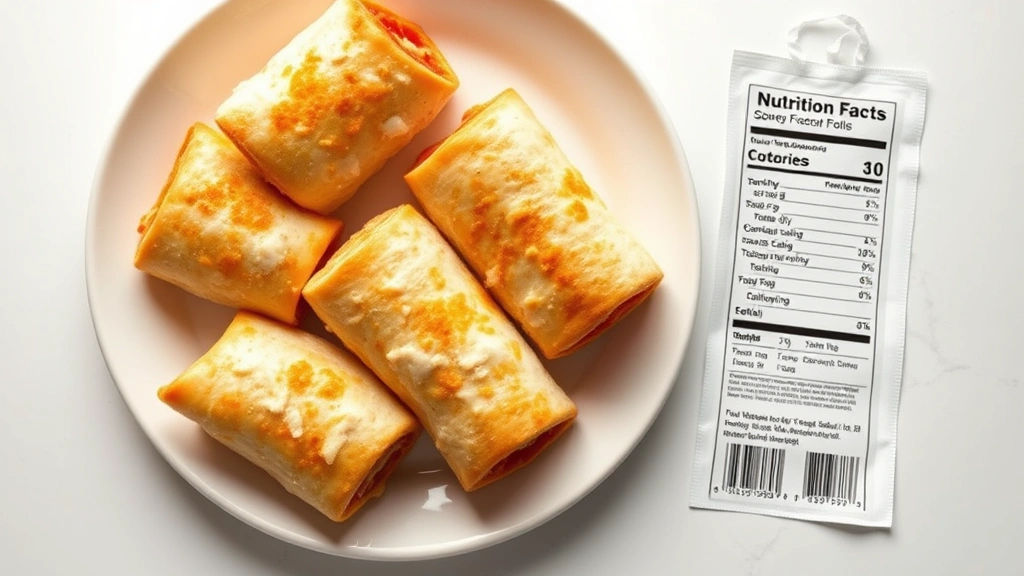
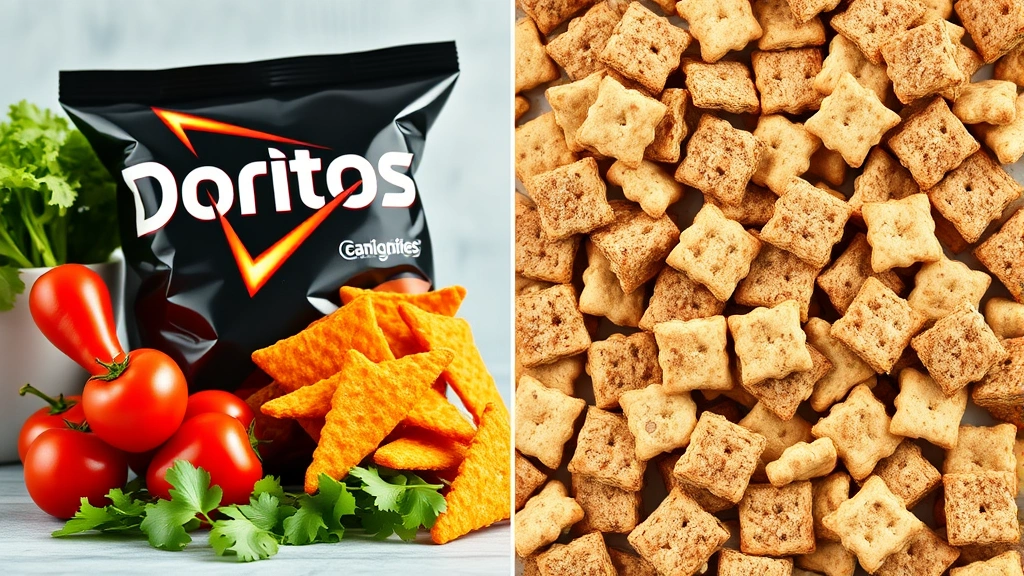
A standard serving of Doritos Nacho Cheese (the most popular variety) contains approximately 150 calories per 1-ounce serving, which equates to about 28 grams or roughly 21 chips. According to the official nutrition label, each serving provides:
- Total Fat: 8 grams (10% of daily value)
- Saturated Fat: 1.5 grams (8% of daily value)
- Trans Fat: 0 grams
- Cholesterol: 0 milligrams
- Sodium: 210 milligrams (9% of daily value)
- Total Carbohydrates: 18 grams (6% of daily value)
- Dietary Fiber: Less than 1 gram
- Sugars: Less than 1 gram
- Protein: 2 grams
These figures represent the baseline for the classic Nacho Cheese flavor. However, Doritos comes in multiple varieties—including Cool Ranch, Spicy Nacho, Jacked varieties, and limited editions—each with slightly different nutritional profiles. The variation can be significant; for example, some flavored varieties contain higher sodium levels or additional ingredients that modify the overall nutritional composition.
Nutrition experts from institutions like the American Heart Association emphasize that understanding serving sizes is critical when evaluating snack foods. Many consumers unknowingly consume multiple servings in a single sitting, effectively doubling or tripling the caloric and sodium intake from a single bag.
Caloric Content and Macronutrient Breakdown
When analyzing the caloric density of Doritos, experts note that the snack falls into the category of calorie-dense, nutrient-sparse foods. At 150 calories per ounce, Doritos provide approximately 5.4 calories per gram—a density that makes portion control essential for weight management.
The macronutrient composition reveals several patterns:
- Fat Content: At 8 grams per serving, fat comprises roughly 48% of Doritos’ calories. Most of this fat comes from vegetable oil used in the manufacturing process. While not inherently unhealthy, the predominance of fat makes these chips satisfying but also calorie-concentrated.
- Carbohydrate Content: With 18 grams of carbohydrates per serving, Doritos provide quick-digesting carbs with minimal fiber. This composition can cause rapid blood sugar spikes, particularly problematic for individuals managing diabetes or prediabetes.
- Protein Content: At just 2 grams per serving, Doritos provide minimal protein. This low protein content means the snack offers limited satiety, making overconsumption easier.
Nutrition researchers emphasize that the macronutrient ratio in Doritos—high fat, moderate carbs, low protein—doesn’t align with recommendations for sustained energy or satiety. This imbalance partly explains why snacking on Doritos often leads to consuming more calories than intended. According to your healthy nutrition plan guide, understanding macronutrient balance is fundamental to sustainable eating patterns.
The National Center for Biotechnology Information has published research indicating that ultra-processed snacks like Doritos contribute significantly to excess calorie consumption in modern diets, particularly in children and adolescents.
Sodium and Health Implications
One of the most discussed aspects of Doritos nutrition concerns sodium content. At 210 milligrams per 1-ounce serving, a single serving represents 9% of the FDA’s recommended daily limit of 2,300 milligrams. However, the practical concern lies in typical consumption patterns.
Most people don’t consume just one ounce of Doritos. A standard individual bag often contains 2-3 ounces, meaning a single snacking session can contribute 420-630 milligrams of sodium—roughly 18-27% of the daily recommended limit. For individuals consuming multiple bags or sharing a larger family-size bag, sodium intake escalates rapidly.
Health experts highlight several concerns with excessive sodium consumption:
- Hypertension Risk: The American Heart Association directly links high sodium intake to elevated blood pressure, a major cardiovascular risk factor.
- Fluid Retention: Sodium causes the body to retain water, potentially leading to bloating and temporary weight gain.
- Kidney Function: Individuals with compromised kidney function face particular risk from high-sodium snacks.
- Cumulative Effect: When Doritos are combined with other processed foods (which collectively represent most American diets), sodium intake becomes excessive.
The concern intensifies when considering that Doritos are frequently consumed alongside other sodium-rich foods—sandwiches, cured meats, cheese, and salted nuts—creating a multiplicative sodium burden throughout the day.
Ingredient Analysis and Additives
Beyond macronutrients, experts examine the ingredient list of Doritos, which includes several components worth understanding:
Primary Ingredients:
- Corn Meal: The base ingredient, providing carbohydrates but minimal micronutrients due to processing.
- Vegetable Oil: Primarily soybean, corn, or canola oil—highly processed and calorie-dense.
- Seasoning Blend: Includes salt, monosodium glutamate (MSG), sugar, yeast extract, and various flavor compounds.
- Cheese Powder: In Nacho Cheese varieties, providing dairy-derived flavor and color.
Additives of Concern:
Monosodium glutamate (MSG) appears prominently in Doritos seasoning. While the FDA classifies MSG as “generally recognized as safe,” some consumers report sensitivity symptoms including headaches, flushing, and numbness. Research on MSG remains somewhat contentious, with NIH studies suggesting sensitivities may be individual rather than universal.
Artificial colors and flavors also appear in Doritos formulations. Yellow 5 and Yellow 6 (found in Nacho Cheese varieties) are synthetic dyes derived from petroleum. While approved by the FDA, some nutritionists recommend minimizing synthetic additives, particularly for children.
The ingredient list reflects what nutrition professionals call “hyperpalatable” food design—formulations engineered to maximize taste appeal and drive consumption. This intentional design strategy makes moderation particularly challenging for susceptible consumers.
Comparison with Healthier Alternatives
To contextualize Doritos’ nutritional profile, comparing them with alternatives provides perspective. Our nutrition solutions recommend examining snack options across multiple criteria:
Baked Chips vs. Fried Doritos:
Baked versions of similar snacks reduce fat content by approximately 50%, lowering calories to roughly 120 per ounce. However, sodium remains similarly elevated, and the carbohydrate-to-protein ratio remains unfavorable.
Whole Grain Snacks:
Whole grain crackers or chips provide more fiber (3-4 grams per serving vs. less than 1 gram in Doritos), promoting better satiety and digestive health. Fiber also moderates blood sugar response, making these options superior for metabolic health.
Protein-Rich Alternatives:
Roasted nuts, seeds, or protein-based snack bars offer 5-10 grams of protein per serving, dramatically improving satiety. Studies show protein-rich snacks reduce overall calorie consumption more effectively than carb-heavy options.
Vegetable-Based Snacks:
Air-popped popcorn (3 cups for 100 calories), raw vegetables with hummus, or roasted chickpeas provide nutrient density lacking in Doritos. These options deliver vitamins, minerals, and fiber alongside calories.
According to nutrition pathway research, the optimal snack combines protein, fiber, and healthy fats in modest portions—a profile Doritos fundamentally cannot provide.
Expert Recommendations and Moderation
Registered dietitians and nutrition scientists don’t recommend complete elimination of foods like Doritos, recognizing that rigid dietary approaches often fail long-term. Instead, experts advocate for informed moderation and strategic consumption patterns.
Portion Control Strategies:
- Pre-Portioning: Rather than eating from a bag, measure one serving (about 21 chips) into a small bowl. This creates a psychological boundary and prevents mindless consumption.
- Frequency Limitation: Enjoying Doritos 1-2 times weekly rather than daily reduces cumulative sodium and calorie intake significantly.
- Pairing Strategy: Combining Doritos with protein and fiber (such as cheese and an apple) improves the macronutrient profile and increases satiety.
The American Psychological Association emphasizes that food restriction often backfires, creating psychological deprivation that leads to binge episodes. Moderate consumption of enjoyable foods, combined with overall dietary quality, produces better long-term outcomes than elimination approaches.
Experts also recommend examining your overall meal planning approach to ensure that snacking doesn’t displace nutrient-dense foods. If Doritos consistently replace opportunities for vegetables, fruits, or whole grains, dietary quality deteriorates significantly.
For individuals managing specific health conditions—hypertension, diabetes, or kidney disease—consultation with healthcare providers becomes essential. These populations may need to treat Doritos as occasional treats rather than regular snacks due to sodium, carbohydrate, or other concerns specific to their conditions.
Understanding how foods like Doritos fit into your broader nutritional context, as outlined in our nutrition care manual, allows for sustainable decision-making without guilt or deprivation.
FAQ
Are Doritos a good source of any nutrients?
Doritos provide minimal nutritional value. The corn meal base offers some carbohydrates and trace minerals, but processing removes most micronutrients. They’re not a meaningful source of vitamins, minerals, fiber, or protein—nutrients essential for health.
Can I eat Doritos on a diet?
Occasional consumption fits within most calorie-restricted diets if portion-controlled. However, the low satiety factor makes them challenging for weight loss. The 150 calories per serving provides minimal fullness, making adherence difficult. Prioritizing more satiating snacks generally produces better results.
What’s the healthiest Doritos flavor?
Nutritionally, flavor variations differ minimally. Cool Ranch contains slightly less sodium than Nacho Cheese in some formulations. However, all standard Doritos varieties share the fundamental nutritional profile limitations. “Healthier” is relative within an unhealthy product category.
Do Doritos contain trans fats?
The nutrition label indicates 0 grams of trans fats per serving. However, some processing methods may create trace amounts below the 0.5-gram labeling threshold. The saturated fat content (1.5 grams per serving) remains a concern regardless.
Are Doritos gluten-free?
Most Doritos varieties are gluten-free, as they’re made from corn rather than wheat. However, individuals with celiac disease should verify specific product lines, as manufacturing facilities may involve cross-contamination risks. The gluten-free status doesn’t improve nutritional quality.
How do Doritos affect blood sugar?
With 18 grams of carbohydrates and minimal fiber per serving, Doritos cause relatively rapid blood sugar elevation. The glycemic index is moderate-to-high, making them problematic for individuals managing diabetes or prediabetes. Pairing with protein and fat moderates this response somewhat.
What about Doritos’ fat content?
The 8 grams of fat per serving includes primarily unsaturated fats from vegetable oil, with 1.5 grams of saturated fat. While the fat composition isn’t inherently unhealthy, the calorie density and lack of nutritional compensation makes this fat content concerning in the context of overall snacking patterns.
Can children eat Doritos?
Occasional consumption is unlikely to harm children, but Doritos shouldn’t constitute regular snacking. The sodium content is particularly concerning for developing bodies, and the hyperpalatable formulation may establish problematic snacking preferences. Whole foods and minimally processed snacks provide better nutritional foundations for growing children.
How much sodium is in a family-size bag?
A typical family-size bag contains approximately 13-15 ounces, equaling roughly 2,730-3,150 milligrams of sodium—more than the entire recommended daily intake for an adult. Sharing is essential if this format is consumed.
What does moderation mean for Doritos?
Nutrition experts generally suggest treating Doritos as an occasional indulgence—1-2 times weekly maximum, with portion control (one measured serving rather than unlimited consumption). This frequency allows enjoyment without significantly impacting overall dietary quality or health markers.