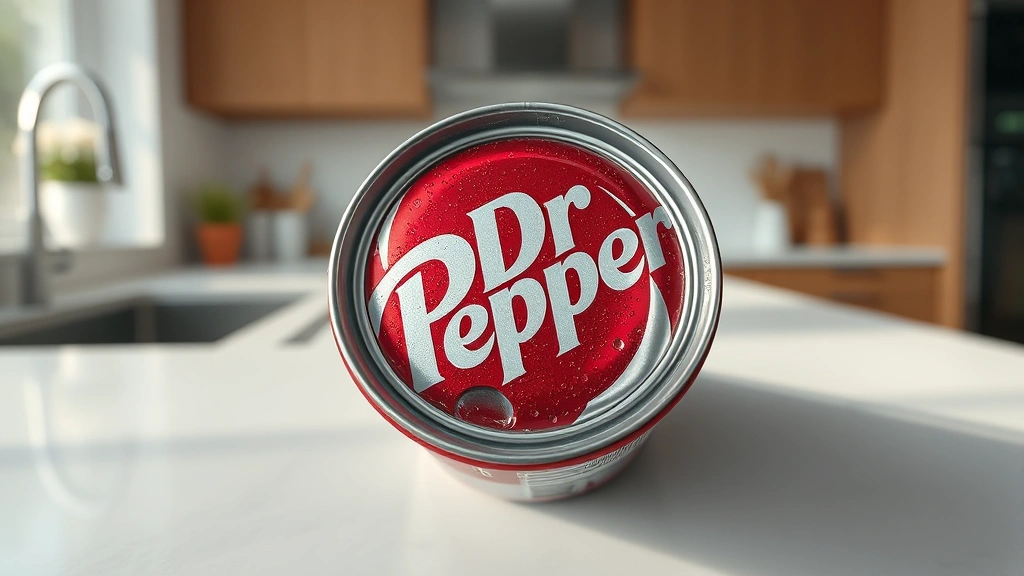
Dr Pepper Ingredients: What’s Really Inside?
Dr Pepper has been a fixture in American beverage culture since 1885, with its distinctive blend of 23 flavors creating one of the most recognizable tastes in the soft drink industry. Yet despite its popularity, many consumers remain uncertain about what actually goes into their glass. Understanding Dr Pepper nutrition facts and ingredient composition is essential for making informed dietary choices, particularly for those monitoring sugar intake, caffeine consumption, or artificial additives.
The beverage landscape has shifted dramatically over the past decade, with consumers increasingly scrutinizing product labels and demanding transparency from major brands. Dr Pepper, owned by Keurig Dr Pepper, has had to adapt to these changing preferences while maintaining the formula that made it iconic. This comprehensive analysis explores every ingredient in Dr Pepper, examining both the standard and diet varieties, investigating the nutritional implications, and providing context for how this beverage fits into broader dietary patterns.
Complete Ingredient List Breakdown
The ingredient label for a standard 12-ounce can of Dr Pepper reads as follows: carbonated water, high fructose corn syrup, phosphoric acid, caffeine, caramel color, sodium benzoate (preservative), natural and artificial flavors, and citric acid. Each component serves a specific functional purpose in creating the beverage’s taste, texture, shelf stability, and sensory experience. Understanding what each ingredient does helps demystify the product and allows consumers to make decisions aligned with their nutritional values.
Carbonated water comprises the base of the beverage, typically making up over 90% of the final product by volume. This water is infused with carbon dioxide gas under pressure, creating the distinctive fizz that defines soft drinks. The carbonation process itself is neutral from a nutritional standpoint, though some research suggests carbonated beverages may have minor effects on tooth enamel due to the carbonic acid formed when CO2 dissolves in water. For those interested in optimizing their overall nutrition strategy, exploring comprehensive healthy nutrition plans can provide context for beverage choices within a balanced diet.
High fructose corn syrup (HFCS) represents the primary caloric ingredient, delivering approximately 140 calories per 12-ounce serving in standard Dr Pepper. This sweetener has become controversial in nutritional discourse, with critics arguing it’s metabolized differently than sucrose and may contribute more readily to obesity and metabolic dysfunction. However, scientific consensus from organizations like the American Medical Association suggests that HFCS and sucrose have similar metabolic effects when consumed in equivalent amounts. The debate surrounding HFCS reflects broader concerns about added sugar consumption rather than unique properties of this specific sweetener.
Sugar Content and Sweetening Agents
A standard 12-ounce can of Dr Pepper contains 39 grams of sugar, equivalent to approximately 9.75 teaspoons. The American Heart Association recommends that added sugars comprise no more than 6% of daily caloric intake, translating to roughly 25 grams for women and 36 grams for men. A single can of Dr Pepper therefore exceeds the recommended daily sugar intake for women and approaches the limit for men, making it a significant source of added sugars for regular consumers.
The sweetening strategy in Dr Pepper differs substantially between the original formulation and diet variants. While standard Dr Pepper relies entirely on HFCS for sweetness, Dr Pepper Zero Sugar employs aspartame and acesulfame potassium as its sweetening agents. These artificial sweeteners provide sweetness without calories, allowing the diet version to contain virtually zero grams of sugar while maintaining flavor intensity. The choice between sugar-sweetened and artificially sweetened beverages represents one of the most debated nutritional decisions, with legitimate arguments on both sides regarding long-term health impacts.
Research published in peer-reviewed journals presents conflicting evidence about artificial sweeteners’ health effects. Some studies suggest associations with altered gut microbiota and glucose metabolism, while others find minimal impact when consumed in moderation. The FDA maintains that approved artificial sweeteners are safe at current consumption levels, though individual tolerance varies. For those seeking to understand how beverage choices integrate into broader dietary frameworks, consulting specialized nutrition solutions can provide personalized guidance based on individual health profiles.
Caffeine and Stimulants
Each 12-ounce can of Dr Pepper contains 41 milligrams of caffeine, positioning it among the lower-caffeine soft drinks. For comparison, a cup of coffee contains approximately 95-200 milligrams of caffeine, while a cup of tea contains 25-50 milligrams. This moderate caffeine content makes Dr Pepper a gentler option for those sensitive to stimulants, though it’s still sufficient to provide mild alertness enhancement for most consumers.
The caffeine in Dr Pepper comes from the kola nut extract and guarana, natural sources that have been used in beverages for centuries. These botanical sources provide caffeine alongside other compounds like theobromine, which contributes subtle flavor and mild stimulant effects. The combination of moderate caffeine with other flavor compounds creates a more complex sensory experience than beverages relying on isolated caffeine additions. For individuals monitoring caffeine intake due to anxiety, sleep disorders, or medical conditions, the 41-milligram content per can represents a manageable quantity that allows occasional consumption without significant disruption to sleep patterns.
Artificial Additives and Preservatives
Sodium benzoate serves as the preservative in Dr Pepper, preventing microbial growth and extending shelf life. This compound has been used in food and beverage preservation for over a century and is recognized as safe by the FDA at approved levels. Sodium benzoate comprises approximately 0.1% of the final product, well below levels shown to cause adverse effects in human studies. The presence of this preservative is essential for allowing Dr Pepper to maintain consistent quality across distribution channels spanning months of storage.
Caramel coloring gives Dr Pepper its characteristic brown hue and contributes subtle flavor notes beyond mere visual appeal. This ingredient is produced through controlled heating of sugars and is distinct from caramel flavoring. The FDA classifies caramel color as a color additive generally recognized as safe, though some advocacy groups have questioned certain caramel coloring classes used in other beverages. Dr Pepper uses Class IV caramel coloring, which undergoes rigorous testing and poses minimal health risk at consumption levels typical for soft drink beverages.
Citric acid and phosphoric acid serve dual functions as flavor enhancers and pH regulators. These acids contribute to the tangy taste profile of Dr Pepper while maintaining pH levels that prevent spoilage and ensure microbial stability. Phosphoric acid has been subject to particular scrutiny regarding potential effects on bone health and tooth enamel, though scientific evidence suggests these concerns apply primarily to chronic, excessive consumption rather than occasional beverage use. The acid content in Dr Pepper is comparable to other carbonated soft drinks and fruit juices.
Carbonation and Flavor Systems
The proprietary blend of 23 flavors represents Dr Pepper’s most closely guarded secret, with the exact composition known to only a handful of company executives. These flavors combine natural and artificial compounds to create the beverage’s distinctive taste profile, which many describe as having notes of cherry, vanilla, almond, and subtle spice. The flavor system is carefully calibrated to balance sweetness, acidity, and aromatic compounds in proportions that create the signature Dr Pepper experience.
Natural flavors in Dr Pepper derive from botanical sources, essential oils, and concentrated extracts. These ingredients undergo processing to isolate flavor compounds while removing other plant material. Artificial flavors are synthesized compounds designed to replicate natural flavor profiles or create entirely novel taste experiences. The distinction between natural and artificial flavors is more nuanced than consumer perception typically suggests, as both categories undergo similar safety testing and both can contain identical chemical compounds produced through different methods.
The carbonation level in Dr Pepper is calibrated to approximately 3.7-4.0 volumes of CO2, consistent with most mainstream soft drinks. This level provides sufficient fizz for sensory satisfaction without creating excessive foam or pressure buildup in containers. The carbonation interacts with the acid components to create the sensation of bite and refreshment that characterizes the beverage experience. Understanding these technical aspects of beverage formulation provides context for why Dr Pepper tastes distinctly different from both still beverages and more heavily carbonated options.
Diet Dr Pepper Alternatives
Dr Pepper Zero Sugar represents the brand’s answer to consumer demand for zero-calorie alternatives without the perception baggage associated with diet beverages. This formulation replaces HFCS with aspartame and acesulfame potassium, eliminating the 140 calories and 39 grams of sugar from the original version. The taste profile remains remarkably close to standard Dr Pepper, though blind taste tests reveal that many consumers can detect subtle differences, particularly in aftertaste and mouthfeel.
Aspartame, used in Dr Pepper Zero Sugar, has been among the most studied food additives in history, with thousands of safety studies conducted since its approval in 1981. Despite persistent consumer concerns, regulatory agencies worldwide maintain that aspartame is safe at approved consumption levels. Acesulfame potassium, the second sweetener in the formula, provides additional sweetness and helps mask the sometimes-metallic aftertaste associated with aspartame alone. The combination of these two sweeteners creates a more balanced taste than either would provide independently.
For consumers seeking to reduce sugar intake while maintaining the Dr Pepper experience, the Zero Sugar variant offers a practical option. However, some individuals prefer to limit artificial sweetener consumption based on personal preference or health considerations. In these cases, exploring strategic meal planning approaches can help identify beverage alternatives that align better with individual nutritional philosophies. Options include naturally flavored sparkling water, herbal teas, or other beverages with minimal processing and ingredient lists.
Health Implications
Regular consumption of sugar-sweetened beverages like standard Dr Pepper has been associated with increased risk of obesity, type 2 diabetes, and dental health problems in numerous epidemiological studies. A meta-analysis published in The American Journal of Clinical Nutrition found that consumption of sugar-sweetened beverages was associated with weight gain and increased diabetes risk. However, these associations reflect patterns of regular, habitual consumption rather than occasional use. Consuming a single can of Dr Pepper occasionally as part of a balanced diet poses minimal health risk for most individuals.
The relationship between soft drink consumption and health outcomes depends heavily on overall dietary patterns, physical activity levels, and individual metabolic factors. Someone consuming Dr Pepper daily while maintaining regular exercise and otherwise nutritious eating patterns faces different health implications than someone consuming it as part of a diet high in processed foods and low in physical activity. This context-dependent nature of beverage effects underscores the importance of viewing individual food and beverage choices within broader lifestyle frameworks.
For individuals with specific health conditions, Dr Pepper consumption warrants particular consideration. Those with diabetes or prediabetes should account for the 39 grams of sugar when managing daily carbohydrate intake. Individuals with caffeine sensitivity should note the 41-milligram caffeine content, which could impact sleep quality if consumed late in the day. Those with dental health concerns should be aware that the combination of sugar and acid in Dr Pepper poses increased risks for cavity formation and enamel erosion. Understanding how nutritional choices impact overall health provides valuable perspective for making informed beverage decisions.
Research from the CDC’s nutrition division emphasizes that beverages represent a significant source of added sugars in American diets, with soft drinks accounting for approximately 25% of daily added sugar intake for regular consumers. Reducing or eliminating sugar-sweetened beverage consumption represents one of the most impactful dietary changes individuals can make for metabolic health. However, the reality of modern food culture means that most people consume some sugar-sweetened beverages occasionally, and the health impact of this occasional consumption remains minimal when other dietary and lifestyle factors are optimized.
The caffeine content in Dr Pepper warrants consideration for specific populations. Pregnant women are advised by medical professionals to limit caffeine intake to 200 milligrams daily, making Dr Pepper consumption acceptable in moderation. Children and adolescents benefit from minimizing caffeine consumption, as developing bodies show heightened sensitivity to stimulant effects. Individuals with anxiety disorders or sleep disturbances should monitor caffeine intake carefully, as the 41 milligrams in Dr Pepper can accumulate when combined with other caffeine sources throughout the day.
Consulting with healthcare providers or registered dietitians can help individuals determine appropriate beverage consumption patterns based on personal health status, medical history, and nutritional goals. For those seeking comprehensive guidance on integrating various foods and beverages into sustainable eating patterns, resources like nutrition care manuals provide evidence-based frameworks for decision-making. Additionally, the American Heart Association’s guidance on added sugars offers specific recommendations for beverage choices aligned with cardiovascular health.
Modern beverage formulation represents a balance between consumer preferences for taste and convenience with nutritional considerations and health outcomes. Dr Pepper’s ingredient list reflects this balance, incorporating sweeteners, acids, preservatives, and flavor compounds in proportions designed to create a satisfying beverage experience while remaining within regulatory safety guidelines. The choice to consume Dr Pepper ultimately rests with individual consumers, informed by their personal health status, dietary goals, and relationship with processed beverages.
FAQ
How much caffeine is in Dr Pepper compared to other sodas?
Dr Pepper contains 41 milligrams of caffeine per 12-ounce can, placing it in the moderate range among soft drinks. Coca-Cola contains 34 milligrams, Pepsi contains 38 milligrams, and Mountain Dew contains 54 milligrams. Coffee contains significantly more caffeine, typically 95-200 milligrams per cup depending on brewing method and coffee type.
Is Dr Pepper Zero Sugar safe to drink daily?
Dr Pepper Zero Sugar is formulated with FDA-approved sweeteners and is safe for daily consumption according to regulatory guidelines. However, individual tolerance to artificial sweeteners varies, and some people prefer to limit their consumption based on personal preference. Those with phenylketonuria (PKU) should avoid aspartame, which is clearly labeled on diet beverages.
What does the 23 flavors in Dr Pepper actually mean?
The exact composition of the 23 flavors remains proprietary information known only to Keurig Dr Pepper executives. The specific blend creates the distinctive taste profile, which consumers often describe as having notes of cherry, vanilla, almond, and subtle spice. The exact number and identity of individual flavor components have never been officially disclosed.
Does Dr Pepper contain any natural ingredients?
Dr Pepper contains natural flavors derived from botanical sources, though the majority of its composition consists of water, HFCS, and various additives. The brand doesn’t market itself as a natural beverage, and the ingredient list reflects the typical composition of mainstream soft drinks, which rely primarily on processed ingredients rather than whole foods.
How does Dr Pepper’s sugar content compare to fruit juice?
A 12-ounce can of Dr Pepper contains 39 grams of sugar, while a comparable serving of orange juice contains approximately 26 grams of natural sugars. While fruit juice contains vitamins and minerals absent from Dr Pepper, the sugar content in both beverages is substantial, and both should be consumed in moderation as part of balanced diets.
Are there any allergens in Dr Pepper?
Standard Dr Pepper formulations do not contain common allergens like milk, eggs, peanuts, tree nuts, or shellfish. However, the artificial and natural flavoring compounds may pose concerns for individuals with specific sensitivities. Those with unusual allergies or sensitivities should contact the manufacturer directly for detailed ingredient sourcing information.


