McChicken Nutrition Breakdown: Expert Analysis
The McChicken sandwich has been a staple of McDonald’s menu since its introduction in 1988, offering consumers an affordable poultry-based option in the fast-food landscape. Understanding the nutritional profile of this popular menu item is essential for making informed dietary choices, whether you’re a regular fast-food consumer or someone trying to maintain a healthy nutrition plan. This comprehensive analysis examines the McChicken’s caloric content, macronutrient composition, micronutrient contributions, and how it fits within daily nutritional requirements.
As dietary awareness continues to grow, consumers increasingly scrutinize fast-food nutrition information. The McChicken presents an interesting case study in fast-food nutrition because it bridges affordability with perceived healthier options compared to beef-based alternatives. However, the reality of its nutritional value requires deeper investigation beyond surface-level marketing claims. This breakdown provides evidence-based insights into what you’re actually consuming when you order this iconic sandwich.

McChicken Basic Nutrition Facts
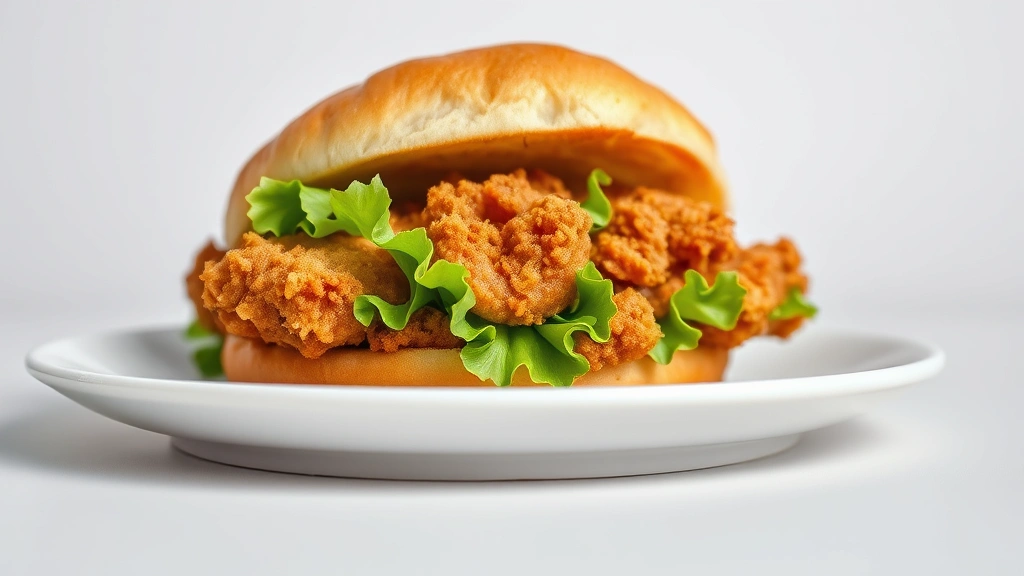
A standard McChicken sandwich contains approximately 400 calories, making it one of the lower-calorie entrées on McDonald’s menu. The sandwich consists of a crispy fried chicken patty, pickles, mayonnaise-based sauce, and a soft bun. According to McDonald’s official nutritional data, the complete macronutrient breakdown includes 16 grams of total fat, 40 grams of carbohydrates, and 14 grams of protein. These figures represent the sandwich in its standard preparation without additional condiments or modifications.
The ingredient list reveals several components worth examining: the chicken patty is made from mechanically separated chicken, breading, and various seasonings, while the bun contains enriched flour, sugar, and preservatives. The mayonnaise-based sauce contributes significantly to the fat content, containing soybean oil and egg yolks. Understanding these individual components helps contextualize how this menu item affects your overall nutritional intake. For those seeking to incorporate fast-food options into a structured eating plan, consulting resources like the Nutrition Care Manual provides professional guidance on portion control and frequency.
Caloric Content and Energy Density
At 400 calories, the McChicken represents approximately 20% of a 2,000-calorie daily diet, positioning it as a moderate-calorie option for a single meal component. However, energy density—the concentration of calories per unit weight—tells a more nuanced story. The sandwich’s relatively small size (approximately 5.7 ounces) means it delivers concentrated energy in a compact form, making it easy to exceed caloric targets when consumed with sides like fries or beverages.
Nutritional research from Pew Research Center indicates that fast-food consumption patterns often involve meal combinations rather than single items. A typical McChicken meal with medium fries and a soft drink elevates total caloric intake to approximately 1,000 calories—half the recommended daily intake for many adults. This contextual consideration is crucial for individuals following tips for meal planning strategies or managing weight-related health conditions.
The caloric density becomes particularly relevant for individuals with limited activity levels or sedentary occupations. A single McChicken sandwich could represent a substantial portion of discretionary calories for someone consuming 1,500-1,800 calories daily. Conversely, athletes or individuals with high energy expenditure may find the caloric content modest within their overall daily requirements.
Macronutrient Breakdown
The macronutrient composition of the McChicken reveals important details about its nutritional quality. With 14 grams of protein, the sandwich provides approximately 3.5% of the daily recommended protein intake (based on 2,000 calories and 50 grams daily protein requirement). While this protein contribution is modest, it originates from the chicken patty, which contains essential amino acids necessary for muscle maintenance and synthesis.
Carbohydrate content totaling 40 grams comprises approximately 13% of daily recommendations, primarily derived from the enriched flour bun. These carbohydrates are predominantly simple sugars and refined starches, lacking the complex carbohydrates and fiber found in whole-grain alternatives. The glycemic impact of refined carbohydrates warrants consideration, particularly for individuals managing blood sugar levels or at risk for type 2 diabetes. Research on the importance of dietary fiber for your health demonstrates that refined carbohydrate sources like the McChicken bun lack the satiety and metabolic benefits of fiber-rich alternatives.
Fat content of 16 grams represents approximately 25% of daily recommendations, with 3.5 grams coming from saturated fat. The saturated fat contribution is moderate compared to many fast-food items, though still significant enough to warrant consideration within daily intake limits. The remaining unsaturated fats primarily come from the mayonnaise-based sauce and the frying oil used in chicken preparation. Understanding the fat composition helps explain the sandwich’s palatability and satiety profile—the fat content contributes to the taste satisfaction that makes the McChicken appealing despite its modest nutritional contributions.
Sodium and Cardiovascular Health
Perhaps the most concerning nutritional aspect of the McChicken is its sodium content, containing approximately 830 milligrams per sandwich. This represents approximately 36% of the recommended daily sodium intake of 2,300 milligrams established by the American Heart Association. A single sandwich consumes more than one-third of the daily maximum before accounting for sodium from beverages, sides, or other meals consumed throughout the day.
Excessive sodium intake poses significant cardiovascular risks, including elevated blood pressure, increased heart disease risk, and potential kidney stress. Population-level research indicates that the average American consumes approximately 3,400 milligrams of sodium daily—nearly 50% above recommended limits, with fast-food consumption serving as a primary contributor. For individuals with hypertension or family history of cardiovascular disease, the McChicken’s sodium load represents a meaningful dietary consideration.
The sodium primarily derives from the salt content in the breading, sauce, and bun rather than being added directly to the chicken patty. This distribution means that removing condiments or choosing sauce-free preparation could reduce sodium content, though such modifications are rarely standard in fast-food settings. Awareness of sodium content becomes particularly important for individuals following evidence-based nutrition care protocols designed to manage chronic conditions.
Trans Fats and Artificial Ingredients
Modern McDonald’s McChicken sandwiches contain zero grams of artificial trans fats, a significant improvement from historical formulations. This achievement resulted from McDonald’s 2008 commitment to eliminate partially hydrogenated oils from their cooking processes. The removal of trans fats represents a meaningful health advancement, as trans fats have been conclusively linked to increased LDL cholesterol, decreased HDL cholesterol, and elevated cardiovascular disease risk.
However, the ingredient list reveals other additives worthy of examination. The chicken patty contains sodium phosphate and sodium acid pyrophosphate—preservatives that extend shelf life and maintain color. The bun includes dough conditioners, calcium propionate (preservative), and various emulsifiers. While regulatory agencies classify these additives as safe at current usage levels, some consumers prefer minimizing processed ingredient exposure. Research from the National Center for Biotechnology Information continues examining long-term effects of cumulative additive exposure, though conclusive evidence of harm from typical fast-food consumption remains limited.
The mayonnaise-based sauce contains soy lecithin, an emulsifier derived from soybean oil, and natural flavor compounds. The pickle component includes calcium chloride and vinegar. These ingredients collectively create the McChicken’s distinctive flavor profile and shelf stability but contribute to the overall processing level of the final product. Individuals concerned about ingredient simplicity might consider preparing similar sandwiches at home using whole chicken breast, fresh buns, and minimal condiments.
Micronutrients and Vitamin Profile
Beyond macronutrients, the McChicken provides modest micronutrient contributions. The sandwich contains approximately 8% of daily iron requirements, primarily from the chicken patty and bread enrichment. Iron content is particularly relevant for individuals at risk of iron deficiency, including vegetarians, athletes, and women of childbearing age. However, the iron in processed chicken products is non-heme iron, which has lower bioavailability than heme iron from red meat sources.
The sandwich provides approximately 6% of daily calcium requirements, largely from bread enrichment and potential milk derivatives in the mayonnaise. Calcium content is insufficient to meaningfully contribute to bone health, particularly for adolescents and older adults requiring higher calcium intake. Similarly, the McChicken provides negligible amounts of vitamin C, vitamin D, and other micronutrients increasingly recognized as critical for immune function and metabolic health.
Vitamin B content, particularly niacin and thiamine from bread enrichment, represents one of the more meaningful micronutrient contributions. These B vitamins support energy metabolism and nervous system function, though whole-grain alternatives would provide superior micronutrient density alongside beneficial fiber. The overall micronutrient profile underscores that the McChicken functions primarily as a calorie and macronutrient source rather than a micronutrient-dense food choice. For comprehensive nutritional support, consuming the sandwich alongside micronutrient-rich sides like salads or fruit would substantially improve the meal’s nutritional quality.
Comparison with Competitors
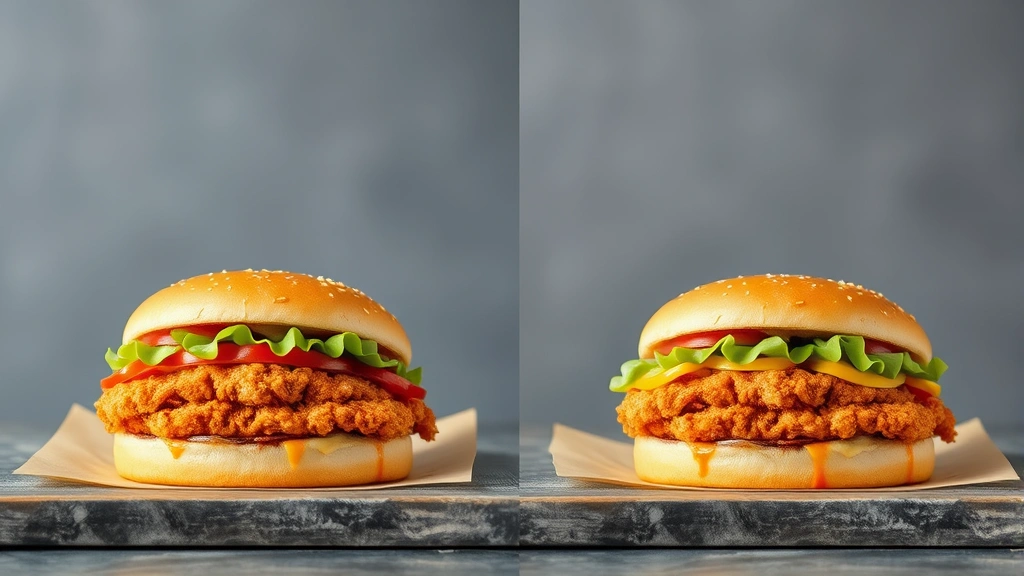
Contextualizing the McChicken within the broader fast-food landscape reveals its relative positioning. Chick-fil-A’s Chicken Sandwich contains 440 calories with 19 grams of protein and 1,350 milligrams of sodium—higher in calories and sodium but superior in protein content. Wendy’s Crispy Chicken Sandwich provides 350 calories with 15 grams of protein and 730 milligrams of sodium—lower in calories and sodium but similar protein levels. Popeyes’ Classic Chicken Sandwich delivers 390 calories with 16 grams of protein and 1,020 milligrams of sodium—comparable to the McChicken across most metrics.
The McDonald’s McChicken emerges as a moderate option within the fast-food fried chicken sandwich category. Its primary advantages include lower caloric content and relatively modest saturated fat levels compared to beef-based alternatives like the McDonald’s Quarter Pounder (520 calories, 28 grams fat). However, it offers no meaningful advantages over grilled chicken options available at chains like Chick-fil-A or Panera Bread, which provide similar calories with higher protein and lower sodium.
For consumers seeking healthier fast-food options, comparing the McChicken to grilled alternatives becomes essential. A McDonald’s Grilled Chicken Sandwich contains 380 calories with 37 grams of protein and 730 milligrams of sodium—substantially superior in protein while maintaining comparable calories and sodium. This comparison demonstrates that healthier choices exist within the same restaurant system, requiring only intentional menu selection rather than complete fast-food avoidance.
Integration into Balanced Diet
The McChicken can be reasonably incorporated into a balanced diet when consumed with awareness of its nutritional limitations and frequency of consumption. For individuals following the Nutrients Pathway Blog recommendations on flexible eating approaches, occasional fast-food consumption need not derail nutritional goals. The key considerations include meal frequency, portion control, and complementary food choices.
Pairing the McChicken with micronutrient-dense sides substantially improves the meal’s nutritional profile. Selecting water or unsweetened beverages instead of sugary soft drinks eliminates 200+ calories and 50+ grams of sugar. Choosing a side salad instead of french fries adds fiber, vitamins, and minerals while reducing caloric density. These simple modifications transform a nutritionally modest meal into a reasonably balanced lunch option totaling approximately 600 calories with improved macronutrient ratios and micronutrient density.
For individuals with specific health conditions, the McChicken’s sodium content warrants particular consideration. Those managing hypertension should limit fast-food consumption to occasional treats rather than regular meal components, as cumulative sodium intake from processed foods significantly impacts blood pressure control. Similarly, individuals with diabetes should account for the refined carbohydrate content and consider pairing the sandwich with protein and fat sources to moderate glycemic response.
The sandwich’s modest protein content makes it less suitable as a primary protein source for muscle-building goals or athletic recovery. Athletes seeking fast-food options would benefit from grilled alternatives or double-protein modifications when available. Conversely, for sedentary individuals seeking modest caloric intake, the McChicken’s caloric density presents an efficient energy source that doesn’t substantially exceed modest daily targets.
Understanding the McChicken’s nutritional profile empowers informed decision-making rather than prescribing absolute dietary rules. Research from the National Institutes of Health emphasizes that dietary quality emerges from overall eating patterns rather than individual food choices. Consuming a McChicken occasionally within an otherwise nutrient-dense diet presents minimal health risk, while regular consumption as a dietary staple could contribute to nutritional imbalances and chronic disease risk.
FAQ
How many calories are in a McChicken sandwich?
A standard McChicken sandwich contains 400 calories, representing approximately 20% of a 2,000-calorie daily diet. This caloric content makes it a moderate-calorie entrée option, though the total meal caloric impact depends on accompanying beverages and sides.
Is the McChicken healthier than a Big Mac?
The McChicken (400 calories, 16g fat) is modestly lower in calories and fat compared to a Big Mac (550 calories, 30g fat). However, both items are similarly processed with comparable sodium levels. A grilled chicken alternative would represent a substantially healthier choice than either option.
Does the McChicken contain trans fats?
Modern McDonald’s McChicken sandwiches contain zero grams of artificial trans fats following McDonald’s 2008 elimination of partially hydrogenated oils. However, the sandwich remains high in saturated fat and sodium.
Can I eat a McChicken on a diet?
Yes, a McChicken can fit into most diet plans when consumed occasionally and paired with nutrient-dense sides. The 400-calorie sandwich represents a reasonable portion for lunch when combined with vegetables, fruit, and water rather than calorie-dense sides and beverages.
What is the protein content of a McChicken?
A McChicken sandwich contains 14 grams of protein, representing approximately 28% of daily requirements for a 50-gram protein diet. This modest protein content makes it less suitable as a primary protein source for muscle-building goals.
How much sodium is in a McChicken?
A McChicken contains 830 milligrams of sodium, representing 36% of the recommended daily maximum of 2,300 milligrams. This sodium load warrants consideration for individuals managing hypertension or cardiovascular health.
Is the McChicken gluten-free?
No, the standard McChicken is not gluten-free due to wheat flour in the bun and breading. Individuals with celiac disease or gluten sensitivity should avoid this sandwich or request gluten-free modifications if available at specific locations.
How does the McChicken compare nutritionally to Chick-fil-A?
McDonald’s McChicken (400 calories, 14g protein, 830mg sodium) contains fewer calories than Chick-fil-A’s Chicken Sandwich (440 calories, 19g protein, 1,350mg sodium) but offers less protein and comparable sodium levels. Chick-fil-A’s grilled option provides superior nutritional value with 320 calories and 37 grams of protein.