Oreo Nutrition Facts: A Dietitian’s Complete Insight
Oreos have been an American staple since 1912, with billions sold annually across the globe. Despite their iconic status and undeniable appeal, many consumers remain uncertain about what they’re actually consuming. Understanding Oreo nutrition facts is essential for making informed dietary choices, whether you’re a casual snacker or someone carefully monitoring caloric and nutritional intake. This comprehensive guide breaks down the nutritional profile of Oreos, examines their ingredients, and provides practical context for incorporating them into a balanced diet.
As a dietitian’s perspective, it’s important to acknowledge that no food is inherently “bad”—rather, it’s about understanding nutritional content and making conscious choices. Oreos are primarily composed of refined carbohydrates, sugar, and fat, with minimal micronutrient density. However, when consumed mindfully and in appropriate portions, they can fit within most dietary patterns. This article explores the complete nutritional breakdown, ingredients of concern, and strategies for enjoying Oreos while maintaining overall health and wellness goals.
Complete Nutritional Breakdown Per Serving
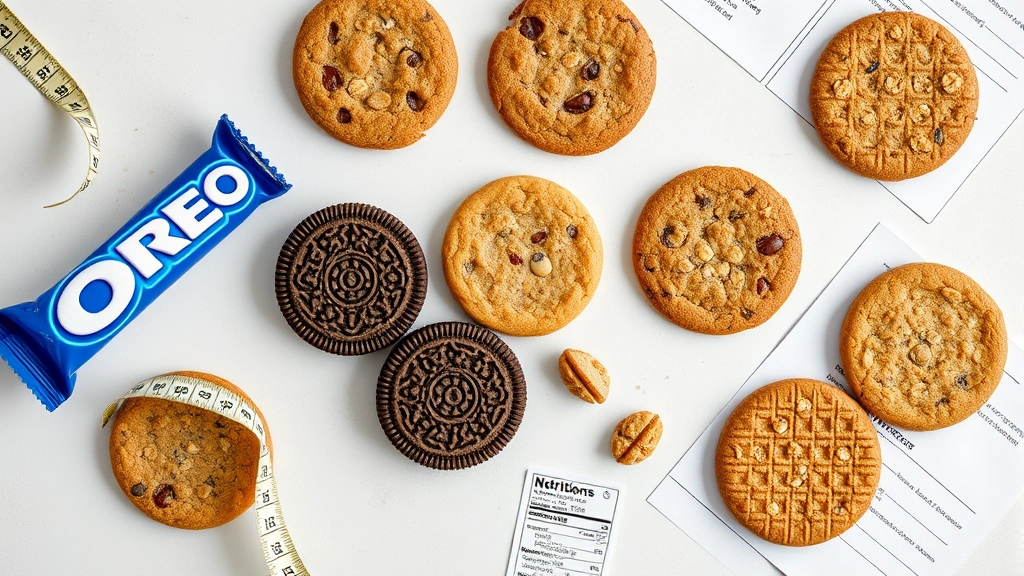
A standard serving of Oreos consists of three cookies, weighing approximately 30 grams. Understanding this baseline is crucial, as many consumers underestimate portion sizes. According to the official Oreo nutrition label, a single three-cookie serving contains:
- Calories: 160 calories per serving
- Total Fat: 7 grams (9% of daily value)
- Saturated Fat: 2 grams (10% of daily value)
- Trans Fat: 0 grams
- Cholesterol: 0 milligrams
- Sodium: 210 milligrams (9% of daily value)
- Total Carbohydrates: 25 grams (9% of daily value)
- Dietary Fiber: Less than 1 gram
- Sugars: 16 grams (including 14 grams of added sugars)
- Protein: 1 gram
These figures represent the classic Oreo formula. It’s worth noting that Oreo has expanded its product line significantly, introducing numerous variations with different nutritional profiles. Golden Oreos, Double Stuf Oreos, Mega Stuf Oreos, and specialty flavors all contain different amounts of calories, fat, and sugar. Understanding your specific product’s nutrition facts label is essential for accurate dietary tracking.
The caloric density of Oreos—approximately 5.3 calories per gram—is relatively high compared to whole foods like fruits and vegetables. This reflects their composition of refined carbohydrates and added fats, which provide concentrated energy without significant micronutrient contributions. For context, an apple of similar weight provides roughly 50 calories with substantially more fiber and micronutrients.

Understanding Macronutrients in Oreos
When examining the macronutrient composition of Oreos, three primary components dominate: carbohydrates, fat, and minimal protein. Let’s examine each in detail.
Carbohydrate Composition
Oreos derive the majority of their calories from carbohydrates—approximately 62% of total calories come from the 25 grams of carbs per serving. Critically, nearly all of these carbohydrates are refined and simple sugars rather than complex carbohydrates. The cookie contains less than 1 gram of dietary fiber, making it nutritionally equivalent to consuming white sugar without the satiety benefits of whole grains.
The importance of dietary fiber for your health cannot be overstated, particularly for digestive function and sustained energy. Oreos provide virtually none. This lack of fiber means blood sugar spikes rapidly after consumption, potentially leading to energy crashes and increased hunger shortly after eating.
Fat Profile
Fat comprises approximately 39% of Oreo calories, with 7 grams per serving. The fat in Oreos primarily comes from vegetable oil and cocoa butter, with a small amount of saturated fat (2 grams). While Oreos contain no trans fats—a positive development from reformulations in previous decades—the overall fat content is substantial for a product with minimal nutritional benefit.
Interestingly, the fat in Oreos contributes to their palatability and mouthfeel, which are significant factors in their popularity. The combination of fat and sugar triggers reward pathways in the brain, making Oreos particularly appealing from a sensory perspective. This is worth acknowledging when discussing portion control and consumption patterns.
Protein Content
With only 1 gram of protein per serving, Oreos provide negligible protein. For context, a single egg contains 6 grams of protein, making Oreos an inefficient choice for meeting daily protein requirements. The lack of protein also contributes to poor satiety—you’ll feel hungry again relatively quickly after consuming Oreos, despite the 160 calorie investment.
Sugar Content and Metabolic Impact
Perhaps the most significant nutritional concern with Oreos is their sugar content. At 16 grams of sugar per three-cookie serving, this represents approximately 38% of the daily recommended sugar intake for an average adult (based on American Heart Association guidelines of 25-36 grams daily).
More importantly, 14 grams of this represents added sugars—sugars not naturally present in ingredients but added during manufacturing. The World Health Organization recommends limiting added sugars to less than 10% of total daily calories, which for a 2,000-calorie diet equals 25 grams. A single serving of Oreos consumes over half of this recommended daily allowance.
The rapid glucose absorption from Oreos’ refined carbohydrates and added sugars triggers an insulin response. For individuals without metabolic dysfunction, this is typically managed effectively. However, for people with prediabetes, type 2 diabetes, or those attempting to manage weight, the glycemic impact of Oreos is particularly problematic. The absence of fiber means there’s no mechanism to slow glucose absorption, resulting in sharp blood sugar spikes.
Research from the American Heart Association demonstrates that excessive added sugar consumption correlates with increased risk of cardiovascular disease, type 2 diabetes, and obesity. While occasional Oreo consumption won’t cause these conditions, regular consumption patterns certainly contribute to chronic disease risk when combined with other dietary factors.
Ingredient Analysis and Additives
Beyond macronutrients, examining Oreo ingredients reveals several additives and processing elements worth understanding. The ingredient list includes:
- Enriched Wheat Flour: Refined flour with added vitamins and minerals to replace those lost during processing
- Sugar: The primary ingredient by weight
- Vegetable Oil: Provides fat and texture
- Cocoa: Provides chocolate flavor, though in minimal quantities
- Corn Syrup: Additional sweetener and texture modifier
- Baking Soda: Leavening agent
- Salt: Flavor enhancer
- Soy Lecithin: Emulsifier promoting consistency
- Vanillin: Synthetic vanilla flavoring
- Artificial and Natural Flavors: Proprietary flavor compounds
The reliance on refined flour rather than whole grains is nutritionally significant. Whole wheat flour contains the bran and germ, which provide fiber, B vitamins, and minerals lost in refined flour. While enriched flour has some vitamins added back, the fiber deficit remains. Comparing Oreos to whole grain alternatives would dramatically shift the nutritional profile.
Soy lecithin deserves mention as it’s a common allergen concern, though it’s generally recognized as safe by the FDA. Those with soy allergies should be aware of this ingredient. Additionally, the artificial flavoring compounds, while deemed safe by regulatory agencies, represent ultra-processed food characteristics that some consumers prefer to minimize.
When considering a healthy nutrition plan, ingredient quality and processing level are important factors beyond simple macronutrient counting.
Comparison with Other Cookies
Understanding how Oreos compare nutritionally to other cookie options provides valuable context. Consider these comparisons per serving:
| Cookie Type | Calories | Sugar (g) | Fiber (g) |
|---|---|---|---|
| Oreo (3 cookies) | 160 | 16 | 0 |
| Fig Newton (2 cookies) | 110 | 12 | 1 |
| Homemade oatmeal (1 large) | 150 | 8 | 2 |
| Whole grain digestive (2) | 140 | 5 | 2 |
This comparison reveals that while Oreos aren’t uniquely problematic compared to many commercial cookies, they’re among the higher-sugar options. Whole grain and oatmeal-based cookies provide more fiber and typically less added sugar for similar caloric content. However, it’s worth acknowledging that Oreos are often consumed because of their specific taste and texture—alternatives may not satisfy the same craving.
Portion Control Strategies
For many people, complete elimination of enjoyed foods isn’t sustainable or necessary. Instead, implementing strategic portion control allows for Oreo enjoyment within a balanced diet. Consider these practical approaches:
Pre-Portioning
Rather than eating directly from the package, portion Oreos into small containers or bags. This creates a psychological boundary and prevents mindless overconsumption. A single serving of three cookies provides a defined endpoint.
Pairing with Protein and Fiber
Combining Oreos with foods containing protein and fiber can moderate blood sugar impact and improve satiety. For example, enjoying three Oreos alongside a glass of milk (providing protein and calcium) and a piece of fruit (providing fiber) creates a more balanced snack than Oreos alone.
Mindful Consumption
Eating slowly and without distractions—television, phones, or work—enhances satisfaction from fewer cookies. Research demonstrates that mindful eating reduces overall consumption while increasing enjoyment.
Frequency Limitation
Rather than daily consumption, designating Oreos as an occasional treat—perhaps weekly or bi-weekly—maintains their special status while limiting overall sugar and calorie intake.
Beverage Consideration
Pairing Oreos with water rather than sugary beverages prevents compounding the sugar load. A glass of milk provides additional nutrition and satiety compared to soda or juice.
Health Considerations for Different Populations
Oreo consumption carries different implications for various populations with specific health considerations.
Children and Adolescents
Growing children require nutrient-dense foods to support development. While occasional Oreo consumption is unlikely to cause harm, regular consumption displaces more nutritious options. Additionally, establishing healthy eating patterns in childhood has long-term implications for adult health.
Individuals with Diabetes
For those managing blood glucose, Oreos present challenges due to their high glycemic index and rapid glucose absorption. The 16 grams of sugar per serving and minimal fiber make them problematic for glycemic control. Individuals with diabetes should limit consumption and monitor blood glucose response if consuming Oreos.
Weight Management
The high caloric density of Oreos (160 calories per serving) combined with poor satiety makes them challenging for those in caloric deficit. The lack of protein and fiber means eating Oreos doesn’t provide the fullness signal that would prevent subsequent overeating. For weight loss goals, alternative snacks with higher fiber and protein content are more supportive.
Cardiovascular Health
While Oreos contain no trans fats, their high added sugar content remains concerning for cardiovascular health. American Heart Association research links excessive added sugar to increased cardiovascular disease risk, making frequent Oreo consumption inadvisable for those with heart disease or cardiovascular risk factors.
Digestive Health
The near-zero fiber content means Oreos don’t support digestive health. For individuals with digestive concerns, how to improve nutrient absorption through fiber-rich foods becomes particularly important. Oreos actively work against these goals.
Healthier Alternatives and Modifications
For those seeking similar satisfaction with improved nutrition, several alternatives merit consideration:
Homemade Cookie Options
Baking cookies at home allows control over ingredients. Using whole wheat flour, reducing added sugar, and incorporating oats or nuts dramatically improves nutritional profile while maintaining enjoyment.
Dark Chocolate Alternatives
Dark chocolate (70% cacao or higher) provides similar chocolate satisfaction with more antioxidants and less added sugar. A small portion paired with nuts offers protein and healthy fats.
Protein-Based Snacks
Greek yogurt with granola, nuts with fruit, or cheese with whole grain crackers provide similar satisfaction with superior nutritional density.
Modified Oreo Consumption
Enjoying Oreos occasionally rather than regularly, consuming smaller portions (1-2 cookies instead of 3), or pairing with nutrient-dense foods represents a compromise approach for Oreo lovers.
FAQ
How many calories are in one Oreo?
A single Oreo cookie contains approximately 53 calories. The standard serving of three cookies totals 160 calories. However, many people consume more than the standard serving in a single sitting.
Are Oreos gluten-free?
Traditional Oreos are not gluten-free, as they contain enriched wheat flour. However, Nabisco has developed a gluten-free Oreo variant for those with celiac disease or gluten sensitivity. Always verify the specific product label.
Do Oreos contain dairy or allergens?
While the chocolate wafers don’t contain dairy, some Oreo varieties include dairy in the filling. Additionally, Oreos contain soy lecithin, making them unsuitable for those with soy allergies. The facility processes tree nuts and peanuts, creating potential cross-contamination risk for those with nut allergies.
Can Oreos be part of a diet plan?
While Oreos can technically fit within a diet plan through portion control and calorie tracking, they’re not ideal choices due to poor satiety and nutritional density. More nutritious snacks better support weight loss goals by providing satiety with fewer calories.
What’s the difference between regular and Double Stuf Oreos nutritionally?
Double Stuf Oreos contain approximately twice the filling, increasing calories to about 210 per three-cookie serving and sugar to approximately 21 grams. They’re nutritionally inferior to regular Oreos and should be consumed even more sparingly.
Are Oreos vegan?
Traditional Oreos are vegan, as they contain no animal products. However, the cream filling contains sugar and palm oil, which some vegans avoid due to environmental concerns. Specific Oreo varieties may not be vegan, so checking individual product labels is essential.
How do Oreos affect blood sugar?
Oreos cause rapid blood sugar spikes due to their high glycemic index and lack of fiber. This is particularly problematic for individuals with diabetes or prediabetes. The spike typically leads to an energy crash and increased hunger within 1-2 hours.
Understanding Oreo nutrition facts empowers informed dietary choices. While Oreos aren’t nutritionally dense and contain concerning amounts of added sugar, complete avoidance isn’t necessary for most people. Instead, viewing Oreos as an occasional treat, implementing portion control, and pairing them with more nutritious foods allows enjoyment while maintaining overall health. For those with specific health conditions like diabetes or cardiovascular disease, stricter limitation or avoidance becomes more important. The key principle remains: no food is inherently forbidden in a balanced diet, but frequency, portion size, and overall dietary pattern determine health outcomes. By understanding what you’re consuming, you can make conscious choices aligned with your health goals.