Uncrustables: Healthy Snack? Dietitian Insight
Uncrustables have become a pantry staple for busy families seeking quick, convenient snacks and lunch options. These pre-made, crustless sandwiches promise simplicity and satisfaction, but the question remains: are they truly a healthy choice? As a registered dietitian, I’ve analyzed the nutritional profile of Uncrustables across their product line to help you make informed decisions about whether they belong in your regular rotation or should remain an occasional convenience food.
The appeal is undeniable. Grab one from the freezer, let it thaw, and you have a complete meal within minutes. But convenience doesn’t always align with nutritional excellence. Understanding what’s actually in these sandwiches—from added sugars to sodium content to protein quality—requires looking beyond the marketing and examining the science. This guide breaks down the nutritional reality of Uncrustables and provides evidence-based recommendations for incorporating them thoughtfully into a balanced diet.
Nutritional Breakdown of Uncrustables
Uncrustables come in several varieties, with the classic peanut butter and jelly version being the most recognizable. A standard serving (one sandwich) contains approximately 210 calories, making it seem portion-controlled at first glance. However, the caloric distribution tells a different story when examined through a nutritional lens.
The macronutrient profile typically includes 8-9 grams of protein, 9-11 grams of fat, and 25-28 grams of carbohydrates. While these numbers might appear balanced, the quality of these macronutrients varies significantly. The protein primarily comes from peanut butter, which offers both protein and healthy fats, but the bread component contributes minimal micronutrients and substantial refined carbohydrates. When developing a healthy nutrition plan, understanding macronutrient quality becomes essential for long-term health outcomes.
Different Uncrustables varieties show notable variations. The Grape Jelly version contains 12 grams of sugar per sandwich, while the Honey versions run slightly lower at 10 grams. Peanut Butter and Honey varieties sit somewhere in between, and the newer Almond Butter options present a different nutritional profile altogether. These differences matter significantly for individuals monitoring sugar intake or managing blood glucose levels.
The fiber content presents another concern. Most Uncrustables varieties contain only 2-3 grams of dietary fiber per sandwich. This is considerably below the recommended daily fiber intake and fails to provide the satiety benefits that higher-fiber snacks deliver. Understanding the importance of dietary fiber for your health helps explain why a fiber-deficient snack may leave you hungry shortly after consumption.
Sugar Content and Health Implications
The sugar content in Uncrustables represents the most significant nutritional red flag for most health-conscious consumers. With 10-12 grams of sugar per sandwich, a single Uncrustable provides roughly 25-30% of the American Heart Association’s recommended daily added sugar limit for adults (25 grams for women, 36 grams for men).
This becomes particularly problematic when considering Uncrustables’ primary market: children. A child consuming one Uncrustable has already consumed nearly half their recommended daily sugar allowance from a single snack. The American Academy of Pediatrics recommends limiting added sugars to less than 25 grams daily for children, making Uncrustables a less-than-ideal choice for young consumers, despite their marketing appeal to families.
The source of these sugars matters significantly. Uncrustables rely on jellies, jams, and honey as primary sweetening agents, all of which contain concentrated sugars without the fiber present in whole fruits. These rapidly-digested sugars cause blood glucose spikes, followed by energy crashes that leave consumers feeling fatigued and hungry. This metabolic pattern contradicts the sustained energy that healthier snacking should provide.
Research from the American Heart Association consistently demonstrates that excessive added sugar consumption correlates with increased risk for obesity, type 2 diabetes, cardiovascular disease, and dental problems. Relying on high-sugar processed foods like Uncrustables as regular snacks contributes to these health risks over time.
The psychological aspect of sugar consumption also deserves mention. Regular consumption of high-sugar snacks can reinforce sugar cravings and make it more difficult to prefer naturally sweet foods like fresh fruit. Building a sustainable eating pattern requires conscious choices about which foods become habitual.
Sodium Levels Across Products
Sodium content in Uncrustables ranges from 280-350 milligrams per sandwich, depending on the variety. For a snack food, this represents a substantial sodium contribution. The American Heart Association recommends limiting daily sodium intake to 2,300 milligrams, meaning a single Uncrustable provides 12-15% of this limit from one food item.
When considering typical daily eating patterns, this becomes problematic. A person consuming an Uncrustable as a snack, plus regular meals with typical sodium levels, quickly exceeds optimal sodium intake. Excessive sodium consumption increases blood pressure, strains cardiovascular function, and can contribute to fluid retention and kidney stress over time.
The sodium in Uncrustables comes from multiple sources: the bread, the peanut butter, and preservatives added to maintain shelf stability. This multi-source sodium profile makes it difficult to reduce by choosing lower-sodium varieties, as the fundamental product composition relies on sodium for preservation and flavor enhancement.
Individuals with hypertension, heart disease, or kidney concerns should be particularly cautious about Uncrustables’ sodium content and consider them only occasionally, if at all. Even those without specific health conditions benefit from monitoring sodium intake across all foods.
Protein Quality and Satiety
While Uncrustables contain 8-9 grams of protein per sandwich, this amount falls short of what most nutrition experts recommend for a satisfying snack. Research suggests that snacks containing 10-15 grams of protein provide better satiety and help regulate subsequent food intake compared to lower-protein options.
The protein composition also matters. Peanut butter provides complete protein with all essential amino acids, which is advantageous. However, the bread contributes incomplete protein with limited amino acid diversity. The overall protein quality, measured by digestibility and amino acid profile, is moderate rather than optimal. Pairing Uncrustables with additional protein sources—such as Greek yogurt or cheese—would enhance their nutritional value, though this defeats the convenience factor.
The protein-to-calorie ratio in Uncrustables is approximately 1.7 grams per 50 calories. Compare this to Greek yogurt at approximately 3-4 grams per 50 calories, and the difference becomes clear. For weight management and sustained energy, higher protein density proves more effective. This is why nutrition experts consistently recommend evaluating protein quality alongside quantity when assessing snack foods.
The satiety factor extends beyond protein content to include fiber and overall food structure. Whole foods with intact cellular structures tend to produce greater satiety than processed foods with disrupted structures. Uncrustables’ processed nature—with refined bread and concentrated fillings—doesn’t optimize satiety despite their reasonable calorie count.
Ingredient Scrutiny: What’s Really Inside
Reading Uncrustables’ ingredient lists reveals several additives and processing techniques that raise nutritional concerns. The bread contains enriched wheat flour, which means the original nutrients were removed during processing and synthetic versions were added back. While enrichment prevents severe deficiencies, it doesn’t provide the micronutrient density of whole grain alternatives.
Preservatives including sorbic acid and sodium benzoate appear in the ingredient list to extend shelf life. While these are generally recognized as safe by the FDA, some consumers prefer to minimize synthetic preservative consumption. Natural preservation methods exist but require either refrigeration or freezing, which Uncrustables employ only partially.
The peanut butter component typically contains added sugars and hydrogenated oils, which differ from natural peanut butter that contains primarily peanuts and salt. Hydrogenated oils, even in small quantities, contribute trans fat content that research links to increased cardiovascular disease risk. The added sugars in the peanut butter layer contribute substantially to the overall sugar content.
Emulsifiers and stabilizers help maintain texture consistency across the frozen product’s shelf life. These additives, while not inherently harmful, represent departures from whole food ingredients. Some research suggests certain emulsifiers may affect gut microbiota, though evidence remains preliminary and requires further investigation.
The jelly or jam filling consists primarily of corn syrup, fruit juice concentrate, and pectin. Corn syrup provides rapid-absorption sugars without micronutrient value. The fruit juice concentrate offers some phytonutrients but loses much of the fiber present in whole fruit. This processing fundamentally changes the food’s metabolic impact compared to eating whole fruit.
Healthier Alternatives and Comparisons
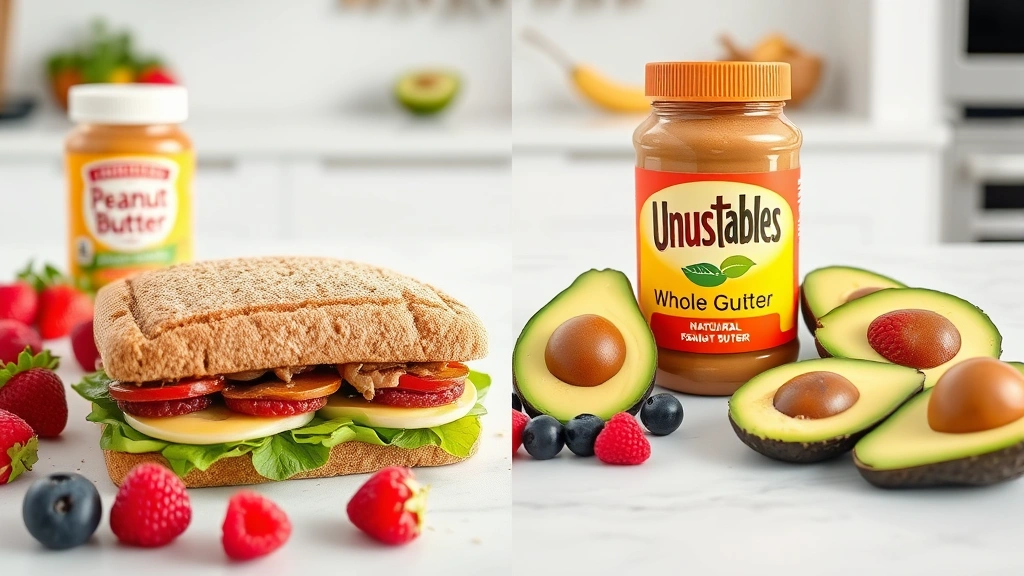
Several alternatives to Uncrustables offer superior nutritional profiles while maintaining reasonable convenience. Whole grain bread paired with natural peanut butter and fresh fruit provides more fiber, fewer additives, and better micronutrient density. While requiring slightly more assembly, this option takes under two minutes to prepare.
Homemade versions using sprouted grain bread, almond butter, and fresh berries or sliced banana offer exceptional nutrition. The sprouted grain provides superior amino acid availability and micronutrient density compared to enriched wheat flour. Fresh fruit adds fiber, water, and phytonutrients that concentrated jellies cannot match.
For those prioritizing convenience, several commercial options surpass Uncrustables nutritionally. Whole grain bread brands with added seeds and nuts provide more fiber and micronutrients. Natural peanut or almond butter brands contain only nuts and salt, eliminating added sugars and hydrogenated oils. Pairing these components takes minimal additional effort compared to unwrapping an Uncrustable.
Consider also protein-forward alternatives like avocado-based snacks on whole grain toast, or cheese and whole grain crackers with nuts. These options provide higher protein density, better satiety, and superior micronutrient profiles. While slightly less convenient than grab-and-go Uncrustables, they represent meaningful nutritional upgrades.
The nutritional comparison is stark: a homemade whole grain sandwich with natural peanut butter and fresh berries contains approximately 280 calories, 12 grams of protein, 8 grams of sugar (from fruit, not added sources), and 6 grams of fiber. This dramatically outperforms Uncrustables across nearly every nutritional metric that matters for sustained health.
Practical Recommendations from Dietitians
Rather than adopting an all-or-nothing approach, most registered dietitians recommend viewing Uncrustables as an occasional convenience food rather than a dietary staple. Their appropriate place in a balanced diet is as an emergency option when better choices aren’t available, not as a regular snack.
For families with young children, limiting Uncrustables to once weekly or less helps prevent excessive added sugar consumption during critical developmental years. When Uncrustables are consumed, pairing them with lower-sugar foods—such as fresh vegetables or unsweetened beverages—helps balance the overall snack’s nutritional impact.
Individuals managing diabetes or prediabetes should avoid Uncrustables due to their rapid-absorption carbohydrates and sugar content. These foods cause unfavorable blood glucose responses that complicate metabolic management. Better alternatives with lower glycemic impact serve these populations significantly better.
Athletes and active individuals might consider Uncrustables more favorably when consumed immediately before or after intense exercise. The rapid carbohydrate absorption that makes them problematic for general snacking becomes advantageous for replenishing muscle glycogen post-workout. However, even in this context, alternatives with better micronutrient profiles remain preferable.
Weight loss efforts benefit from avoiding Uncrustables due to their inadequate protein and fiber content relative to calories. The blood sugar spike followed by energy crash actually increases subsequent calorie consumption, making them counterproductive for sustainable weight management. Snacks supporting satiety and stable energy prove far more effective.
Building a personalized approach means assessing your individual health goals, dietary preferences, and convenience constraints. If convenience is the primary driver, investing 10 minutes weekly in meal prep—creating homemade sandwich components—eliminates the convenience gap while providing superior nutrition. If cost is the concern, whole grain bread and natural peanut butter often cost less than Uncrustables when compared on per-serving basis.
The Academy of Nutrition and Dietetics emphasizes that occasional indulgences fit within healthy eating patterns. The concern with Uncrustables arises when they become habitual rather than occasional, shifting from a rare convenience choice to a dietary pattern component.
FAQ
Are Uncrustables appropriate for children’s lunch boxes?
While convenient, Uncrustables aren’t ideal for regular lunch box inclusion due to their high sugar content and lack of fiber. Children benefit more from whole grain sandwiches with natural peanut butter and fresh fruit. If using Uncrustables occasionally, pair them with vegetables and water to balance the meal’s nutritional profile.
Do frozen Uncrustables lose nutritional value compared to fresh alternatives?
Freezing doesn’t significantly diminish the nutritional content of Uncrustables themselves, but the processing involved in their production—refined bread, concentrated fillings, added sugars—already represents substantial nutritional compromise. Freezing preserves what’s there, which unfortunately isn’t optimal nutrition.
Can Uncrustables fit into a weight loss diet?
Uncrustables aren’t recommended for weight loss due to inadequate protein and fiber relative to their calorie content. These nutrients drive satiety, and their deficiency in Uncrustables means they won’t effectively reduce subsequent hunger or calorie consumption. Better alternatives with higher protein and fiber density support weight loss more effectively.
Are there healthier varieties of Uncrustables available?
Uncrustables offers almond butter versions with slightly different nutritional profiles, but the core issues—refined bread, added sugars, sodium content—persist across their product line. None of their varieties represent genuinely healthy snacking options, though some marginally outperform others.
How often is it safe to consume Uncrustables?
For most healthy adults, occasional consumption—perhaps once monthly—poses minimal health risk. For children, diabetes management, or weight loss goals, limiting to less frequently or avoiding entirely serves health better. Frequency depends on overall dietary pattern and individual health circumstances.
What’s the sodium concern with Uncrustables for blood pressure management?
At 280-350 milligrams per sandwich, Uncrustables represent a significant sodium contribution from a single snack. For individuals with hypertension or cardiovascular concerns, this amount substantially impacts daily sodium limits. Regular consumption makes maintaining recommended sodium levels considerably more difficult.
Do natural peanut butter varieties change Uncrustables’ nutritional profile?
While some Uncrustables varieties use more natural peanut butter formulations, the fundamental issues remain: refined bread, added sugars in the jelly component, and preservation additives. Using natural peanut butter in an otherwise processed product provides marginal nutritional benefit.


