
2% Milk Benefits: Dietitian Insights on Nutrition Facts and Health Impact
When it comes to choosing the right milk for your diet, the percentage on the label matters more than you might think. Two percent milk—often called 2% reduced-fat milk—sits in the middle ground between whole milk and skim, offering a unique nutritional profile that appeals to health-conscious consumers and families alike. Understanding what 2% milk brings to your diet requires looking beyond the fat content to examine the complete nutritional picture, including calcium, protein, vitamins, and how it fits into your overall wellness goals.
Dietitians have long recognized that milk choice is deeply personal and depends on individual health objectives, dietary restrictions, and lifestyle factors. Whether you’re building strong bones, managing weight, or simply seeking a nutrient-dense beverage, 2% milk presents specific advantages worth exploring. This comprehensive guide breaks down the science behind 2% milk nutrition facts and reveals why this middle-ground option deserves consideration in your daily diet.
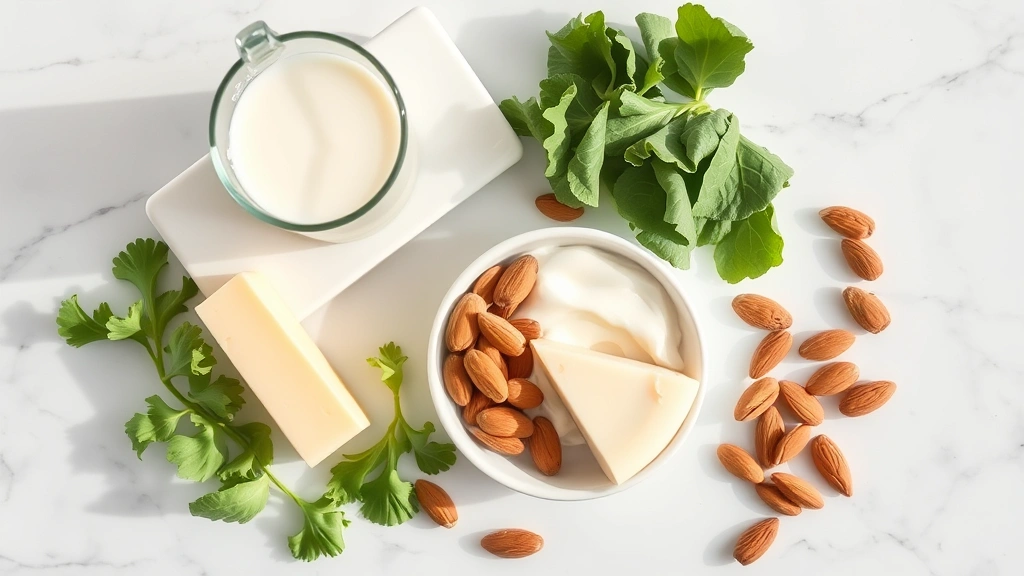
Understanding 2% Milk Nutrition Facts
A standard serving of 2% milk—typically one cup or 240 milliliters—delivers approximately 120-130 calories, making it a moderate-calorie beverage option. The defining characteristic is its fat content: 2% milk contains about 5 grams of fat per cup, positioned strategically between whole milk’s 8 grams and skim milk’s negligible fat content. This moderate fat level is crucial because fat carries fat-soluble vitamins and contributes to flavor and satiety without excessive caloric density.
The protein content in 2% milk remains consistent across all milk fat percentages—approximately 8 grams per cup. This protein includes all nine essential amino acids, making milk a complete protein source that supports muscle maintenance and recovery. When examining 2% milk nutrition facts, carbohydrates typically measure around 12 grams per serving, primarily from lactose, the natural milk sugar that provides quick energy.
Beyond macronutrients, 2% milk fortified with vitamin D typically provides 2.5 micrograms (100 IU) per cup, though some brands offer higher fortification levels. The micronutrient profile includes phosphorus, potassium, and magnesium—minerals that work synergistically with calcium for optimal bone health. Understanding these baseline nutrition facts provides the foundation for appreciating 2% milk’s broader health benefits.

Calcium Content and Bone Health Benefits
Perhaps the most celebrated benefit of 2% milk is its exceptional calcium content. A single cup delivers approximately 290-300 milligrams of calcium, representing roughly 30% of the daily recommended intake for adults. This bioavailable calcium—meaning your body absorbs it efficiently—supports bone density, dental health, and overall skeletal integrity throughout your lifespan.
Dietitians emphasize that calcium from milk sources absorbs more effectively than from many plant-based alternatives because milk naturally contains lactose and vitamin D, both of which enhance calcium absorption. This bioavailability advantage makes 2% milk particularly valuable for populations at risk of bone loss, including older adults and postmenopausal women. Research consistently demonstrates that adequate milk consumption correlates with stronger bone density and reduced fracture risk across age groups.
The combination of calcium, phosphorus, and magnesium in 2% milk creates what nutritionists call a “bone-supporting mineral matrix.” When you’re developing your healthy nutrition plan, incorporating 2-3 servings of dairy daily—whether through milk, yogurt, or cheese—aligns with evidence-based recommendations for maintaining skeletal health and preventing osteoporosis.
Children and adolescents benefit particularly from milk’s calcium content during critical bone-building years. Establishing strong peak bone mass during youth provides a protective buffer against age-related bone loss later in life, making 2% milk an excellent choice for growing bodies.
Protein Quality and Muscle Support
The 8 grams of protein in each cup of 2% milk represents a complete amino acid profile, containing all nine essential amino acids your body cannot synthesize independently. This completeness distinguishes milk protein from many plant-based alternatives and contributes to its value in muscle maintenance and development strategies.
For individuals pursuing fitness goals or managing age-related muscle loss (sarcopenia), incorporating 2% milk into post-workout nutrition or as part of a balanced meal supports protein synthesis and muscle recovery. Dietitians often recommend pairing 2% milk with carbohydrate sources—such as whole grains or fruits—to optimize the anabolic response following exercise. The natural lactose in milk provides these carbohydrates in convenient, palatable form.
Milk protein comprises two primary types: casein and whey, each offering distinct benefits. Casein digests slowly, providing sustained amino acid availability, while whey absorbs rapidly, making it ideal for post-exercise nutrition. This dual-protein composition gives 2% milk advantages over single-protein supplements for whole-food nutrition approaches.
Fat Profile and Heart Health Considerations
The fat in 2% milk deserves careful examination because recent nutritional science has nuanced our understanding of dairy fat’s cardiovascular impact. While 2% milk contains saturated fat (approximately 3 grams per cup), emerging research suggests that dairy fat may not carry the same cardiovascular risk as previously believed, particularly when consumed as part of a balanced diet.
A landmark study published by the American Journal of Clinical Nutrition examined dairy consumption patterns and found that full-fat and reduced-fat dairy products showed similar or sometimes favorable cardiovascular outcomes compared to low-fat alternatives. The fat in 2% milk contains beneficial compounds like conjugated linoleic acid (CLA) and butyric acid, which possess anti-inflammatory properties.
For individuals managing cholesterol levels or cardiovascular health, 2% milk offers a middle-ground approach: it retains some fat for nutrient absorption and satiety while reducing saturated fat compared to whole milk. However, personal health circumstances vary significantly, and consulting healthcare providers about individual milk choices remains essential.
The fat content in 2% milk also enhances absorption of fat-soluble vitamins A, D, E, and K. This bioavailability advantage means your body extracts more nutritional value from the vitamin D fortification and naturally occurring vitamin A in milk when it contains this moderate fat level.
Vitamin D and Micronutrient Advantages
Vitamin D fortification in 2% milk addresses one of modern nutrition’s most pressing deficiency issues. With limited natural food sources of vitamin D and increasing awareness of its critical roles beyond bone health, fortified milk represents an accessible strategy for meeting daily vitamin D needs. Most commercially available 2% milk provides 2.5 micrograms (100 IU) per cup, though premium brands may offer higher fortification levels up to 3 micrograms (120 IU).
Vitamin D’s importance extends far beyond calcium absorption. This nutrient functions as a hormone, regulating immune function, inflammatory responses, and cellular differentiation. Adequate vitamin D status correlates with improved mood, stronger immunity, and reduced risk of chronic diseases including certain cancers. The synergy between calcium and vitamin D in 2% milk creates a particularly powerful combination for health optimization.
Beyond calcium and vitamin D, 2% milk delivers potassium—approximately 370 milligrams per cup—a mineral crucial for cardiovascular health and blood pressure regulation. This potassium content becomes especially valuable when considering how to improve nutrient absorption and maintain electrolyte balance. The micronutrient profile also includes B vitamins, particularly B12 and riboflavin, supporting energy metabolism and nervous system function.
Weight Management and Satiety Factors
Contrary to assumptions that fat-free options automatically support weight loss, research indicates that moderate-fat dairy products like 2% milk may actually support weight management more effectively than their low-fat counterparts. The fat content in 2% milk provides satiety signals that help regulate appetite and reduce overall caloric intake at subsequent meals.
A comprehensive meta-analysis published in the Nutrition Reviews journal examined dairy consumption and body weight, concluding that dairy products—particularly those containing moderate fat—contributed to healthy weight management when incorporated into balanced diets. The mechanism involves enhanced satiety and improved adherence to dietary plans when foods taste satisfying.
The protein content in 2% milk also supports weight management through multiple pathways: protein requires more energy to digest (thermogenic effect), promotes muscle preservation during caloric restriction, and triggers satiety hormones that signal fullness to the brain. When consumed as part of balanced meals, 2% milk helps stabilize blood sugar and energy levels, reducing cravings for less nutritious foods.
Comparison with Other Milk Options
Understanding how 2% milk compares to alternatives helps clarify its unique position in dairy nutrition. Whole milk contains approximately 8 grams of fat per cup—roughly 60% more fat than 2% milk—providing additional fat-soluble vitamin absorption but with increased caloric density (around 150 calories per cup). For individuals without caloric constraints, whole milk’s superior nutrient density appeals to many dietitians.
Skim milk removes essentially all fat, reducing calories to approximately 80 per cup while maintaining protein and calcium content. However, the absence of fat compromises absorption of fat-soluble vitamins and may reduce satiety compared to 2% options. Some individuals find skim milk less satisfying, potentially leading to consumption of higher-calorie snacks.
Plant-based alternatives—including almond, oat, soy, and coconut milk—offer options for individuals with lactose intolerance or dairy allergies. However, most require fortification to achieve comparable calcium and vitamin D levels to dairy milk, and their protein content varies significantly. Exploring diverse nutritional sources helps identify options aligned with individual preferences and health goals.
From a purely nutritional standpoint, 2% milk represents an evidence-based compromise: it retains sufficient fat for optimal nutrient absorption and satiety while reducing caloric density compared to whole milk. This positioning makes it ideal for individuals seeking balanced nutrition without dietary restriction.
Practical Integration into Healthy Nutrition Plans
Incorporating 2% milk into your daily routine supports multiple health objectives simultaneously. As a nutrition blog resources suggest, versatility matters when building sustainable dietary habits. Consider these practical applications:
- Breakfast cereals: Pouring 2% milk over whole-grain cereals combines calcium-rich dairy with fiber-rich grains, creating balanced breakfast foundations.
- Smoothies: Blending 2% milk with fruits and vegetables creates nutrient-dense beverages supporting nutrition and mental health through consistent micronutrient intake.
- Cooking bases: Using 2% milk in soups, sauces, and baked goods integrates dairy nutrition into familiar dishes without requiring significant dietary changes.
- Post-workout recovery: Consuming 2% milk with carbohydrates within 30-60 minutes after exercise optimizes muscle protein synthesis and glycogen replenishment.
- Beverage consumption: Simply drinking 2-3 cups daily as a standalone beverage provides substantial calcium and vitamin D without added sugars or artificial ingredients.
The importance of dietary fiber complements dairy nutrition when you combine 2% milk consumption with fiber-rich whole foods. This synergistic approach addresses multiple nutritional dimensions simultaneously, supporting digestive health, cardiovascular function, and sustained energy levels.
For individuals managing specific health conditions, consulting registered dietitians ensures that 2% milk consumption aligns with personalized medical and nutritional needs. Certain conditions—including lactose intolerance, milk allergies, or specific disease states—may warrant alternative approaches despite 2% milk’s overall nutritional benefits.
FAQ
Is 2% milk better than skim milk for health?
Neither is objectively “better”—it depends on individual goals. 2% milk provides superior satiety and nutrient absorption due to its fat content, while skim milk reduces calories without sacrificing protein or calcium. For weight management with sustained fullness, 2% often proves more satisfying. For strict caloric restriction, skim offers advantages.
How much 2% milk should I drink daily?
Most dietary guidelines recommend 2-3 servings of dairy daily (one serving equals one cup of milk). This provides approximately 600-900 milligrams of calcium and substantial vitamin D, meeting recommended daily intakes. Individual needs vary based on age, sex, and health status.
Does 2% milk contain enough vitamin D?
Fortified 2% milk typically provides 100 IU per cup (2.5 micrograms), which is approximately 12-17% of recommended daily intake. Meeting full vitamin D needs requires additional sources—sunlight exposure, supplements, or other fortified foods—unless consuming higher-fortified milk brands.
Can lactose-intolerant individuals consume 2% milk?
Most lactose-intolerant people can tolerate small amounts of milk with meals, and some adapt better to 2% milk than other percentages. Lactose-free 2% milk products are widely available, offering identical nutrition without digestive distress.
Is the fat in 2% milk unhealthy?
Recent research suggests dairy fat carries less cardiovascular risk than previously believed. The 5 grams per cup—primarily from natural milk sources—provides beneficial compounds and enhances absorption of fat-soluble vitamins. Individual health circumstances determine appropriateness.
How does 2% milk compare nutritionally to plant-based alternatives?
Dairy 2% milk provides complete protein with all essential amino acids, naturally occurring calcium and vitamin D, and superior nutrient bioavailability. Most plant-based alternatives require fortification and offer lower protein levels, though they suit individuals with dairy allergies or lactose intolerance.