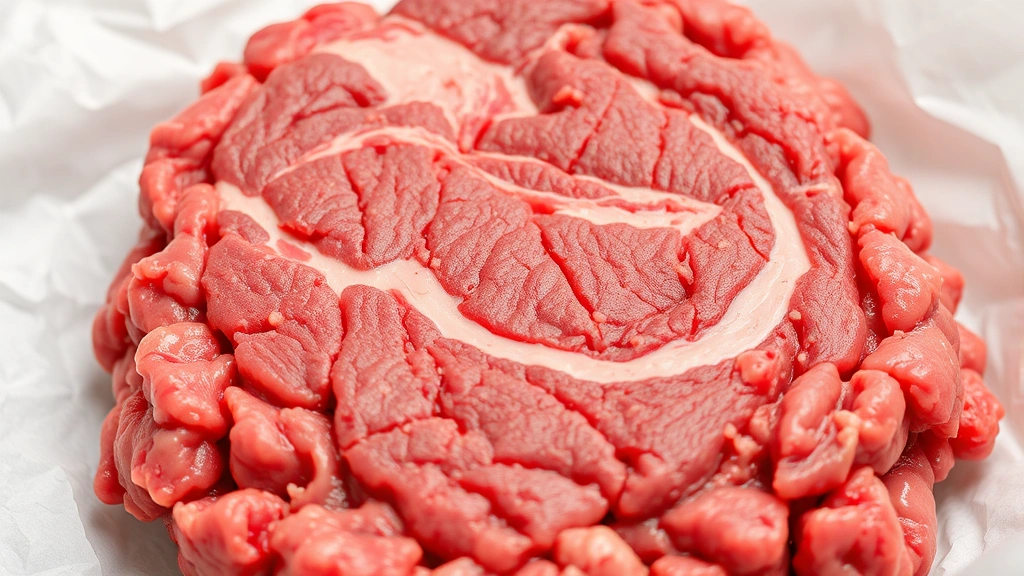
Is 90/10 Ground Beef Healthy? Expert Analysis
Ground beef remains one of America’s most popular protein sources, with 90/10 lean ground beef representing a middle-ground option between ultra-lean and fattier varieties. But does this specific ratio truly deserve a place in a healthy nutrition plan? The answer requires examining nutritional science, comparing it to alternatives, and understanding how it fits into individual dietary goals.
The “90/10” designation means the ground beef contains 90% lean meat and 10% fat by weight. This ratio has gained traction among fitness enthusiasts, health-conscious consumers, and those managing specific medical conditions. However, the healthfulness of any food depends on context, preparation methods, portion sizes, and individual nutritional needs. This comprehensive analysis explores whether 90/10 ground beef deserves its reputation as a healthy choice.
Nutritional Profile of 90/10 Ground Beef
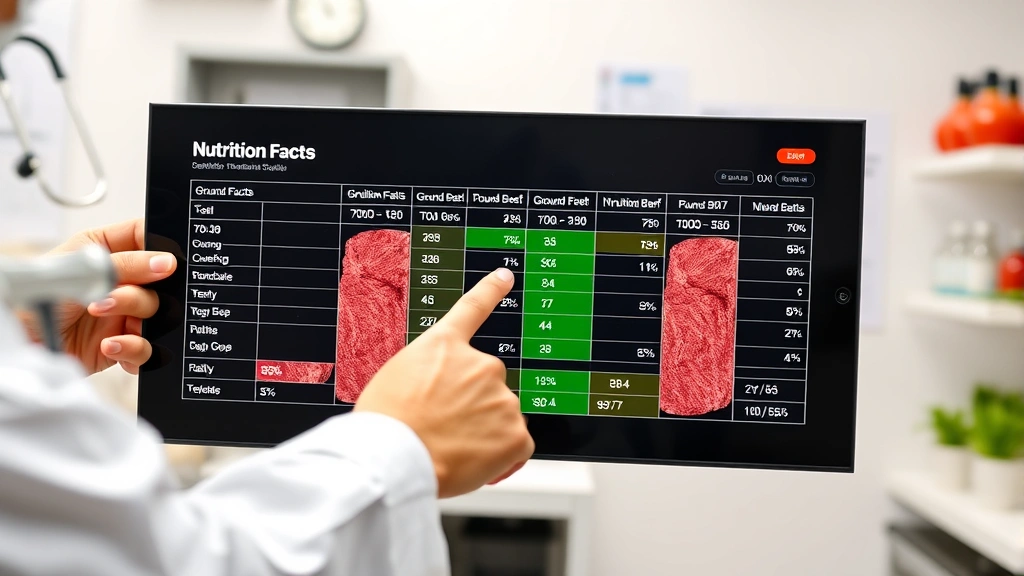
A standard 3.5-ounce (100-gram) serving of 90/10 ground beef contains approximately 150-160 calories, with roughly 10 grams of total fat and 22-24 grams of protein. This macronutrient distribution makes it an attractive option for those prioritizing protein intake while maintaining moderate caloric consumption. The fat content breaks down into approximately 4-5 grams of saturated fat, 4-5 grams of monounsaturated fat, and trace amounts of polyunsaturated fat.
According to USDA nutritional databases, 90/10 ground beef also provides significant amounts of essential micronutrients. A single serving delivers approximately 25% of the daily recommended iron intake, crucial for oxygen transport and energy metabolism. Additionally, it provides substantial B vitamins, particularly B12, B6, and niacin, which support nervous system function and energy production. The selenium content contributes to thyroid function and antioxidant defense.
The nutrient density of 90/10 ground beef makes it particularly valuable when incorporated into a comprehensive healthy eating strategy. Unlike many lower-calorie protein sources, beef provides complete amino acid profiles containing all nine essential amino acids necessary for muscle repair, immune function, and tissue maintenance.
Comparing Fat Content Across Ground Beef Varieties
Understanding how 90/10 ground beef compares to other options clarifies its relative healthfulness. Ground beef products typically range from 70/30 (70% lean, 30% fat) to 96/4 (96% lean, 4% fat). The 90/10 variety sits comfortably in the middle, offering a practical balance between palatability and fat reduction.
- 70/30 Ground Beef: Contains approximately 20 grams of fat per 3.5-ounce serving, with 8 grams of saturated fat. Higher caloric density makes it less suitable for calorie-restricted diets.
- 80/20 Ground Beef: Provides about 15 grams of total fat and 6 grams of saturated fat per serving. Popular for traditional recipes where fat contributes to flavor and moisture.
- 90/10 Ground Beef: The middle-ground option with 10 grams of total fat and 4-5 grams of saturated fat, offering improved nutritional profile without excessive leanness.
- 93/7 Ground Beef: Contains roughly 7 grams of total fat and 3 grams of saturated fat. Significantly leaner but may become dry during cooking without careful preparation.
- 96/4 Ground Beef: The leanest option with approximately 4 grams of total fat per serving. Often used in clinical or medical contexts but lacks the flavor and moisture retention of higher-fat varieties.
Research from the Pew Research Center’s Food Studies Division indicates that 90/10 ground beef represents the most commonly recommended option by registered dietitians for general health maintenance. The ratio provides sufficient fat for nutrient absorption and flavor while maintaining a relatively lean nutritional profile.
Protein Benefits and Muscle Building
The protein content of 90/10 ground beef makes it particularly valuable for individuals engaged in strength training, athletic pursuits, or those seeking to preserve muscle mass during weight loss. The 22-24 grams of protein per 3.5-ounce serving provides approximately 44-48% of the daily recommended protein intake for a 150-pound adult.
Ground beef’s protein offers superior bioavailability compared to many plant-based sources, meaning the body can more efficiently absorb and utilize these amino acids. This characteristic becomes especially important for older adults managing age-related muscle loss (sarcopenia) and for athletes during recovery periods. The complete amino acid profile includes all three branched-chain amino acids (leucine, isoleucine, and valine) essential for muscle protein synthesis.
Studies examining protein quality indicate that beef protein scores exceptionally high on the Protein Digestibility Corrected Amino Acid Score (PDCAAS), a measure of protein quality and usability. This makes 90/10 ground beef particularly effective for individuals following resistance training programs or those prioritizing muscle maintenance as part of their nutrition strategy.
Micronutrients and Essential Minerals
Beyond basic macronutrients, 90/10 ground beef delivers an impressive array of micronutrients that contribute to overall health and disease prevention. The iron content exists primarily as heme iron, the form most readily absorbed by human intestines compared to non-heme iron from plant sources. This distinction proves particularly important for individuals at risk of iron deficiency, including menstruating women and vegetarians considering occasional beef consumption.
The zinc content in 90/10 ground beef supports immune function, wound healing, and protein synthesis. A single serving provides approximately 6-7 milligrams of zinc, representing roughly 55-64% of the adult recommended daily allowance. This mineral becomes especially critical during periods of immune stress or for individuals following restrictive diets where zinc sources may be limited.
Selenium, another key micronutrient present in substantial quantities, functions as a cofactor for glutathione peroxidase, an important antioxidant enzyme. This mineral supports thyroid hormone metabolism and may play protective roles against certain chronic diseases. Additionally, 90/10 ground beef provides choline, a nutrient essential for brain health and often considered conditionally essential for cognitive function, particularly in aging populations.
The B vitamin complex in beef, especially B12, proves invaluable for neurological health, DNA synthesis, and red blood cell formation. Vitamin B12 deficiency can lead to serious neurological complications, making beef consumption particularly important for older adults whose ability to absorb B12 from other sources may diminish with age.
Saturated Fat Considerations
One of the primary health concerns regarding ground beef relates to its saturated fat content. The American Heart Association recommends limiting saturated fat to 5-6% of total daily calories, which translates to approximately 11-13 grams for a 2,000-calorie diet. A single 3.5-ounce serving of 90/10 ground beef provides 4-5 grams of saturated fat, representing roughly 20-25% of this recommended limit.
However, emerging nutrition science has complicated the traditional saturated fat narrative. Research published in leading nutrition journals suggests that the relationship between saturated fat and cardiovascular disease proves more nuanced than previously believed. Factors such as overall dietary patterns, fiber intake, physical activity levels, and other lifestyle variables appear to modify the impact of saturated fat on health outcomes.
The specific saturated fatty acids in beef, including stearic acid, may have neutral or even beneficial effects on cholesterol profiles compared to other saturated fat sources. Additionally, the fat in beef contains butyric acid and conjugated linoleic acid (CLA), compounds with potential anti-inflammatory and metabolic benefits. This suggests that 90/10 ground beef can fit appropriately into heart-healthy diets when consumed in reasonable portions as part of a varied diet rich in fruits, vegetables, and whole grains.
Processing Concerns and Food Safety
The processing methods used to create ground beef warrant careful consideration. Unlike whole beef cuts, ground beef increases surface area exposure to potential pathogens, requiring careful handling and storage. Purchasing 90/10 ground beef from reputable sources with proper food safety certifications reduces foodborne illness risks significantly.
Some commercially available ground beef may contain additives such as sodium phosphate (used to retain moisture) or various preservatives. Selecting products with minimal additives or choosing freshly ground beef from butcher counters allows greater control over ingredient quality. Additionally, some manufacturers add fillers or extenders to ground beef products, so reading ingredient labels carefully ensures you’re purchasing pure beef.
The processing of ground beef into patties or products sometimes involves higher sodium levels than necessary. Comparing sodium content across brands and choosing lower-sodium options, particularly for those managing hypertension, represents an important health consideration. Fresh ground beef contains minimal sodium naturally, while processed ground beef products may contain significantly higher amounts.
How 90/10 Fits Into Weight Management
For individuals pursuing weight loss or weight maintenance goals, 90/10 ground beef offers distinct advantages. The caloric density (approximately 150-160 calories per 3.5-ounce serving) provides substantial satiety benefits without excessive calorie accumulation. The high protein content promotes fullness and may increase thermic effect of food, the energy required to digest and process nutrients.
Research examining protein’s role in weight management consistently demonstrates that higher protein intake supports appetite regulation and reduces overall caloric consumption when incorporated strategically. The 90/10 ratio delivers sufficient protein for these benefits while maintaining a lower fat content than traditional ground beef varieties.
When incorporated into a comprehensive nutrition approach, 90/10 ground beef can support sustainable weight loss by providing satisfying meals that discourage compensatory overeating. The combination of high protein, essential micronutrients, and moderate fat creates nutritionally complete meals requiring minimal additional supplementation.
Cooking Methods That Maximize Health Benefits
The preparation method significantly influences the healthfulness of 90/10 ground beef. Cooking techniques that minimize additional fat addition and reduce formation of potentially harmful compounds optimize nutritional benefits.
- Grilling or Broiling: These methods allow excess fat to drain away while creating flavorful browning through the Maillard reaction. Grilling at moderate temperatures minimizes potentially harmful compound formation.
- Pan-Browning with Minimal Oil: Using non-stick cookware or cast iron allows browning without added fat. Draining excess fat after cooking further reduces final fat content.
- Slow Cooking: Low-temperature cooking in soups, stews, or braised dishes preserves nutrients while allowing gentle fat rendering. The extended cooking time also breaks down connective tissue, improving digestibility.
- Avoid Deep Frying: This preparation method dramatically increases caloric content and introduces oxidized fats potentially harmful to health.
- Limit Added Sodium: Seasoning with herbs, spices, and lemon rather than salt-based condiments preserves sodium intake control.
Pairing 90/10 ground beef with dietary fiber sources such as whole grains, legumes, and vegetables further optimizes nutritional profiles. The fiber aids in satiety, supports digestive health, and may moderate the glycemic impact of meals containing ground beef.
Comparison With Plant-Based Alternatives
As plant-based protein options gain popularity, comparing 90/10 ground beef to alternatives provides important context. Plant-based ground meat substitutes typically offer lower saturated fat content but often contain higher sodium levels, added oils, and various binding agents.
Most plant-based alternatives lack the complete amino acid profiles and bioavailable micronutrients present in beef. While legumes and nuts provide valuable nutrition, they typically contain less iron, zinc, and B12 per serving than 90/10 ground beef. Individuals choosing plant-based diets must supplement or carefully combine multiple protein sources to achieve equivalent nutritional density.
The environmental and ethical considerations surrounding beef production represent valid concerns for many consumers. However, from a purely nutritional standpoint, 90/10 ground beef provides superior nutrient density and bioavailability compared to most plant-based alternatives. A balanced approach might involve incorporating both beef and plant-based proteins, leveraging the nutritional strengths of each.
Research examining different protein sources indicates that the “healthiest” choice depends on individual factors including dietary restrictions, ethical considerations, environmental priorities, and specific health conditions. For those without these constraints, 90/10 ground beef represents a nutritionally sound protein choice that can support various health and fitness goals.
Practical Recommendations for Consumption
Based on current nutritional science, 90/10 ground beef can absolutely fit into healthy dietary patterns when consumed thoughtfully. Recommended serving sizes range from 3-4 ounces (85-113 grams) per meal, providing 18-24 grams of protein while maintaining reasonable fat and calorie intake.
Optimal frequency depends on individual dietary patterns and health status. For most healthy adults, consuming 90/10 ground beef 2-3 times weekly as part of a varied diet provides substantial nutritional benefits without excessive saturated fat accumulation. Individuals managing specific health conditions should consult healthcare providers regarding personalized recommendations.
Combining 90/10 ground beef with abundant vegetables, whole grains, and healthy fats from sources like avocados and olive oil creates balanced, nutrient-dense meals. This approach leverages the nutritional strengths of ground beef while addressing potential dietary gaps and ensuring adequate fiber intake.
Quality sourcing matters significantly. Grass-fed beef may offer slightly different fatty acid profiles and potentially higher omega-3 content compared to grain-fed varieties. While these differences are modest, the superior taste and potential environmental benefits of grass-fed beef make it worth considering when budget permits.
FAQ
Is 90/10 ground beef healthier than 80/20?
Yes, 90/10 ground beef contains 5 fewer grams of total fat and approximately 2 fewer grams of saturated fat per serving compared to 80/20 varieties. This makes it a better choice for those reducing fat intake or managing calorie consumption. However, 80/20 offers superior moisture retention during cooking and may provide slightly better flavor for traditional recipes. The “healthier” choice depends on individual priorities.
Can I eat 90/10 ground beef daily?
While 90/10 ground beef provides excellent nutrition, consuming it daily may lead to excessive saturated fat accumulation and nutritional monotony. Incorporating variety through different protein sources, including poultry, fish, legumes, and plant-based options, provides broader micronutrient coverage and prevents potential health risks from dietary imbalance. 2-3 times weekly represents a more optimal frequency for most adults.
Does cooking method affect the healthfulness of 90/10 ground beef?
Absolutely. Grilling, broiling, and pan-browning with minimal added fat preserve nutritional value while allowing excess fat to drain. Deep-frying dramatically increases caloric content and introduces potentially harmful oxidized fats. Cooking temperature also matters; extremely high heat may form compounds like heterocyclic amines, while moderate temperatures minimize this risk.
How does 90/10 ground beef compare nutritionally to chicken breast?
Chicken breast contains more protein (31 grams per 3.5 ounces) and less fat (3.6 grams) compared to 90/10 ground beef. However, chicken provides minimal iron, zinc, and B12 compared to beef. Ground beef offers superior micronutrient density despite slightly higher fat content. The optimal choice depends on individual nutritional needs and dietary goals.
Is 90/10 ground beef suitable for heart-healthy diets?
Yes, when consumed in appropriate portions as part of a varied diet rich in fruits, vegetables, whole grains, and healthy fats. The saturated fat content, while moderate, should be balanced against total dietary patterns rather than viewed in isolation. Individuals with specific cardiovascular conditions should consult healthcare providers regarding personalized recommendations.
What’s the difference between 90/10 and 93/7 ground beef?
The primary difference involves fat content: 90/10 contains 10 grams of total fat and 4-5 grams of saturated fat per serving, while 93/7 contains approximately 7 grams of total fat and 3 grams of saturated fat. The 93/7 variety offers lower caloric density but may become dry during cooking without careful preparation. For most purposes, 90/10 represents an optimal balance.


