Chicken Wings: Are They Healthy? Nutritionist Insights
Chicken wings have become a cultural staple at sports bars, family gatherings, and casual dining establishments across North America. Yet despite their popularity, many health-conscious consumers remain uncertain about whether these crispy, flavorful morsels fit into a balanced diet. The answer, as with most nutritional questions, is nuanced and depends heavily on preparation methods, portion sizes, and individual dietary goals.
Understanding the chicken wings nutrition facts requires examining both the inherent nutritional profile of the poultry itself and the cooking techniques that transform it into the beloved appetizer we know today. This comprehensive guide explores what nutritionists say about chicken wings, breaking down their macronutrient composition, potential health benefits, and the considerations you should make before adding them to your regular meal rotation.
Nutritional Breakdown of Chicken Wings
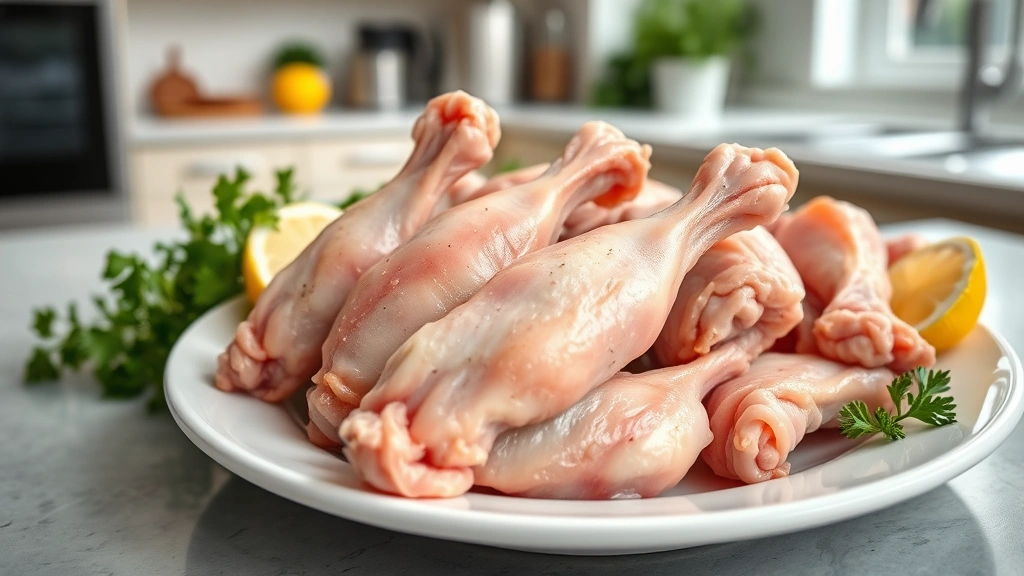
A typical serving of chicken wings—defined as approximately 3.5 ounces or 100 grams of cooked meat without skin—contains roughly 203 calories, according to USDA nutritional databases. However, this baseline figure shifts dramatically depending on whether you’re consuming skin-on or skinless wings, and whether they’ve been fried, baked, grilled, or air-fried.
The macronutrient composition of plain, cooked chicken wing meat breaks down as follows: approximately 30 grams of protein, 9 grams of fat, and virtually zero carbohydrates. This makes them an excellent choice for those following healthy nutrition plans focused on protein intake. The protein content alone makes chicken wings particularly valuable for muscle maintenance and recovery, especially for individuals engaged in regular physical activity.
When examining the fat content, it’s important to recognize that not all fat is created equal. Chicken wing fat consists of approximately 35-40% saturated fat, 50% monounsaturated fat, and 10-15% polyunsaturated fat. This distribution is relatively favorable compared to red meat, though higher in saturated fat than some plant-based proteins.
[IMAGE_1]
The Impact of Cooking Methods
The preparation technique represents perhaps the most significant variable in determining whether chicken wings qualify as a healthy food choice. Deep-fried wings, the traditional preparation method at most restaurants and sports bars, can contain 320-400 calories per 3.5-ounce serving, with fat content doubling or tripling compared to their baked counterparts.
Research from dietary behavior studies indicates that Americans consume substantially more fried foods than previous generations, with significant implications for cardiovascular health. A single order of traditional fried wings at a restaurant can exceed 50 grams of fat, including 12-15 grams of saturated fat—approaching or exceeding daily recommended limits for some individuals.
Conversely, baking chicken wings at 400°F for approximately 40-45 minutes yields a product with significantly reduced caloric and fat content while preserving protein and most micronutrients. Air-frying has emerged as a popular middle-ground approach, producing crispy exteriors with minimal added oil. Studies examining air-fryer results show fat reduction of 70-80% compared to traditional deep-frying, making this method increasingly popular among health-conscious consumers.
Grilling and broiling represent additional preparation options that deliver excellent nutritional profiles. These dry-heat cooking methods require no added fat and allow natural juices to escape, further reducing the overall caloric density of the finished product.
Protein Content and Muscle Building
Chicken wings contain approximately 26-30 grams of complete protein per 100-gram serving, making them an exceptionally efficient source of this macronutrient. Complete proteins contain all nine essential amino acids necessary for human health, and chicken wings deliver particularly high levels of leucine, an amino acid critical for muscle protein synthesis.
For individuals pursuing optimal nutrient absorption strategies, the bioavailability of chicken protein is exceptional—typically exceeding 95% absorption efficiency. This means your body can effectively utilize nearly all the amino acids present in the wings you consume.
Nutritionists frequently recommend chicken wings as part of post-workout nutrition protocols, particularly when combined with carbohydrate sources. The amino acid profile supports muscle repair and growth, while the relatively quick digestion timeline makes wings suitable for immediate post-exercise consumption. Research from the International Society of Sports Nutrition suggests that 20-30 grams of complete protein consumed within two hours post-exercise optimizes muscle adaptation responses.

Fat Profile and Heart Health Considerations
The relationship between chicken wing consumption and cardiovascular health remains somewhat contentious within nutrition science. While wings do contain saturated fat—a nutrient that has historically been vilified—contemporary research suggests a more nuanced understanding of dietary fat’s role in heart disease development.
A comprehensive analysis published in the American Heart Association’s Circulation journal found that saturated fat’s cardiovascular impact varies significantly based on the food matrix in which it’s consumed. The saturated fat in chicken wings, particularly when prepared without deep-frying, appears less problematic than saturated fat from processed foods or fatty red meats.
The skin of chicken wings contains the highest concentration of fat, with skinless wings containing approximately 40-50% less total fat. For individuals with specific cardiovascular concerns or those following heart-health dietary protocols, removing the skin before consumption can substantially reduce fat intake while preserving the lean protein benefits.
Additionally, chicken fat contains oleic acid, the same monounsaturated fat found abundantly in olive oil, which has been associated with improved cholesterol profiles and reduced inflammation markers. This nuance often gets lost in simplified nutritional discussions that treat all animal fats equivalently.
Micronutrients and Additional Benefits
Beyond macronutrients, chicken wings provide meaningful quantities of several essential micronutrients. Selenium, present in substantial amounts, functions as a powerful antioxidant and supports thyroid hormone metabolism. A 100-gram serving provides approximately 27% of the daily recommended selenium intake.
Chicken wings also deliver significant quantities of B vitamins, particularly niacin (vitamin B3) and vitamin B6. These nutrients play critical roles in energy metabolism and cognitive function. Niacin supports cardiovascular health through its effects on cholesterol and triglyceride levels, while B6 participates in amino acid metabolism and immune function.
Phosphorus and zinc, two minerals essential for bone health and immune function respectively, appear in meaningful concentrations. The phosphorus content works synergistically with calcium to support skeletal integrity, while zinc supports wound healing and immune response optimization.
The collagen and gelatin released during the cooking process—particularly when bones are included in the cooking liquid—may provide additional joint and gut health benefits, though research in this area remains preliminary.
Comparison with Other Chicken Cuts
When evaluating chicken wings within the broader context of poultry options, their nutritional profile compares favorably to many alternatives. Chicken thighs contain slightly more fat (approximately 10-11 grams per 100 grams) but offer enhanced micronutrient density compared to breast meat. Chicken breasts contain less total fat but also provide less flavor and require careful preparation to avoid dryness.
Wings occupy an advantageous middle ground: more flavorful and satisfying than breast meat due to their fat content, yet less calorie-dense than thighs when prepared using healthy cooking methods. This balance makes them particularly suitable for individuals seeking dietary adherence—the superior taste and satisfaction factor increases the likelihood of consistent consumption compared to bland alternatives.
Compared to beef or pork, chicken wings deliver substantially less saturated fat and fewer calories while maintaining comparable or superior protein content. A 3.5-ounce serving of ground beef contains approximately 290 calories and 23 grams of fat, compared to chicken wings’ 203 calories and 9 grams of fat.
Practical Tips for Healthier Wing Consumption
If you enjoy chicken wings and wish to incorporate them into a health-conscious diet, several evidence-based strategies can optimize their nutritional profile:
- Choose baking or air-frying: These methods preserve protein while minimizing added fat and calories. Air-fryers deliver superior texture compared to traditional ovens while maintaining nutritional advantages.
- Control portion sizes: A reasonable serving comprises 6-8 wings (approximately 150-200 grams), providing 35-40 grams of protein within a 300-400 calorie allowance.
- Prepare homemade seasoning: Restaurant wing sauces frequently contain added sugars (12-15 grams per serving) and excessive sodium (600-800mg per serving). Homemade spice blends offer equivalent flavor with negligible added calories.
- Remove or minimize skin: For those with cardiovascular concerns, removing skin reduces fat content by approximately 40-50% while maintaining protein benefits.
- Pair with nutrient-dense sides: Serving wings alongside avocados and other nutrient-dense foods creates balanced meals that slow digestion and enhance satiety.
- Incorporate into meal prep: Preparing wings in batch quantities facilitates consistent healthy consumption. Store in refrigerator for 3-4 days or freeze for up to three months.
Integration into Your Meal Plan
Chicken wings can absolutely fit within comprehensive meal planning strategies when approached thoughtfully. For individuals following high-protein diets—whether for muscle building, weight loss, or general health optimization—wings represent an efficient protein source that surpasses many alternatives in terms of cost-effectiveness and palatability.
The Nutrients Pathway Blog emphasizes that optimal nutrition emerges not from eliminating foods, but from making informed choices about preparation methods and portion sizes. This philosophy aligns well with wing consumption: rather than complete avoidance, focus on choosing baked preparations, controlling quantities, and balancing them with vegetables and whole grains.
Consider incorporating wings into weekly meal plans 1-2 times, prepared through healthy cooking methods. This frequency allows you to enjoy them regularly without permitting them to dominate your diet. Pairing wings with substantial vegetable portions ensures adequate micronutrient intake and dietary fiber, creating nutritionally complete meals.
The psychological satisfaction derived from eating foods you genuinely enjoy—rather than forcing yourself through bland alternatives—represents an underappreciated but critical component of long-term dietary adherence. Wings, when prepared thoughtfully, can contribute to this satisfaction while supporting your health goals.

Research on dietary sustainability suggests that restrictive approaches fail at remarkably high rates, while flexible strategies that permit moderate consumption of preferred foods demonstrate superior long-term outcomes. Chicken wings exemplify foods that can fit comfortably within this framework.
FAQ
Are chicken wings unhealthy?
Chicken wings are not inherently unhealthy. Their nutritional profile depends entirely on preparation method. Baked or air-fried wings offer excellent protein with minimal added fat, making them a nutritious choice. Deep-fried versions present more concern due to excessive oil absorption and caloric density.
How many chicken wings can I eat per week?
Most nutrition guidelines suggest that 1-2 servings (6-16 wings) per week fits comfortably within balanced diets. Individuals with specific cardiovascular concerns should consult healthcare providers for personalized recommendations, but this frequency generally poses no health risks for most adults.
Do chicken wings have nutritional value?
Absolutely. Wings provide complete protein (26-30g per 100g), selenium, B vitamins, phosphorus, and zinc. When prepared without excessive added fat, they represent a nutrient-dense protein source comparable to other poultry options.
What’s the healthiest way to cook chicken wings?
Baking at 400°F for 40-45 minutes, air-frying, grilling, or broiling all represent healthy preparation methods. These techniques minimize added fat while preserving protein and micronutrients. Avoid deep-frying, which substantially increases caloric density and unhealthy fat content.
Can I eat chicken wings on a diet?
Yes. When prepared using healthy cooking methods and consumed in appropriate portions (6-8 wings per serving), chicken wings fit within most diet frameworks. Their high protein content actually supports satiety and weight loss efforts by promoting feelings of fullness.
How do chicken wings compare nutritionally to chicken breast?
Wings contain more fat and slightly fewer calories per gram of protein compared to breast meat. However, they offer superior flavor and satisfaction, which can improve dietary adherence. Both represent healthy poultry options with different advantages depending on individual preferences and goals.