
Cinnabon Calories: Dietitian’s Breakdown
Cinnabon has been a beloved indulgence for dessert lovers since 1985, but understanding what you’re consuming is essential for making informed dietary choices. A single Classic Cinnabon roll contains approximately 880 calories, which represents a substantial portion of most people’s daily caloric intake. This comprehensive breakdown examines the nutritional profile of Cinnabon products, helping you navigate these treats within your broader health goals.
When evaluating the cinnabon nutrition label, it’s crucial to consider not just calories, but also macronutrients, added sugars, and sodium content. Many consumers are surprised to discover that a single roll contains more than half the recommended daily added sugar intake for adults. By understanding these components, you can make conscious decisions about frequency and portion control, or explore alternatives that align with your dietary preferences.
Complete Calorie Breakdown by Product
Cinnabon offers several products beyond their signature Classic roll, each with distinct caloric profiles. Understanding these variations helps you choose options that fit your daily intake targets. The Classic Cinnabon roll remains their flagship product, containing 880 calories per serving. This calorie count makes it equivalent to a full meal for many people, rather than a simple snack or dessert addition.
The Cinnabon Mini rolls provide a smaller portion option at approximately 350 calories each, making them more suitable for those seeking a modest treat. The Caramel Pecanbon, a premium variation, escalates to roughly 1,100 calories due to additional toppings and fillings. Cinnabon’s Churro Rolls contain around 420 calories per piece, while their seasonal offerings often range from 350 to 1,200 calories depending on complexity and added ingredients.
When exploring healthy nutrition plans, it’s important to account for occasional indulgences like Cinnabon. The caloric density of these products means that consuming them weekly could add 4,000-5,000 calories monthly—equivalent to 1.5 pounds of body weight gain if not offset by reduced intake elsewhere. For context, the average adult requires 2,000-2,500 calories daily, making a single Cinnabon roll represent 35-44% of total daily energy needs.
Macronutrient Analysis
Beyond calories, the macronutrient composition of Cinnabon products reveals important nutritional information. A Classic Cinnabon roll contains approximately 16 grams of protein, 34 grams of fat, and 127 grams of carbohydrates. The fat content is particularly notable, with significant amounts coming from both saturated and trans fats, depending on the specific formulation and preparation method used at your location.
The carbohydrate content deserves special attention, as nearly all of these carbs are simple sugars or refined flour with minimal fiber. The importance of dietary fiber for your health cannot be overstated, and Cinnabon rolls typically contain less than 2 grams of fiber per serving. This means your body rapidly absorbs the carbohydrates, causing blood sugar spikes that can lead to energy crashes and increased hunger shortly after consumption.
Protein content at 16 grams might seem reasonable, but it’s insufficient to provide satiety lasting more than 30-45 minutes. The fat-to-protein ratio is imbalanced for sustained satisfaction, meaning you may experience cravings sooner than expected. When considering nutrition facts about avocados or other whole-food options, you’ll notice dramatically different macronutrient ratios that provide better sustained energy.

Sugar Content Concerns
Perhaps the most significant nutritional concern with Cinnabon products is their added sugar content. A Classic Cinnabon roll contains approximately 51 grams of added sugar—nearly equivalent to 12 teaspoons. The American Heart Association recommends that women consume no more than 25 grams of added sugar daily, while men should limit intake to 36 grams. A single Cinnabon roll exceeds these recommendations by 100-200% before consuming anything else that day.
This excessive sugar content triggers rapid insulin responses in your body, promoting fat storage and potentially contributing to metabolic dysfunction over time. Research from the American Heart Association demonstrates that high added sugar consumption correlates with increased risk of heart disease, type 2 diabetes, and obesity. The sugar in Cinnabon comes from a combination of sources: the dough itself, the cinnamon-sugar filling, and the cream cheese frosting topping.
The frosting alone contributes approximately 20 grams of added sugar, making it responsible for nearly 40% of the roll’s total sugar content. For individuals managing blood sugar levels or following a healthy nutrition plan, even occasional consumption of full-size Cinnabon rolls may require compensatory dietary adjustments. Mini versions reduce sugar intake to approximately 20 grams, which remains significant but more manageable within daily limits.
Sodium and Other Minerals
The sodium content in Cinnabon products often surprises health-conscious consumers. A Classic roll contains approximately 730 milligrams of sodium, representing about 32% of the recommended daily maximum of 2,300 milligrams. This is particularly concerning because desserts aren’t typically associated with high sodium content, yet Cinnabon’s formulation includes salt as a flavor enhancer and preservative.
The combination of high sodium and high sugar creates metabolic stress, as both substances affect fluid retention and cardiovascular function. Excessive sodium intake contributes to hypertension, increasing risk of heart disease and stroke. When consumed alongside other processed foods throughout the day, a Cinnabon roll can push sodium intake dangerously high, particularly for individuals with salt-sensitivity or existing hypertension.
Regarding other minerals, Cinnabon products provide minimal nutritional benefit. They contain small amounts of calcium (approximately 150-200mg per roll) and iron (1-2mg), but these trace amounts don’t meaningfully contribute to daily mineral requirements. The how to improve nutrient absorption of minerals becomes moot when the overall nutritional profile lacks micronutrient density. Vitamin content is similarly negligible, with minimal B vitamins and virtually no vitamin C or antioxidants.
Comparison to Other Desserts
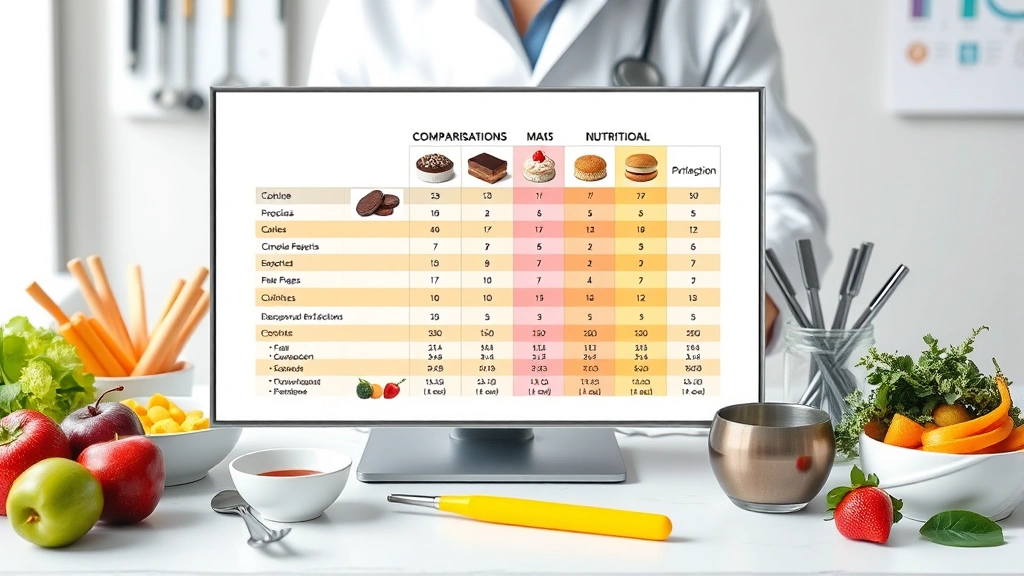
To contextualize Cinnabon’s nutritional profile, comparing it to other popular desserts reveals where it stands in the indulgence spectrum. A slice of cheesecake contains 300-400 calories with 20-30 grams of sugar, making it substantially lighter than a full Cinnabon roll. However, Cinnabon’s offering is more calorie-dense and sugar-concentrated than many chocolate chip cookies, which typically contain 150-200 calories and 12-16 grams of sugar per serving.
When compared to ice cream, a standard serving of premium ice cream contains 250-300 calories with 20-25 grams of sugar, making Cinnabon nearly three times more calorie-dense. Brownies range from 200-350 calories per piece with 15-25 grams of sugar, positioning them as more moderate dessert choices. Even elaborate pastries like croissants contain only 200-250 calories per serving, making them lighter options despite their rich composition.
Cinnabon’s closest nutritional equivalent would be a large slice of frosted layer cake, which might contain 400-500 calories with 40-50 grams of sugar. The key difference is that cake slices are typically shared or split, whereas Cinnabon rolls are consumed individually. This individual-serving format makes it easier to consume the entire product without recognizing the full nutritional impact until after consumption.
Strategies for Mindful Consumption
If you enjoy Cinnabon and want to incorporate it into a balanced diet, several strategies can minimize nutritional impact. The most effective approach is portion control through sharing. A full Classic roll provides enough for two people to each enjoy a substantial portion while reducing individual caloric and sugar intake by 50%. Many Cinnabon locations will split a roll into two servings upon request.
Timing consumption strategically can also reduce blood sugar impact. Eating a Cinnabon roll after a balanced meal containing protein and fiber slows sugar absorption compared to consuming it on an empty stomach. Pairing your treat with a protein source like Greek yogurt or nuts helps stabilize blood sugar and extends satiety. This approach transforms the indulgence from a standalone treat into part of a more balanced eating occasion.
Frequency moderation represents another crucial strategy. Limiting Cinnabon consumption to once monthly rather than weekly dramatically reduces cumulative caloric and sugar intake while preserving the enjoyment factor. When treats are occasional rather than routine, they feel more special and satisfying. This mindset shift—from habitual consumption to intentional indulgence—often naturally reduces overall intake without requiring strict deprivation.
Choosing mini versions instead of classic rolls cuts calories and sugar approximately 60%, providing a meaningful reduction while still delivering the distinctive Cinnabon experience. For those with specific dietary goals, substituting water or unsweetened beverages for sugary drinks when enjoying a Cinnabon helps offset some of the product’s nutritional impact on daily totals.
Healthier Alternatives
Numerous alternatives can satisfy cinnamon roll cravings with significantly better nutritional profiles. Homemade cinnamon rolls made with whole wheat flour, reduced sugar, and natural sweeteners like honey or maple syrup contain 300-400 calories with 10-15 grams of added sugar. These versions provide more fiber, better macronutrient balance, and greater nutritional density than commercial products.
Cinnamon-flavored oatmeal topped with sliced apple and a small drizzle of honey provides approximately 200 calories with 4-5 grams of added sugar while delivering 5-6 grams of fiber and sustained satiety. This option transforms a cinnamon-flavored breakfast into a nutritious meal rather than an indulgent treat. Similarly, Greek yogurt parfaits layered with granola, cinnamon, and fresh berries offer 250-300 calories with 8-12 grams of sugar and substantial protein content.
For those seeking convenience, several brands now offer healthier cinnamon roll options. Protein-enriched versions from specialized bakeries contain 250-350 calories with 5-8 grams of added sugar and 15-20 grams of protein. While not as indulgent as traditional Cinnabon rolls, these alternatives satisfy cinnamon roll cravings with dramatically improved nutritional profiles suitable for exploring nutrition pathway blog recommendations.
Naturally-sweetened cinnamon roll recipes using allulose or erythritol provide virtually identical taste experiences with near-zero added sugar and calories. These alternatives work particularly well for individuals managing diabetes or following ketogenic diets. The key is finding options that satisfy your cravings psychologically while supporting your health objectives physiologically.
FAQ
How many calories are in a Cinnabon Classic roll?
A Classic Cinnabon roll contains approximately 880 calories, representing 35-44% of the average adult’s daily caloric needs. This calorie count includes all components: the dough, cinnamon-sugar filling, and cream cheese frosting.
Is Cinnabon safe for people with diabetes?
Standard Cinnabon products are not recommended for people managing diabetes due to their 51-gram added sugar content and high glycemic index. The rapid blood sugar spike can destabilize glucose levels. Individuals with diabetes should consult healthcare providers before consuming such products, or consider mini versions with reduced sugar impact.
How often can I eat Cinnabon without health consequences?
Occasional consumption—approximately once monthly—can fit within balanced dietary patterns for most people. Weekly or more frequent consumption contributes to excessive caloric and sugar intake that increases chronic disease risk. Frequency depends on individual health status, activity level, and overall dietary patterns.
Do Cinnabon products contain allergens?
Yes, Cinnabon products contain milk, eggs, wheat, and tree nuts (pecans in some varieties). They may also contain traces of peanuts due to shared preparation facilities. Always check current allergen information with your local Cinnabon location, as formulations can change.
What’s the best way to enjoy Cinnabon while maintaining health goals?
Share a full-size roll with another person, choose mini versions, consume it after a balanced meal with protein and fiber, limit frequency to monthly, and pair it with water or unsweetened beverages. These strategies allow enjoyment while minimizing nutritional impact on daily totals and health objectives.
Are there nutritional differences between Cinnabon locations?
Slight variations may exist between franchises based on preparation methods and ingredient sourcing, but nutritional information remains relatively consistent. Always request current nutrition labels from your specific location, as formulations may be updated periodically.


