Cutie Orange Benefits? Dietitian Explains
Cutie oranges, scientifically known as Citrus reticulata, have become a staple in grocery stores and lunchboxes across North America. These small, seedless citrus fruits are prized for their convenient size, naturally sweet flavor, and easy-to-peel skin. But beyond their delightful taste and portability, Cutie oranges pack impressive nutritional benefits that make them a smart choice for health-conscious consumers. Whether you’re looking to boost your immune system, improve your digestive health, or simply add more fruits to your daily diet, understanding the science behind Cutie orange nutrition is essential.
As a dietitian, I’m frequently asked about the nutritional value of popular fruits, and Cutie oranges consistently rank among the most beneficial options for busy individuals seeking quick, nutrient-dense snacks. This comprehensive guide explores the nutritional profile of Cutie oranges, their specific health benefits, and how to incorporate them strategically into your wellness routine. We’ll examine the science-backed evidence supporting their consumption and address common questions about their role in a balanced diet.
Nutritional Profile of Cutie Oranges
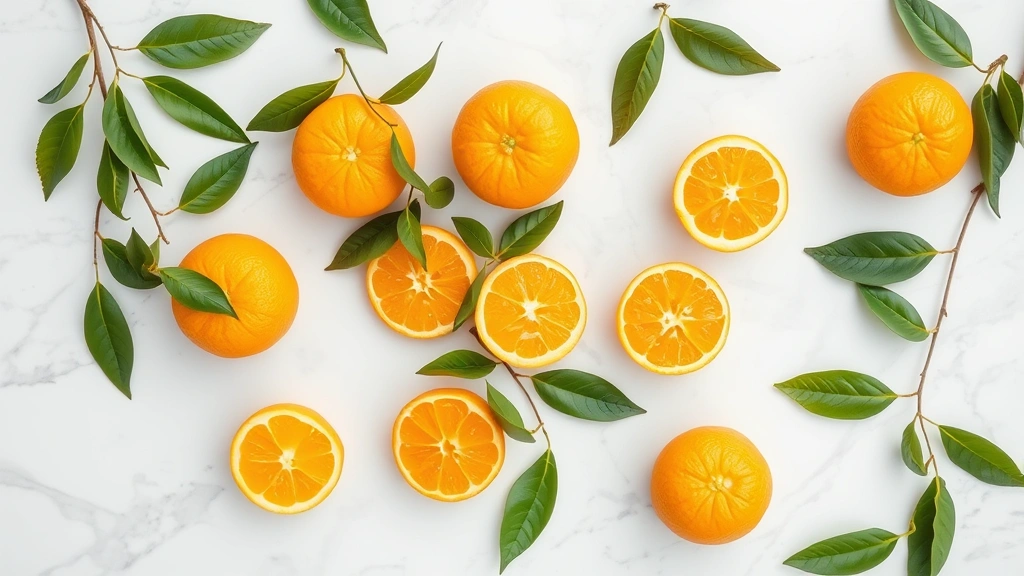
A medium-sized Cutie orange, weighing approximately 88 grams, contains roughly 47 calories and delivers an impressive array of essential nutrients. The macronutrient breakdown includes 1.5 grams of protein, 12 grams of carbohydrates, and virtually zero fat, making them an ideal choice for those monitoring caloric intake or following specific dietary protocols. The carbohydrates in Cutie oranges consist primarily of natural sugars—about 9 grams—along with approximately 2 grams of dietary fiber.
The micronutrient density of Cutie oranges is where their true nutritional value shines. Each fruit provides approximately 36 milligrams of vitamin C, which represents about 60% of the daily recommended value for adults. Additionally, Cutie oranges contain folate, potassium, and calcium, along with trace amounts of magnesium, phosphorus, and zinc. The presence of dietary fiber for your health cannot be overstated, as it plays a crucial role in digestive function and metabolic processes.
What distinguishes Cutie oranges from other citrus varieties is their concentrated nutrient density relative to their small size. Compared to larger orange varieties, Cutie oranges deliver comparable nutritional benefits in a more convenient, portion-controlled package. This makes them particularly suitable for individuals with busy lifestyles who need efficient nutrition without excessive preparation time. The natural sugars present in Cutie oranges are accompanied by fiber and phytonutrients that moderate blood sugar response, preventing the rapid glucose spikes associated with processed sugary foods.
According to research published in the Nutrients journal, citrus fruits like Cutie oranges contain over 60 different flavonoids and phenolic compounds, many of which contribute to their remarkable health-promoting properties. Understanding these compounds is essential for appreciating why Cutie oranges deserve a prominent place in any balanced diet.
Vitamin C and Immune System Support
Vitamin C, also known as ascorbic acid, stands as one of the most celebrated micronutrients in Cutie oranges. This water-soluble vitamin functions as a powerful antioxidant and plays multiple critical roles in maintaining robust immune function. The approximately 36 milligrams of vitamin C in each Cutie orange contributes significantly to your daily requirements, particularly important during cold and flu seasons when immune support becomes paramount.
The immune-boosting mechanisms of vitamin C operate through several pathways. First, vitamin C stimulates the production and function of white blood cells, including lymphocytes and phagocytes, which form the frontline defense against pathogens. Second, this essential nutrient strengthens the physical barriers of your immune system by supporting the integrity of skin and mucous membranes. Third, vitamin C enhances the absorption of iron, a mineral critical for oxygen transport and immune cell function throughout your body.
Consuming Cutie oranges regularly may reduce the duration and severity of common cold symptoms, particularly in individuals exposed to extreme physical stress or cold climates. Multiple clinical trials have demonstrated that adequate vitamin C intake, approximately 200 milligrams daily, can decrease cold duration by approximately 8% in adults. For individuals engaged in intense athletic training or living in harsh climates, this benefit becomes even more pronounced, with potential reductions in cold duration reaching 50% or greater.
Beyond cold prevention, vitamin C supports optimal functioning of your adaptive immune response, which specifically recognizes and remembers pathogens encountered previously. This adaptive response becomes increasingly important as we age, making regular Cutie orange consumption a practical strategy for maintaining immune resilience throughout your lifespan. The synergistic effect of vitamin C combined with other phytonutrients in Cutie oranges amplifies immune support beyond what isolated vitamin C supplementation can provide.
Antioxidants and Disease Prevention
Beyond vitamin C, Cutie oranges deliver an impressive array of antioxidant compounds that combat oxidative stress—a fundamental mechanism underlying aging and chronic disease development. These antioxidants include flavonoids such as hesperidin, naringin, and quercetin, along with carotenoids and phenolic acids that work synergistically to neutralize harmful free radicals throughout your body.
Oxidative stress occurs when free radicals—unstable molecules generated through normal metabolism and environmental exposure—accumulate beyond your body’s antioxidant defense capacity. This imbalance triggers inflammation, damages cellular structures, and accelerates degenerative processes. Regular consumption of antioxidant-rich foods like Cutie oranges helps maintain equilibrium between oxidative stress and your body’s innate antioxidant systems.
Research indicates that the flavonoid hesperidin, particularly abundant in Cutie oranges and other citrus fruits, possesses anti-inflammatory and cardioprotective properties. Studies published in the American Journal of Hypertension have documented that regular citrus consumption correlates with improved vascular function and reduced cardiovascular event risk. The mechanism involves improved endothelial function—the health of blood vessel inner linings—which directly influences blood pressure regulation and atherosclerosis prevention.
Additionally, the antioxidants in Cutie oranges demonstrate potential cancer-preventive properties through multiple mechanisms. Epidemiological research suggests that individuals consuming citrus fruits regularly experience reduced risk for certain cancers, particularly those of the digestive tract. While no single food can prevent cancer entirely, incorporating antioxidant-rich foods like Cutie oranges into a comprehensive dietary strategy significantly reduces cumulative cancer risk over your lifetime.
The polyphenol content in Cutie oranges also supports healthy aging at the cellular level. These compounds activate cellular defense mechanisms, including autophagy—a process where cells remove damaged components—and enhance DNA repair processes. This cellular maintenance function becomes increasingly critical as we age, making Cutie oranges particularly valuable for older adults seeking to maintain vitality and independence.
Fiber Content and Digestive Health
While the fiber content of a single Cutie orange—approximately 2 grams—may seem modest compared to whole grain sources, this fiber provides exceptional digestive benefits when consumed as part of a diverse diet. The fiber in Cutie oranges includes both soluble and insoluble varieties, each contributing distinct advantages to your digestive system.
Soluble fiber, which dissolves in water, forms a gel-like substance in your digestive tract that slows gastric emptying and moderates blood sugar absorption. This property proves particularly valuable for individuals managing blood sugar levels or seeking sustained energy throughout the day. The soluble fiber in Cutie oranges also serves as a prebiotic—a food source for beneficial bacteria colonizing your gut microbiome.
Insoluble fiber, which passes through your digestive system largely unchanged, adds bulk to stool and stimulates intestinal muscle contractions, promoting regular bowel movements. This mechanical action supports optimal digestive transit time, reducing the duration that potential carcinogens remain in contact with your colon. When combined with adequate water intake, the fiber in Cutie oranges significantly reduces constipation risk and supports healthy bowel regularity.
The digestive benefits extend beyond mechanical functions. Consuming how to improve digestion through fiber-rich foods like Cutie oranges creates an environment where beneficial bacteria thrive. These microorganisms produce short-chain fatty acids—particularly butyrate—that nourish your colon cells and reduce inflammation throughout your digestive tract. This microbial fermentation process also enhances mineral absorption, particularly calcium and magnesium, which depend on adequate digestive pH for optimal uptake.
For individuals implementing healthy nutrition plan strategies, Cutie oranges offer practical fiber delivery that doesn’t require extensive meal preparation. The natural combination of fiber with water and pectin in whole Cutie oranges provides superior digestive benefits compared to isolated fiber supplements, which often lack the supporting phytonutrients that enhance absorption and utilization.
Heart Health Benefits
Cardiovascular disease remains the leading cause of mortality worldwide, making heart health optimization a critical public health priority. Cutie oranges contribute to cardiovascular protection through multiple mechanisms supported by substantial clinical evidence. The potassium content in Cutie oranges—approximately 166 milligrams per fruit—supports healthy blood pressure regulation by counteracting sodium’s hypertensive effects and promoting vasodilation.
The flavonoid hesperidin deserves particular attention for its documented cardiovascular benefits. Clinical trials demonstrate that hesperidin consumption improves endothelial function, reduces arterial stiffness, and enhances blood flow characteristics. These vascular improvements translate to measurable reductions in blood pressure, particularly in individuals with hypertension. A meta-analysis examining multiple citrus consumption studies found that regular intake correlated with approximately 3-4 millimeter mercury reductions in both systolic and diastolic blood pressure.
Beyond blood pressure management, Cutie oranges support heart health by improving lipid profiles. The soluble fiber and polyphenols in these fruits help reduce LDL cholesterol oxidation—a critical step in atherosclerotic plaque formation. By preventing LDL oxidation, Cutie oranges reduce the inflammatory cascade that initiates arterial damage. The vitamin C content further supports this protective mechanism through its antioxidant action on circulating lipids.
The anti-inflammatory properties of Cutie orange compounds prove particularly relevant for cardiovascular health, as inflammation drives atherosclerosis progression. Chronic systemic inflammation promotes macrophage infiltration into arterial walls, foam cell formation, and plaque development. The polyphenols in Cutie oranges suppress pro-inflammatory cytokine production, reducing this cascade at its source.
Regular Cutie orange consumption also supports healthy homocysteine levels, an independent cardiovascular risk factor that responds favorably to adequate folate intake. The folate in Cutie oranges helps metabolize homocysteine, preventing its accumulation and associated endothelial damage. This mechanism proves particularly important for individuals with genetic predispositions to elevated homocysteine or those taking medications that interfere with folate metabolism.
Weight Management and Satiety
Despite containing natural sugars, Cutie oranges support healthy weight management through multiple mechanisms that extend beyond simple caloric accounting. The fiber content, while modest in isolation, contributes meaningfully to satiety when Cutie oranges are consumed as whole fruits rather than juice. This satiety effect occurs through multiple pathways: fiber slows gastric emptying, distends the stomach mechanically, and triggers satiety hormone release from intestinal cells.
The glycemic index of whole Cutie oranges remains remarkably low, approximately 42, meaning blood glucose rises gradually after consumption. This gradual glucose elevation triggers moderate insulin secretion, preventing the rapid blood sugar fluctuations that promote hunger and overeating. The polyphenols in Cutie oranges further moderate glucose absorption by inhibiting carbohydrate-digesting enzymes in your small intestine.
For individuals following caloric restriction for weight loss, Cutie oranges offer exceptional nutritional return on minimal caloric investment. The approximately 47 calories per fruit delivers substantial micronutrient density—vitamin C, folate, potassium, and antioxidants—making Cutie oranges far superior to processed snacks of equivalent caloric content. This nutrient density supports metabolic function and prevents the micronutrient deficiencies that often accompany restrictive dieting.
The water content in Cutie oranges—approximately 85% by weight—contributes to satiety while adding negligible calories. This high water content also supports proper hydration, which research demonstrates enhances satiety signaling and metabolic function. Individuals who consume adequate water and water-rich foods like Cutie oranges demonstrate superior appetite control compared to those relying on dehydrating snacks.
Additionally, the natural sweetness of Cutie oranges satisfies sugar cravings without the metabolic disruption caused by processed desserts or artificial sweeteners. This psychological satisfaction proves crucial for long-term dietary adherence, as restrictive approaches that completely eliminate pleasurable food experiences typically fail due to poor compliance. Incorporating Cutie oranges into your dietary strategy allows sustainable weight management without the deprivation that undermines most commercial diet programs.
Skin Health and Collagen Production
The vitamin C in Cutie oranges plays a central role in skin health through its essential involvement in collagen synthesis. Collagen, the most abundant protein in your skin, provides structural support, elasticity, and firmness. Vitamin C acts as a cofactor for prolyl and lysyl hydroxylases, enzymes that stabilize and cross-link collagen molecules, preventing their degradation and maintaining dermal integrity.
Beyond collagen synthesis, vitamin C protects your skin from photodamage caused by ultraviolet radiation. UV exposure generates reactive oxygen species that damage cellular DNA, proteins, and lipids, accelerating skin aging and increasing melanoma risk. The antioxidant action of vitamin C neutralizes these reactive oxygen species before they damage skin structures. Studies demonstrate that topical vitamin C application combined with oral intake provides superior photoprotection compared to either approach alone.
The flavonoids in Cutie oranges contribute additional skin benefits through their anti-inflammatory and antioxidant properties. These compounds reduce inflammatory mediators implicated in acne, rosacea, and other inflammatory skin conditions. The polyphenols also support the skin barrier function by strengthening tight junctions between skin cells, reducing transepidermal water loss and maintaining optimal skin hydration.
The carotenoids in Cutie oranges—including beta-cryptoxanthin—provide additional photoprotection and support skin health through their antioxidant and anti-inflammatory mechanisms. These compounds accumulate in skin tissue and provide internal photoprotection, reducing sunburn risk and supporting skin resilience. Individuals consuming adequate carotenoids demonstrate superior skin appearance and reduced signs of photoaging compared to those with inadequate intake.
For individuals seeking natural approaches to skin health optimization, regular Cutie orange consumption provides measurable benefits without the expense or potential side effects of commercial skincare products. The comprehensive nutrient profile of Cutie oranges supports skin health from multiple angles, creating synergistic benefits that exceed what isolated nutrients can provide.
How to Select and Store Cutie Oranges
Maximizing the nutritional benefits of Cutie oranges begins with proper selection and storage practices. When selecting Cutie oranges at your local market, choose fruits that feel firm and heavy for their size, indicating high juice and nutrient content. Avoid fruits with soft spots, blemishes, or mold, which indicate deterioration and reduced nutritional value. The skin should display a vibrant orange color; greenish hues suggest premature harvest and suboptimal sugar development.
Gently squeeze your selected Cutie orange to assess firmness without applying excessive pressure that might damage the fruit. Fruits that yield slightly to gentle pressure typically contain optimal juice content, while rock-hard fruits may prove dry and less flavorful. The aroma provides another selection indicator—fragrant fruits typically contain higher sugar and volatile compound concentrations.
Storage conditions dramatically influence nutrient retention and shelf life. At room temperature, Cutie oranges remain fresh for approximately one week, gradually losing vitamin C and developing mold susceptibility. Refrigeration extends shelf life to three to four weeks by slowing respiration rates and microbial growth. Store Cutie oranges in your refrigerator’s crisper drawer, maintaining humidity levels that prevent excessive moisture loss while avoiding condensation that promotes mold growth.
For extended storage beyond four weeks, consider freezing Cutie orange segments or juice. Frozen segments retain approximately 90% of their vitamin C content for up to four months when stored at zero degrees Fahrenheit or below. Thaw frozen segments at refrigerator temperature before consuming to preserve nutrient integrity and minimize texture degradation.
Avoid storing Cutie oranges near ethylene-producing fruits like bananas or avocados, which accelerate ripening and spoilage. Ethylene exposure triggers enzymatic processes that break down nutrients and promote senescence. Proper storage in dedicated refrigerator compartments away from ethylene sources maximizes nutrient retention and extends the period during which your Cutie oranges deliver optimal health benefits.
Practical Tips for Daily Consumption
Integrating Cutie oranges into your daily routine proves remarkably simple given their convenient size and minimal preparation requirements. The seedless nature of Cutie oranges eliminates the primary obstacle deterring many people from regular citrus consumption—the frustration of removing seeds during eating. This convenience factor directly translates to increased consumption frequency, amplifying the cumulative health benefits.
For optimal nutrient extraction, consume Cutie oranges as whole fruits rather than juice. While fresh-squeezed Cutie orange juice retains many nutrients, the removal of pulp eliminates most fiber and reduces satiety signaling. The whole fruit format also moderates blood sugar response through its intact fiber matrix, providing superior metabolic benefits compared to juice consumption. If you prefer juice, consume it immediately after preparation to minimize nutrient oxidation, and consider retaining pulp for maximum nutritional value.
Pairing Cutie oranges with foods containing fat—nuts, seeds, avocados, or olive oil—enhances absorption of fat-soluble compounds and carotenoids. This combination strategy proves particularly valuable for optimizing the bioavailability of beta-cryptoxanthin and other carotenoids present in Cutie oranges. A simple snack combining a Cutie orange with a small handful of almonds delivers synergistic nutritional benefits exceeding either food consumed individually.
For individuals following nutrition and mental health optimization strategies, Cutie oranges provide valuable support through their folate and antioxidant content. These nutrients support neurotransmitter synthesis and protect brain tissue from oxidative damage, contributing to mood stability and cognitive function. Consuming Cutie oranges as a mid-morning or afternoon snack provides sustained energy and mental clarity through their moderate glycemic impact.
Incorporating Cutie oranges into your breakfast routine offers particular advantages. The vitamin C content enhances iron absorption from whole grain cereals and plant-based protein sources, supporting optimal iron status and energy availability. The natural sweetness satisfies morning cravings without the metabolic disruption of processed breakfast foods, setting a positive nutritional tone for the entire day.
For athletes and active individuals, Cutie oranges provide valuable carbohydrates for glycogen replenishment combined with potassium for electrolyte balance. Consuming one to two Cutie oranges within 30 minutes after intense exercise supports recovery and adaptation. The polyphenols also reduce exercise-induced inflammation, potentially accelerating recovery and improving subsequent exercise performance.
FAQ
Are Cutie oranges safe for individuals with diabetes?
Yes, Cutie oranges can be incorporated into diabetic dietary plans when consumed in appropriate portions and combined with protein or fat sources. The low glycemic index, high fiber content, and polyphenols in Cutie oranges moderate blood glucose response. However, portion control remains essential—typically one medium Cutie orange per serving—and pairing with protein or fat sources further moderates glucose absorption. Individuals taking diabetes medications should monitor their response and consult their healthcare provider regarding optimal consumption frequency.
Can Cutie orange consumption interfere with medications?
Certain medications interact with citrus compounds, particularly grapefruit and pomelo. However, Cutie oranges and other mandarin-type citrus demonstrate minimal interaction potential with most medications. That said, individuals taking statins, blood pressure medications, or immunosuppressants should consult their pharmacist regarding potential interactions. The polyphenols in Cutie oranges may theoretically affect medication metabolism, but clinical significance remains minimal for most individuals at normal consumption levels.
How many Cutie oranges should I consume daily?
One to two medium Cutie oranges daily fits comfortably within general fruit consumption recommendations of two to four servings daily. This intake delivers approximately 72-144 milligrams of vitamin C, well above the recommended daily allowance of 75-90 milligrams for adults. Consuming more than three Cutie oranges daily may contribute excessive natural sugars for some individuals, particularly those managing blood sugar levels or following caloric restriction for weight loss.
Are organic Cutie oranges nutritionally superior to conventional varieties?
While organic Cutie oranges avoid synthetic pesticide residues, research demonstrates minimal nutritional differences between organic and conventional varieties when grown under comparable soil and climate conditions. The primary advantage of organic production involves pesticide residue avoidance rather than superior nutrient density. If pesticide residue concerns drive your preference, organic options prove reasonable, though thoroughly washing conventional Cutie oranges under running water removes most surface residues effectively.
Can Cutie orange consumption cause allergic reactions?
True allergies to Cutie oranges remain rare, though citrus sensitivity can occur in individuals with oral allergy syndrome, particularly those allergic to birch pollen. More commonly, individuals experience acid sensitivity from citric acid exposure, manifesting as mouth or throat irritation. If you experience symptoms after consuming Cutie oranges, consult your healthcare provider for proper evaluation. For those with confirmed citrus allergies, alternative vitamin C sources including kiwis, bell peppers, and strawberries provide comparable nutritional benefits.
Does peeling Cutie oranges reduce their nutritional value?
Peeling does not significantly reduce nutritional value of the edible fruit portion. However, Cutie orange peel contains concentrated flavonoids and limonene, compounds with demonstrated health benefits. While consuming peel directly proves unpalatable for most people, incorporating dried peel into teas or using zest in culinary applications provides access to these additional compounds. The primary nutritional value remains in the fruit segments themselves, which suffer no degradation through peeling.
Are Cutie oranges appropriate for children?
Cutie oranges represent excellent fruit choices for children, providing natural sweetness without added sugars and delivering substantial micronutrient content supporting growth and development. The seedless design eliminates choking hazards present with other citrus varieties. Introduce Cutie oranges to children as part of diverse fruit consumption, typically around 6-12 months of age when solid foods begin. Monitor for any signs of citric acid sensitivity, though adverse reactions remain uncommon.


