Is Dave’s Killer Bread Healthy? Dietitian Insight on Nutrition & Whole Grains
Dave’s Killer Bread has become a staple in many health-conscious households, marketed as an organic, sprouted whole grain alternative to conventional white bread. But does it live up to the hype? As a registered dietitian nutritionist, I’ve analyzed countless bread products, and Dave’s Killer Bread presents an interesting case study in modern food marketing versus actual nutritional science. This comprehensive guide examines the bread’s nutritional profile, ingredients, and whether it truly deserves a place in a healthy diet.
The bread industry has undergone significant transformation over the past two decades. Where white bread once dominated American tables, consumers increasingly seek whole grain, sprouted, and organic options. Dave’s Killer Bread emerged in this landscape, positioning itself as a premium, health-forward choice. However, understanding what makes bread genuinely healthy requires looking beyond marketing claims to examine actual nutrition facts, ingredient sourcing, and how this bread fits into your broader dietary pattern.
Nutritional Profile Analysis
Dave’s Killer Bread comes in several varieties, with the “21 Whole Grains and Seeds” being the most popular. A typical serving (one slice, approximately 45 grams) contains roughly 120 calories, making it comparable to standard whole wheat bread. Here’s what you need to know about the macronutrient breakdown:
- Protein: 5-6 grams per slice, which is higher than many conventional breads
- Fiber: 3-4 grams per slice, contributing meaningfully to daily fiber intake
- Carbohydrates: 20-22 grams per slice with relatively low simple sugars
- Fat: 1.5-2 grams per slice, primarily from seeds
- Sodium: 190-230 mg per slice, within acceptable ranges for bread products
The macronutrient distribution looks favorable on paper. The combination of protein and fiber provides satiety, which can support weight management when part of a healthy nutrition plan. The protein content exceeds many commercial breads by 1-2 grams per slice, attributable to the variety of seeds and sprouted grains included in the formula.
Ingredients Breakdown
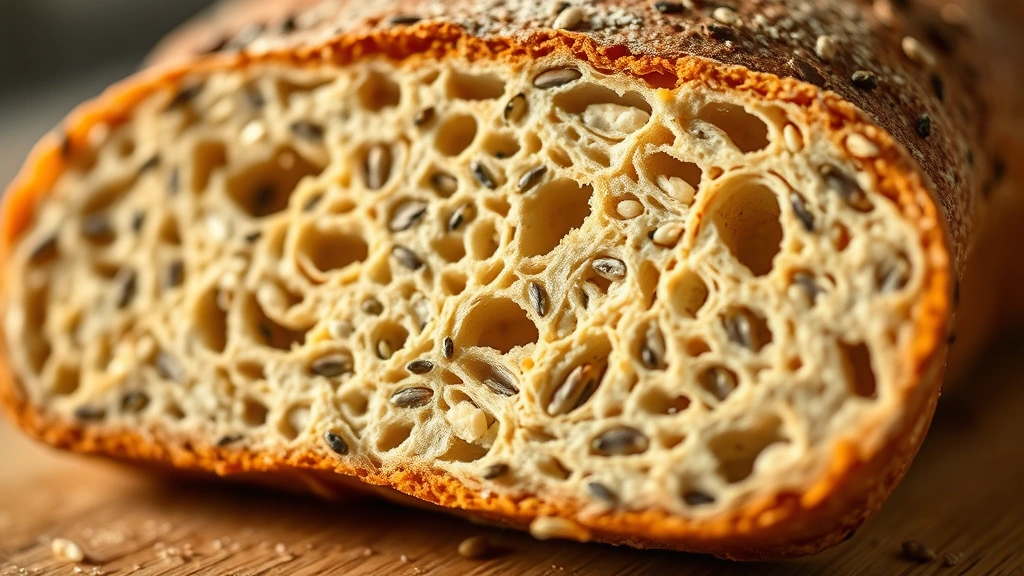
Understanding Dave’s Killer Bread’s ingredient list is crucial for dietitian assessment. The “21 Whole Grains and Seeds” variety contains sprouted whole grains as the primary ingredient, including wheat, barley, oats, rye, and millet, followed by seeds like sunflower, sesame, and flax. This ingredient-forward approach differs significantly from many commercial breads that rely on refined flour as their base.
Key ingredients worthy of examination include:
- Sprouted Whole Grains: The foundation of the product, offering enhanced nutrient bioavailability compared to non-sprouted alternatives
- Organic Ingredients: The bread is USDA certified organic, eliminating synthetic pesticide residues commonly found in conventional grain products
- Seeds: Sunflower, sesame, flax, and pumpkin seeds contribute omega-3 fatty acids, minerals, and additional fiber
- Honey: Listed as a sweetener, adding approximately 1-2 grams of sugar per slice
- Sea Salt: Provides sodium and minerals, though sodium content remains moderate
Notably absent from Dave’s Killer Bread are dough conditioners, artificial preservatives, and high-fructose corn syrup—common in mass-market bread products. The use of organic ingredients and sprouted grains represents a genuine commitment to ingredient quality that extends beyond marketing rhetoric.
Fiber Content & Digestive Health
Dietary fiber represents one of the most significant nutritional advantages of Dave’s Killer Bread. With 3-4 grams per slice, consuming two slices provides 6-8 grams of fiber, contributing substantially toward the recommended 25-38 grams daily intake for adults. This aligns with research emphasizing the importance of dietary fiber for your health.
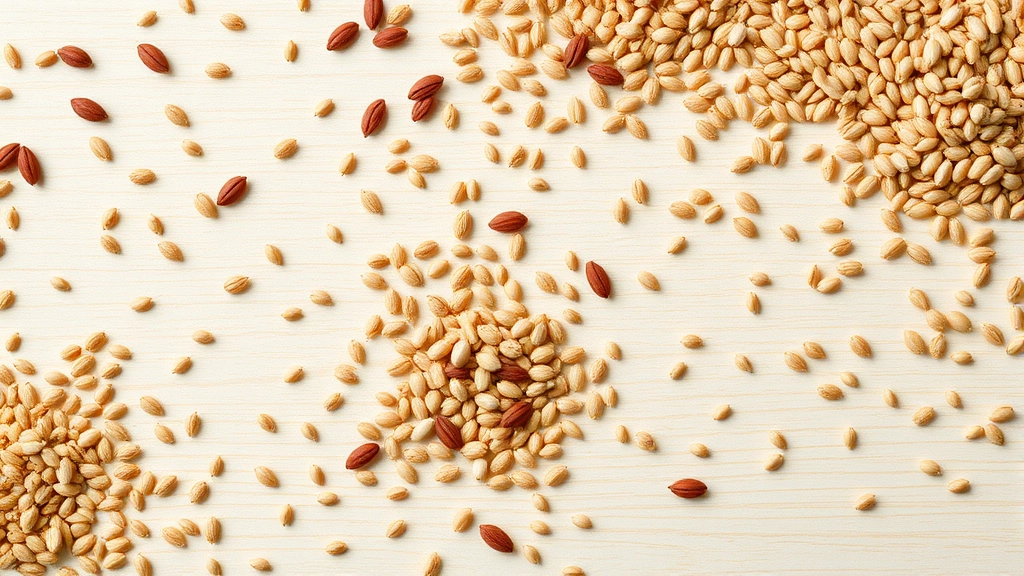
The fiber in Dave’s Killer Bread comes from multiple sources: whole grain bran, seed husks, and sprouted grain endosperm. This diverse fiber profile provides both soluble and insoluble fiber, each offering distinct health benefits. Soluble fiber from oats and barley supports cholesterol management and blood sugar stability, while insoluble fiber from wheat bran and seeds promotes digestive regularity.
Research published in the American Journal of Clinical Nutrition demonstrates that whole grain consumption correlates with improved cardiovascular outcomes and reduced type 2 diabetes risk. The fiber content in Dave’s Killer Bread positions it as a legitimate contributor to these health benefits when consumed as part of a fiber-rich diet rather than as an isolated intervention.
Sugar Content Considerations
One area where Dave’s Killer Bread performs admirably is total sugar content. Most varieties contain only 2-3 grams of sugar per slice, significantly lower than many “health-focused” breads that contain 4-6 grams. This modest sugar content reflects the minimal use of added sweeteners beyond honey.
For individuals monitoring sugar intake due to diabetes, prediabetes, or metabolic concerns, Dave’s Killer Bread presents a reasonable option when paired with protein sources. The glycemic index of sprouted grain bread is lower than refined wheat bread, meaning it produces a slower, more gradual blood sugar response. This characteristic makes it particularly suitable for individuals seeking stable energy levels throughout the day.
However, context matters significantly. Consuming Dave’s Killer Bread with butter alone differs nutritionally from pairing it with avocado, eggs, or nut butter. The addition of protein and healthy fats further moderates the glycemic response. For comprehensive dietary guidance, reviewing nutrition facts about avocados and other whole foods that pair well with bread can enhance overall meal quality.
Sprouted Grains Benefits
The sprouting process fundamentally alters grain composition in ways that deserve detailed examination. When grains sprout, enzymes activate that break down phytic acid—a compound that inhibits mineral absorption. This enzymatic action increases bioavailability of zinc, iron, magnesium, and calcium, meaning your body can absorb these minerals more efficiently than from non-sprouted grains.
Sprouting also increases certain amino acids and reduces gluten content, though Dave’s Killer Bread still contains gluten and isn’t suitable for celiac disease or gluten sensitivity. For individuals with minor gluten sensitivity or those seeking improved nutrient absorption, sprouted grain bread offers genuine advantages.
Research from the National Center for Biotechnology Information demonstrates that sprouted grain consumption increases antioxidant activity and reduces anti-nutrient compounds. These biochemical changes translate to practical health benefits: improved mineral status, enhanced antioxidant protection, and potentially better digestive tolerance for some individuals.
Additionally, sprouting increases enzyme content, which may support how to improve nutrient absorption throughout the digestive tract. This enzyme contribution distinguishes Dave’s Killer Bread from standard whole wheat alternatives.
How It Compares to Alternatives
To properly assess whether Dave’s Killer Bread is healthy, comparing it to alternatives provides essential context. The bread market offers several categories worth examining:
Conventional Whole Wheat Bread: Standard whole wheat options contain similar calories and fiber but often include dough conditioners and refined ingredients. Dave’s Killer Bread’s organic certification and sprouted grain base provide advantages in ingredient quality and nutrient bioavailability.
Refined White Bread: While familiar to many, white bread lacks the fiber, protein, and micronutrient density of Dave’s Killer Bread. The nutritional comparison clearly favors sprouted grain alternatives.
Keto and Low-Carb Breads: These alternatives contain 2-5 grams net carbs per slice compared to Dave’s Killer Bread’s approximately 18 grams net carbs. However, they often rely on sugar alcohols, seed oils, and processed ingredients that present their own considerations.
Sourdough: Traditional sourdough fermentation also reduces phytic acid and improves bioavailability similarly to sprouting. However, many commercial sourdoughs lack whole grains and contain added sugars.
Dave’s Killer Bread occupies a compelling middle ground: it offers sprouted grain benefits, whole grain fiber, organic certification, and clean ingredients without extreme macronutrient restrictions. For most individuals seeking a convenient, nutritionally sound bread option, it represents a solid choice within the broader landscape of bread products.

When considering whether to incorporate Dave’s Killer Bread into your diet, evaluate your specific health goals. For weight management, the combination of protein and fiber supports satiety. For cardiovascular health, the whole grain content and fiber profile align with evidence-based recommendations. For individuals managing blood sugar, the modest sugar content and sprouted grain base provide advantages over refined alternatives.
The American Heart Association recommends that at least half of grain consumption come from whole grains. Dave’s Killer Bread contributes meaningfully to this goal while exceeding nutritional standards for many commercial bread products.
From a practical standpoint, Dave’s Killer Bread’s premium price point—typically $4-6 per loaf compared to $2-3 for conventional options—reflects genuine ingredient investments. The organic certification, sprouted grain processing, and seed inclusion all increase production costs. Whether this premium justifies the price depends on individual priorities and budget constraints.
Interestingly, research from Pew Research Center on consumer food preferences demonstrates that health-conscious consumers increasingly prioritize ingredient transparency and processing methods over price alone, suggesting that Dave’s Killer Bread appeals to a specific demographic valuing these factors.
Understanding how bread fits into your broader dietary approach proves equally important as the bread itself. Dave’s Killer Bread performs optimally within a diet emphasizing whole foods, adequate protein, and diverse vegetables. Consuming it alongside processed foods or sugary beverages diminishes its individual nutritional contribution. Conversely, pairing it with nutrient-dense toppings amplifies its health benefits.
The question “Is Dave’s Killer Bread healthy?” ultimately requires a nuanced answer: Yes, it represents a genuinely healthy bread option compared to most commercial alternatives, offering sprouted grains, substantial fiber, clean ingredients, and reasonable macronutrient distribution. However, no single food determines overall health—dietary patterns, physical activity, sleep quality, and stress management collectively determine health outcomes. Dave’s Killer Bread functions as a positive contributor within a health-conscious dietary framework rather than a standalone health solution.
FAQ
Does Dave’s Killer Bread contain gluten?
Yes, Dave’s Killer Bread contains gluten from wheat, barley, and rye. While sprouting reduces gluten content somewhat, it remains unsuitable for individuals with celiac disease. Those with minor gluten sensitivity may tolerate it better than conventional bread due to the sprouting process, but should consult healthcare providers before consumption.
Is Dave’s Killer Bread suitable for weight loss?
Dave’s Killer Bread can support weight loss efforts due to its high fiber and protein content, which promote satiety and reduce overall calorie intake. However, weight loss ultimately depends on total caloric intake and expenditure. Using Dave’s Killer Bread as a replacement for refined bread while maintaining overall calorie balance can contribute to successful weight management.
How should I store Dave’s Killer Bread?
Dave’s Killer Bread lacks artificial preservatives, making proper storage essential. Store it in the refrigerator to extend shelf life to 2-3 weeks, or freeze slices for longer storage. Room temperature storage limits shelf life to 5-7 days before mold develops.
Can individuals with diabetes eat Dave’s Killer Bread?
Yes, individuals with type 2 diabetes can include Dave’s Killer Bread in their diet, particularly when paired with protein and healthy fats to moderate blood sugar response. The sprouted grain base and modest sugar content make it a more favorable bread choice than refined alternatives. However, portion control and individual blood sugar monitoring remain important.
What makes sprouted grains healthier than regular grains?
Sprouting activates enzymes that break down phytic acid, increase amino acid availability, and enhance micronutrient bioavailability. This means your body can absorb more minerals like zinc, iron, and magnesium from sprouted grains compared to non-sprouted alternatives. Sprouting also increases antioxidant activity and enzyme content.
Is organic certification necessary for bread to be healthy?
While organic certification indicates the absence of synthetic pesticides and fertilizers, it doesn’t automatically make bread healthier. However, for grains specifically, organic certification becomes more meaningful because conventional grains often receive heavy pesticide applications. The combination of organic certification with sprouted grains and whole grain content creates a more compelling nutritional profile than any single factor alone.