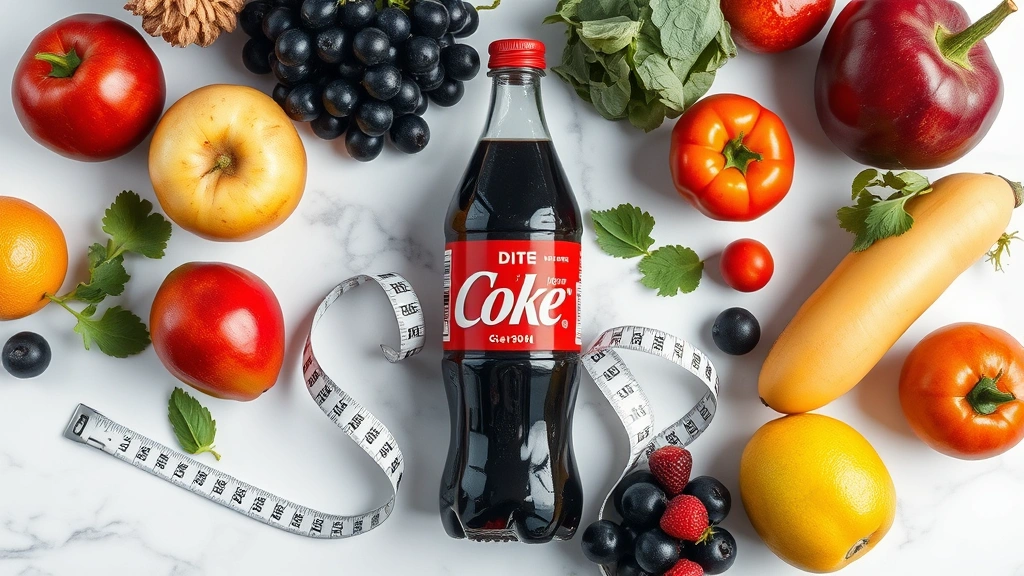
Diet Coke Facts: Nutritionist Insight on Nutritional Values and Health Implications
Diet Coke has been a staple beverage choice for millions of consumers seeking a zero-calorie alternative to regular cola since its introduction in 1982. As a registered dietitian nutritionist, I frequently encounter questions about whether Diet Coke fits into a balanced diet and what its actual nutritional profile reveals about our modern food landscape. This comprehensive analysis examines the diet coke nutritional values, ingredient composition, and evidence-based health considerations that should inform your consumption decisions.
The popularity of artificially sweetened beverages reflects broader consumer trends toward reduced-calorie options, yet the nutritional reality of Diet Coke extends far beyond simple calorie counting. Understanding what’s actually in this beverage—and what’s notably absent—requires examining both the macronutrient profile and the functional ingredients that define its composition. This article synthesizes current nutritional science with practical guidance for health-conscious consumers.
Diet Coke Nutritional Values at a Glance
A standard 12-ounce (355ml) serving of Diet Coke contains zero calories, zero grams of fat, zero grams of carbohydrates, and zero grams of protein. This zero-calorie composition makes it superficially attractive to individuals following calorie-restricted diets or managing weight concerns. However, the absence of conventional macronutrients masks a more complex nutritional story that deserves deeper examination.
The beverage does contain sodium—approximately 40 milligrams per 12-ounce serving—which represents about 2% of the daily recommended intake. While not substantial, regular consumption can contribute to total daily sodium intake, particularly concerning for individuals managing hypertension or following sodium-restricted medical diets. Additionally, Diet Coke contains no vitamins, minerals, or fiber, making it nutritionally empty from a micronutrient perspective.
When evaluating diet coke nutritional values comprehensively, we must recognize that the absence of calories doesn’t equate to nutritional neutrality. The beverage’s functional components—its sweetening agents, carbonation, and additives—create metabolic and physiological effects that extend beyond traditional nutritional analysis. This distinction is crucial for informed dietary decision-making.
Artificial Sweeteners and Their Role
Diet Coke’s zero-calorie status depends entirely on its use of artificial sweeteners rather than sugar. The primary sweetening agent in Diet Coke is aspartame, a dipeptide methyl ester that is approximately 200 times sweeter than sucrose. A 12-ounce serving contains roughly 125 milligrams of aspartame, well below the FDA’s established Acceptable Daily Intake (ADI) of 50 milligrams per kilogram of body weight.
Aspartame has undergone extensive safety testing since its approval in 1981, with numerous regulatory agencies confirming its safety at current consumption levels for the general population. However, individuals with phenylketonuria (PKU), a rare genetic disorder affecting phenylalanine metabolism, must avoid aspartame entirely due to one of its metabolic breakdown products. This is why Diet Coke labels include the warning “Phenylketonurics: Contains Phenylalanine.”
Research on artificial sweeteners’ long-term metabolic effects remains an evolving area of nutritional science. Some studies suggest that non-caloric sweeteners may influence glucose metabolism and appetite regulation through mechanisms independent of caloric content, though findings remain mixed and often contradictory. The relationship between artificial sweetener consumption and metabolic health represents an important consideration when evaluating whether Diet Coke aligns with your healthy nutrition plan.
Beyond aspartame, Diet Coke in some markets contains acesulfame potassium (Ace-K), another artificial sweetener used in combination with aspartame to enhance sweetness and mask any aftertaste. The synergistic combination of multiple sweeteners allows manufacturers to achieve desired taste profiles while maintaining regulatory compliance and minimizing individual sweetener concentrations.
Caffeine Content and Metabolic Effects
A critical component of Diet Coke’s nutritional profile is its caffeine content: approximately 46 milligrams per 12-ounce serving. This places Diet Coke in the moderate-caffeine beverage category, containing roughly half the caffeine of a standard cup of brewed coffee (95-200mg) but comparable amounts to black tea (25-50mg).
Caffeine functions as a central nervous system stimulant, affecting dopamine and adenosine receptors in the brain. Regular consumption can enhance alertness, improve focus, and temporarily increase metabolic rate by approximately 3-11%. For most healthy adults, the FDA considers up to 400 milligrams of daily caffeine consumption safe, meaning an individual could theoretically consume 8-9 servings of Diet Coke daily without exceeding recommended limits. However, this calculation ignores caffeine from other dietary sources and individual sensitivity variations.
The metabolic effects of caffeine in Diet Coke interact with the artificial sweetener components in ways that warrant consideration. Some evidence suggests that caffeine may enhance the artificial sweetener’s effects on taste perception and satiety signals, though human studies demonstrating clinically significant impacts remain limited. Individuals sensitive to caffeine, pregnant women, and those with certain cardiac conditions should consider these factors when assessing their personal caffeine tolerance.
Evening or nighttime consumption of Diet Coke warrants particular attention due to caffeine’s half-life of 5-6 hours, meaning roughly half the caffeine remains in your system 5-6 hours after consumption. This timing consideration becomes relevant when evaluating how Diet Coke consumption might affect sleep quality and circadian rhythm regulation.

” alt=”Professional nutritionist analyzing beverage composition in modern laboratory setting with test tubes and nutritional analysis charts”/>
Ingredients Breakdown and Analysis
Beyond the primary components of water, carbon dioxide, and sweeteners, Diet Coke contains several functional additives that merit nutritionist attention. Phosphoric acid, present at approximately 0.015% by weight, provides the characteristic acidic taste and acts as a preservative. This ingredient has generated considerable public discussion regarding potential effects on bone health and dental enamel erosion.
The phosphoric acid content in Diet Coke is relatively modest compared to other acidic beverages, yet regular consumption—particularly when combined with poor oral hygiene or existing dental vulnerability—may contribute to enamel demineralization over time. Research published in dental journals indicates that frequent exposure to acidic beverages correlates with increased cavity risk and enamel wear, though individual susceptibility varies significantly based on saliva composition, brushing habits, and overall dietary acid load.
Diet Coke also contains natural and artificial flavors, caramel color (produced through ammonia treatment of sugars), and caffeine as previously discussed. The caramel coloring agent has undergone safety evaluation, though some consumer advocacy groups have raised concerns about specific compounds formed during the coloring process. Regulatory agencies maintain that current levels in beverages pose no meaningful health risk.
Carbonation itself, while not a nutritional component, deserves mention as it influences how the beverage affects gastric distension and satiety. The carbon dioxide creates gas bubbles that can contribute to temporary bloating or gastrointestinal discomfort in sensitive individuals, particularly when consumed rapidly or in large volumes. This physiological response, while not harmful, represents a functional consideration distinct from pure nutritional analysis.
Health Considerations for Regular Consumption
The relationship between Diet Coke consumption and metabolic health involves multiple interconnected factors that transcend simple nutritional accounting. Research examining artificial sweetener consumption and weight management has yielded surprisingly complex findings. Some observational studies suggest associations between regular diet soda consumption and weight gain, though establishing causation remains methodologically challenging.
One proposed mechanism involves the sensory-specific satiety hypothesis: consuming sweet-tasting beverages without accompanying calories may disrupt the brain’s ability to accurately predict caloric intake from sweet tastes, potentially leading to compensatory overeating. However, controlled intervention studies examining this mechanism have produced mixed results, with some suggesting minimal metabolic consequence and others supporting metabolic disruption.
The relationship between artificial sweetener consumption and glucose metabolism warrants particular attention for individuals at risk for type 2 diabetes. Some evidence suggests that regular artificial sweetener consumption may be associated with altered glucose tolerance, though whether this represents direct causation or reflects reverse causation (individuals at diabetes risk preferentially consuming diet beverages) remains debated among researchers.
For individuals concerned about nutrition and mental health, the caffeine and sweetener components of Diet Coke may warrant consideration. While caffeine can enhance alertness and mood in moderate amounts, excessive consumption may exacerbate anxiety in susceptible individuals. Similarly, the sweetness of Diet Coke without accompanying calories might influence dopamine pathways in ways that merit personal observation regarding cravings and eating patterns.
Dental health represents perhaps the most well-established concern regarding regular Diet Coke consumption. The phosphoric acid content, combined with the acidic pH of the beverage (approximately 2.4-3.0), creates an environment conducive to enamel demineralization. Individuals consuming Diet Coke multiple times daily face elevated risk of dental erosion, particularly on buccal (cheek-facing) surfaces and occlusal (chewing) surfaces of teeth.
Comparison with Other Beverage Options
Evaluating Diet Coke’s place within a balanced diet requires comparison with alternative beverage choices. Plain water remains the nutritional gold standard, providing hydration without any additives, sweeteners, or calories. Water contains no caffeine, poses no dental risk, and supports optimal cellular function and metabolic processes.
Unsweetened tea and coffee offer caffeine with minimal calories and contain beneficial polyphenol compounds with antioxidant properties absent from Diet Coke. Black tea provides approximately 25-50mg of caffeine per 8-ounce serving along with catechins and theaflavins, compounds showing potential cardiovascular and cognitive benefits in observational research. Green tea offers similar benefits with slightly lower caffeine content and additional L-theanine, an amino acid promoting alpha brain wave activity and relaxation.
Regular soda sweetened with sugar presents a different health profile from Diet Coke, providing 140 calories and 39 grams of sugar per 12-ounce serving. While this makes regular soda more calorie-dense, it eliminates concerns about artificial sweetener effects, though the high sugar content introduces significant metabolic and dental health risks. For individuals managing weight or blood sugar, Diet Coke represents a preferable alternative to regular soda when compared directly.
Flavored sparkling water without sweeteners offers carbonation and flavor variety without calories, sweeteners, or caffeine. These beverages provide the sensory satisfaction of carbonation while avoiding the potential metabolic concerns associated with artificial sweeteners and caffeine. However, some flavored sparkling waters contain citric or phosphoric acids similar to Diet Coke, warranting equivalent dental health considerations.
Sports drinks, energy drinks, and other caffeinated beverages typically contain higher caffeine concentrations than Diet Coke (80-300mg per serving) along with additional ingredients like taurine, guarana, and B vitamins. These beverages occupy a distinct category with different nutritional profiles and metabolic effects appropriate for specific contexts (athletic performance, sustained mental exertion) rather than casual consumption.
Expert Recommendations for Balanced Diet
As a nutritionist evaluating Diet Coke within the context of comprehensive dietary patterns, I recommend several evidence-based approaches. First, recognize that occasional Diet Coke consumption—defined as fewer than one serving daily—poses minimal health risk for most individuals without specific contraindications. The beverage can fit appropriately within a balanced diet when consumed moderately.
For individuals seeking to optimize their tips for meal planning, I recommend prioritizing water as the primary beverage source, targeting approximately 8-10 cups daily depending on individual activity level, climate, and health status. This foundation ensures adequate hydration while avoiding unnecessary calories, caffeine, and additives.
Regarding caffeine consumption specifically, most healthy adults can safely consume up to 400 milligrams daily from all sources combined. If Diet Coke represents your primary caffeine source, 8-9 servings could theoretically fit within this guideline, though practical reality typically involves caffeine from multiple sources (coffee, tea, chocolate) that collectively approach this threshold more quickly.
Individuals with specific health conditions warrant tailored recommendations. Those managing hypertension should monitor total sodium intake, including the 40mg per serving from Diet Coke, particularly if consuming multiple servings daily. Individuals with PKU must completely avoid aspartame-containing beverages. Those with a family history of diabetes might benefit from limiting artificial sweetener consumption pending additional research clarification.
For individuals concerned about dental health—particularly those with existing enamel erosion, frequent cavity history, or dry mouth conditions—limiting acidic beverages including Diet Coke represents prudent prevention. When consuming Diet Coke, using a straw to minimize contact with teeth and waiting 30 minutes before brushing (to avoid abrading softened enamel) can reduce dental damage.
From a broader nutritional perspective, I recommend viewing Diet Coke as a discretionary beverage rather than a dietary staple. While it contains no harmful substances in typical consumption amounts, it also provides no nutritional benefit—no vitamins, minerals, fiber, or phytonutrients that contribute to optimal health. Your beverage choices represent an opportunity to support health goals through nutritious selections.
Consider your individual circumstances: Are you managing weight? Optimize water and unsweetened tea consumption. Concerned about caffeine sensitivity? Choose caffeine-free beverages or limit to morning consumption. Interested in maximizing antioxidant intake? Prioritize tea and coffee. In these contexts, Diet Coke represents a neutral option that neither strongly supports nor undermines health objectives when consumed occasionally.
For those seeking to improve nutrient absorption, remember that beverage choices can either support or hinder micronutrient bioavailability. While Diet Coke itself doesn’t impair nutrient absorption, replacing nutritious beverages like fortified milk or vegetable-based drinks with Diet Coke represents a missed opportunity to support your nutritional status.
FAQ
Is Diet Coke completely calorie-free?
Yes, Diet Coke contains zero calories per 12-ounce serving. The artificial sweeteners provide the sweet taste without adding calories because they are metabolized differently than sugar or are not metabolized at all by the human body.
Does Diet Coke contain any vitamins or minerals?
No, Diet Coke contains no vitamins or minerals. It provides only sodium (40mg) and caffeine (46mg) as functional components. It is nutritionally empty regarding micronutrients essential for optimal health.
Can Diet Coke help with weight loss?
Diet Coke may support weight loss efforts when substituted for regular soda or other high-calorie beverages, as it eliminates the 140 calories and 39 grams of sugar from regular cola. However, water, unsweetened tea, or coffee represent superior choices for weight management as they provide no artificial sweeteners and offer additional health benefits.
Is aspartame safe for regular consumption?
For the general population excluding individuals with PKU, aspartame is considered safe by the FDA and other regulatory agencies at current consumption levels. A typical Diet Coke drinker consumes well below the established Acceptable Daily Intake threshold. However, individuals with phenylketonuria must avoid aspartame entirely.
How does Diet Coke affect dental health?
Diet Coke’s phosphoric acid content and low pH (approximately 2.4-3.0) can contribute to enamel demineralization with regular consumption. To minimize dental damage, use a straw, limit frequency, and wait 30 minutes after consumption before brushing teeth.
Can Diet Coke be consumed during pregnancy?
While the aspartame in Diet Coke is considered safe during pregnancy by regulatory agencies, pregnant women should consult their healthcare provider regarding artificial sweetener consumption. Some practitioners recommend limiting artificial sweetener intake during pregnancy as a precautionary measure, though current evidence does not demonstrate harm at typical consumption levels.
Does Diet Coke contain caffeine?
Yes, Diet Coke contains 46mg of caffeine per 12-ounce serving. This represents a moderate caffeine amount—roughly half that of brewed coffee but comparable to black tea. Individuals sensitive to caffeine or consuming multiple servings daily should monitor total caffeine intake from all sources.
How does Diet Coke compare nutritionally to other diet sodas?
Most diet sodas share similar nutritional profiles with Diet Coke: zero calories, artificial sweeteners (typically aspartame, sucralose, or acesulfame potassium), phosphoric or citric acid, and caffeine (in cola varieties). Differences primarily involve specific sweetener combinations and minor ingredient variations rather than fundamental nutritional distinctions.
Should I be concerned about the phosphoric acid in Diet Coke?
Phosphoric acid in Diet Coke, while contributing to dental erosion risk, exists at relatively modest concentrations. The primary concern involves regular consumption patterns combined with poor oral hygiene. Occasional consumption poses minimal dental risk for most individuals with healthy enamel and good oral habits.
Can Diet Coke fit into a balanced diet?
Yes, Diet Coke can fit into a balanced diet when consumed occasionally and in moderation—typically fewer than one serving daily. However, water, unsweetened tea, and coffee represent nutritionally superior beverage choices. Prioritize these options while viewing Diet Coke as a discretionary beverage rather than a dietary staple. For comprehensive dietary guidance, consult the Nutrients Pathway Blog for evidence-based nutrition information.


