Dutch Bros Nutrition Facts: Dietitian Breakdown
Dutch Bros has rapidly become one of America’s fastest-growing coffee chains, with a devoted following that rivals established competitors. What started as a small family operation in Oregon has exploded into a national phenomenon, particularly among younger consumers seeking premium coffee experiences at drive-thru convenience. However, as the brand scales, consumers increasingly ask critical questions about what they’re actually consuming—and rightfully so. Understanding Dutch Bros nutrition facts is essential for making informed beverage choices that align with your health goals.
The coffee industry has undergone a significant transformation over the past decade. What was once a simple black coffee market has evolved into a complex ecosystem of specialty drinks, flavor customizations, and ingredient variations. Dutch Bros exemplifies this trend, offering an extensive menu that ranges from straightforward espresso shots to elaborate blended concoctions topped with whipped cream and flavored syrups. For health-conscious consumers, nutritionists, and those managing specific dietary conditions, decoding these nutritional profiles becomes increasingly important. This comprehensive breakdown examines the nutritional content of popular Dutch Bros beverages, helping you navigate menu choices with confidence.

Understanding Dutch Bros Menu Structure
Dutch Bros operates with a customization-first philosophy that fundamentally shapes nutritional outcomes. Unlike chains with standardized recipes, Dutch Bros encourages customers to modify nearly every element of their drinks. This flexibility is both a blessing and a curse from a nutrition perspective. On one hand, it empowers consumers to reduce sugar, swap milk alternatives, or eliminate syrups entirely. On the other hand, the default recipes often contain substantial amounts of added sugars and calories—information that isn’t always immediately visible to casual browsers.
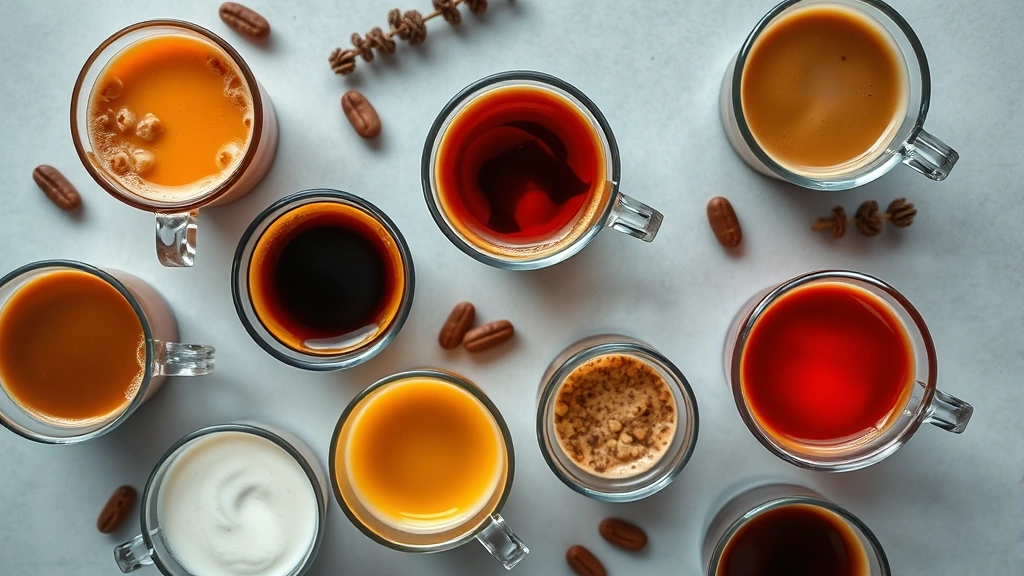
The company’s menu is organized into several primary categories: hot espresso drinks, cold espresso beverages, blended drinks, smoothies, and specialty items. Each category presents distinct nutritional challenges. Hot drinks tend to be lower in calories than their blended counterparts, while cold beverages often include added syrups and sweeteners that increase caloric density. The healthy nutrition plan approach requires understanding these structural differences before ordering.
Dutch Bros has made efforts to provide nutritional information, though accessing it requires navigating their website or mobile app. Unlike some competitors, they don’t prominently display calorie counts at point-of-sale, which research suggests influences purchasing decisions. A Pew Research Center study examining consumer behavior found that visible calorie labeling correlates with lower average beverage selections, suggesting transparency genuinely impacts health outcomes.

Espresso-Based Drinks Nutritional Analysis
Espresso-based drinks represent the foundation of Dutch Bros’ beverage portfolio and generally offer the most reasonable nutritional profiles. A single shot of espresso contains approximately 75 milligrams of caffeine and roughly 3 calories—essentially negligible from a nutritional standpoint. The complexity emerges when milk, syrups, and flavor additions enter the equation.
A medium Americano with 2% milk contains approximately 70 calories, 7 grams of protein, and minimal sugar—making it an excellent choice for those monitoring intake. However, the same size Americano becomes substantially different when customers add vanilla syrup (approximately 50-70 additional calories and 12-15 grams of sugar) or opt for flavored varieties. Dutch Bros’ signature “Rebel” energy drink line, which combines espresso with energy drink bases, presents more complex nutritional profiles requiring careful examination.
Cappuccinos and lattes form another critical category. A medium cappuccino with 2% milk contains roughly 120 calories and 10 grams of protein, with minimal added sugar from the beverage itself. Lattes, containing more milk and less espresso, typically range from 150-200 calories depending on size and milk choice. When customers select flavored versions—such as the popular “Caramelizer”—sugar content jumps dramatically to 30-40 grams per serving, equivalent to consuming a dessert beverage rather than a coffee drink.
Macchiatos deserve specific attention due to their positioning as “lighter” alternatives. Dutch Bros macchiatos are espresso-forward drinks with a small amount of steamed milk and foam. A medium macchiato contains approximately 80-100 calories and 6-8 grams of protein, making them genuinely suitable for calorie-conscious consumers. However, many customers assume all macchiatos are equally light, when in reality, custom modifications can significantly alter nutritional profiles.
Blended Beverages and Hidden Calories
Blended drinks represent the caloric frontier of Dutch Bros’ menu, often containing 400-600+ calories in a single serving. These frozen beverages appeal to consumers seeking indulgent experiences, yet the nutritional reality often surprises those examining labels for the first time. Understanding what drives these calorie counts is essential for informed decision-making.
The foundation of any blended drink involves a base: either espresso, smoothie base, or energy drink concentrate. To this base, Dutch Bros adds ice, milk (typically 2% by default), flavor syrups, and often whipped cream. A medium “Blended Rebel” (combining espresso with energy drink concentrate, milk, ice, and syrup) contains approximately 380 calories and 50+ grams of sugar—exceeding the American Heart Association’s recommended daily added sugar intake for women in a single beverage.
The “Dutch Chocolate” blended drink exemplifies how ingredient stacking creates nutritional density. Combining chocolate milk base, espresso shots, whipped cream, and chocolate drizzle yields a beverage containing roughly 450 calories and 55 grams of sugar. From a macronutrient perspective, these drinks contain minimal protein relative to their caloric content, making them less satiating than whole foods providing similar calories.
Fruit-based blended drinks, marketed as healthier alternatives, often contain deceptively high sugar loads. A “Strawberry Shortcake” blended drink might suggest fruit-forward nutrition, yet typically contains 40-50 grams of sugar from added syrups and sweetened bases, with minimal actual fruit content. The nutrition facts about avocados demonstrate how whole foods differ fundamentally from processed beverage formulations—avocados provide fiber and healthy fats alongside calories, while Dutch Bros blended drinks provide calories with minimal nutritional density.
Customization offers significant opportunity here. Requesting light syrup, eliminating whipped cream, and choosing protein powder additions can reduce a 500-calorie drink to 250-300 calories while increasing satiety through protein additions.
Sugar Content Across Popular Drinks
Sugar consumption represents the most critical nutritional consideration when evaluating Dutch Bros beverages. The American Heart Association recommends limiting added sugars to 25 grams daily for women and 36 grams for men. Disturbingly, many Dutch Bros drinks exceed these entire daily recommendations in a single serving.
Popular drinks ranked by sugar content reveal the scope of this issue. A medium “Caramel Macchiato” contains approximately 35 grams of sugar. A medium “Iced Vanilla Latte” with standard syrup contains 30-35 grams. Moving into blended territory, a medium “Birthday Cake Blended” drink contains 55-60 grams of sugar. These figures represent not naturally occurring sugars from milk or espresso, but added sweeteners—primarily high-fructose corn syrup and sucrose-based flavor syrups.
The glycemic impact of these sugar loads extends beyond simple calorie counting. Research published in nutrition journals demonstrates that beverages containing high sugar concentrations produce rapid blood glucose spikes, triggering insulin responses that can contribute to energy crashes and long-term metabolic dysfunction. Individuals managing diabetes or prediabetes face particular risks consuming these drinks without modification.
Interestingly, Dutch Bros offers sugar-free syrup alternatives, though many customers remain unaware of this option. Requesting drinks with “skinny” or sugar-free flavor syrups can reduce sugar content from 35+ grams to near-zero while maintaining flavor profiles. This simple modification represents one of the most impactful customization choices available.
Comparing Dutch Bros to competitors reveals industry-wide patterns. Starbucks’ popular drinks often contain similar sugar levels, suggesting this represents a broader coffee industry challenge rather than Dutch Bros-specific problem. However, consumer awareness remains low, making nutritional transparency increasingly important as health consciousness rises.
Caffeine Levels and Health Considerations
Caffeine content varies substantially across Dutch Bros’ menu, ranging from minimal amounts in certain beverages to potentially excessive levels in specialty drinks. Understanding these variations helps consumers make choices aligned with individual caffeine sensitivity and health status.
Standard espresso shots contain approximately 75 milligrams of caffeine per shot. A medium Dutch Bros coffee drink typically contains 2-3 shots, yielding 150-225 milligrams of caffeine—reasonable for most adults but potentially excessive for caffeine-sensitive individuals, pregnant women, or those with certain cardiovascular conditions. The FDA recommends limiting caffeine to 400 milligrams daily for healthy adults.
Dutch Bros’ energy drink-based beverages present more substantial caffeine loads. The “Rebel” energy drink combines espresso with energy drink concentrate, creating beverages containing 200-300 milligrams of caffeine in medium sizes. A large Rebel can exceed 400 milligrams—the entire recommended daily limit in a single drink. This becomes particularly concerning when consumers order multiple beverages daily, potentially doubling or tripling recommended intake.
The interaction between high caffeine consumption and nutrition and mental health deserves consideration. Excessive caffeine intake can exacerbate anxiety, disrupt sleep patterns, and increase heart rate variability—effects that may disproportionately impact individuals with existing mental health conditions. Conversely, moderate caffeine consumption offers documented cognitive benefits and improved focus.
Timing of consumption matters significantly. A large Rebel consumed at 3 PM may disrupt sleep quality hours later, while the same beverage consumed mid-morning poses minimal sleep interference. Dutch Bros’ afternoon and evening customer base should consider lower-caffeine alternatives during later hours.
Dairy and Non-Dairy Milk Options
Milk selection fundamentally shapes beverage nutritional profiles, yet many consumers default to standard 2% milk without considering alternatives. Dutch Bros offers multiple options, each with distinct nutritional implications.
Standard 2% milk contains approximately 120 calories per 8 ounces, 8 grams of protein, and 12 grams of naturally occurring lactose-based sugars. For lactose-tolerant consumers, this represents a solid choice providing protein and calcium. However, individuals with lactose intolerance or those seeking lower-calorie options benefit from alternatives.
Almond milk, increasingly popular across coffee chains, contains approximately 30-40 calories per 8 ounces but only 1 gram of protein—a significant reduction compared to dairy milk. This makes almond milk an excellent choice for those prioritizing calorie reduction, though the lower protein content may reduce satiety. Oat milk represents a middle ground, containing 100-150 calories per 8 ounces and 2-3 grams of protein, with a creamy texture that appeals to many consumers.
Coconut milk, offered at some Dutch Bros locations, contains moderate calories (approximately 80-100 per 8 ounces) but minimal protein. Cashew milk provides similar profiles. For individuals seeking maximum protein, Dutch Bros offers protein powder additions—a customization that increases protein content by 10-20 grams while adding 100-150 calories.
The how to improve nutrient absorption article addresses how milk selection impacts nutrient bioavailability. Dairy milk contains naturally occurring vitamin D and calcium, enhancing mineral absorption. Plant-based alternatives are often fortified but may not achieve identical absorption rates. This consideration matters for consumers specifically seeking these nutrients from their beverages.
Lactose-free milk, available at many locations, provides dairy benefits for intolerant individuals, containing similar nutritional profiles to standard milk while eliminating digestive issues. This option remains underutilized despite widespread availability.
Making Healthier Dutch Bros Choices
Armed with nutritional understanding, consumers can navigate Dutch Bros menus while maintaining health objectives. Strategic customization transforms indulgent beverages into reasonable choices without sacrificing enjoyment.
For calorie-conscious consumers, hot espresso-based drinks represent optimal choices. An Americano or macchiato with non-fat milk and no added syrup provides genuine coffee enjoyment at 50-100 calories. Adding cinnamon or requesting “light” vanilla syrup (rather than standard syrup) adds flavor complexity with minimal caloric impact. This approach satisfies coffee cravings without derailing daily calorie targets.
For those seeking indulgence, strategic modifications matter. Rather than eliminating blended drinks entirely, request light syrup (reducing sugar by 50%), substitute half the milk with water or request less milk (reducing calories), skip whipped cream (saving 80-120 calories), and consider adding protein powder (improving satiety and macronutrient balance). A modified blended drink becomes 250-300 calories with improved nutritional composition compared to the 500+ calorie standard version.
Understanding nutrients pathway blog principles helps contextualize Dutch Bros choices within broader dietary patterns. A single high-calorie beverage doesn’t derail health goals, but consistent daily choices do. Consuming a 450-calorie blended drink five days weekly represents 2,250 additional weekly calories—equivalent to gaining approximately 0.6 pounds weekly if uncompensated elsewhere in the diet.
Frequency matters as much as individual choices. Consuming Dutch Bros twice weekly allows for more indulgent selections than daily consumption patterns. Those visiting daily should prioritize lower-calorie options, reserving blended drinks for occasional treats.
Seasonal awareness helps optimize choices. Dutch Bros’ seasonal offerings often feature creative flavors, but these typically contain higher sugar content than year-round options. Requesting these flavors with sugar-free syrups provides novelty without excessive sugar.
The mobile app facilitates informed decision-making by displaying nutritional information before ordering. Taking 30 seconds to review facts before ordering removes guesswork and prevents impulse selections conflicting with health goals. Bookmarking favorite lower-calorie combinations streamlines future ordering.
Accountability approaches prove effective for some consumers. Tracking beverage purchases weekly or monthly reveals spending patterns and consumption frequency, often motivating more thoughtful choices. Some individuals benefit from setting beverage budgets—allocating specific funds for Dutch Bros encourages strategic ordering rather than daily defaults.
FAQ
What’s the lowest-calorie Dutch Bros drink option?
An Americano or black coffee with no additions contains 0-10 calories. Among specialty drinks, a medium macchiato with non-fat milk and no syrup contains approximately 80-100 calories, representing the lowest-calorie option that feels like an indulgent beverage choice.
How much sugar is in Dutch Bros drinks?
Sugar content varies dramatically: black coffee contains zero added sugar, while flavored drinks contain 25-60 grams of added sugar. A medium vanilla latte contains approximately 30 grams, while blended drinks often exceed 50 grams. Requesting sugar-free syrups reduces this to near-zero.
Is Dutch Bros healthier than Starbucks?
Nutritional profiles are comparable between chains. Both offer high-sugar options and lower-calorie choices. Dutch Bros’ customization culture may actually provide more flexibility for health-conscious consumers seeking modifications, though this depends on individual ordering patterns.
Can I get a Dutch Bros drink under 200 calories?
Yes. Americanos with 2% milk contain approximately 70 calories. Lattes or cappuccinos with non-fat milk contain 100-150 calories. Macchiatos with non-fat milk contain 80-100 calories. Iced coffee with minimal milk contains 20-50 calories. All of these remain under 200 calories.
What’s the caffeine content in Dutch Bros drinks?
Standard medium espresso drinks contain 150-225 milligrams of caffeine. Energy drink-based beverages (Rebels) contain 200-300 milligrams. Black coffee contains approximately 200 milligrams per 16 ounces. Caffeine-free options include smoothies and certain blended drinks without espresso.
Does Dutch Bros offer dairy-free options?
Yes. Almond, oat, coconut, and cashew milks are available at most locations. Protein powder additions accommodate dietary restrictions. However, availability may vary by location, so confirming with your local Dutch Bros ensures access to your preferred options.
How can I reduce sugar in my favorite Dutch Bros drink?
Request sugar-free syrups, reduce syrup amounts (“light” or “extra light”), skip whipped cream, choose unsweetened milk alternatives, and avoid blended drinks with sweetened bases. These modifications typically reduce sugar by 20-40 grams while maintaining flavor profiles.