Feta Cheese Nutrition: Dietitian Insights
Feta cheese has earned its place as a cornerstone ingredient in Mediterranean cuisine, celebrated not only for its distinctive tangy flavor and crumbly texture but also for its impressive nutritional profile. Unlike many dairy products that carry a reputation for being nutritionally dense yet calorie-heavy, feta offers a unique balance of protein, essential minerals, and probiotics that make it a valuable addition to a thoughtfully constructed diet. This comprehensive guide examines the nutritional composition of feta cheese through a dietitian’s lens, exploring both its benefits and considerations for various dietary approaches.
The nutritional landscape of feta cheese reveals why health-conscious consumers and nutrition professionals continue to recommend it as part of balanced eating patterns. Whether you’re following a Mediterranean diet, managing protein intake, or simply seeking to understand what you’re consuming, understanding feta cheese nutrition facts provides clarity on portion sizes, mineral content, and how this ancient cheese fits into modern dietary frameworks.
Feta Cheese Nutrition Facts Breakdown
A standard serving of feta cheese, typically defined as one ounce (28 grams), contains approximately 75 calories, making it relatively modest in energy content compared to harder cheese varieties. This single ounce provides roughly 6 grams of protein, 6 grams of fat, and minimal carbohydrates—less than 1 gram per serving. The macronutrient ratio makes feta particularly appealing for those monitoring caloric intake while maintaining adequate protein consumption.
When examining the complete nutritional profile, a 100-gram portion of feta reveals the full scope of what this cheese delivers: approximately 264 calories, 21 grams of protein, 21 grams of fat, and just 4 grams of carbohydrates. This composition reflects feta’s origin as a preservation method for milk in Mediterranean regions, where the cheese’s density and mineral content made it ideal for extended storage without refrigeration.
The fat content deserves particular attention, as it comprises both saturated and unsaturated fatty acids. Approximately 15 grams of the 21-gram total fat content in 100 grams of feta consists of saturated fat, while the remaining 6 grams come from monounsaturated and polyunsaturated sources. Understanding this distinction proves essential when integrating feta into a healthy nutrition plan, as the saturated fat content requires consideration within daily dietary limits.
The vitamin and mineral content of feta demonstrates why nutrition professionals recognize it as more than merely a flavor enhancer. A 100-gram serving provides approximately 494 milligrams of calcium, representing roughly 38 percent of the daily recommended intake for adults. This calcium density, combined with other bone-supporting minerals, positions feta as a significant contributor to skeletal health when consumed regularly as part of a balanced diet.

Protein Content and Amino Acid Profile
Feta cheese stands out among dairy products for its exceptional protein concentration relative to its caloric density. The 21 grams of protein per 100 grams translates to approximately 75 percent of feta’s dry weight being protein, making it an exceptionally efficient protein source. For individuals engaged in nutrition for athletes and performance optimization, this characteristic makes feta an attractive addition to post-workout meals or snacks.
The amino acid composition of feta includes all nine essential amino acids, with particularly robust concentrations of leucine, valine, and isoleucine—the branched-chain amino acids that play crucial roles in muscle protein synthesis and recovery. These amino acids cannot be synthesized by the human body and must be obtained through dietary sources, making cheese-based protein consumption valuable for individuals seeking diverse protein sources beyond traditional muscle-building foods.
Research indicates that the bioavailability of protein from cheese sources approaches 95 percent, meaning the human digestive system efficiently processes and utilizes nearly all the protein consumed. This high absorption rate positions feta as a particularly effective protein source for individuals with compromised digestive function or those seeking maximum nutritional benefit from smaller portion sizes. The presence of naturally occurring peptides in aged cheese like feta may also contribute to improved digestive tolerance compared to fresh milk sources.
Fat Composition and Heart Health
The fat profile of feta cheese presents a more nuanced picture than simple categorization as a high-fat food. While the saturated fat content does warrant monitoring, particularly for individuals with specific cardiovascular risk factors, the overall fat composition includes beneficial components that support rather than undermine heart health. Approximately 5-6 percent of feta’s fat content consists of conjugated linoleic acid (CLA), a naturally occurring fatty acid with emerging research supporting various health benefits.
Studies examining traditional Mediterranean diets, which feature feta as a primary dairy component, consistently demonstrate cardiovascular benefits despite the cheese’s saturated fat content. This apparent paradox—high saturated fat intake alongside excellent heart health outcomes—has intrigued researchers for decades and has led to deeper investigation of how food matrices and overall dietary patterns influence health outcomes beyond simple nutrient counting.
The presence of butyric acid, a short-chain fatty acid comprising approximately 3-5 percent of feta’s fat content, deserves particular attention. Butyric acid serves as a preferred fuel source for colonocytes and may support gut barrier function and inflammatory regulation. This compound, produced during the cheese-making process through bacterial fermentation, contributes to feta’s distinctive flavor while potentially offering digestive health benefits that extend beyond simple caloric provision.
When consumed in appropriate portions within the context of a balanced diet rich in vegetables, whole grains, and lean proteins, the fat in feta need not represent a cardiovascular liability. The key distinction lies in understanding that dairy fat within whole foods differs significantly from isolated saturated fat or trans fats in processed products. The food matrix—the combination of nutrients, fiber, and bioactive compounds consumed together—substantially influences how individual nutrients affect health outcomes.
Minerals and Bone Health Benefits
The mineral density of feta cheese extends far beyond its notable calcium content, encompassing a comprehensive micronutrient profile that supports multiple physiological systems. Beyond the 494 milligrams of calcium per 100 grams, feta delivers approximately 362 milligrams of phosphorus, 55 milligrams of magnesium, and 176 milligrams of potassium. This mineral combination creates a synergistic effect, as these nutrients work together to support bone mineralization, muscle function, and electrolyte balance.
The calcium-to-phosphorus ratio in feta—roughly 1.4:1—falls within the optimal range for human absorption and utilization. This ratio proves particularly important because excessive phosphorus relative to calcium can impair calcium absorption, whereas the balanced proportion found in feta supports efficient mineral uptake. For individuals concerned about how to improve nutrient absorption, understanding these mineral ratios becomes essential to maximizing the nutritional benefit of consumed foods.
Feta also contains notable quantities of zinc, with approximately 0.7 milligrams per 100-gram serving. Zinc plays critical roles in immune function, wound healing, and protein synthesis, making its presence in feta particularly valuable for individuals with increased nutritional demands or compromised immune status. The bioavailability of zinc from dairy sources exceeds that from many plant-based sources, partly due to the absence of significant zinc-binding compounds in cheese.
The selenium content of feta, approximately 15 micrograms per 100 grams, represents another valuable micronutrient contribution. Selenium functions as a cofactor for selenoproteins, including glutathione peroxidase, which serves as a critical antioxidant enzyme system. Regular feta consumption contributes meaningfully to selenium status, supporting antioxidant defense mechanisms throughout the body.
Probiotics and Digestive Health
Traditional feta cheese production involves fermentation processes that create an environment favorable to beneficial bacterial growth, though the intensity of these probiotic populations varies significantly based on production methods, storage conditions, and aging duration. Unlike some fermented foods with exceptionally high probiotic counts, feta typically contains more modest bacterial populations—often in the range of 10^6 to 10^8 colony-forming units per gram, depending on production variables.
The specific bacterial strains found in traditionally produced feta include lactobacilli and cocci species that demonstrate resilience in the acidic environment of the human stomach, allowing viable organisms to reach the intestinal tract where they may exert beneficial effects. Research examining the probiotic potential of cheese suggests that even modest bacterial populations may influence gut microbiota composition and function, though individual responses vary considerably based on baseline microbiota composition.
Beyond the direct probiotic contribution, feta cheese contains bioactive peptides produced during the aging process through proteolysis. These peptides may support intestinal barrier function, modulate inflammatory responses, and influence immune system activation. The presence of these bioactive compounds positions aged cheeses like feta as functional foods that contribute to digestive health through multiple mechanisms beyond simple caloric or macronutrient provision.
Individuals with lactose intolerance often tolerate feta better than other dairy products because the aging and fermentation processes substantially reduce lactose content. A 100-gram serving of feta contains less than 1 gram of lactose, compared to 5 grams in an equivalent serving of fresh milk. This characteristic makes feta an accessible dairy option for lactose-sensitive individuals seeking to incorporate dairy-based nutrition into their diets.
Feta in Different Dietary Approaches
The nutritional characteristics of feta make it compatible with numerous contemporary dietary frameworks, from traditional Mediterranean eating patterns to modern low-carbohydrate and ketogenic approaches. The minimal carbohydrate content—less than 1 gram per ounce—positions feta as a genuinely keto-friendly dairy option, allowing individuals following carbohydrate-restricted protocols to incorporate cheese-based nutrition without compromising metabolic objectives.
Within Mediterranean dietary contexts, feta serves as a primary protein and mineral source, typically consumed in modest quantities—roughly one to two ounces per day as part of traditional eating patterns. This moderate consumption level aligns with contemporary nutritional science recommendations and reflects how feta was traditionally utilized as a flavor-enhancing ingredient rather than a primary protein source.
For individuals following vegetarian or lacto-ovo vegetarian dietary patterns, feta provides complete protein containing all essential amino acids, making it a valuable contribution to meeting daily protein requirements without animal flesh consumption. The combination of feta with plant-based foods creates complete amino acid profiles that support all physiological protein synthesis needs.
Athletes and individuals engaged in resistance training benefit from feta’s protein density and essential amino acid composition. When consumed post-workout alongside carbohydrate sources, the protein in feta supports muscle protein synthesis and recovery processes. The mineral content, particularly potassium and magnesium, contributes to electrolyte balance restoration following exercise-induced losses.
Individuals managing blood pressure concerns should incorporate feta mindfully due to its sodium content, though appropriate portioning makes inclusion feasible within sodium-restricted dietary patterns. The potassium content of feta provides some counterbalance to sodium’s blood pressure-elevating effects, though this does not negate the need for portion awareness.
Sodium Considerations and Health
Sodium represents the primary nutritional consideration requiring attention when incorporating feta into daily dietary patterns. A 100-gram serving contains approximately 1116 milligrams of sodium, representing roughly 49 percent of the recommended daily limit of 2,300 milligrams established by major health organizations. This concentration reflects feta’s traditional production process, where salt served as the primary preservation mechanism in pre-refrigeration Mediterranean communities.
The sodium content varies based on production origin and methods, with some traditionally produced varieties containing notably higher sodium concentrations than industrially produced alternatives. Rinsing feta before consumption reduces sodium content by approximately 20-30 percent, making this preparation method particularly valuable for individuals with sodium-sensitive blood pressure or those managing hypertension or heart disease.
However, research examining sodium’s health effects within whole-food contexts reveals nuance beyond simplistic sodium-avoidance messaging. The potassium-to-sodium ratio in feta, along with its mineral density, may partially offset sodium’s blood pressure effects when consumed as part of a potassium-rich diet emphasizing vegetables, fruits, and whole grains. This dietary pattern context proves essential to understanding how feta consumption influences overall health outcomes.
Individuals with specific sodium restrictions—those managing congestive heart failure, severe hypertension, or kidney disease—should consult healthcare providers regarding appropriate feta consumption levels. For the general population, moderate consumption of one to two ounces daily typically falls well within acceptable sodium intake ranges, particularly when balanced within a broader dietary context of whole foods and minimal processed food consumption.
Portion Control Guidelines
Effective incorporation of feta into a balanced diet requires understanding appropriate portion sizes relative to individual nutritional needs and health objectives. A standard serving of one ounce (28 grams) represents a reasonable portion for flavor contribution and nutrient provision without excessive caloric or sodium intake. This quantity provides approximately 75 calories, 6 grams of protein, and meaningful mineral contributions.
For individuals following Mediterranean dietary patterns, traditional consumption typically ranges from one to two ounces daily, integrated into meals containing substantial vegetable content, whole grains, and legumes. This moderate consumption level reflects how feta functioned historically—as a flavor-enhancing accent rather than a primary protein source—while supporting contemporary nutritional objectives.
Athletes and individuals with elevated protein requirements may benefit from slightly larger portions, up to 1.5 to 2 ounces, particularly when combined with carbohydrate sources to optimize post-workout recovery nutrition. The protein density of feta makes even modest portions nutritionally substantial, allowing significant protein contribution without excessive caloric provision.
Visual portion estimation proves helpful for practical dietary implementation. One ounce of feta approximates the volume of four standard dice or roughly a matchbox-sized portion. This visual reference assists individuals in maintaining appropriate portions without requiring scale measurement at every meal.
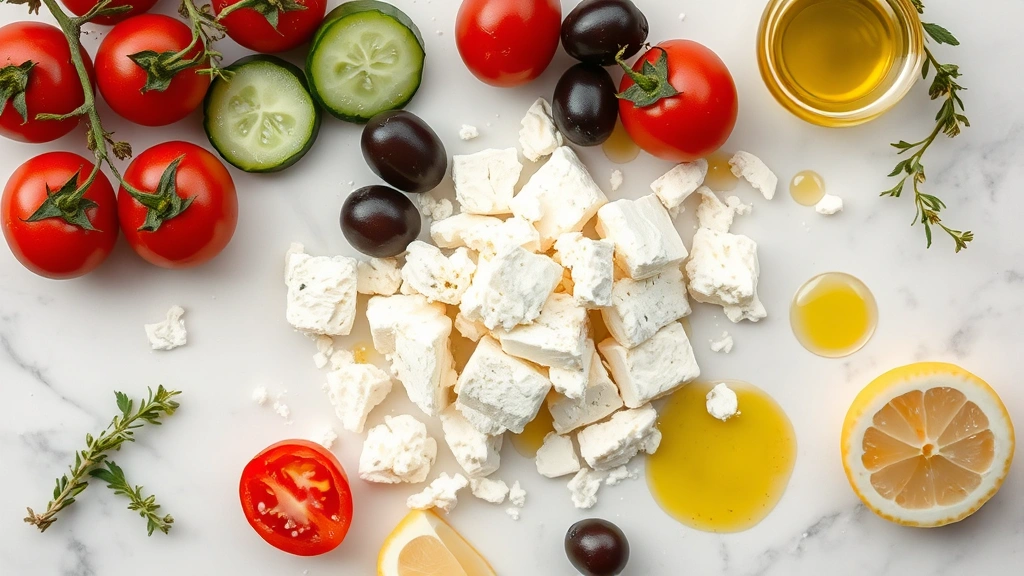
Integration strategies matter substantially for optimal feta consumption. Rather than consuming feta as an isolated food, pairing it with vegetables—tomatoes, cucumbers, olives, leafy greens—creates nutrient-dense meals with favorable macronutrient ratios and enhanced micronutrient diversity. This approach aligns feta consumption with broader nutrition and mental health principles, as whole-food dietary patterns support both physical and cognitive function.
Comparing Feta to Other Cheese Varieties
Understanding how feta’s nutritional profile compares to other commonly consumed cheeses provides useful context for dietary decision-making. Cheddar cheese, a hard cheese popular in American cuisine, contains approximately 403 calories per 100 grams compared to feta’s 264 calories, alongside notably higher fat content. The protein-to-calorie ratio in feta proves more favorable than cheddar, making it a superior choice for protein-conscious consumers managing caloric intake.
Mozzarella, particularly fresh varieties, contains similar caloric density to feta but notably less calcium—approximately 505 milligrams per 100 grams in feta compared to roughly 505 milligrams in mozzarella, though the mineral profiles differ substantially in other micronutrients. Ricotta cheese, despite its reputation as a lighter option, actually contains more fat than feta when comparing equal weights, though its protein content remains comparable.
Compared to processed cheese products, feta’s whole-food status and absence of additives, emulsifiers, and artificial ingredients positions it as nutritionally superior despite higher saturated fat content. The bioactive compounds in aged cheese like feta—including peptides and organic acids—distinguish it from cheese product alternatives that lack these beneficial components.
Goat cheese offers a nutritional profile similar to feta, with comparable caloric density and protein content, though differing mineral compositions. The choice between feta and goat cheese often comes down to flavor preference and specific micronutrient needs, as both represent nutritionally sound dairy options.
Selection and Storage Considerations
Quality feta cheese selection impacts both nutritional value and food safety. Traditional Greek feta, produced from sheep and goat milk rather than cow milk, offers distinct nutritional characteristics including higher conjugated linoleic acid content and different fatty acid profiles. Examining product labels for origin information, ingredient simplicity, and production methods ensures selection of genuinely nutritious cheese rather than industrialized alternatives.
Storage conditions substantially influence feta’s nutritional stability and safety. Feta maintains optimal quality when stored in its brine solution at temperatures between 35-40°F (1.7-4.4°C), as the salt solution preserves the cheese while maintaining moisture and preventing oxidation of fats. Once opened, feta should be consumed within two to three weeks when stored appropriately, though this timeline varies based on individual package conditions and initial microbial load.
Freezing feta is technically possible but generally not recommended, as freezing damages the cheese’s delicate crystalline structure, resulting in undesirable texture changes upon thawing. For individuals seeking extended storage, maintaining feta in its original brine solution and ensuring consistent refrigeration proves more practical than freezing.
Preparation methods influence both palatability and nutrient retention. Gentle heating—incorporating feta into warm dishes rather than high-heat cooking—preserves heat-sensitive nutrients while developing flavor. The bioactive peptides in feta remain relatively stable through moderate heating, though excessive temperatures may denature some protein structures.
Research Insights and Evidence Base
Contemporary nutritional science increasingly recognizes that whole-food dairy products like feta fit comfortably within health-promoting dietary patterns, contradicting earlier perspectives that categorized all full-fat dairy as nutritionally problematic. Harvard School of Public Health research examining dairy consumption patterns demonstrates that moderate consumption of traditional cheeses associates with improved health markers compared to processed cheese alternatives.
A comprehensive analysis published in Nutrients journal examining fermented dairy products found that aged cheeses including feta demonstrate antimicrobial properties and bioactive peptide production that may support immune function and inflammatory regulation. These findings suggest that feta’s nutritional value extends beyond simple macronutrient and micronutrient provision to include functional food characteristics.
Mediterranean diet studies, which consistently demonstrate superior health outcomes compared to Western dietary patterns, consistently include feta as a key component. The PREDIMED study, examining Mediterranean dietary patterns in over 7,000 participants, documented that traditional Mediterranean consumption patterns including moderate feta intake associated with reduced cardiovascular disease risk and improved metabolic markers.
Research examining the probiotic potential of traditional cheeses suggests that even modest bacterial populations may influence microbiota composition, though individual responses vary considerably. Studies published in food microbiology journals document that traditional production methods preserve greater bacterial diversity and viability compared to industrially produced alternatives.
Practical Integration into Daily Nutrition
Incorporating feta into daily nutrition requires intentional planning that balances flavor contribution with appropriate portion sizing and sodium awareness. A practical approach involves designating feta as a flavor accent in vegetable-based dishes rather than a primary protein source, aligning with Mediterranean dietary traditions and supporting optimal nutrient density.
Breakfast integration might include crumbling feta over whole-grain toast with tomatoes and olive oil, creating a balanced meal combining complex carbohydrates, healthy fats, protein, and abundant micronutrients. This approach provides approximately 250-300 calories while delivering meaningful nutrient contribution from multiple food sources.
Lunch applications often feature feta in Mediterranean salads combining leafy greens, vegetables, legumes, and olive oil dressing. A typical salad incorporating one ounce of feta alongside two cups of vegetables, one-half cup of beans, and one tablespoon of olive oil creates a nutrient-dense meal exceeding 500 calories with exceptional micronutrient density and favorable macronutrient ratios.
Dinner preparations might incorporate feta into grain bowls, roasted vegetable dishes, or whole-grain pasta preparations. The key principle involves ensuring feta represents one component within a broader meal structure emphasizing vegetables, whole grains, and legumes rather than functioning as a primary focus.
Snacking applications should be approached cautiously due to feta’s sodium content and caloric density. Pairing one ounce of feta with fresh vegetables—cucumber slices, bell pepper strips, cherry tomatoes—creates a satisfying snack providing protein, minerals, and satiety without excessive sodium or calories when consumed in isolation from other snack foods.
FAQ
How much feta cheese should I eat daily?
A typical daily serving ranges from one to two ounces (28-56 grams), depending on individual health objectives and broader dietary context. This quantity provides meaningful nutrient contribution while maintaining sodium intake within recommended ranges. Individuals with specific health conditions should consult healthcare providers regarding appropriate portions.
Is feta cheese high in sodium?
Yes, feta contains substantial sodium—approximately 1116 milligrams per 100 grams. However, rinsing feta before consumption reduces sodium content by 20-30 percent. For individuals managing sodium-restricted diets, this preparation method makes inclusion feasible while maintaining health objectives.
Does feta cheese contain probiotics?
Traditional feta production involves fermentation processes creating modest probiotic populations, though counts vary based on production methods and storage conditions. While feta’s probiotic content may be less robust than dedicated probiotic foods, the bioactive peptides produced during aging offer functional food benefits supporting digestive and immune health.
Can lactose-intolerant individuals eat feta?
Yes, feta contains minimal lactose—less than 1 gram per 100 grams—making it generally well-tolerated by lactose-sensitive individuals. The aging and fermentation processes substantially reduce lactose content compared to fresh dairy products. However, individual tolerance varies, and those with severe lactose intolerance should test small quantities first.
How does feta compare nutritionally to other cheeses?
Feta offers superior protein-to-calorie ratios compared to many hard cheeses like cheddar. It also provides exceptional mineral density, particularly calcium, while containing fewer calories than comparably sized portions of harder varieties. The choice between feta and alternatives depends on specific nutritional priorities and flavor preferences.
Is feta cheese suitable for weight management?
Feta can support weight management goals due to its high protein density, satiety-promoting properties, and relatively modest caloric content per serving. The key involves appropriate portion control and integration within balanced meals emphasizing vegetables and whole grains rather than consuming feta in isolation.
What is the best way to store feta cheese?
Store feta in its brine solution at refrigerator temperature (35-40°F). Maintain consistent cold storage and consume within two to three weeks of opening. Freezing is not recommended due to texture degradation, though properly stored feta maintains quality for extended periods in brine solution.


