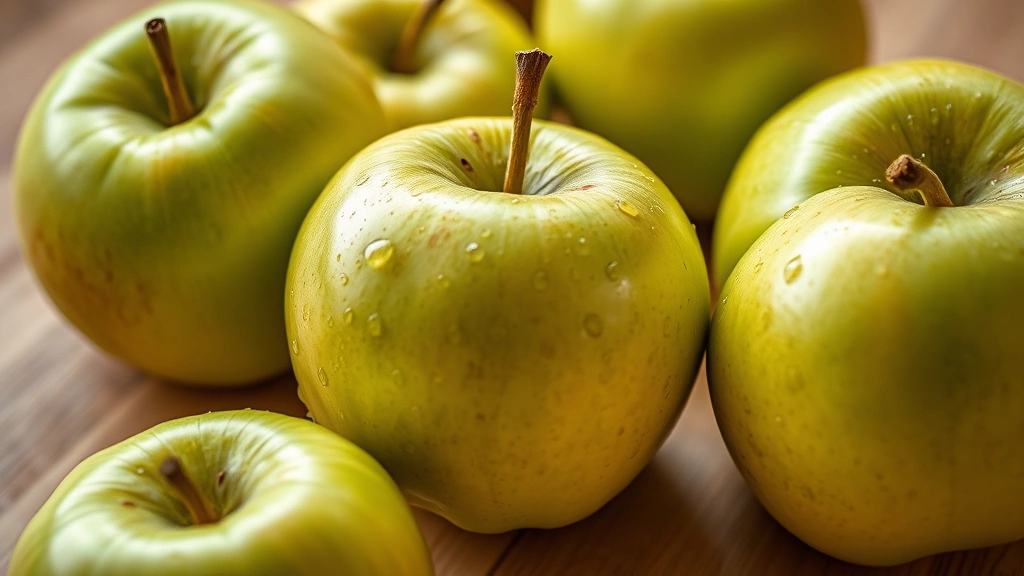
Granny Smith Apples: Dietitian’s Nutritional Guide
Granny Smith apples have earned their reputation as nutritional powerhouses, offering a tart flavor profile that masks an impressive array of vitamins, minerals, and bioactive compounds. These crisp, green apples aren’t just a convenient snack—they represent a strategic choice for anyone committed to evidence-based nutrition and long-term health optimization. As a dietitian’s guide, this comprehensive exploration examines what makes Granny Smith apples distinctive nutritionally, how they fit into modern dietary frameworks, and practical strategies for maximizing their health benefits.
The journey from orchard to plate involves understanding not just basic macronutrients, but the sophisticated phytonutrient landscape that distinguishes Granny Smith apples from their red and yellow cousins. This guide synthesizes current nutritional science with practical application, providing the knowledge foundation needed to make informed dietary decisions centered on this particular apple variety.
Nutritional Profile and Macronutrient Breakdown
A medium-sized Granny Smith apple (approximately 182 grams) delivers approximately 95 calories, making it an exceptionally nutrient-dense option for calorie-conscious consumers. The macronutrient composition reveals why nutritionists frequently recommend this variety: roughly 25 grams of carbohydrates, 4.4 grams of dietary fiber, and negligible fat content (0.3 grams). This macronutrient distribution positions Granny Smith apples as an ideal carbohydrate source for individuals following various dietary approaches, from traditional balanced nutrition to low-glycemic protocols.
The protein content, while modest at 0.5 grams per medium apple, shouldn’t be dismissed entirely. When consumed as part of a broader dietary pattern incorporating complementary protein sources, Granny Smith apples contribute to overall amino acid intake. The carbohydrate-to-fiber ratio of approximately 5.7:1 demonstrates substantial fiber concentration relative to total carbohydrate load, distinguishing this variety from processed alternatives and many other fruits.
Understanding macronutrient density requires recognizing that Granny Smith apples provide sustained energy through their carbohydrate composition while minimizing rapid blood glucose fluctuations. The natural sugars—primarily fructose, glucose, and sucrose—constitute roughly 19 grams of the total carbohydrate content, yet the fiber matrix substantially moderates absorption kinetics. This distinction proves critical when evaluating suitability for different metabolic contexts and individual health objectives.
Micronutrients and Essential Vitamins
Granny Smith apples demonstrate a sophisticated micronutrient profile that extends beyond obvious vitamin contributions. While not exceptional sources of individual vitamins in isolation, their collective micronutrient contribution supports multiple physiological systems. Vitamin C content reaches approximately 5.7 milligrams per medium apple, contributing roughly 9% of the daily recommended value. This ascorbic acid concentration supports immune function, collagen synthesis, and antioxidant defense mechanisms.
The mineral composition includes potassium (195 milligrams per medium apple), representing approximately 4% of daily requirements. Potassium’s role in cardiovascular health, blood pressure regulation, and electrolyte balance makes this contribution meaningful, particularly when Granny Smith apples form part of a comprehensive healthy nutrition plan. Additional minerals include manganese, copper, and trace quantities of iron and magnesium.
Vitamin K content, though modest, supports bone health and coagulation mechanisms. The B vitamin family representation includes small quantities of thiamine, riboflavin, and niacin, contributing to energy metabolism and nervous system function. While individual micronutrient concentrations might not justify exclusive consumption, the cumulative micronutrient synergy supports overall nutritional adequacy when integrated into diverse dietary patterns.
Phytonutrients and Antioxidant Compounds
The true nutritional distinction of Granny Smith apples emerges when examining phytonutrient composition—bioactive plant compounds demonstrating significant health-promoting properties beyond basic nutritional requirements. Quercetin, a flavonoid concentrated in apple skin, represents one of the most extensively researched phytonutrients in this fruit. Research published through Pew Research Center indicates quercetin’s involvement in anti-inflammatory and antihistamine responses, potentially benefiting individuals managing allergic responses or chronic inflammatory conditions.
Chlorogenic acid, another prominent polyphenol in Granny Smith apples, demonstrates antioxidant and potential anti-carcinogenic properties. Studies examining apple consumption patterns have documented associations between regular intake and reduced disease risk markers. The green skin of Granny Smith varieties contains concentrated phytonutrient levels compared to the flesh, emphasizing the importance of consuming whole fruit rather than juice preparations.
Catechin, epicatechin, and phloridzin represent additional polyphenolic compounds present in Granny Smith apples, each contributing distinct biological activities. Phloridzin, in particular, shows promise in glucose metabolism research, potentially supporting blood sugar regulation mechanisms. The synergistic interaction of these multiple phytonutrients creates a more powerful antioxidant effect than any single compound could achieve independently, demonstrating the sophisticated nutritional architecture of whole foods.
External research from Nature Communications has documented polyphenol bioavailability and metabolic transformations following apple consumption. The gut microbiota plays a crucial role in converting certain polyphenols into bioactive metabolites, highlighting the importance of individual microbiome composition in determining personal nutritional benefit from Granny Smith apple consumption.
Fiber Content and Digestive Health
Dietary fiber represents one of Granny Smith apples’ most significant nutritional contributions, with approximately 4.4 grams per medium apple. This fiber composition includes both soluble fiber (pectin) and insoluble fiber (cellulose), each serving distinct physiological functions. Pectin, the primary soluble fiber component, demonstrates exceptional capacity for moderating glucose absorption and supporting lipid metabolism.
The relationship between dietary fiber and overall health extends far beyond basic digestive function. Pectin acts as a prebiotic, selectively feeding beneficial bacterial populations in the colon. This microbiota nourishment promotes production of short-chain fatty acids—particularly butyrate—which support intestinal barrier integrity, reduce systemic inflammation, and potentially influence metabolic health markers. Studies examining whole apple consumption versus processed alternatives consistently demonstrate superior physiological outcomes with intact fruit consumption.
Insoluble fiber contributes to intestinal motility, promoting regular bowel function and supporting colon health. The combination of both fiber types in Granny Smith apples creates a comprehensive digestive support system. For individuals managing constipation, irregular bowel function, or seeking to optimize microbiota composition, regular Granny Smith apple consumption provides evidence-based dietary intervention.
The fiber content also contributes to satiety mechanisms, increasing feelings of fullness and potentially supporting weight management objectives through natural appetite modulation rather than caloric restriction. The mechanical properties of whole apples require extended mastication, further enhancing satiety signals through oro-sensory feedback mechanisms.
Blood Sugar Impact and Glycemic Considerations
Despite containing approximately 19 grams of natural sugars, Granny Smith apples demonstrate favorable blood sugar impact characteristics. The glycemic index of approximately 39-42 classifies them as low-glycemic foods, meaning they produce minimal rapid blood glucose elevation. This distinction reflects the substantial fiber content, which physically slows sugar absorption through the intestinal epithelium.
The glycemic load—which accounts for both glycemic index and portion size—remains exceptionally low for Granny Smith apples. A medium apple generates a glycemic load of approximately 5, indicating minimal systemic glucose impact. This favorable profile makes Granny Smith apples suitable for individuals managing type 2 diabetes, prediabetes, or pursuing metabolic optimization through low-glycemic dietary strategies.
Research examining whole fruit consumption in diabetic populations demonstrates consistent benefits regarding glycemic control and hemoglobin A1c reduction. The intact fruit matrix proves crucial; processed apple products, juices, and purees lacking the fiber-intact structure demonstrate substantially less favorable glycemic profiles. Polyphenols like phloridzin may contribute additional glycemic benefits through their effects on glucose transporter expression and intestinal glucose absorption modulation.
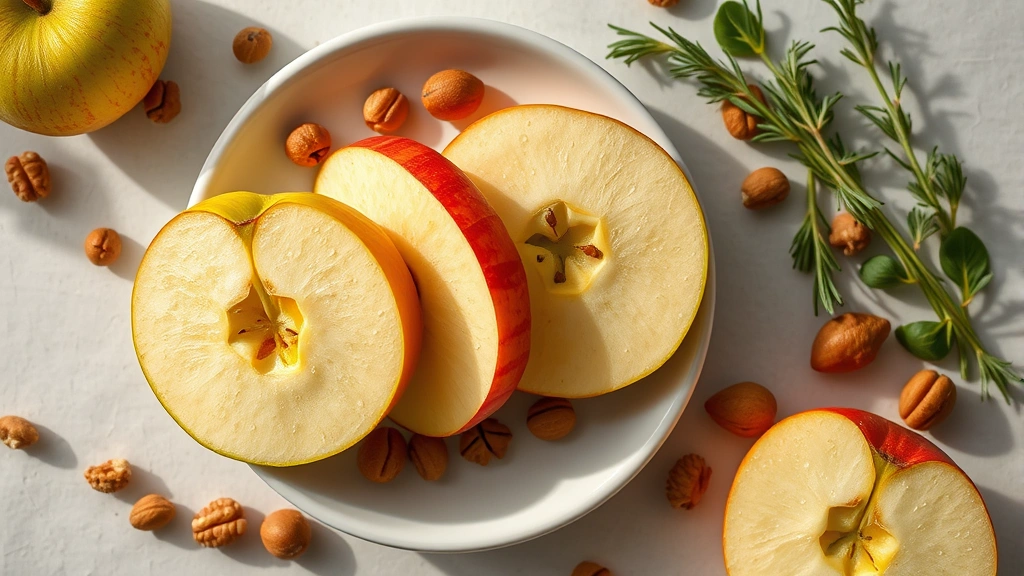
Timing of Granny Smith apple consumption influences glycemic response. Consuming apples with protein sources or healthy fats (such as nuts or nut butters) further moderates glucose absorption kinetics. This synergistic nutritional pairing represents a practical strategy for maximizing metabolic benefits while maintaining palatability and satisfaction.
Heart Health and Cardiovascular Benefits
Cardiovascular disease prevention represents one of the most thoroughly researched benefits of regular apple consumption, with Granny Smith varieties showing particular promise. The soluble fiber pectin demonstrates capacity for reducing low-density lipoprotein (LDL) cholesterol levels through binding bile acids and promoting hepatic cholesterol metabolism. Studies examining regular apple consumption document LDL reductions of 5-10% in responsive populations.
Polyphenols, particularly quercetin, contribute to cardiovascular protection through multiple mechanisms. Anti-inflammatory effects reduce endothelial dysfunction and arterial stiffness markers. Antioxidant properties prevent LDL oxidation, a critical step in atherosclerotic plaque formation. The potassium content supports blood pressure regulation through vasodilatory mechanisms and electrolyte balance optimization.
Research from American Heart Association publications documents associations between regular whole fruit consumption and reduced cardiovascular mortality risk. The effect appears particularly pronounced in populations consuming apples in intact whole fruit form rather than processed derivatives. This distinction underscores the importance of consuming Granny Smith apples whole, with skin intact, rather than as juice or puree preparations.
The anti-inflammatory polyphenol profile helps address systemic inflammation—increasingly recognized as a fundamental cardiovascular disease mechanism. Regular Granny Smith apple consumption contributes to reducing inflammatory markers like C-reactive protein, supporting overall cardiovascular health optimization.
Weight Management Applications
The nutritional characteristics of Granny Smith apples position them as exceptionally valuable tools within weight management frameworks. The caloric density of approximately 52 calories per 100 grams provides substantial nutritional value relative to energy intake. More importantly, the satiety-promoting properties of whole apples generate feelings of fullness that persist beyond immediate consumption.
The combination of fiber, water content (approximately 86%), and complex carbohydrates creates a low-energy-density food—meaning substantial volume with minimal caloric impact. This property directly supports portion control and natural appetite modulation without requiring conscious caloric restriction. Individuals consuming Granny Smith apples as snacks or meal components typically demonstrate reduced overall energy intake compared to alternative snack options.
The natural sweetness of Granny Smith apples (despite their tart flavor) satisfies sweet cravings while maintaining stable blood glucose and insulin levels. This stability prevents the energy crashes and subsequent hunger surges that characterize refined carbohydrate consumption. When integrated into comprehensive meal planning strategies, Granny Smith apples support sustainable weight management without deprivation-based approaches.
Research examining apple consumption patterns in weight management populations demonstrates associations with greater long-term weight loss success compared to alternative interventions. The whole fruit format proves critical; processed apple products lack the satiety-promoting properties of intact fruit.
Selection, Storage, and Preparation
Maximizing nutritional benefit from Granny Smith apples begins with appropriate selection strategies. Choose apples with firm texture, unblemished skin, and deep green coloration indicating full maturity and optimal phytonutrient concentration. Avoid apples with soft spots, bruises, or wrinkled skin, which suggest cellular degradation and potential microbial colonization.
Storage methodology significantly influences nutrient retention. Refrigeration at 32-40°F (0-4°C) preserves phytonutrient content and maintains firmness for extended periods. Properly stored Granny Smith apples remain viable for 4-6 weeks, allowing sustained consumption without requiring frequent shopping. Avoid ethylene-producing produce storage proximity, which accelerates ripening and degradation.
Preparation strategies dramatically impact nutritional bioavailability. Consuming apples whole with skin intact maximizes phytonutrient intake, as significant polyphenol concentrations reside in the skin. Minimal processing—simply rinsing under cool water—preserves nutrient integrity. If chopping is necessary, consume immediately, as cut surfaces expose interior tissues to oxidative degradation.
Cooking or heating Granny Smith apples moderately affects nutrient composition. While some heat-sensitive vitamins like vitamin C may decline, many polyphenols demonstrate heat stability. Baked or stewed preparations remain nutritionally valuable, particularly when no added sugars are incorporated. Avoid prolonged cooking or high-temperature applications that may substantially degrade phytonutrient content.
Integration into Meal Planning
Strategic Granny Smith apple integration into daily meal planning maximizes nutritional benefit and supports diverse health objectives. As breakfast components, whole apples paired with protein sources (Greek yogurt, cottage cheese, nuts) create sustained energy provision and satiety throughout morning hours. The tart flavor complements savory breakfast preparations, offering versatility beyond traditional fruit pairings.
Midday snacking represents an optimal Granny Smith apple application, particularly when paired with nut butters or cheese. This combination moderates glucose absorption while providing sustained satiety, preventing afternoon energy crashes and reducing subsequent caloric intake at dinner. The portable nature of apples facilitates consistent consumption regardless of schedule or location constraints.
Salad integration offers sophisticated culinary applications while maintaining nutritional integrity. Thinly sliced Granny Smith apples add textural complexity and subtle sweetness to leafy green salads, particularly when paired with bitter greens like arugula or kale. The polyphenol content complements other phytonutrient-rich vegetables, creating synergistic antioxidant effects. Vinegar-based dressings enhance polyphenol absorption through increased gastric acidity.
Dinner applications extend beyond obvious fruit roles. Granny Smith apples pair exceptionally well with roasted or grilled proteins, particularly pork and poultry. The tartness cuts through rich fat content, enhancing palatability while reducing overall energy density through increased vegetable component consumption. Incorporating apples into vegetable-forward dinner preparations increases fiber intake and phytonutrient diversity.
When consulting nutrition and mental health research, evidence suggests that dietary patterns emphasizing whole fruits like Granny Smith apples correlate with improved mood and cognitive function. The polyphenol content may support neuroinflammation reduction and neurotransmitter synthesis optimization.
Comparison with alternative fruits clarifies Granny Smith apples’ unique position. While avocados offer distinct nutritional advantages through healthy fat provision, Granny Smith apples excel in fiber delivery and polyphenol concentration. Dietary diversity incorporating multiple fruit varieties ensures comprehensive phytonutrient intake across different botanical families and nutrient profiles.
The comprehensive nutrition resources available provide additional guidance for integrating Granny Smith apples into personalized dietary frameworks addressing individual health objectives and constraints.
FAQ
How many Granny Smith apples should I consume daily?
One to two medium Granny Smith apples daily represents an appropriate intake for most individuals, aligning with recommended fruit consumption guidelines of 1.5-2 cups daily. Individual requirements vary based on overall dietary composition, health status, and personal objectives. Those managing diabetes or glycemic sensitivity should consult healthcare providers regarding appropriate portions.
Does cooking Granny Smith apples reduce nutritional value?
Moderate cooking minimally affects overall nutritional value, though some heat-sensitive vitamins like vitamin C may decline slightly. Polyphenols demonstrate relative heat stability. Avoid prolonged cooking at high temperatures, which may substantially degrade phytonutrient content. Baked or lightly stewed preparations retain most nutritional benefits.
Are Granny Smith apple peels nutritionally important?
Yes, significantly. Apple skin contains concentrated polyphenol levels, including quercetin and other flavonoids. Consuming whole apples with skin intact maximizes phytonutrient intake. Only remove skin if organic sourcing cannot be assured, as conventional apples may carry pesticide residues warranting peeling.
Can Granny Smith apples help with weight loss?
Whole Granny Smith apples support weight management through satiety promotion, low energy density, and blood sugar stability. The fiber and water content create feelings of fullness that persist beyond consumption, naturally reducing overall caloric intake. However, weight loss requires comprehensive dietary and lifestyle approaches; apples alone cannot compensate for excessive overall energy intake.
Are Granny Smith apples suitable for diabetic individuals?
Yes, their low glycemic index (39-42) and favorable glycemic load make them suitable for most individuals managing diabetes or prediabetes. However, individual responses vary; some people may experience blood glucose elevation. Monitoring personal glycemic response and consulting healthcare providers regarding appropriate portions remains important, particularly when managing medication-dependent diabetes.
How do Granny Smith apples compare nutritionally to other apple varieties?
Granny Smith apples contain higher polyphenol concentrations than many other varieties, particularly in skin. Their lower sugar content and higher acidity make them particularly suitable for blood sugar management and satiety optimization. Red varieties contain anthocyanins absent in Granny Smith, suggesting dietary variety benefits.
Can I obtain Granny Smith apple benefits through juice?
No, juice lacks the intact fiber matrix crucial for satiety, blood sugar modulation, and microbiota support. Processing removes fiber, concentrates sugars, and reduces polyphenol bioavailability. Whole fruit consumption provides substantially superior nutritional outcomes and health benefits compared to processed derivatives.