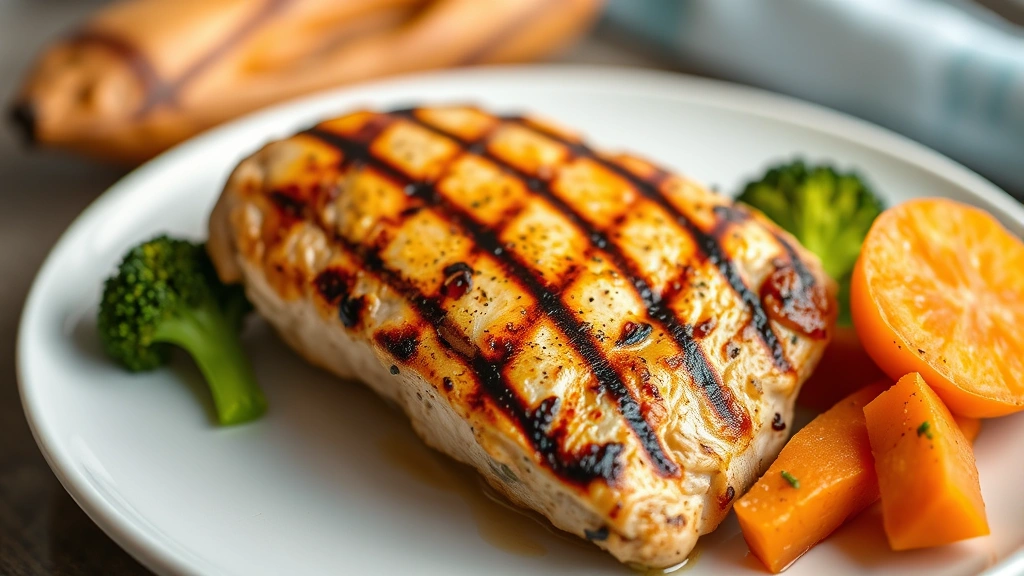
Grilled Chicken Breast: Dietitian’s Nutritional Breakdown
Grilled chicken breast stands as one of the most nutritionally dense and versatile proteins available to health-conscious consumers. Whether you’re an athlete optimizing performance, someone following a structured nutrition plan, or simply seeking to make informed dietary choices, understanding the complete nutritional profile of this lean protein is essential. This comprehensive analysis examines the macronutrient composition, micronutrient content, and practical applications of grilled chicken breast in balanced nutrition.
The popularity of grilled chicken breast extends beyond fitness enthusiasts—registered dietitians consistently recommend it as a foundation protein for sustainable dietary patterns. Its lean composition, minimal fat content, and impressive amino acid profile make it an ideal choice for weight management, muscle development, and metabolic health. When properly prepared through grilling techniques, chicken breast retains maximum nutritional value while developing appealing flavors without excessive added fats or sodium.
Complete Macronutrient Profile
A typical 3.5-ounce (100-gram) serving of grilled, skinless chicken breast delivers approximately 165 calories, establishing itself as a calorie-efficient protein source. The macronutrient distribution demonstrates why nutritionists favor this cut: roughly 31 grams of high-quality protein, just 3.6 grams of total fat, and zero carbohydrates. This composition supports multiple dietary objectives simultaneously—satiety through protein density, metabolic efficiency through minimal processing, and compatibility with various eating patterns from ketogenic to Mediterranean approaches.
The protein-to-calorie ratio deserves particular attention from a nutritional science perspective. At approximately 1.9 grams of protein per calorie, grilled chicken breast outperforms many alternative protein sources. This efficiency matters significantly for individuals managing caloric intake while maintaining or building lean muscle mass. The minimal fat content—primarily unsaturated fatty acids—means you’re consuming protein without the caloric density associated with fattier cuts, making portion control more manageable and satiety more sustainable.
When comparing to other popular proteins, grilled chicken breast demonstrates superior advantages. Lean beef contains roughly 25 grams of protein per 100 grams but with approximately 11 grams of fat. Fish varieties offer comparable protein with higher fat content, though those fats carry distinct omega-3 benefits. Plant-based proteins typically require larger portions to achieve equivalent amino acid profiles. The nutritional analysis of various protein sources confirms chicken breast’s position as the optimal choice for maximizing protein intake while minimizing caloric and fat contributions.
Skin removal significantly impacts the nutritional profile. Chicken breast with skin contains approximately 165 calories and 8.9 grams of fat per 100 grams, compared to 165 calories and 3.6 grams fat when skinless. This 2.5-fold increase in fat content transforms the nutritional dynamics, particularly relevant for individuals with specific macronutrient targets. The grilling process itself doesn’t substantially alter these values when performed without added oils or marinades containing significant fat.
Essential Micronutrients and Minerals
Beyond the impressive macronutrient foundation, grilled chicken breast provides substantial micronutrient contributions that support comprehensive health objectives. Selenium content reaches approximately 27 micrograms per 100 grams, fulfilling roughly 50% of the recommended daily allowance. This mineral functions critically in thyroid hormone metabolism, antioxidant defense through selenoprotein synthesis, and immune system optimization. Research from the American Chemical Society demonstrates selenium’s role in reducing oxidative stress markers.
Phosphorus content in chicken breast reaches approximately 220 milligrams per 100 grams, essential for bone mineralization, ATP energy production, and cellular function. The phosphorus-to-calcium ratio in chicken breast supports optimal mineral utilization when consumed alongside calcium-rich foods. Niacin (vitamin B3) concentration provides approximately 10.3 milligrams per 100 grams, supporting energy metabolism and cardiovascular health. This B-vitamin contribution proves particularly valuable for individuals with elevated energy demands from athletic training or metabolically demanding occupations.
Vitamin B6 content delivers approximately 0.9 milligrams per 100 grams, essential for neurotransmitter synthesis, immune function, and homocysteine metabolism. Elevated homocysteine represents an independent cardiovascular risk factor, making adequate B6 intake through whole food sources like chicken breast particularly valuable. Pantothenic acid (B5) and other B-complex vitamins support comprehensive metabolic processes, particularly carbohydrate and fat metabolism pathways.
Zinc concentration in grilled chicken breast provides approximately 0.8 milligrams per 100 grams, supporting immune function, wound healing, and protein synthesis. While not exceptional compared to oysters or beef, the combination with other micronutrients creates a synergistic nutritional package. Iron content reaches roughly 0.7 milligrams per 100 grams—heme iron, the more bioavailable form compared to plant-based non-heme iron sources. This proves particularly relevant for vegetarian athletes considering protein alternatives.
Amino Acid Composition
The complete amino acid profile distinguishes grilled chicken breast as a nutritionally superior protein source. All nine essential amino acids appear in optimal ratios, meaning your body can efficiently utilize the complete protein for muscle protein synthesis, enzyme production, and neurotransmitter manufacturing. Leucine concentration—the primary mTOR pathway activator responsible for muscle protein synthesis signaling—reaches approximately 2.4 grams per 100 grams, substantially exceeding the threshold required to stimulate muscle building responses.
Research from the National Institutes of Health confirms that leucine-rich proteins like chicken breast produce superior muscle protein synthesis responses compared to lower-leucine sources. For individuals pursuing structured fitness objectives, this amino acid composition proves instrumental. The branched-chain amino acid (BCAA) content—leucine, isoleucine, and valine—totals approximately 5.4 grams per 100 grams, supporting recovery processes and reducing exercise-induced muscle protein breakdown.
Methionine and cysteine, the sulfur-containing amino acids, support glutathione synthesis—the body’s primary endogenous antioxidant system. This connection between amino acid composition and antioxidant capacity represents an often-overlooked nutritional benefit of animal proteins. Arginine content contributes to nitric oxide production, supporting vascular function and blood pressure regulation. The comprehensive amino acid profile makes grilled chicken breast particularly valuable for post-workout nutrition, where complete amino acid availability accelerates recovery processes.
Preparation Methods and Nutritional Impact
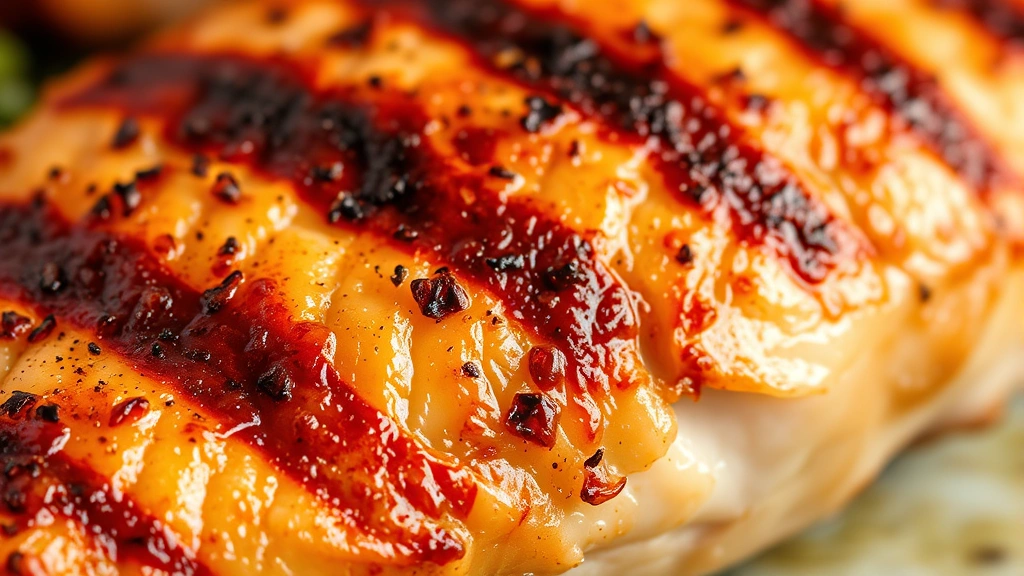
Grilling methodology significantly influences the final nutritional composition and bioavailability of chicken breast nutrients. Direct heat grilling at moderate temperatures (375-425°F) develops beneficial compounds through the Maillard reaction while minimizing nutrient degradation. This contrasts with high-temperature cooking methods that can create excessive advanced glycation end products (AGEs), potentially pro-inflammatory compounds linked to chronic disease risk.
Marinating chicken breast before grilling offers nutritional advantages beyond flavor enhancement. Oil-based marinades containing olive oil contribute beneficial monounsaturated fats and fat-soluble antioxidants from herbs and spices. A study published in the Journal of Food and Chemical Toxicology demonstrated that marinating meat before cooking reduces heterocyclic amine (HCA) formation by up to 90%. These compounds form during high-heat cooking and possess potential mutagenic properties, making pre-grilling marinades a practical harm-reduction strategy.
Cooking time and temperature balance protein denaturation benefits against nutrient preservation. Cooking chicken breast to the safe internal temperature of 165°F (74°C) ensures pathogenic elimination while maintaining nutrient integrity. Overcooking beyond this threshold increases moisture loss and can reduce B-vitamin retention, particularly thiamine and riboflavin. Modern meat thermometers enable precise temperature control, preventing both undercooking and excessive heat exposure.
The addition of herbs and spices during grilling preparation enhances nutritional value substantially. Rosemary contains carnosic acid, a polyphenol demonstrating antioxidant and neuroprotective properties. Thyme contributes thymol and carvacrol, compounds with antimicrobial and anti-inflammatory characteristics. Garlic provides organosulfur compounds including allicin, known for cardiovascular and immune benefits. These additions cost minimal calories while amplifying the nutritional complexity of the meal.
Integration with Balanced Meals
Maximizing nutritional benefits requires strategic meal composition integrating grilled chicken breast with complementary foods. Pairing with foods rich in beneficial fats like avocados enhances fat-soluble vitamin absorption, particularly carotenoids from accompanying vegetables. A typical balanced plate combines 3-4 ounces grilled chicken breast with complex carbohydrates (sweet potato, brown rice, quinoa) and non-starchy vegetables (broccoli, asparagus, spinach).
Vegetable pairing considerations extend beyond simple caloric balance. Cruciferous vegetables (broccoli, cauliflower, Brussels sprouts) contain sulforaphane and indole-3-carbinol, compounds supporting phase II detoxification enzyme activity. Consuming these alongside grilled chicken creates a synergistic nutritional combination supporting comprehensive health pathways. Orange and red vegetables provide beta-carotene and lycopene, antioxidants that protect cellular structures from oxidative stress.
The principles of effective meal planning emphasize variety and nutrient density in conjunction with protein sources. Rotating between different preparation methods—grilled, poached, baked—and varying accompanying vegetables prevents nutritional monotony while ensuring comprehensive micronutrient intake. Seasoning variations using different herb and spice combinations maximize phytochemical diversity without increasing caloric content.
Timing considerations matter for specific objectives. Post-workout consumption of grilled chicken breast within 30-120 minutes following resistance training optimizes muscle protein synthesis responses. The complete amino acid profile and rapid digestion support recovery processes effectively. Pre-workout consumption 2-3 hours before training provides sustained energy and amino acid availability without gastric discomfort associated with immediately pre-exercise protein consumption.
Health Benefits and Research Evidence
Consistent grilled chicken breast consumption supports multiple physiological health objectives supported by peer-reviewed research. Weight management efficacy derives from several mechanisms: high protein thermic effect (20-30% of calories consumed in digestion), superior satiety signaling compared to lower-protein alternatives, and metabolic efficiency preventing compensatory overeating. A meta-analysis in the American Journal of Clinical Nutrition confirmed that higher protein intake supports sustainable weight loss and improved body composition outcomes.
Muscle development and maintenance particularly benefit from the leucine-rich amino acid profile. Aging populations experience progressive sarcopenia (muscle loss), a condition significantly mitigated through adequate protein intake and resistance training. The complete amino acid composition of chicken breast supports both resistance exercise-induced muscle protein synthesis and resting metabolic rate maintenance through lean mass preservation. For athletes pursuing performance optimization, the amino acid profile supports recovery and adaptation processes.
Cardiovascular health considerations favor grilled chicken breast consumption. The minimal saturated fat content and absence of trans fats support healthy lipid profiles and endothelial function. The selenium and B-vitamin content reduces cardiovascular risk through homocysteine metabolism optimization and antioxidant defense enhancement. The American Heart Association recommends lean poultry as a cornerstone of heart-healthy dietary patterns.
Metabolic health and blood sugar regulation benefit from the carbohydrate-free composition combined with high protein density. Consuming grilled chicken breast doesn’t trigger glycemic spikes, maintaining stable insulin secretion and energy availability. For individuals managing prediabetes or type 2 diabetes, this characteristic makes chicken breast an ideal protein foundation. The sustained satiety from protein content reduces subsequent caloric intake, supporting long-term metabolic health objectives.
Mental health connections through nutrition’s impact on neurological function extend to grilled chicken breast consumption. The B-vitamin content supports neurotransmitter synthesis, particularly serotonin, dopamine, and GABA production. Selenium supports glutathione synthesis, protecting neural tissue from oxidative damage. The amino acid tyrosine precedes dopamine synthesis, potentially supporting mood and cognitive function through multiple mechanisms.
Bone health receives support from the mineral composition and protein contribution. Adequate protein intake maintains muscle mass essential for bone density preservation and fall prevention in aging populations. The phosphorus content directly supports bone mineralization, while the sulfur-containing amino acids contribute to cartilage and connective tissue synthesis. This comprehensive skeletal support makes grilled chicken breast valuable across the lifespan.
Immune function optimization occurs through multiple mechanisms. The zinc content supports T-cell development and immune response coordination. Selenium integrates into selenoproteins essential for immune cell proliferation and antibody production. The complete amino acid profile enables immunoglobulin synthesis and immune cell protein turnover. Consistent consumption of grilled chicken breast supports robust immune competency, particularly relevant during high-stress periods or seasonal illness exposure.

The comprehensive nutritional approach recognizes that grilled chicken breast functions optimally within broader dietary patterns emphasizing whole foods, adequate micronutrient intake, and appropriate caloric balance. Individual variation in nutrient requirements based on age, sex, activity level, and health status means personalized nutrition planning enhances outcomes compared to generic recommendations.
FAQ
How much grilled chicken breast should I consume daily?
Daily intake recommendations depend on individual factors including body weight, activity level, and health objectives. General guidelines suggest 0.7-1.0 grams of protein per pound of body weight for sedentary individuals, increasing to 1.6-2.2 grams per pound for resistance-trained athletes. For a 150-pound individual, this translates to 105-150 grams daily for sedentary patterns or 240-330 grams for athletic training. Grilled chicken breast provides approximately 31 grams of protein per 100-gram serving, enabling straightforward calculation of appropriate portions.
Does grilling chicken breast destroy nutrients?
Proper grilling at moderate temperatures (375-425°F) preserves most nutrients effectively. B-vitamin retention reaches approximately 85-95% with appropriate cooking times. The Maillard reaction during grilling creates beneficial flavor compounds without substantially degrading amino acids. Excessive cooking at very high temperatures or extended duration increases nutrient losses and potentially creates harmful compounds, making temperature control and timing crucial considerations.
Is skinless chicken breast better than skin-on varieties?
Skinless chicken breast contains approximately 3.6 grams fat per 100 grams compared to 8.9 grams in skin-on varieties. The choice depends on nutritional objectives—skinless maximizes protein-to-calorie ratio and supports very low-fat dietary approaches, while skin-on provides additional fat-soluble vitamins and improved palatability for some individuals. Both represent nutritionally sound options within appropriate meal planning contexts.
Can grilled chicken breast support weight loss?
Yes, grilled chicken breast effectively supports weight loss through multiple mechanisms: exceptional protein density promoting satiety, high thermic effect requiring substantial calories for digestion, minimal fat and carbohydrate content, and metabolic efficiency preventing adaptive thermogenesis. Research consistently demonstrates superior weight loss outcomes with higher protein intake, particularly when derived from lean sources like chicken breast.
What marinades enhance nutritional value without adding excessive calories?
Oil-based marinades using olive oil combined with herbs, spices, and citrus provide flavor enhancement with minimal caloric addition while potentially reducing harmful compound formation during cooking. Garlic, rosemary, thyme, and lemon juice-based marinades add 20-40 calories while providing beneficial phytochemical compounds. Avoiding sugar-based marinades prevents unnecessary carbohydrate addition while maintaining nutritional integrity.


