Habit Burger: Dietitian Reviews Nutritional Facts
Habit Burger has emerged as a popular fast-casual dining destination, attracting health-conscious consumers with its emphasis on charburgers, fresh ingredients, and customizable menu options. As a registered dietitian, I’ve conducted a comprehensive analysis of their nutritional offerings to help you make informed decisions when dining at this increasingly popular chain. Understanding the nutritional profile of Habit Burger’s menu items is essential for anyone trying to balance convenience with dietary goals.
This detailed review examines calorie counts, macronutrient distributions, sodium levels, and ingredient quality across Habit Burger’s signature items. Whether you’re looking for a quick lunch or planning to incorporate this chain into your regular eating patterns, this analysis provides the evidence-based information you need to navigate their menu strategically.
Overview of Habit Burger’s Nutritional Philosophy
Habit Burger positions itself in the fast-casual segment, a market category that has grown significantly over the past decade. The chain emphasizes chargrilled burgers made with fresh, never-frozen beef, which distinguishes it from traditional fast-food competitors. Their commitment to transparency regarding ingredients and sourcing reflects modern consumer expectations around food quality and nutritional disclosure.
The brand’s nutritional strategy centers on customization, allowing customers to modify menu items extensively. This flexibility is advantageous for individuals following specific dietary protocols, whether that’s reducing carbohydrates, minimizing added sugars, or increasing nutrient-dense toppings like avocados. However, the default menu items tend toward higher calorie and sodium profiles typical of chargrilled fast-casual establishments.
According to Pew Research Center data on consumer dining habits, approximately 67% of Americans visit fast-casual restaurants monthly, making nutritional transparency increasingly critical. Habit Burger’s public nutrition database allows for detailed analysis and informed decision-making, which I appreciate from both a consumer advocacy and public health perspective.
Signature Charburger Analysis
Habit Burger’s core offering—their charburgers—represents the foundation of their menu. The standard Charburger contains approximately 430 calories, 24 grams of protein, 18 grams of fat, and 40 grams of carbohydrates. The beef quality is notably superior to fast-food chains, utilizing fresh, never-frozen patties that provide better flavor and slightly improved nutritional profiles compared to frozen alternatives.
Breaking down the macronutrient composition: the protein content is substantial for a burger of this size, making it a legitimate source of complete protein including all essential amino acids. The fat composition includes both saturated and unsaturated fats, with the chargrilling process potentially creating beneficial compounds, though some concern exists regarding heterocyclic amines (HCAs) formed during high-temperature cooking.
The Charburger Double increases calories to approximately 620, with protein reaching 40 grams—making it an excellent choice for individuals with higher protein requirements or those following structured healthy nutrition plans. The carbohydrate content remains relatively consistent with the single burger, primarily from the bun.
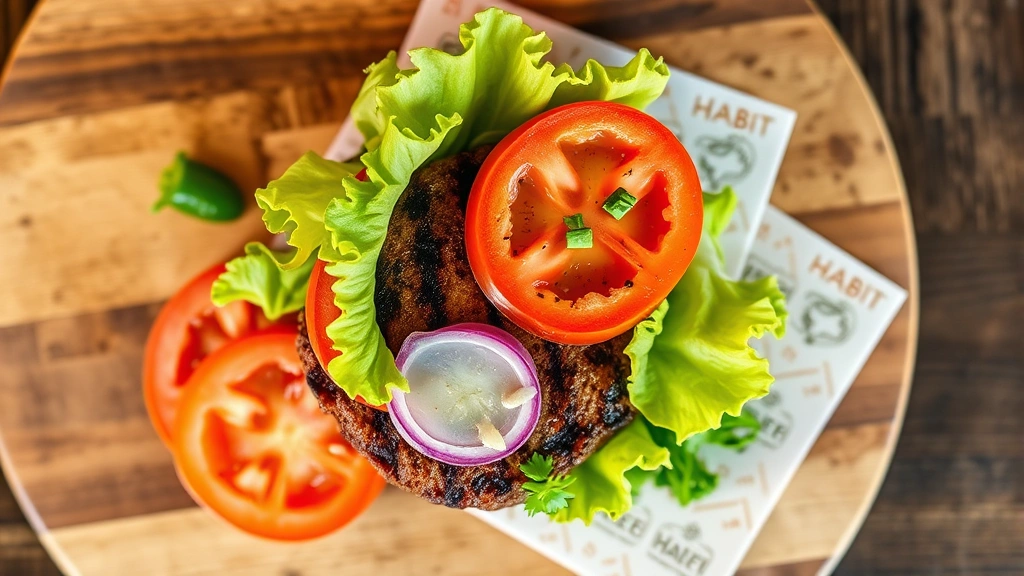
Nutritional transparency from Habit Burger indicates their buns contain approximately 40 grams of carbohydrates per burger, with added sugars representing about 6 grams. This aligns with standard burger bun formulations but exceeds whole grain alternatives available elsewhere. Consider requesting lettuce wraps or lower-carbohydrate bun alternatives if managing blood sugar or following ketogenic protocols.
Protein Options and Quality Assessment
Beyond beef charburgers, Habit Burger offers several protein alternatives worth evaluating. Their chargrilled chicken breast sandwich provides approximately 420 calories with 45 grams of protein and only 8 grams of fat, making it exceptionally lean compared to beef options. The chicken is prepared fresh daily, contributing to superior texture and flavor compared to pre-formed patties used by competitors.
The nutritional advantage of the chicken option becomes apparent when analyzing protein efficiency—you’re consuming 45 grams of muscle-building protein with only 420 calories, yielding a protein-to-calorie ratio of approximately 10.7%, which exceeds most fast-casual competitors. This makes the chargrilled chicken sandwich particularly valuable for individuals prioritizing muscle development or weight management.
Habit Burger’s charburgers utilize beef sourced from cattle raised without added hormones or antibiotics, addressing growing consumer concerns about agricultural practices. While this doesn’t directly impact macronutrient composition, the absence of synthetic hormones may influence micronutrient bioavailability and overall digestive tolerance for sensitive individuals.
The Tri-Tip Steak Sandwich represents their premium protein offering, featuring approximately 480 calories and 42 grams of protein. Tri-tip, a cut from the bottom sirloin, provides excellent flavor while maintaining moderate fat content. This option appeals to individuals seeking variety while maintaining nutritional standards comparable to their burger offerings.
Sides and Accompaniments Breakdown
Habit Burger’s side selections significantly impact overall meal nutritional composition. Their charburger fries, prepared fresh daily without freezing, contain approximately 380 calories and 17 grams of fat per standard serving. While calorie-dense, the fresh preparation method suggests superior potato quality and potentially fewer artificial additives compared to frozen alternatives.
The nutritional profile of their fries reflects traditional preparation methods—potatoes are cut fresh and fried in vegetable oil. Notably absent are the artificial flavors or preservatives common in competitor offerings. However, the sodium content reaches approximately 360 milligrams per serving, contributing substantially to daily sodium intake when combined with burger and condiments.
Sweet potato fries present an interesting alternative, providing similar calorie density (approximately 360 calories) but with enhanced micronutrient profiles including beta-carotene, potassium, and manganese. The slightly lower sodium content (approximately 280 milligrams) makes sweet potato fries a marginally superior choice from a cardiovascular perspective.
Habit Burger’s salad options deserve recognition as legitimate meal alternatives rather than mere side accompaniments. Their Charburger Salad provides approximately 350 calories when prepared without dressing, featuring chargrilled beef, fresh greens, tomatoes, cucumbers, and avocado. Adding dressing increases calories to approximately 500-550 depending on selection, but the nutritional foundation remains substantially superior to fried side options.
The importance of dietary fiber for your health becomes particularly relevant when evaluating salad options. A standard Charburger Salad provides approximately 8-10 grams of dietary fiber from vegetables and avocado, supporting digestive health and promoting satiety compared to burger-and-fries combinations.
Beverage Considerations
Beverage selection at Habit Burger significantly impacts overall meal nutritional composition, yet receives insufficient attention from many consumers. Their standard soft drink options range from 140-200 calories per 12-ounce serving, with added sugars comprising 35-50 grams—exceeding the entire recommended daily sugar intake according to American Heart Association guidelines.
Water and unsweetened tea represent optimal beverage selections from a nutritional standpoint, providing zero calories and zero added sugars while supporting adequate hydration. Habit Burger offers these complimentary, making them accessible choices regardless of budget constraints.
Their coffee beverages, available in various formulations, range from approximately 0 calories (black coffee) to 300+ calories when prepared with milk, syrups, and whipped cream. Requesting modifications—such as skim milk substitution or reduced syrup—can substantially decrease caloric content while maintaining flavor satisfaction.
The nutritional impact of beverage selection on overall meal composition cannot be overstated. Selecting water instead of a 200-calorie soft drink reduces meal calories by 15-20% while eliminating added sugars entirely. For individuals managing weight or blood sugar, beverage selection represents one of the highest-leverage nutritional decisions available at fast-casual restaurants.
Sodium and Sodium Reduction Strategies
Sodium represents the most significant nutritional concern when analyzing Habit Burger menu items. A standard Charburger with fries and typical condiments delivers approximately 1,100-1,300 milligrams of sodium, representing 50-60% of the recommended daily intake in a single meal. For individuals managing hypertension or cardiovascular disease, this concentration poses genuine health concerns.
The sodium primarily derives from three sources: the burger patty itself (approximately 300-350 milligrams), the bun (approximately 300-400 milligrams), and the fries (approximately 360 milligrams). Condiments including ketchup, mayo, and special sauces add an additional 200-300 milligrams depending on quantity and selection.
Practical sodium reduction strategies at Habit Burger include requesting burgers without added salt, requesting fresh vegetables rather than pre-salted condiments, and substituting salads for fried sides. Requesting no added salt on fries can reduce sodium by approximately 360 milligrams per serving, representing a meaningful reduction for sodium-conscious consumers.
According to dietary guidelines from health.gov, recommended sodium intake for adults is 2,300 milligrams daily. Consuming a typical Habit Burger meal represents approximately 50% of this recommendation in a single sitting, necessitating careful sodium management during remaining meals.
Individuals with diagnosed hypertension, chronic kidney disease, or cardiovascular conditions should approach Habit Burger menu items cautiously, prioritizing customization options that minimize sodium while maximizing nutritional value. Consulting with your healthcare provider regarding appropriate sodium intake remains essential before making Habit Burger a regular dining destination.
Nutritional Comparison with Competitors
Compared to traditional fast-food burger chains, Habit Burger occupies a middle ground—superior to McDonald’s and Burger King in ingredient quality and customization options, but typically higher in calories and sodium than premium fast-casual competitors. A McDonald’s Quarter Pounder contains approximately 520 calories compared to Habit Burger’s standard Charburger at 430 calories, though both present similar sodium concerns.
When compared to Five Guys, another popular fast-casual burger destination, Habit Burger demonstrates more conservative calorie and fat profiles. A Five Guys standard burger contains approximately 550 calories with 28 grams of fat, compared to Habit Burger’s 430 calories and 18 grams of fat. However, Five Guys offers superior customization regarding toppings and preparation methods.
Versus Shake Shack, Habit Burger’s protein quality remains competitive, though Shake Shack’s beef receives higher ratings for sourcing and preparation standards among culinary professionals. From a purely nutritional standpoint, both chains present similar caloric and macronutrient profiles with comparable sodium concerns.
The competitive advantage of Habit Burger emerges in their fresh preparation methods and ingredient transparency. Unlike many competitors who utilize pre-formed patties or frozen components, Habit Burger’s commitment to fresh, never-frozen beef and daily-prepared sides distinguishes their nutritional value proposition, even when calorie counts remain similar to competitors.
Building a Balanced Meal at Habit Burger
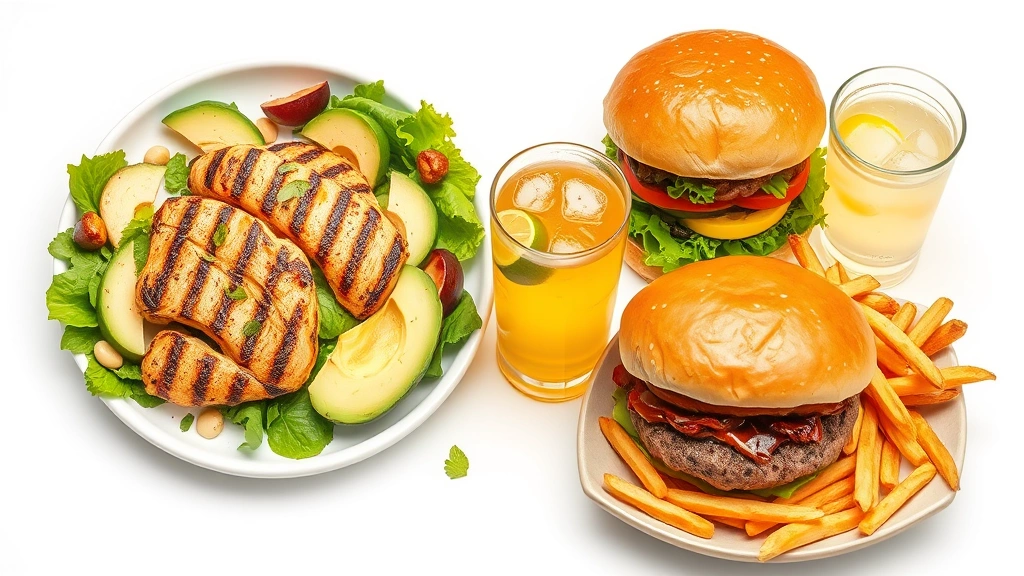
Creating a nutritionally balanced meal at Habit Burger requires strategic selection and customization. A recommended framework includes: selecting a lean protein option (chargrilled chicken or single charburger), incorporating fresh vegetables (salad base or burger toppings), choosing a lower-calorie side (salad or sweet potato fries), and selecting water or unsweetened beverage.
A sample balanced meal might include the Charburger Salad without dressing (approximately 350 calories), sweet potato fries (approximately 360 calories), and water, totaling approximately 710 calories with substantial micronutrient density and approximately 8-10 grams of dietary fiber. Adding vinaigrette dressing increases calories to approximately 850-900 while maintaining nutritional integrity.
For individuals prioritizing protein intake, combining the Charburger Double (approximately 620 calories, 40 grams protein) with a side salad (approximately 50 calories) and water provides approximately 670 calories with exceptional protein density. This composition supports muscle development and satiety while maintaining caloric moderation.
Individuals following tips for meal planning should consider Habit Burger as an occasional convenience option rather than a dietary foundation. While nutritionally superior to traditional fast food, regular consumption at typical portion sizes can contribute to excessive sodium and calorie intake when not carefully managed.
The relationship between dietary choices and nutrition and mental health suggests that occasional fast-casual dining need not compromise overall nutritional quality when balanced with whole-food meals featuring minimal processing. Strategic Habit Burger consumption as part of a predominantly whole-food diet maintains both nutritional integrity and lifestyle flexibility.
For optimal results, limit Habit Burger visits to 1-2 times monthly, prioritize customization options that reduce sodium and added sugars, and balance burger meals with vegetable-rich sides and unsweetened beverages. This approach allows enjoyment of their superior ingredient quality without compromising long-term health objectives.
FAQ
What is the healthiest burger option at Habit Burger?
The Charburger Salad without dressing represents the healthiest burger-based option, providing approximately 350 calories with substantial vegetables and healthy fats from avocado. If preferring a traditional burger, the single Charburger at 430 calories offers excellent protein density while maintaining reasonable caloric content, particularly when paired with water and vegetable sides.
How much sodium is in a typical Habit Burger meal?
A standard Charburger with fries and typical condiments delivers approximately 1,100-1,300 milligrams of sodium, representing 50-60% of recommended daily intake. Sodium-conscious consumers should request modifications such as no added salt on fries and minimal condiment usage to reduce overall sodium content significantly.
Does Habit Burger offer vegetarian protein options?
Habit Burger’s vegetarian options remain limited, primarily featuring salads with optional cheese and avocado. The chain does not currently offer plant-based burger patties or legume-based protein alternatives, making vegetarian choices more challenging compared to competitors like Impossible Foods or Beyond Meat.
What are the macro ratios for Habit Burger’s chicken sandwich?
The Charburger Chicken Sandwich provides approximately 420 calories with 45 grams protein (43% of calories), 8 grams fat (17% of calories), and 39 grams carbohydrates (37% of calories). This composition makes it exceptionally lean and protein-dense compared to beef options.
Can I request modifications to reduce calories at Habit Burger?
Yes, Habit Burger excels in customization options. Requesting lettuce wraps instead of buns, substituting salads for fried sides, requesting no added salt on fries, and choosing grilled vegetables as toppings all substantially reduce caloric content while maintaining nutritional quality.
How does Habit Burger compare nutritionally to other fast-casual chains?
Habit Burger occupies a middle ground among fast-casual competitors, offering superior ingredient quality compared to traditional fast food but typically higher sodium than specialized salad chains. Their fresh preparation methods and customization options provide nutritional advantages despite similar calorie counts to competitors.
Is the beef at Habit Burger grass-fed?
Habit Burger’s beef is never-frozen and raised without added hormones or antibiotics, but is not certified grass-fed. While this indicates superior sourcing standards compared to conventional fast food, the cattle feeding methodology is not publicly specified beyond hormone and antibiotic restrictions.