
Is Imitation Crab Healthy? Nutritionist Explains
Imitation crab has become a staple in sushi restaurants, seafood salads, and home kitchens worldwide. It’s affordable, convenient, and surprisingly versatile—but is it actually healthy? This question deserves a thorough examination because the answer isn’t as straightforward as choosing between real and fake seafood. Imitation crab, also known as surimi, is a processed seafood product made from fish that’s been mechanically separated, rinsed, and combined with various additives to mimic the texture and appearance of real crab meat.
Understanding imitation crab nutrition facts requires looking beyond the marketing and diving into the ingredient list, nutritional profile, and how it compares to whole foods and even real crab. Whether you’re a budget-conscious shopper, someone with shellfish allergies, or simply curious about what you’re eating, this comprehensive guide will help you make informed dietary decisions about this ubiquitous seafood substitute.
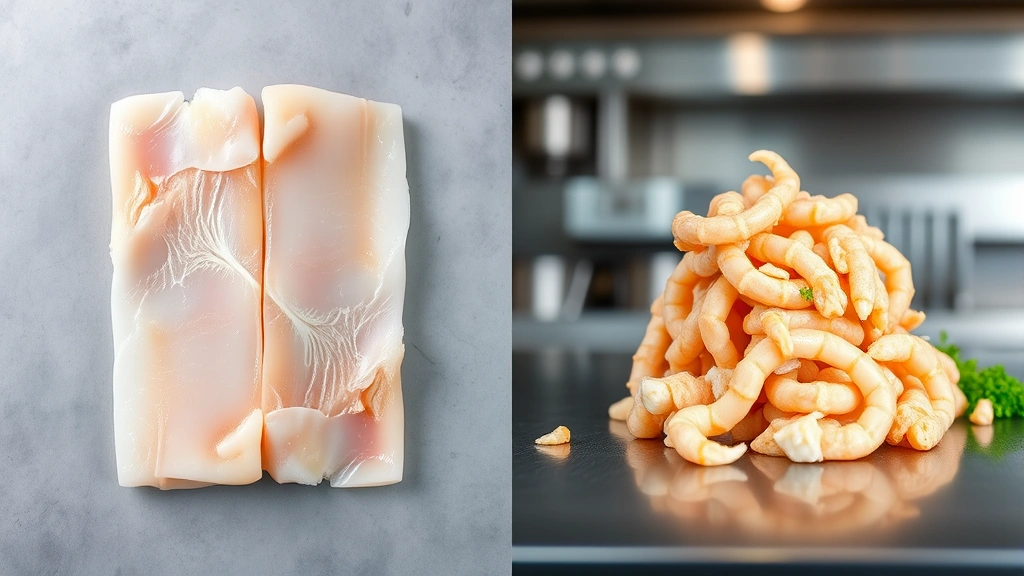
What Is Imitation Crab Made From?
Imitation crab is primarily made from surimi, a Japanese processing technique that transforms white fish—typically pollock, cod, or other affordable species—into a paste-like substance. The fish is mechanically separated from bones and skin, then washed multiple times to remove fat and odor-causing compounds. This washing process actually removes some beneficial nutrients, which is an important consideration when evaluating its healthfulness.
The surimi paste is then combined with starches, egg white, salt, sugar, and various additives including crab flavoring, colorants (often red dyes), and binders. Some manufacturers add ingredients like sorbitol or other sweeteners to enhance palatability. The mixture is shaped, cooked, and sometimes given an outer layer that mimics the appearance of real crab shell. This entire process transforms humble white fish into a product that superficially resembles premium shellfish.
Understanding the manufacturing process is crucial because it explains why imitation crab differs so significantly from whole fish or real crab in terms of nutritional composition. The repeated washing removes water-soluble vitamins and minerals, while the addition of various ingredients adds sodium, sugar, and other compounds that affect the overall nutritional profile.

Nutritional Breakdown and Calories
A typical 3-ounce (85g) serving of imitation crab contains approximately 85-90 calories, making it relatively low in energy density. This modest calorie count appeals to people following a portion control for weight loss guide, though calories tell only part of the nutritional story.
The macronutrient distribution shows that imitation crab contains roughly:
- Protein: 10-12 grams per 3-ounce serving
- Fat: 0.5-1 gram per 3-ounce serving
- Carbohydrates: 7-9 grams per 3-ounce serving
The carbohydrate content is notably higher than in real crab, which contains virtually no carbs. This difference stems from the added starches and sugars used in processing. For people managing blood sugar or following low-carb diets, this distinction matters considerably.
Imitation crab also provides modest amounts of vitamins and minerals, including selenium, vitamin B12, and phosphorus. However, the levels are generally lower than what you’d find in fresh fish or real crab due to the processing methods that remove or dilute these nutrients. When compared to other protein sources in a healthy nutrition plan, imitation crab occupies a middle ground—better than some processed foods, but inferior to whole seafood options.
Sodium Content: A Major Concern
Perhaps the most significant nutritional concern with imitation crab is its sodium content. A single 3-ounce serving typically contains 600-900 mg of sodium, which represents 25-40% of the daily recommended limit for most adults. For people consuming multiple servings—which is common in sushi rolls or seafood salads—sodium intake can escalate rapidly.
The American Heart Association recommends no more than 2,300 mg of sodium daily, with an ideal limit of 1,500 mg for optimal heart health. Consuming just three servings of imitation crab could exceed the daily limit for those following stricter guidelines. This high sodium content serves several purposes in processing: it acts as a preservative, enhances flavor, and helps bind the ingredients together. However, from a health perspective, excessive sodium intake is linked to hypertension, increased cardiovascular disease risk, and other metabolic concerns.
Individuals with high blood pressure, heart disease, or kidney issues should be particularly cautious with imitation crab consumption. Those following tips for meal planning that emphasize sodium reduction should account for imitation crab’s significant sodium contribution when calculating daily intake.
Added Sugars and Carbohydrates
Another distinguishing feature of imitation crab is its carbohydrate content, much of which comes from added sugars and starches. While the sugar content per serving is typically modest (1-2 grams), the source and type of carbohydrates matter for overall dietary quality.
The added sugars in imitation crab serve to enhance palatability and mask any fishy flavors that might otherwise be apparent. However, these added sugars contribute empty calories without providing nutritional value. For individuals monitoring sugar intake due to diabetes, prediabetes, or metabolic syndrome, this becomes a relevant consideration.
The starch content, derived from ingredients like potato starch or cornstarch, affects blood sugar response differently than added sugars. Some people may experience a more significant glycemic impact from imitation crab than from real crab or other protein sources. This is particularly important for those managing blood glucose levels or attempting to maintain stable energy throughout the day.
Protein Quality and Amino Acids
While imitation crab provides a reasonable amount of protein, the quality and completeness of that protein deserves examination. The protein comes primarily from the white fish base (surimi), which contains all nine essential amino acids, technically making it a complete protein.
However, the processing methods used in surimi production—particularly the repeated washing and mechanical separation—may affect protein digestibility and amino acid availability. Additionally, the addition of various binders and additives means that not all the protein in imitation crab comes from the fish itself. Some comes from egg white and other supplementary ingredients.
When compared to real crab, which provides similar protein content but without the processing-related concerns, imitation crab is nutritionally inferior from a protein quality standpoint. That said, for vegetarians seeking seafood-like protein options or individuals with true shellfish allergies, imitation crab remains a viable alternative to plant-based proteins, though it should be evaluated within the context of an overall nutrition and mental health balanced approach.
Processing and Food Additives
The extent of processing in imitation crab production raises valid nutritional concerns. The product contains numerous additives that, while generally recognized as safe by regulatory agencies, represent a departure from whole food consumption.
Common additives in imitation crab include:
- Colorants: Red dyes (typically FD&C Red No. 3 or paprika extract) to create the appearance of real crab
- Binders: Ingredients like transglutaminase (an enzyme) that cross-links proteins to improve texture
- Preservatives: Sodium benzoate or other antimicrobial agents to extend shelf life
- Flavor enhancers: Monosodium glutamate (MSG) or other compounds to improve taste
- Texture modifiers: Carrageenan, guar gum, and other hydrocolloids
While these additives are legal and considered safe in approved quantities, the cumulative effect of consuming multiple processed foods daily warrants consideration. Some individuals report sensitivity to certain additives, particularly MSG or specific colorants. Additionally, the reliance on processing means imitation crab lacks the nutritional synergy found in whole foods, where nutrients work together more effectively for absorption and utilization.
Research from institutions like Pew Research Center has documented shifting consumer preferences toward minimally processed foods, reflecting growing awareness of processing’s nutritional implications.
Health Benefits Worth Considering
Despite its drawbacks, imitation crab does offer some legitimate health advantages in specific contexts. It provides a lean protein source with minimal fat content, making it suitable for people seeking to reduce saturated fat intake. The omega-3 fatty acid content, while modest due to processing, still provides some cardiovascular benefit from the fish base.
For individuals with true crab or shellfish allergies, imitation crab offers an allergen-safe alternative that allows them to enjoy seafood-inspired dishes without risk of allergic reactions. This accessibility is genuinely valuable for people with severe shellfish allergies who might otherwise be excluded from seafood dining experiences.
The affordability of imitation crab compared to real crab also carries health implications. For budget-conscious consumers who might otherwise choose less nutritious protein sources, imitation crab represents a step toward more balanced nutrition. When the alternative is processed meat or highly processed convenience foods, imitation crab offers a preferable option with better protein content and lower saturated fat.
Additionally, imitation crab’s convenience supports meal preparation efforts. People who might skip healthy meals due to time constraints may find it easier to prepare quick sushi rolls or seafood salads using imitation crab, promoting more consistent nutritious eating patterns.
Comparison with Real Crab
Real crab meat offers a nutritional profile superior to imitation crab in several key ways. A 3-ounce serving of real crab contains approximately:
- Protein: 16-17 grams (versus 10-12 in imitation)
- Carbohydrates: 0 grams (versus 7-9 in imitation)
- Sodium: 250-300 mg (versus 600-900 in imitation)
- Calories: 80-85 calories (comparable to imitation)
Real crab also provides higher levels of bioavailable minerals including copper, zinc, and selenium, along with B vitamins that support energy metabolism. The absence of added sugars and processing additives makes real crab a whole food option with superior nutritional density.
However, real crab’s higher cost and shorter shelf life make it inaccessible for many consumers. The environmental impact of crab fishing, sustainability concerns, and availability fluctuations also factor into the real versus imitation crab decision. From a practical standpoint, imitation crab serves as a reasonable compromise for budget-conscious consumers, though it shouldn’t be considered nutritionally equivalent to real crab.
Who Should Avoid Imitation Crab?
Certain populations should approach imitation crab consumption with caution or avoid it entirely. People with hypertension or cardiovascular disease should limit intake due to high sodium content. Those managing diabetes or prediabetes should account for the carbohydrate content when calculating daily carbohydrate allowances.
Individuals sensitive to food additives, particularly MSG or specific colorants, may experience adverse reactions. Some people report headaches, flushing, or digestive issues after consuming foods with MSG, a phenomenon sometimes called “Chinese Restaurant Syndrome,” though scientific evidence remains mixed.
People following strict paleo or whole-food diets typically avoid imitation crab due to its processed nature and multiple additives. Those with specific fish allergies (distinct from shellfish allergies) should avoid surimi-based products, as the base ingredient is fish, not shellfish.
Pregnant women should consult healthcare providers about imitation crab consumption, particularly regarding mercury content in the fish base and the safety of specific additives during pregnancy. While generally considered safe, individual medical circumstances vary.
Healthier Ways to Enjoy Imitation Crab
If you choose to consume imitation crab, several strategies can minimize potential health concerns and maximize nutritional value:
- Limit portion sizes: Restrict servings to moderate amounts to control sodium intake. A single sushi roll containing imitation crab is reasonable; consuming multiple rolls or large crab salads significantly increases sodium consumption.
- Pair with vegetables: Combine imitation crab with high-fiber vegetables like cucumber, bell peppers, and leafy greens to improve overall nutritional balance and support satiety.
- Choose low-sodium varieties: Some manufacturers produce reduced-sodium versions of imitation crab. While still higher in sodium than whole foods, these options reduce overall intake.
- Prepare at home: Making sushi rolls or crab salads at home allows you to control ingredients and preparation methods, avoiding added oils or heavy sauces from restaurant preparation.
- Combine with whole grains: When preparing imitation crab dishes, include brown rice, quinoa, or other whole grains to add fiber and nutrient density.
- Balance with other proteins: Rather than relying on imitation crab as your primary protein source, rotate it with real fish, shellfish, legumes, and other whole food proteins.
These strategies help integrate imitation crab into a balanced diet without allowing it to dominate your nutritional intake or compromise overall health goals.
FAQ
Is imitation crab safe to eat?
Yes, imitation crab is generally safe to eat. It’s manufactured under food safety regulations and the additives used are approved by regulatory agencies like the FDA. However, “safe” differs from “optimal for health.” The high sodium content and processed nature mean it shouldn’t be a dietary staple.
Does imitation crab contain mercury?
Imitation crab contains minimal mercury compared to some fish species, though it does contain trace amounts since it’s fish-based. The mercury content is typically lower than in predatory fish like shark or swordfish, making it a relatively safer choice among seafood options for those concerned about mercury exposure.
Can I eat imitation crab if I’m allergic to shellfish?
Yes, most people with shellfish allergies can safely consume imitation crab because it’s fish-based, not shellfish-based. However, some imitation crab products may be processed in facilities that also handle shellfish, creating cross-contamination risks. Always check labels and consult with allergists before consuming if you have severe allergies.
How does imitation crab compare to real crab nutritionally?
Real crab is superior nutritionally, offering more protein, less sodium, fewer carbohydrates, and no added sugars or processing additives. However, imitation crab serves as a budget-friendly, accessible alternative that still provides reasonable nutrition within specific dietary contexts.
Is imitation crab suitable for weight loss diets?
Imitation crab’s low calorie and low-fat content makes it weight-loss friendly from a calorie perspective. However, the high sodium and added sugars mean it’s not an optimal choice. Whole fish or real crab would be preferable alternatives that provide similar calories with superior nutritional profiles.
What brands of imitation crab are healthiest?
Look for brands offering reduced-sodium versions and minimal additives. Reading ingredient lists carefully helps identify products with fewer colorants and preservatives. However, even the “healthiest” imitation crab products remain processed foods with higher sodium than whole food alternatives.


