
In-N-Out Nutrition Facts: Dietitian Insight
In-N-Out Burger has built a reputation as one of America’s most beloved fast-casual chains, known for its simple menu, fresh ingredients, and cult-like following. Yet despite its premium positioning compared to traditional fast food, many consumers remain uncertain about the actual nutritional values of In-N-Out menu items. This comprehensive guide breaks down the caloric content, macronutrient profiles, and dietary considerations you need to make informed choices when ordering from this iconic chain.
As a registered dietitian analyzing fast-food nutrition, I’ve examined In-N-Out’s published nutritional data alongside industry standards and dietary guidelines. The results reveal both surprising strengths and notable challenges for health-conscious consumers. Whether you’re a regular customer or occasional visitor, understanding the nutritional landscape helps you navigate the menu strategically and align your choices with your personal health goals.
Core Menu Items Nutritional Breakdown
In-N-Out’s menu simplicity is deceptive—each item carries distinct nutritional implications. The Double-Double burger, arguably the chain’s signature item, contains approximately 670 calories with 41 grams of fat and 39 grams of protein. This represents a substantial single item, delivering nearly one-third of a typical 2,000-calorie daily intake in one burger alone.
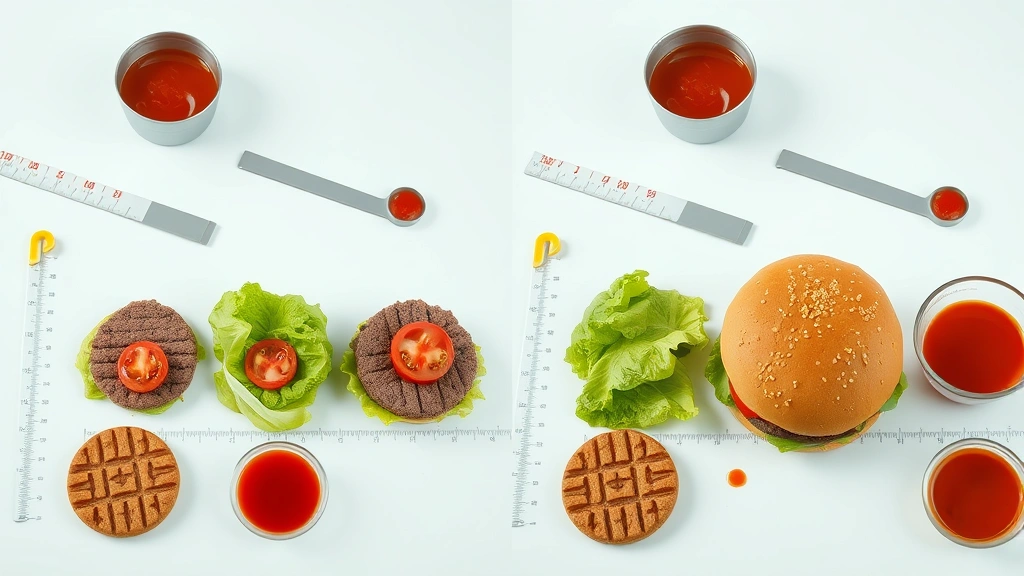
The Protein Style burger offers an interesting alternative, wrapping the patties in lettuce instead of a bun. This modification reduces calories to approximately 240-280 depending on whether you order a single or double, making it particularly attractive for low-carbohydrate diets. The protein content remains virtually identical to traditional burgers, making this a genuinely useful option for macronutrient-focused consumers.
French fries at In-N-Out present another nutritional consideration. A standard order contains roughly 395 calories and 17 grams of fat, prepared in vegetable oil. While not exceptional compared to competitors, the portion size remains relatively moderate by fast-food standards. Animal Style fries—topped with grilled onions, cheese, and In-N-Out’s signature sauce—increase the caloric load to approximately 480 calories, a 22% increase that dietitians should note when counseling clients.
Beverage choices significantly impact overall meal nutrition. A 21-ounce Coca-Cola Classic adds 220 calories and 60 grams of added sugar, representing 120% of the American Heart Association’s daily recommended sugar intake for women in a single drink. Switching to unsweetened iced tea or water eliminates these empty calories entirely, a strategic swap that demonstrates how beverage choices disproportionately affect nutritional outcomes. Visit our healthy nutrition plan guide for comprehensive strategies on optimizing daily intake.
Sodium and Heart Health Considerations
Perhaps the most pressing nutritional concern at In-N-Out involves sodium content. A Double-Double burger delivers approximately 1,100 milligrams of sodium—nearly half the American Heart Association’s recommended daily maximum of 2,300 milligrams. When combined with fries (245 mg sodium) and a beverage, a typical meal approaches or exceeds 1,500 milligrams, representing 65% of daily sodium limits in a single sitting.
This sodium concentration matters significantly for specific populations. Individuals managing hypertension or those with family histories of cardiovascular disease face meaningful health implications. Research from the American Heart Association demonstrates that excess sodium consumption correlates with elevated blood pressure and increased cardiovascular risk. For these populations, In-N-Out consumption requires careful frequency management and strategic menu selection.
The sodium primarily derives from two sources: the beef patties themselves and In-N-Out’s signature sauce. The sauce, while flavorful and central to the brand’s appeal, contributes approximately 300-400 milligrams of sodium per burger. Requesting burgers without sauce reduces sodium content by roughly 30-40%, a simple modification that significantly improves nutritional outcomes without sacrificing the complete meal experience.
Interestingly, In-N-Out’s transparency regarding nutritional information—available both in-restaurant and online—enables informed decision-making. This contrasts with many competitors who obscure nutritional data or provide limited information. Consumers can access complete nutritional profiles including sodium, allowing strategic meal planning that respects individual health constraints.
Protein Content and Muscle Building
For fitness-focused consumers and athletes, In-N-Out offers legitimate protein advantages. A Double-Double provides 39 grams of protein in a single item, meeting or exceeding the protein content of many dedicated protein-focused meals. This makes In-N-Out surprisingly viable for individuals pursuing nutrition for athletic performance, provided they strategically manage overall caloric and macronutrient ratios.
The protein quality matters as much as quantity. In-N-Out uses 100% beef with no fillers or binders, delivering complete proteins containing all nine essential amino acids. This contrasts favorably with plant-based burger alternatives or heavily processed fast-food competitors. The amino acid profile supports muscle protein synthesis effectively, making In-N-Out burgers legitimate post-workout nutrition options when caloric needs align with training goals.
Protein-to-calorie ratios reveal important distinctions between menu items. A Protein Style Double-Double delivers approximately 39 grams of protein in 280 calories, yielding 0.14 grams protein per calorie—an exceptional ratio. Compare this to a standard Double-Double at 0.06 grams protein per calorie, and the strategic advantage of lettuce-wrapped alternatives becomes apparent for protein-focused consumers.
Athletes managing specific macronutrient targets can construct viable meals at In-N-Out. A Protein Style Single with a side salad (if available) and water creates a low-carbohydrate, high-protein option aligning with many strength training protocols. However, In-N-Out’s limited vegetable offerings constrain the micronutrient density of such meals, requiring supplementation from other dietary sources.
Fat Composition and Caloric Density
Fat content at In-N-Out deserves nuanced analysis rather than simplistic categorization. A Double-Double contains 41 grams of total fat, with approximately 17 grams from saturated sources. Current dietary guidelines recommend limiting saturated fat to 5-6% of total calories, meaning a single burger approaches these limits for many individuals.
However, beef fat composition includes oleic acid, a monounsaturated fatty acid also prominent in olive oil. Research increasingly suggests that beef fat’s saturated fat composition differs from previously understood models, with some research suggesting less dramatic cardiovascular impact than earlier epidemiological studies indicated. This doesn’t eliminate saturated fat concerns, but contextualizes them within emerging nutritional science.
The caloric density of In-N-Out items reflects their fat content. Dietary fat delivers 9 calories per gram, compared to 4 calories per gram for protein and carbohydrates. This means fat-heavy items like burgers and fries generate substantial caloric loads within modest portion sizes. A Double-Double delivers 670 calories in approximately 180 grams—roughly 3.7 calories per gram. This density matters for satiety; high-fat foods often trigger greater satiety than high-carbohydrate alternatives, potentially reducing overall consumption.
Caloric density also varies by preparation method. Animal Style modifications add approximately 110-150 calories to fries through cheese and sauce additions. These seemingly modest additions compound across multiple menu items, potentially transforming a “moderate” meal into a calorie-dense experience exceeding daily targets for many individuals.
Healthier Ordering Strategies
Strategic ordering at In-N-Out enables nutritionally superior outcomes without sacrificing brand experience. First, leverage the Protein Style option for any burger, reducing carbohydrate content by approximately 40 grams while maintaining protein and substantially reducing sodium per calorie consumed.
Second, request burgers without sauce or with sauce “light,” reducing sodium by 30-40% and calories by 50-80. In-N-Out staff accommodate these requests readily, demonstrating that modification doesn’t require elaborate special orders. This simple change dramatically improves nutritional profiles for sodium-conscious consumers.
Third, consider portion strategy. A Single burger (470 calories, 24g protein) paired with water and a modest fries serving creates a satisfying meal under 700 calories with reasonable macronutrient distribution. This contrasts with the standard Double-Double approach that easily exceeds 1,000 calories when beverages and sides are included.
Fourth, manage beverage selection aggressively. Unsweetened iced tea, water, or diet sodas eliminate 200-300 calorie penalties while maintaining the complete dining experience. This single change potentially saves 2,000-3,000 calories weekly for regular consumers, equivalent to 0.5-0.75 pounds of fat loss monthly.
Fifth, incorporate avocado nutrition knowledge by requesting avocado additions when available (at some locations), increasing micronutrient density and adding healthy monounsaturated fats that improve satiety and cardiovascular health markers compared to saturated fat sources.
Finally, consider frequency within broader dietary context. Occasional In-N-Out visits within an otherwise nutrient-dense diet create minimal health impact. Weekly or more frequent consumption requires more aggressive strategic ordering to prevent cumulative sodium and saturated fat exceedance. The nutrients pathway blog provides additional guidance on integrating occasional fast food into sustainable healthy eating patterns.
Comparison with Competitors
In-N-Out’s nutritional profile compared to competitors reveals both advantages and disadvantages. Versus McDonald’s, In-N-Out’s Double-Double (670 cal, 41g fat) compares favorably to a Big Mac (550 cal, 28g fat) in absolute terms, though the Big Mac delivers fewer calories. However, In-N-Out’s beef quality and ingredient simplicity provide qualitative advantages.
Compared to Five Guys, In-N-Out demonstrates clear superiority. A Five Guys Little hamburger with fries approaches 900 calories, substantially exceeding In-N-Out’s standard offerings. In-N-Out’s pricing structure also enables more modest portions without premium costs, supporting caloric moderation.
Versus Shake Shack, In-N-Out offers comparable burger nutrition (Shake Shack’s single burger: 410 cal, 23g fat) with superior value. However, Shake Shack’s menu diversity and vegetable-forward options provide greater flexibility for varied dietary preferences.
The National Center for Biotechnology Information has published extensive research on fast-food nutrition, indicating that burger-centric chains like In-N-Out present nutritional challenges primarily around sodium and saturated fat, with protein content offering relative advantages compared to many competitors.
Importantly, In-N-Out’s ingredient transparency and simplicity (no artificial preservatives, additives, or fillers in burgers) provides qualitative advantages independent of macronutrient quantification. This matters for consumers concerned with food processing levels and ingredient quality beyond basic nutritional metrics.

FAQ
What’s the lowest-calorie In-N-Out burger option?
The Protein Style Single burger without sauce contains approximately 180-200 calories, representing the minimal caloric burger option. This accommodates low-calorie diet protocols while delivering 18 grams of protein and genuine satiety through fat and protein content.
How much sodium is in an In-N-Out Double-Double?
A Double-Double contains approximately 1,100 milligrams of sodium, representing 48% of the American Heart Association’s daily recommended maximum. This single item approaches or exceeds sodium targets for hypertension-conscious consumers, necessitating careful daily planning around In-N-Out visits.
Is In-N-Out suitable for high-protein diets?
Yes, In-N-Out burgers provide substantial protein (39g in a Double-Double) supporting high-protein diet objectives. Protein Style preparation further optimizes protein-to-calorie ratios, making In-N-Out viable for fitness-focused consumers when overall macronutrient targets align with menu selections.
Can I eat In-N-Out on a low-carb diet?
Absolutely. Protein Style burgers deliver approximately 9 grams of net carbohydrates (carbs minus fiber), fitting comfortably within strict ketogenic protocols. This represents one of In-N-Out’s most significant dietary advantages, offering legitimate low-carb fast food that maintains brand appeal.
What are the healthiest In-N-Out sides?
In-N-Out’s limited side offerings constrain healthy options. French fries represent the only traditional side; requesting a smaller portion or skipping entirely improves nutritional outcomes. Some locations accommodate requests for vegetable sides, though these aren’t standard menu items. Water or unsweetened tea represent optimal beverage choices.
How does In-N-Out compare nutritionally to homemade burgers?
Homemade burgers offer superior control over ingredients, portion sizes, and preparation methods, generally enabling lower sodium and saturated fat content. However, In-N-Out’s beef quality, freshness standards, and convenience provide practical advantages for time-constrained consumers, justifying occasional consumption within balanced dietary approaches. Explore dietary fiber importance for complementary nutritional strategies that enhance fast-food meal quality.
Does In-N-Out have nutritional information available?
Yes, In-N-Out provides comprehensive nutritional data including calories, macronutrients, sodium, and allergen information both in-restaurant and online. This transparency enables informed decision-making, distinguishing In-N-Out from competitors who obscure nutritional details.
Can individuals with hypertension eat In-N-Out?
Hypertension management requires sodium restriction, making standard In-N-Out orders problematic due to high sodium content. However, strategic modifications—requesting burgers without sauce, choosing Protein Style options, and limiting frequency—enable occasional In-N-Out consumption within medically appropriate sodium parameters. Consultation with healthcare providers regarding individual tolerance remains prudent.
What’s the saturated fat content in In-N-Out items?
A Double-Double contains approximately 17 grams of saturated fat, representing 77% of the daily recommended maximum for a 2,000-calorie diet. This concentration requires careful daily planning, particularly for individuals managing cholesterol or cardiovascular risk factors. Limiting frequency and choosing single burgers reduces saturated fat exposure substantially.
Is In-N-Out suitable for nutrition and mental health considerations?
While nutrition and mental health research emphasizes whole foods and micronutrient density, occasional In-N-Out consumption within otherwise nutrient-dense diets presents minimal mental health implications. However, excessive fast-food consumption correlates with depression and anxiety in epidemiological research, suggesting frequency moderation matters for mental wellness.


