Are Mashed Potatoes Healthy? Dietitian Insights on Nutrition and Preparation
Mashed potatoes are a beloved comfort food that grace dinner tables across America, yet they often carry an unfair reputation as nutritionally questionable. The truth is more nuanced than popular diet culture suggests. Whether mashed potatoes are healthy depends largely on preparation methods, portion sizes, and what accompanies them on your plate. As registered dietitians continue to examine this starchy staple, evidence reveals that potatoes—when prepared thoughtfully—can absolutely fit into a balanced, nutrient-dense diet.
The conversation around mashed potato nutrition has evolved significantly in recent years, moving beyond simplistic carbohydrate counting toward a more sophisticated understanding of their actual health impact. This comprehensive guide explores what nutrition science tells us about mashed potatoes, how to prepare them for maximum nutritional benefit, and how they fit within a healthy nutrition plan.
Nutritional Profile of Mashed Potatoes
A standard serving of mashed potatoes—typically one cup or about 210 grams—contains approximately 215 calories when prepared with minimal added fats. The macronutrient breakdown reveals why potatoes have sustained human civilizations for centuries: they provide roughly 4-5 grams of protein, 45 grams of carbohydrates, and minimal fat when prepared without butter or cream.
Beyond basic macronutrients, potatoes deliver an impressive array of micronutrients that often go unrecognized. A single medium potato with skin provides significant amounts of vitamin B6, which supports brain development and immune function, vitamin C for collagen synthesis and antioxidant protection, and manganese for bone health and metabolism. Potatoes also contain potassium—approximately 900 mg in a medium potato—which exceeds the potassium content of bananas, making them exceptional for cardiovascular health and blood pressure regulation.
The mineral content extends further to include phosphorus, copper, and magnesium. What makes mashed potatoes particularly interesting from a nutritional standpoint is their resistant starch content, especially when cooled after cooking. This type of starch behaves more like dietary fiber in the digestive system, providing benefits similar to what you’d find when exploring the importance of dietary fiber for your health.
Research from The Academy of Nutrition and Dietetics confirms that potatoes rank among the most nutrient-dense foods per calorie when prepared without excessive added fats. The glycemic index of mashed potatoes sits in the moderate range, meaning they cause a more gradual blood sugar rise than many refined carbohydrates, particularly when skin is retained during preparation.
How Preparation Methods Impact Health Value
The preparation method represents the single most important factor determining whether mashed potatoes constitute a healthy choice. Two identical portions of mashed potatoes can differ dramatically in nutritional value based on cooking technique and ingredient additions.
Traditional preparation often involves boiling potatoes, mashing them with butter and heavy cream, and sometimes adding milk and cheese. This method can increase calorie content to 350-400 calories per cup and boost saturated fat to 8-12 grams. While not inherently problematic in moderation, this approach may overshadow the potato’s nutritional benefits with excessive saturated fat.
Healthier preparation techniques include boiling or steaming potatoes in their skins, then mashing with Greek yogurt, low-fat milk, or vegetable broth instead of cream and butter. This approach preserves fiber content—particularly important since potato skin contains significant amounts—while reducing saturated fat without sacrificing creaminess or flavor. Some dietitians recommend keeping the skin on entirely, creating a chunkier texture that maintains more fiber and nutrients.

The cooking method itself matters considerably. Boiling in water leaches some water-soluble vitamins, while steaming or microwaving preserves more B vitamins and vitamin C. Baking potatoes before mashing represents another excellent option, creating a naturally drier texture that requires less added fat to achieve the desired consistency.
Seasoning approaches also influence overall health impact. Rather than relying on excessive salt—which many commercial and restaurant preparations contain—dietitians recommend using herbs, garlic, black pepper, and other flavorful additions that provide phytochemicals without sodium overload. This aligns with principles found in developing strategies to improve nutrient absorption by pairing potatoes with nutrient-rich vegetables and proteins.
Health Benefits Dietitians Highlight
Registered dietitians increasingly recognize mashed potatoes as a legitimate healthy food when prepared appropriately. The benefits extend beyond simple nutrition facts into functional health outcomes supported by scientific research.
Satiety and weight management: Potatoes score exceptionally high on the satiety index, meaning they keep you feeling full longer than many other carbohydrate sources. A study published in the American Journal of Clinical Nutrition found that potatoes ranked higher in satiety than whole wheat bread, oatmeal, and pasta. This makes mashed potatoes potentially valuable for weight management when portions remain controlled.
Resistant starch benefits: When cooled after cooking, mashed potatoes develop resistant starch, which acts similarly to soluble fiber. This compound feeds beneficial gut bacteria, supporting digestive health and potentially improving insulin sensitivity. The effect becomes more pronounced when potatoes cool completely, making leftover mashed potatoes a particularly smart choice from a metabolic standpoint.
Gluten-free nutrition: For individuals with celiac disease or gluten sensitivity, mashed potatoes provide a satisfying carbohydrate source free from gluten concerns. This makes them invaluable for maintaining balanced nutrition while accommodating dietary restrictions.
Cardiovascular support: The potassium content in mashed potatoes supports healthy blood pressure regulation, while the fiber content—especially with skin retained—helps manage cholesterol levels. Incorporating mashed potatoes into broader dietary patterns that emphasize whole foods aligns with nutrition and mental health considerations, as cardiovascular health directly impacts cognitive function.
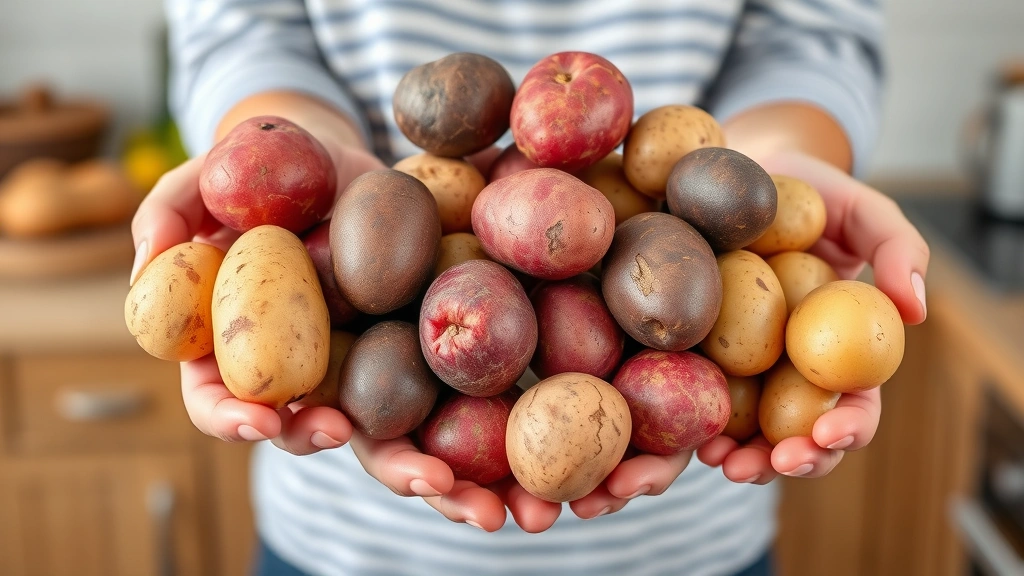
Antioxidant compounds: Colored potatoes—including purple, red, and blue varieties—contain anthocyanins and other polyphenols with antioxidant properties. These compounds help protect cells from oxidative stress and inflammation, contributing to long-term disease prevention.
Legitimate Nutritional Concerns
While mashed potatoes can absolutely be healthy, certain legitimate nutritional concerns deserve honest discussion. Understanding these concerns allows for informed preparation and consumption choices.
Acrylamide formation: When potatoes undergo high-heat cooking, they produce acrylamide, a compound classified as a probable carcinogen at high doses. Boiling and steaming—common mashed potato preparation methods—produce minimal acrylamide compared to frying or roasting at high temperatures. This makes traditional mashed potato preparation relatively low-risk for acrylamide exposure.
Sodium content: Restaurant and commercially prepared mashed potatoes frequently contain excessive sodium, sometimes exceeding 500 mg per serving. For individuals monitoring sodium intake due to hypertension or heart disease, homemade preparation becomes essential. The American Heart Association recommends limiting sodium to 2,300 mg daily, making awareness of mashed potato sodium content important for overall cardiovascular health.
Added saturated fat: Traditional preparations using butter and heavy cream can elevate saturated fat content significantly. While moderate saturated fat consumption doesn’t inherently cause health problems, excessive intake has been linked to increased cardiovascular risk in some individuals, particularly those with existing risk factors.
Nutrient loss through peeling: Removing potato skin eliminates a substantial portion of fiber and several micronutrients. Peeled mashed potatoes lose approximately 30-40% of their fiber content compared to skin-on versions. This represents a significant nutritional trade-off that often goes unrecognized.
Rapid blood sugar response: While mashed potatoes have moderate glycemic index values, their high glycemic load—the combination of quantity and quality of carbohydrates—can cause relatively rapid blood sugar spikes, particularly in individuals with insulin resistance or diabetes. Pairing mashed potatoes with protein and non-starchy vegetables helps mitigate this effect.
Strategies for Optimizing Nutritional Value
Dietitians recommend several evidence-based strategies for maximizing the nutritional benefits of mashed potatoes while minimizing potential drawbacks.
Retain the skin: The simplest optimization involves keeping potato skin intact during preparation. Use a ricer or food mill designed to handle unpeeled potatoes, creating a texture with visible skin flecks. This single change preserves fiber, potassium, and B vitamins that peeling removes.
Choose cooking methods wisely: Steaming or microwaving potatoes before mashing preserves more heat-sensitive vitamins compared to boiling. If boiling, use minimal water and save the cooking liquid—which contains leached nutrients—for soup or vegetable broth preparation.
Replace traditional fat additions: Substitute heavy cream with plain Greek yogurt or low-fat milk, which provides creaminess and protein while reducing saturated fat. For richness, consider adding a small amount of olive oil rather than butter, shifting the fat profile toward heart-healthy monounsaturated fats. Vegetable broth creates creaminess through starch without added fat.
Incorporate vegetables: Blend mashed potatoes with roasted cauliflower, steamed carrots, or sautéed mushrooms to increase fiber, micronutrient density, and volume without proportional calorie increases. This approach also creates interesting flavor and texture profiles that appeal to diverse palates.
Add protein sources: Mixing in cottage cheese, Greek yogurt, or finely minced cooked chicken increases protein content, improving satiety and blood sugar response. This transforms mashed potatoes from a simple side dish into a more nutritionally complete component of meals.
Season strategically: Replace excessive salt with fresh herbs, roasted garlic, black pepper, and spices like paprika or cumin. This approach reduces sodium while increasing phytochemical intake through herbs’ bioactive compounds.
Cool before consumption: When possible, prepare mashed potatoes ahead and cool them completely before serving. This develops resistant starch, which provides prebiotic benefits similar to dietary fiber, supporting healthy gut bacteria populations.
Portion Control and Meal Balance
Even optimally prepared mashed potatoes require appropriate portion sizing within balanced meals. Dietitians recommend considering mashed potatoes as a carbohydrate component of meals rather than the centerpiece.
A standard serving size—approximately one cup or 210 grams—represents a reasonable portion for most adults. This provides approximately 215 calories and 45 grams of carbohydrates, fitting comfortably into balanced meal patterns. The key involves pairing this portion with adequate protein and non-starchy vegetables to create nutritional balance.
An ideal plate composition includes one-quarter plate of mashed potatoes, one-quarter plate of protein source—such as fish, poultry, legumes, or lean meat—and one-half plate of non-starchy vegetables. This proportional approach ensures that mashed potatoes contribute meaningfully to meals without dominating caloric or carbohydrate intake.
For individuals following specific dietary patterns, mashed potato portions may require adjustment. Those managing diabetes or prediabetes may benefit from smaller portions paired with additional protein and fiber. Athletes or highly active individuals might increase portions to support carbohydrate needs for energy and recovery.
Context matters considerably. Mashed potatoes consumed at home with controlled ingredients represent a different nutritional scenario than restaurant versions, which often contain double or triple the added fats and sodium. Being aware of these differences allows for conscious choices aligned with individual health goals, similar to how understanding individual nutrient needs helps create comprehensive nutritional strategies.
Individuals interested in optimizing their overall dietary patterns might explore how mashed potatoes fit alongside other nutrient-dense foods. For instance, learning about nutrition facts about avocados and other whole foods helps create a diverse, balanced approach to nutrition that includes room for traditional comfort foods like mashed potatoes.
FAQ
Are mashed potatoes healthier than baked or roasted potatoes?
The preparation method matters more than the cooking technique. Mashed potatoes prepared with skin and minimal added fat rival baked potatoes nutritionally. However, roasted potatoes at high temperatures develop acrylamide, making boiled or steamed mashed potatoes potentially preferable from that standpoint. All three preparations offer health benefits when prepared without excessive added fats or sodium.
Can people with diabetes eat mashed potatoes?
Yes, individuals with diabetes can include mashed potatoes in their diet with appropriate portion control and meal composition. Pairing smaller mashed potato portions with protein and non-starchy vegetables helps minimize blood sugar spikes. Retaining potato skin and cooling mashed potatoes before consumption further improves glycemic response through increased fiber and resistant starch content.
How do instant mashed potatoes compare nutritionally to homemade versions?
Instant mashed potatoes undergo processing that removes fiber and some micronutrients, particularly if prepared from peeled potatoes. Many commercial instant varieties contain additives, preservatives, and excessive sodium. Homemade mashed potatoes from whole potatoes provide superior nutritional value. If convenience matters, frozen mashed potatoes without added ingredients offer a middle ground between fresh and instant options.
What’s the best way to store leftover mashed potatoes?
Store leftover mashed potatoes in airtight containers in the refrigerator for up to three days. Allow them to cool completely before refrigerating, which develops beneficial resistant starch. Reheat gently on the stovetop with a splash of milk to restore creaminess. Frozen mashed potatoes maintain quality for up to two months, though texture may change slightly upon thawing.
Do mashed potatoes cause inflammation?
Mashed potatoes themselves don’t inherently cause inflammation. In fact, potatoes contain compounds with anti-inflammatory properties. The inflammation risk arises from preparation methods that add excessive saturated fat or from consuming them in isolation without accompanying vegetables and protein. A balanced meal containing appropriately prepared mashed potatoes supports anti-inflammatory eating patterns rather than promoting inflammation.
Are sweet potato mashes healthier than regular mashed potatoes?
Sweet potatoes offer certain nutritional advantages, particularly higher beta-carotene and fiber content. However, regular potatoes provide more resistant starch when cooled and contain compounds like quercetin with unique health benefits. Rather than viewing them as competing options, incorporating both into varied dietary patterns maximizes the distinct nutritional benefits each offers.