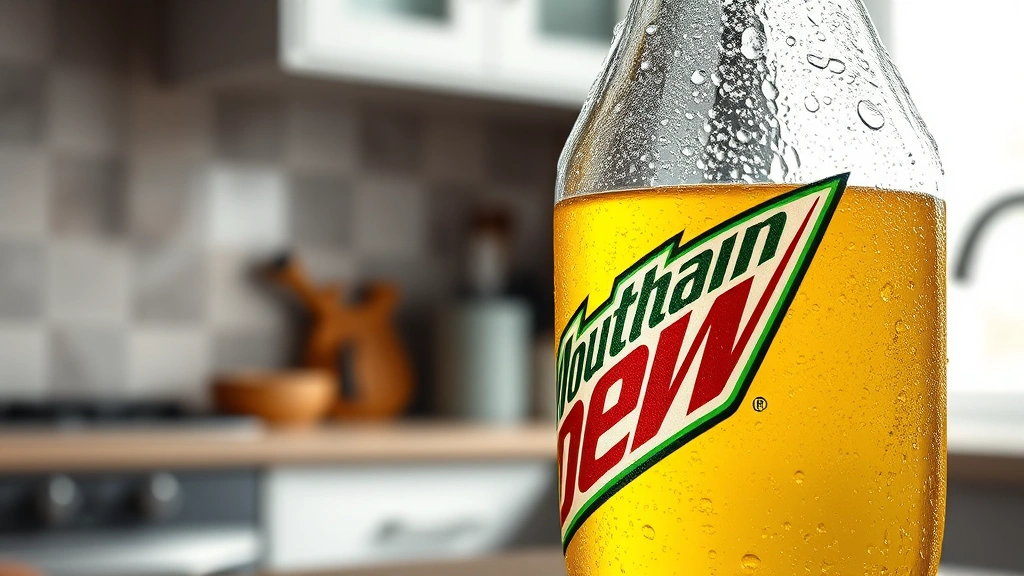
Mountain Dew Nutrition Facts: What You Need to Know
Mountain Dew stands as one of the most recognizable beverage brands globally, consumed by millions daily across diverse demographics. Understanding the Mountain Dew nutrition facts is essential for making informed dietary choices, particularly given the drink’s significant presence in convenience stores, restaurants, and vending machines. This comprehensive analysis breaks down the nutritional composition, ingredients, and health implications of this citrus-flavored soft drink, enabling consumers to assess how it fits within their overall dietary patterns.
The beverage industry has witnessed considerable scrutiny regarding sugar content and artificial additives in recent years. Mountain Dew, as a flagship product of PepsiCo, contains specific nutritional elements that warrant detailed examination. Whether you’re a regular consumer seeking transparency or someone evaluating dietary options for health-conscious living, understanding the precise nutritional breakdown becomes increasingly important. This guide provides evidence-based information about what’s actually in your can or bottle.
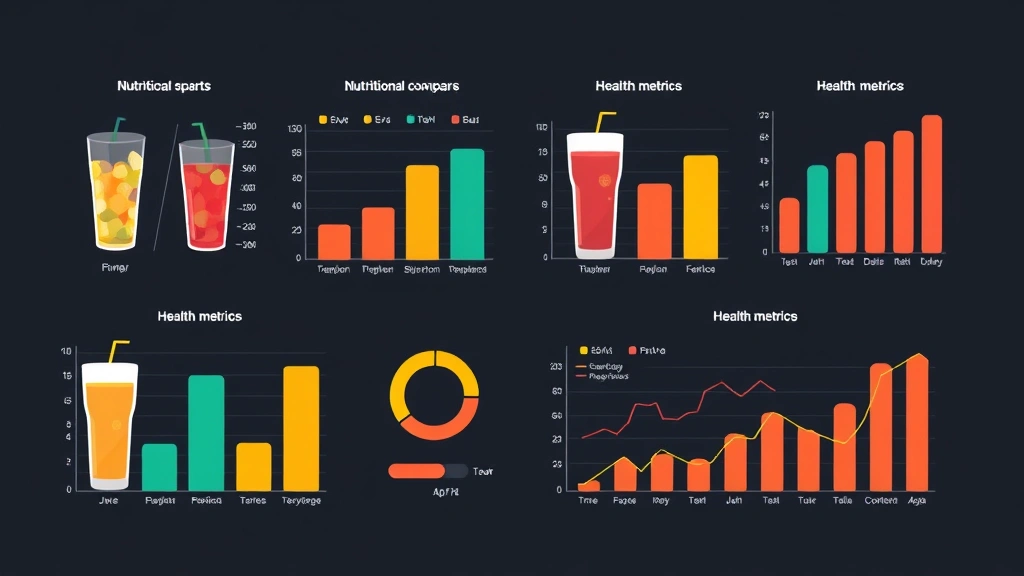
Complete Nutritional Breakdown Per Serving
A standard 12-fluid ounce can of Mountain Dew contains approximately 170 calories, with nearly all calories derived from carbohydrates. The drink provides zero grams of protein and zero grams of fat, making it a purely carbohydrate-based beverage. This macronutrient composition differs significantly from whole food sources and even from beverages fortified with additional nutrients.
The serving size of 12 fluid ounces represents the standard measurement used across the beverage industry. However, many consumers unknowingly consume larger quantities through larger bottle sizes and multiple servings throughout the day. The nutritional facts label provides per-serving information, which becomes critical when individuals purchase 20-ounce bottles or larger formats containing multiple servings.
Beyond basic macronutrients, Mountain Dew contains trace amounts of various minerals and compounds. The drink includes potassium (around 65 milligrams per 12-ounce serving), though this represents a minimal contribution to daily requirements. Phosphoric acid serves as the primary acidifying agent, contributing to the distinctive taste profile while affecting mineral bioavailability and dental health considerations discussed later in this analysis.

Sugar Content and Caloric Impact
The most significant nutritional concern with Mountain Dew involves its sugar content. A single 12-ounce serving contains 46 grams of sugar, representing nearly the entire daily recommended sugar intake for many individuals. The American Heart Association recommends maximum daily sugar consumption of 25 grams for women and 36 grams for men, meaning one can of Mountain Dew exceeds these guidelines substantially.
This sugar content translates directly to caloric impact, with carbohydrates providing four calories per gram. The 46 grams of sugar contributes approximately 184 calories to the total 170-calorie count, though the slight discrepancy reflects other carbohydrate sources within the formula. Understanding this relationship between sugar and calories helps contextualize why developing a healthy nutrition plan requires careful beverage selection.
High sugar consumption has been extensively documented in peer-reviewed research as contributing to weight gain, type 2 diabetes development, metabolic syndrome, and dental erosion. The liquid form of sugar in beverages presents particular concerns because it lacks the satiety signals generated by solid foods, leading to overconsumption without corresponding feelings of fullness. Regular consumption of sugar-sweetened beverages correlates with increased visceral fat accumulation and elevated triglyceride levels.
The glycemic impact of Mountain Dew results in rapid blood sugar elevation, triggering insulin response and subsequent energy crashes. This metabolic pattern can perpetuate cravings and consumption cycles, particularly in individuals with insulin sensitivity concerns. Individuals managing diabetes or prediabetes should consider Mountain Dew consumption as a significant dietary factor requiring careful monitoring.
Artificial Ingredients and Additives
Mountain Dew’s ingredient list reflects modern beverage formulation practices, including several artificial and synthetic compounds. The drink contains Yellow 5 (tartrazine) and Yellow 6 (sunset yellow) food colorings, which provide the characteristic bright yellow-green appearance. These synthetic dyes have generated ongoing scientific debate regarding potential effects on behavior and hyperactivity, particularly in children, though regulatory agencies maintain they’re safe at current consumption levels.
The sweetening system in regular Mountain Dew relies on high fructose corn syrup (HFCS) as the primary sweetener. HFCS metabolizes differently than glucose, with hepatic fructose metabolism potentially promoting fatty liver disease and metabolic dysfunction at high consumption levels. This distinction matters when comparing Mountain Dew to beverages sweetened with sucrose or glucose.
Caffeine content presents another additive consideration, discussed comprehensively in the dedicated section below. Beyond caffeine, Mountain Dew contains citric acid for flavor profile development and preservation, sodium benzoate as a preservative, and natural flavors derived from various sources. The cumulative effect of these additives, particularly when consumed regularly, warrants consideration within broader nutritional care process frameworks.
Gum arabic and ester gum serve as emulsifiers, helping maintain ingredient suspension and texture stability. While these compounds are generally recognized as safe by regulatory bodies, the cumulative additive load in processed beverages differs substantially from whole food consumption patterns.
Caffeine Levels and Health Considerations
Mountain Dew contains 54 milligrams of caffeine per 12-ounce serving, positioning it among higher-caffeine soft drinks. This caffeine content equals approximately 55% of the amount found in a standard 8-ounce cup of brewed coffee, making Mountain Dew a significant caffeine source for consumers who may not recognize soft drinks as caffeinated beverages.
The FDA recommends maximum daily caffeine intake of 400 milligrams for healthy adults, meaning approximately seven 12-ounce cans of Mountain Dew would reach this threshold. However, this calculation assumes no other caffeine sources, whereas typical consumers may also consume coffee, tea, energy drinks, or chocolate-containing products. The cumulative caffeine load from multiple sources can exceed recommended levels without conscious awareness.
Caffeine sensitivity varies considerably among individuals based on genetics, body weight, tolerance development, and overall health status. Excessive caffeine consumption can trigger anxiety, insomnia, elevated heart rate, and gastrointestinal disturbance. Individuals with cardiovascular conditions, anxiety disorders, or sleep disorders should carefully monitor caffeine intake from all sources.
The combination of high sugar content with caffeine creates a particularly stimulating beverage profile. Rapid blood sugar elevation paired with caffeine-induced central nervous system stimulation can produce intense energy spikes followed by crashes, potentially exacerbating fatigue and perpetuating consumption cycles. This pattern particularly affects children and adolescents, whose caffeine sensitivity exceeds that of adults.
Sodium and Electrolyte Content
Mountain Dew contains 65 milligrams of sodium per 12-ounce serving, representing approximately 3% of the recommended daily intake of 2,300 milligrams. While this amount seems modest in isolation, sodium content becomes significant when considering typical consumption patterns and contributions from other dietary sources.
The electrolyte profile of Mountain Dew differs substantially from sports drinks or electrolyte-enhanced beverages designed for athletic recovery. While the drink contains minimal potassium (65 milligrams per serving), it lacks the balanced electrolyte composition necessary for rehydration following physical activity. Athletes and active individuals should recognize that Mountain Dew does not provide appropriate post-exercise rehydration support despite its beverage classification.
The sodium-to-potassium ratio in Mountain Dew skews heavily toward sodium, potentially contributing to fluid retention and blood pressure elevation in sodium-sensitive individuals. Individuals managing hypertension or fluid balance concerns should account for sodium contributions from all dietary sources, including beverages.
Comparison with Other Soft Drinks
Comparing Mountain Dew to other popular soft drinks reveals both similarities and distinctions in nutritional profiles. Coca-Cola (12 ounces) contains 140 calories and 39 grams of sugar, while Sprite (12 ounces) provides 140 calories and 38 grams of sugar. Mountain Dew’s higher caloric and sugar content positions it among the more concentrated soft drinks in the market.
Fanta beverages vary considerably by flavor, with orange Fanta containing 150 calories and 44 grams of sugar per 12-ounce serving, approaching Mountain Dew’s nutritional profile. Dr Pepper contains 150 calories and 41 grams of sugar, offering slightly lower values across both metrics. These comparisons illustrate that while Mountain Dew ranks high in sugar content, other beverages present comparable nutritional concerns.
Caffeine content varies more dramatically across brands. Coca-Cola contains 34 milligrams of caffeine, Sprite contains zero milligrams (being caffeine-free), and Dr Pepper contains 41 milligrams. Mountain Dew’s 54 milligrams places it among the higher-caffeine soft drinks, second only to beverages specifically formulated as energy drinks.
Health Implications and Dietary Recommendations
Regular Mountain Dew consumption presents several documented health implications supported by epidemiological research. The Pew Research Center has examined beverage consumption patterns and health outcomes across population demographics, revealing correlations between sugar-sweetened beverage consumption and obesity prevalence.
The high sugar content directly contributes to weight gain through excess caloric intake and metabolic disruption. Individuals seeking how to improve nutrient absorption and overall metabolic health should recognize that sugar-sweetened beverages actively impair nutrient utilization and metabolic efficiency. The liquid form particularly bypasses satiety mechanisms, making overconsumption likely.
Dental health concerns emerge as another significant consideration. The combination of high sugar content and citric acid creates an environment promoting dental erosion and cavity formation. The acidic pH of Mountain Dew (approximately 3.3) directly demineralizes tooth enamel, while sugar feeds cariogenic bacteria in the oral cavity. Individuals with existing dental concerns or prone to cavity formation should minimize Mountain Dew consumption.
Type 2 diabetes risk increases substantially with regular sugar-sweetened beverage consumption. Multiple longitudinal studies demonstrate that individuals consuming one to two sugar-sweetened beverages daily exhibit significantly elevated diabetes risk compared to non-consumers. The relationship persists even after controlling for body weight, suggesting direct metabolic effects beyond simple caloric contributions.
Bone health may be compromised through phosphoric acid’s effects on calcium absorption and mineral balance. The acidic environment created by phosphoric acid can leach calcium from bone tissue, potentially contributing to decreased bone density with chronic consumption. This concern particularly affects adolescents during critical bone development periods.
For individuals seeking to optimize their health outcomes, understanding how nutrition impacts your brain becomes essential. High sugar consumption impairs cognitive function, memory formation, and emotional regulation through inflammation and neurotransmitter disruption. Students and professionals relying on sustained mental performance should recognize Mountain Dew as counterproductive to cognitive optimization.
Variants and Reduced-Sugar Options
PepsiCo has introduced several Mountain Dew variants addressing nutritional concerns raised by health-conscious consumers. Mountain Dew Zero Sugar provides the original flavor profile while eliminating sugar content entirely, substituting artificial sweeteners instead. This variant contains zero calories and zero grams of sugar, representing a significant reduction in caloric and sugar intake for consumers unwilling to eliminate the beverage entirely.
Mountain Dew Zero Sugar still contains caffeine (54 milligrams per 12 ounces) and artificial food colorings, so it doesn’t eliminate all additives. However, for individuals primarily concerned about sugar and caloric content, this variant presents a substantially improved nutritional profile. The artificial sweetening system (typically aspartame, acesulfame potassium, and sucralose combinations) remains a consideration for those with sweetener sensitivity concerns.
Diet Mountain Dew offers another reduced-calorie option, though formulation varies by region and production facility. Most Diet Mountain Dew variants contain minimal calories (one to five) while maintaining caffeine content and artificial sweeteners. The taste profile differs noticeably from original Mountain Dew, which influences consumer acceptance and sustained consumption patterns.
Mountain Dew Baja Blast and other flavored variants typically maintain similar nutritional profiles to original Mountain Dew, with slight variations based on specific ingredient adjustments. Consumers selecting variants should examine individual labels rather than assuming nutritional consistency across the product line.
Examining alternatives aligned with tips for meal planning strategies reveals that water, unsweetened tea, black coffee, and sparkling water without added sugars provide superior nutritional profiles for hydration without metabolic disruption. For individuals seeking flavor enhancement, naturally flavored beverages or fresh fruit-infused water offer alternatives without artificial additives or excessive sugar.
FAQ
How much sugar is in Mountain Dew?
A standard 12-ounce serving of Mountain Dew contains 46 grams of sugar, exceeding daily recommended maximum intake for most individuals according to American Heart Association guidelines.
Is Mountain Dew bad for your teeth?
Yes, Mountain Dew’s combination of citric acid (pH 3.3) and high sugar content creates conditions promoting both enamel erosion and cavity formation. Regular consumption significantly increases dental health risks.
How much caffeine does Mountain Dew contain?
Mountain Dew contains 54 milligrams of caffeine per 12-ounce serving, positioning it among higher-caffeine soft drinks and requiring consideration within total daily caffeine consumption calculations.
Does Mountain Dew have artificial sweeteners?
Original Mountain Dew uses high fructose corn syrup as its primary sweetener, not artificial sweeteners. However, Mountain Dew Zero Sugar and Diet Mountain Dew variants utilize artificial sweetening systems.
What are the main ingredients in Mountain Dew?
Primary ingredients include carbonated water, high fructose corn syrup, citric acid, natural flavors, caffeine, sodium benzoate (preservative), gum arabic, ester gum, Yellow 5, and Yellow 6 food colorings.
Can I consume Mountain Dew while dieting?
Regular Mountain Dew’s high sugar and caloric content makes it counterproductive for weight loss efforts. Zero Sugar variants present improved options for those unwilling to eliminate the beverage, though water and unsweetened alternatives remain superior choices.
Is Mountain Dew healthier than other soft drinks?
Mountain Dew contains higher sugar and caloric content than many competitor beverages, making it comparatively less healthy. However, all sugar-sweetened soft drinks present similar health concerns regardless of brand.
What’s the sodium content in Mountain Dew?
Mountain Dew contains 65 milligrams of sodium per 12-ounce serving, representing approximately 3% of recommended daily intake, though cumulative sodium from all sources should be considered.


