
Generate Nutrition Labels Easily? Expert Tips for Creating Accurate Nutrition Facts Labels
Creating accurate nutrition labels has become essential for food manufacturers, meal prep businesses, and content creators. Whether you’re launching a new product line or need to provide nutritional information to consumers, a nutrition facts label generator can streamline the process significantly. These tools automate calculations, ensure regulatory compliance, and save countless hours of manual data entry.
The landscape of nutrition labeling has evolved dramatically. The FDA updated the Nutrition Facts label format in 2016 to reflect current dietary recommendations and consumer needs. Today, businesses can no longer rely on guesswork or outdated templates. Modern generators leverage databases of thousands of food items, ingredient combinations, and nutritional values to produce labels that meet all federal requirements while maintaining accuracy and professionalism.
Understanding Nutrition Facts Label Generators
A nutrition facts label generator is software that calculates nutritional values for food products based on ingredient inputs. Rather than sending samples to laboratories for expensive testing, these generators use established nutritional databases to aggregate data from each ingredient, providing detailed breakdowns of calories, macronutrients, micronutrients, and allergen information.
These tools have revolutionized how small food businesses operate. Previously, only large corporations with dedicated nutritionists could afford comprehensive nutrition analysis. Today, entrepreneurs can access the same level of analytical rigor at a fraction of the cost. The technology relies on databases maintained by organizations like the USDA, which contain nutritional information for thousands of food items.
Understanding how these generators work helps you maximize their effectiveness. When you input ingredients with specific weights or volumes, the software calculates the nutritional content by multiplying each ingredient’s nutrient profile by its proportion in the recipe. The system then aggregates these values and presents them in the standardized FDA format, complete with Daily Value percentages and serving size recommendations.
For businesses in the nutrition and food industry, these generators eliminate the guesswork involved in product development. You can test multiple recipes, adjust ingredient ratios, and instantly see how changes impact nutritional profiles. This iterative process enables data-driven recipe development that aligns with both consumer preferences and health standards.
Key Features to Look For
Not all nutrition facts label generators are created equal. When evaluating options, prioritize these essential features:
- Comprehensive Database Access: Look for tools that reference multiple authoritative sources including USDA FoodData Central, industry-specific databases, and brand-specific nutritional information. A robust database ensures accuracy across diverse ingredients.
- Allergen Tracking: Since allergen disclosure is legally mandated, your generator must clearly identify and flag all major allergens including peanuts, tree nuts, milk, eggs, fish, crustaceans, soy, wheat, and sesame.
- Customizable Serving Sizes: Different products require different serving size standards. Your tool should allow flexibility in defining serving sizes and provide recommendations based on FDA guidelines.
- Batch Recipe Management: If you’re creating multiple products, the ability to save, organize, and retrieve recipes saves significant time during production planning.
- Export Functionality: The generator should produce labels in multiple formats—PDF, PNG, editable templates—suitable for packaging design and digital distribution.
- Regulatory Updates: FDA regulations evolve. Choose a tool maintained by developers who regularly update compliance standards and label formatting requirements.
- User-Friendly Interface: Complex software creates errors. Intuitive design with clear instructions reduces input mistakes and accelerates the label creation process.
Advanced generators also offer features like recipe scaling, cost analysis, and integration with inventory management systems. For businesses scaling production, these supplementary tools can provide valuable insights beyond basic nutritional calculations.
Step-by-Step Guide to Using These Tools
Creating a nutrition label using a generator involves a systematic process. Here’s how to approach it effectively:
- Gather Ingredient Information: Collect precise measurements for all ingredients in your recipe. Use weight measurements (grams) rather than volume (cups) for maximum accuracy, as density varies among ingredients.
- Input Ingredients into the Database: Enter each ingredient with its exact quantity. Most generators allow you to search their database and select matching items. If an exact match isn’t available, choose the closest alternative or use USDA data directly.
- Define Serving Size: Based on FDA guidelines, determine an appropriate serving size for your product. This should reflect how consumers typically consume the item. The generator often provides recommendations based on product category.
- Calculate Yield: Input the total yield of your recipe—the number of servings or total weight produced. The generator uses this to determine per-serving nutritional values.
- Review Calculations: Examine the generated nutritional profile. Does it make sense? Compare macronutrient percentages with similar products on the market. Significant discrepancies warrant investigation.
- Verify Allergen Information: Confirm that all allergens are properly identified and disclosed, including those from shared equipment or facilities if applicable.
- Customize Label Format: Select your preferred label template that matches your product’s packaging dimensions and design aesthetic.
- Export and Implement: Download your label in the appropriate format for production, ensuring resolution is sufficient for printing quality.
This process typically takes 15-30 minutes per product once you’re familiar with the platform. Experienced users can batch-process multiple recipes efficiently.
Common Mistakes to Avoid
Even with user-friendly generators, certain errors recur frequently. Being aware of these pitfalls helps ensure label accuracy:
- Inaccurate Ingredient Measurements: Rounding errors or imprecise measurements compound across ingredients. Always use precise weights in grams. A 5% measurement error across multiple ingredients can skew nutritional values by 15-20%.
- Ignoring Moisture Loss During Cooking: When recipes involve cooking, ingredients lose moisture and change weight. Some generators account for this; others don’t. Manually adjust ingredient weights post-cooking for accuracy, or use USDA cooking yield data.
- Failing to Account for Added Ingredients: Oils used for cooking, seasonings, or processing aids must be included. These small additions can significantly impact sodium, fat, and calorie content.
- Selecting Wrong Product Categories: Generic “flour” differs nutritionally from “all-purpose flour” or “whole wheat flour.” Specificity matters. Always choose the most precise ingredient match available.
- Neglecting Allergen Cross-Contamination: Even if your recipe doesn’t contain peanuts, if processing occurs in a facility that handles peanuts, this must be disclosed. Generators flag ingredients but can’t assess facility practices.
- Using Outdated Database Information: Food composition data evolves as testing methods improve. Ensure your generator updates regularly and provides database version information.
- Miscalculating Serving Sizes: A serving size that’s too small makes the product appear healthier than it actually is. Conversely, oversized servings obscure nutritional reality. Reference FDA serving size standards for your product category.
These mistakes often result in non-compliant labels that can trigger FDA warnings or require costly reprinting. Investment in accuracy during the generation phase prevents expensive corrections later.
Regulatory Compliance Essentials
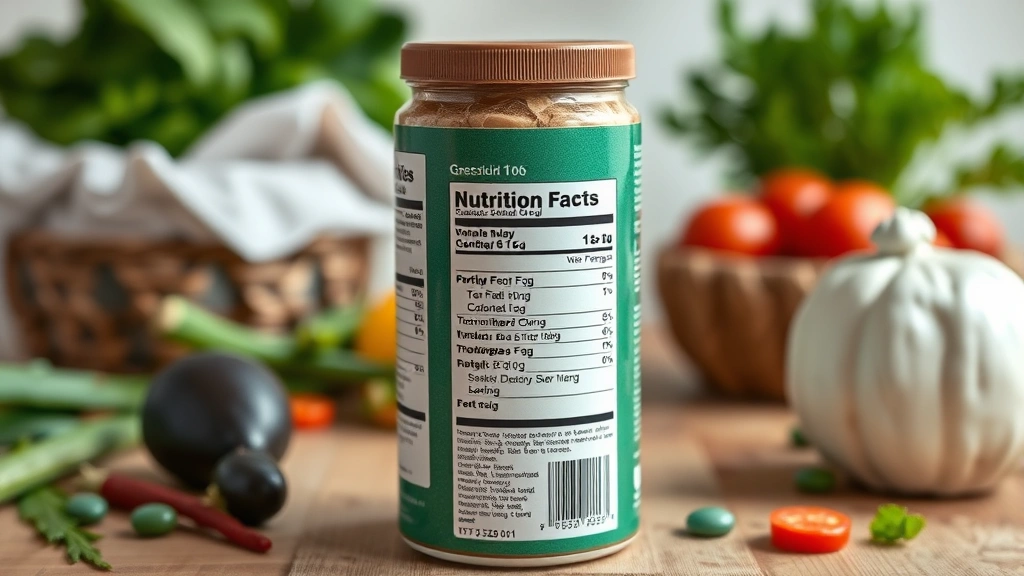
Understanding FDA requirements is non-negotiable when generating nutrition labels. The FDA’s updated Nutrition Facts label format, which became mandatory for most products by January 2020, includes specific requirements:
Mandatory Elements: Your label must display calories, total fat, saturated fat, trans fat, cholesterol, sodium, total carbohydrate, dietary fiber, total sugars, added sugars, protein, vitamin D, calcium, iron, and potassium. Certain nutrients like vitamin A and C are no longer required unless added to the product.
Daily Value Reference: All nutrients must include their percentage of the Daily Value (%DV) based on a 2,000-calorie diet. The FDA provides specific daily value amounts for each nutrient, and reputable generators incorporate these automatically.
Font and Format Standards: The label must use specific fonts and formatting to ensure readability. The “Nutrition Facts” header must be prominent, and nutrient declarations follow a strict hierarchy. While this seems purely aesthetic, compliance is legally required.
Serving Size Standards: The FDA provides Reference Amounts Customarily Consumed (RACC) for different food categories. Your serving size must align with these standards or be justified through research. A nutrition facts label generator should guide you toward compliant serving sizes.
For products like beverages and prepared foods, additional requirements may apply. Some products require dual-column labels showing per-serving and per-container values. Your generator should accommodate these variations.
Beyond nutritional content, you must ensure accurate ingredient declarations appear separately from the nutrition facts panel. Allergen statements must be clear and conspicuous. The generator handles nutrition calculations, but you remain responsible for ingredient accuracy and allergen disclosure.
Research from Pew Research Center indicates that consumers increasingly scrutinize nutrition labels when making purchasing decisions. Accurate, compliant labeling directly influences consumer trust and purchasing behavior, making precision essential for business success.
Comparing Popular Solutions
Several established nutrition label generators serve different market segments:
ESHA Research (Nutritionix): Professional-grade software used by registered dietitians, food scientists, and major food manufacturers. Offers extensive customization, API integration, and comprehensive database access. Higher cost reflects professional-level features.
NutraInnovations: Mid-market solution balancing affordability with functionality. Suitable for small food businesses and contract manufacturers. Includes recipe management and batch processing capabilities.
FatSecret and MyFitnessPal APIs: Consumer-grade databases with API access for developers. Lower cost but less comprehensive for commercial label generation. Better suited for digital nutrition tracking than official product labeling.
In-House Laboratory Testing: For premium products or those making health claims, some businesses supplement generator calculations with actual laboratory analysis. This provides definitive nutritional data and supports marketing claims through third-party verification.
The choice depends on your business scale, budget, and complexity requirements. Small startups might begin with affordable generators and graduate to professional solutions as product lines expand. Established manufacturers often maintain relationships with multiple providers for redundancy and specialized capabilities.
When evaluating solutions, request trial access and test with your actual recipes. Compare generated results with competitor products and published nutritional data. This validation process ensures your chosen tool meets your accuracy standards before full implementation.

For businesses focused on sports nutrition or specialized dietary products, generators that track macronutrient ratios and micronutrient density provide additional value. Similarly, those developing balanced meal plans benefit from generators offering recipe optimization features that suggest ingredient adjustments to meet specific nutritional targets.
The intersection of nutrition science and digital innovation continues evolving. Food Quality News regularly reports on regulatory updates and industry standards that affect label requirements. Staying informed about these changes ensures your labels remain compliant as standards evolve.
Understanding how nutrition impacts overall health—including the relationship between diet and cognitive function—helps you create products that genuinely serve consumer health needs. This consumer-centric approach differentiates products in competitive markets and builds brand loyalty based on nutritional substance rather than marketing claims alone.
FAQ
How accurate are nutrition facts label generators?
When used correctly with precise ingredient measurements and accurate database selections, generators achieve 95%+ accuracy compared to laboratory testing. Accuracy depends primarily on input quality. Precise measurements and correct ingredient identification are critical. For products making specific health claims, laboratory verification provides additional assurance.
Can I use a generator if my recipe includes homemade ingredients?
Yes, but with caveats. You’ll need to input the nutritional composition of homemade items by breaking them into their component ingredients. Alternatively, if you’ve had homemade items analyzed, you can input those values directly. This process is more time-consuming but maintains accuracy.
What if my ingredient isn’t in the database?
Most generators allow you to create custom ingredients by entering nutritional data manually. You can source this information from manufacturer specifications, USDA databases, or laboratory analysis. Reputable generators maintain notes about data sources for transparency and future reference.
Do generators account for cooking methods?
Advanced generators include cooking yield adjustments for common methods like boiling, baking, and frying. However, complex cooking processes affecting nutrient retention may require manual adjustment. Some nutrients (vitamin C, for example) degrade significantly during cooking, which standard databases may not capture.
How often should I update my labels?
Whenever you change your recipe, ingredient sources, or serving size definitions, regenerate your label. Additionally, review labels annually to ensure database information remains current. As suppliers change formulations, minor nutritional variations can accumulate.
Are there free nutrition label generators?
Free options exist but typically offer limited functionality. They work for basic products with simple recipes but may lack allergen tracking, batch management, or advanced compliance features. For commercial use, investing in a reputable paid solution provides better accuracy assurance and customer support.
What liability do I have if my label contains errors?
Food manufacturers are legally responsible for label accuracy regardless of tools used. If errors are discovered, you may face FDA enforcement action, product recalls, or consumer lawsuits. Comprehensive liability insurance and regular label audits help mitigate these risks. Choose generators from established providers with clear accuracy guarantees.


