
Rye Bread: Healthy Choice? Dietitian Explains
Rye bread has experienced a remarkable resurgence in nutritional conversations, particularly among health-conscious consumers seeking alternatives to refined wheat products. As a registered dietitian, I’ve observed growing interest in understanding whether rye bread truly deserves its reputation as a health food or if marketing claims overshadow scientific reality. This comprehensive analysis examines the nutrition facts of rye bread, exploring its macronutrient profile, micronutrient density, and potential health implications for various dietary patterns.
The question isn’t simply whether rye bread is healthy—it’s understanding how it compares to other bread options, who benefits most from its consumption, and how to identify genuinely nutritious rye products in an increasingly crowded marketplace. Rye has been cultivated for centuries in Northern and Eastern Europe, where it remains a dietary staple, and modern research increasingly validates traditional consumption patterns while revealing nuanced benefits that extend beyond basic carbohydrate provision.
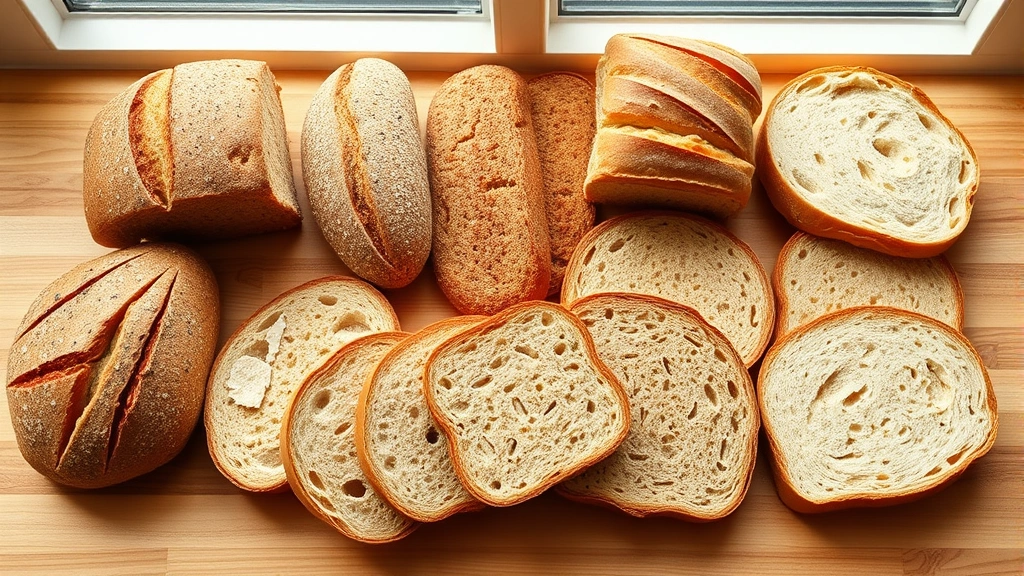
Nutritional Profile of Rye Bread
Understanding the nutrition facts of rye bread begins with examining a standard slice, typically weighing 30-35 grams. A single slice of whole grain rye bread contains approximately 80-100 calories, 2-3 grams of protein, 15-18 grams of carbohydrates, and 0.5-1.5 grams of fat. These baseline numbers reveal that rye bread is fundamentally a carbohydrate source, but the quality and composition of those carbohydrates deserve closer inspection than surface-level calorie counts suggest.
The macronutrient distribution in rye bread differs meaningfully from wheat-based alternatives. Rye contains slightly higher protein content relative to white bread, though it doesn’t approach legume-based sources. More significantly, the carbohydrate matrix in rye differs structurally from wheat—rye’s starch granules are smaller and more densely packed, influencing how the body processes and utilizes these carbohydrates. This structural difference has measurable metabolic consequences that I’ll address in subsequent sections.
When examining packaged rye bread products, the ingredient list matters considerably. Authentic rye bread contains rye flour as the primary ingredient, though many commercial products blend rye with wheat flour to improve texture and reduce cost. The percentage of whole grain rye flour directly correlates with nutritional density—100% whole grain rye delivers substantially more phytonutrients and fiber than rye-wheat blends. This is where our Nutrition Facts Label Generator becomes invaluable for comparing specific products and understanding their actual composition beyond marketing claims.
Fiber Content and Digestive Health
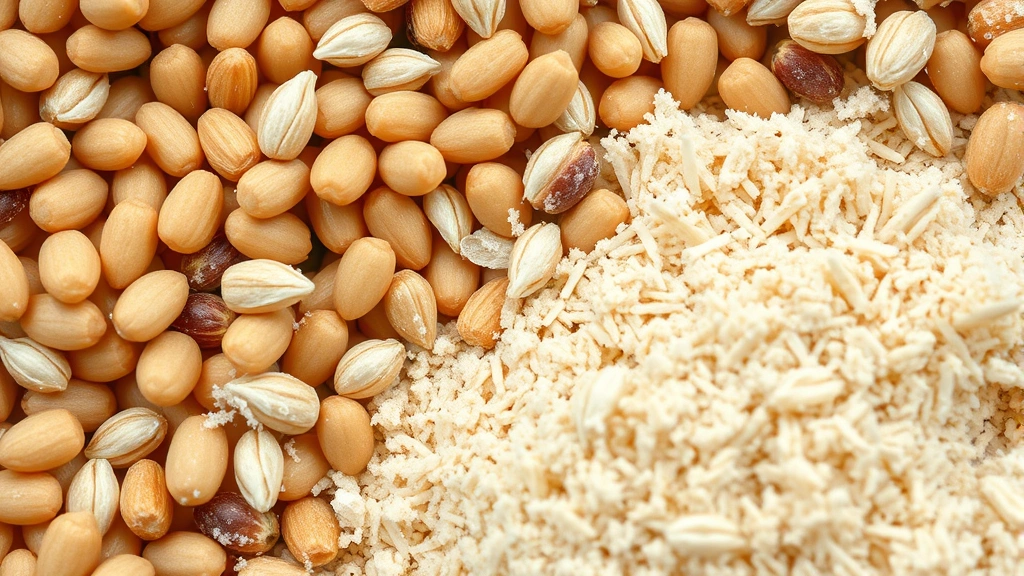
Perhaps the most compelling nutritional advantage of rye bread lies in its exceptional fiber content. A single slice of whole grain rye bread provides 2-4 grams of dietary fiber, representing 8-16% of the recommended daily intake. This fiber density exceeds most wheat breads, which typically contain 1-2 grams per slice. The significance of this difference compounds across multiple daily servings.
Rye fiber possesses unique structural characteristics that amplify digestive benefits. The fiber in rye includes both soluble and insoluble components, with particularly high concentrations of arabinoxylan, a hemicellulose compound with documented prebiotic properties. This means rye bread doesn’t merely provide indigestible bulk—it actively feeds beneficial bacteria in the colon, supporting microbiome health in ways that simple wheat fiber cannot replicate.
Research published in clinical nutrition journals demonstrates that rye fiber consumption increases production of short-chain fatty acids, particularly butyrate, which nourishes colonic epithelial cells and supports intestinal barrier integrity. For individuals managing digestive conditions, incorporating rye bread as part of a healthy nutrition plan may offer advantages beyond what conventional wheat-based alternatives provide. The soluble fiber component also contributes to improved lipid profiles and enhanced satiety, supporting weight management objectives.
However, fiber’s benefits require gradual introduction. Individuals unaccustomed to high-fiber foods may experience bloating or digestive discomfort when rapidly increasing rye bread consumption. I typically recommend increasing intake gradually over 2-3 weeks while ensuring adequate hydration, as fiber effectiveness depends on sufficient water intake.
Glycemic Impact and Blood Sugar
One of rye bread’s most scientifically validated health claims concerns its glycemic impact—how substantially it raises blood glucose following consumption. The Glycemic Index (GI) of rye bread typically ranges from 41-60, compared to white wheat bread at 75-100 and whole wheat bread at 51-68. This moderate GI rating reflects rye’s structural characteristics and fiber density.
The glycemic response to rye bread matters significantly for individuals managing diabetes, prediabetes, or metabolic syndrome. Multiple controlled studies demonstrate that rye bread produces smaller blood glucose spikes and more sustained energy release compared to wheat alternatives. This occurs through several mechanisms: the dense starch granules digest more slowly, the high fiber content slows gastric emptying, and compounds in rye appear to modulate glucose absorption at the intestinal level.
For athletes and active individuals, this sustained energy release offers practical advantages. Unlike refined carbohydrates that create sharp glucose peaks followed by energy crashes, rye bread provides more stable fuel availability, supporting consistent performance during extended activities. This makes rye particularly valuable for nutrition for athletes optimizing performance through diet, especially endurance-focused sports requiring sustained energy.
The insulin response to rye bread also deserves mention. Beyond glucose elevation, rye consumption produces lower insulin responses compared to wheat-based alternatives, even when carbohydrate content appears equivalent. This lower insulin demand may support metabolic health and reduce strain on pancreatic function over extended periods.
Micronutrients and Mineral Density
The nutrition facts of rye bread extend significantly beyond macronutrients and fiber. Rye flour contains notably higher concentrations of several essential minerals compared to refined wheat flour. A single slice of whole grain rye bread provides meaningful quantities of manganese, magnesium, phosphorus, and selenium—minerals often insufficient in typical Western diets.
Manganese, present in rye at concentrations 2-3 times higher than wheat, plays critical roles in bone formation, immune function, and antioxidant enzyme activity. Magnesium, another rye highlight, participates in over 300 enzymatic reactions and supports muscle function, nervous system health, and cardiovascular regulation. For individuals following tips for meal planning with mineral sufficiency as a priority, rye bread becomes a convenient whole-food source of these often-neglected nutrients.
Rye also contains notable quantities of polyphenols and other phytonutrients with antioxidant and anti-inflammatory properties. The specific polyphenol profile in rye differs from wheat, featuring ferulic acid, caffeic acid, and other compounds showing promise in preventing chronic disease. These bioactive compounds aren’t captured in standard nutrition labels but represent genuine nutritional value beyond basic nutrient provision.
The bioavailability of minerals in rye deserves consideration. While rye contains phytic acid like other grains—a compound that can bind minerals and reduce absorption—fermentation and sprouting processes used in traditional rye bread production reduce phytic acid content, enhancing mineral bioavailability. This is why traditionally fermented rye breads offer superior mineral absorption compared to quick-rise commercial products.
Comparison with Other Bread Types
Contextualizing rye bread’s nutritional profile requires direct comparison with commonly consumed alternatives. White bread, despite its cultural ubiquity, offers minimal nutritional advantage beyond basic carbohydrate provision. It contains approximately 1 gram of fiber per slice and lacks the mineral density and phytochemical richness of rye.
Whole wheat bread occupies middle ground. While superior to white bread, whole wheat typically contains 2-3 grams of fiber per slice and adequate mineral content. However, wheat’s gluten content and specific starch structure produce more pronounced blood glucose responses compared to rye. For individuals prioritizing glycemic stability, rye represents a more favorable choice despite wheat’s general reputation as a healthy alternative.
Sprouted grain breads offer nutritional advantages through reduced antinutrients and increased enzyme activity, but they don’t necessarily exceed rye’s glycemic benefits or fiber density. Sourdough fermentation, whether in wheat or rye formulations, reduces gluten immunogenicity and enhances mineral bioavailability—making fermented rye bread a superior option compared to non-fermented rye.
Specialty breads incorporating seeds (flax, sunflower, pumpkin) alongside rye flour provide additional omega-3 fatty acids and phytosterols. These combination products can offer more complete nutritional profiles, though careful label examination is necessary to ensure seeds comprise meaningful percentages rather than token additions.
Gluten Considerations
A critical point requiring clarification: rye bread contains gluten, though in lower concentrations than wheat bread. This distinction matters profoundly for individuals with celiac disease or non-celiac gluten sensitivity. The gluten in rye differs structurally from wheat gluten, and while some individuals with mild gluten sensitivity tolerate rye better than wheat, this should never be assumed without medical guidance.
Individuals with confirmed celiac disease must avoid rye entirely, as the gluten present triggers intestinal damage regardless of quantity. However, emerging research suggests that some individuals with non-celiac gluten sensitivity may tolerate rye better than wheat, possibly due to rye’s different gluten protein composition and the presence of compounds that modulate immune responses.
The fermentation process used in traditional rye bread production reduces gluten levels through enzymatic breakdown, potentially making fermented rye more tolerable for sensitive individuals than unfermented rye. This represents an area where traditional food preparation methods offer genuine health advantages over modern quick-rise techniques.
Practical Selection and Consumption
Identifying genuinely nutritious rye bread requires careful label examination. Look for products listing whole grain rye flour as the first ingredient, with whole grain comprising at least 50% of the formulation. Products labeled “rye bread” may contain minimal actual rye flour, relying primarily on wheat with rye flavoring or color additions.
Sodium content deserves attention, as commercial bread products often contain 200-300mg sodium per slice—substantial given daily recommendations of 2,300mg. Selecting lower-sodium varieties or making home-prepared rye bread allows greater control over salt content.
Fermented rye breads, identifiable by longer ingredient lists including fermentation cultures or sourdough starters, offer superior digestibility and nutrient bioavailability compared to quick-rise commercial products. Traditional European rye breads, often imported, typically employ fermentation methods that modern American commercial bakeries largely abandoned for efficiency.
Practical consumption strategies matter. Pairing rye bread with protein sources (eggs, cheese, legumes, fish) and healthy fats (avocado, nuts, olive oil) creates balanced meals that further moderate blood glucose responses and enhance satiety. Using rye bread as an occasional component of meals rather than the primary carbohydrate source allows individuals to benefit from its nutritional advantages without excessive calorie or sodium accumulation.
For individuals managing conditions like nutrition and mental health concerns, rye bread’s stable glucose provision and micronutrient density may offer indirect cognitive and mood benefits through improved metabolic stability and reduced inflammatory markers.
FAQ
How much rye bread should I eat daily?
For most individuals, 1-2 slices of rye bread daily fits comfortably within balanced nutrition plans. This provides 2-8 grams of fiber and meaningful micronutrient contributions without excessive calorie or sodium accumulation. Individuals with specific health conditions should consult healthcare providers regarding personalized recommendations.
Is rye bread better than whole wheat for weight management?
Rye bread’s superior fiber density and lower glycemic impact may support satiety and metabolic stability better than whole wheat. However, weight management ultimately depends on total calorie intake and overall dietary patterns. Both rye and whole wheat offer advantages over refined white bread, but neither automatically supports weight loss without caloric awareness.
Can rye bread cause bloating?
Yes, for individuals unaccustomed to high-fiber foods. The substantial fiber in rye bread can cause digestive discomfort if intake increases too rapidly. Gradual introduction over 2-3 weeks with adequate hydration typically prevents this issue.
Is rye bread safe for celiac disease?
No. Rye contains gluten and triggers intestinal damage in individuals with celiac disease. Only certified gluten-free products are safe for celiac patients. Non-celiac gluten-sensitive individuals may tolerate rye better than wheat, but this should be confirmed with medical professionals.
What distinguishes authentic rye bread from commercial varieties?
Authentic rye bread typically uses fermentation, contains high percentages of whole grain rye flour, and employs traditional preparation methods. Commercial varieties often contain wheat flour, added sugars, and quick-rise techniques that reduce fermentation benefits. Reading ingredient lists carefully reveals these differences.
Does rye bread contain more nutrients than sourdough wheat?
Rye bread generally contains higher mineral concentrations and superior glycemic characteristics than wheat sourdough. However, properly fermented sourdough wheat offers advantages over non-fermented wheat. Fermented rye represents the optimal combination of rye’s inherent advantages with fermentation’s benefits.


