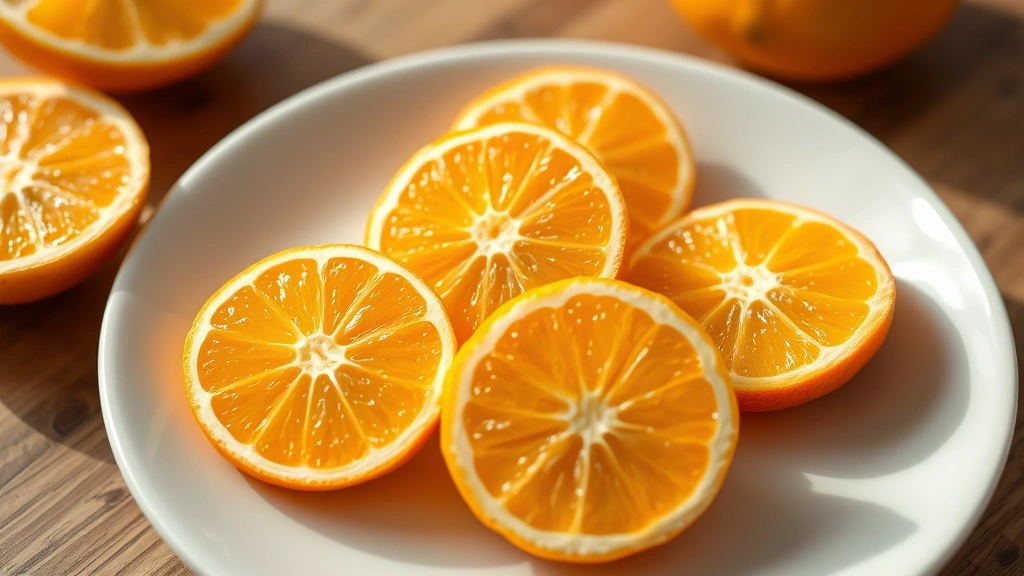
Are Orange Cuties Healthy? Diet Expert Insight on This Popular Citrus Variety
Orange Cuties have become a staple in grocery stores across North America, marketed as convenient, seedless citrus fruits with a distinctive bright orange hue and petite size. But beneath the marketing appeal lies an important question: are these fruits genuinely nutritious, or are they simply a trendy snack? As a diet expert, I’ve analyzed the nutritional profile of Orange Cuties alongside current dietary science to provide you with evidence-based insights that go beyond the flashy packaging.
The popularity of Orange Cuties reflects a broader shift in consumer preferences toward convenient, portion-controlled foods. However, convenience doesn’t always equate to superior nutrition. This comprehensive guide examines the actual health benefits, potential drawbacks, and how Orange Cuties fit into a balanced diet strategy. Whether you’re a parent selecting snacks for your children, an athlete optimizing recovery nutrition, or simply someone interested in making informed food choices, understanding the true nutritional value of Orange Cuties is essential.
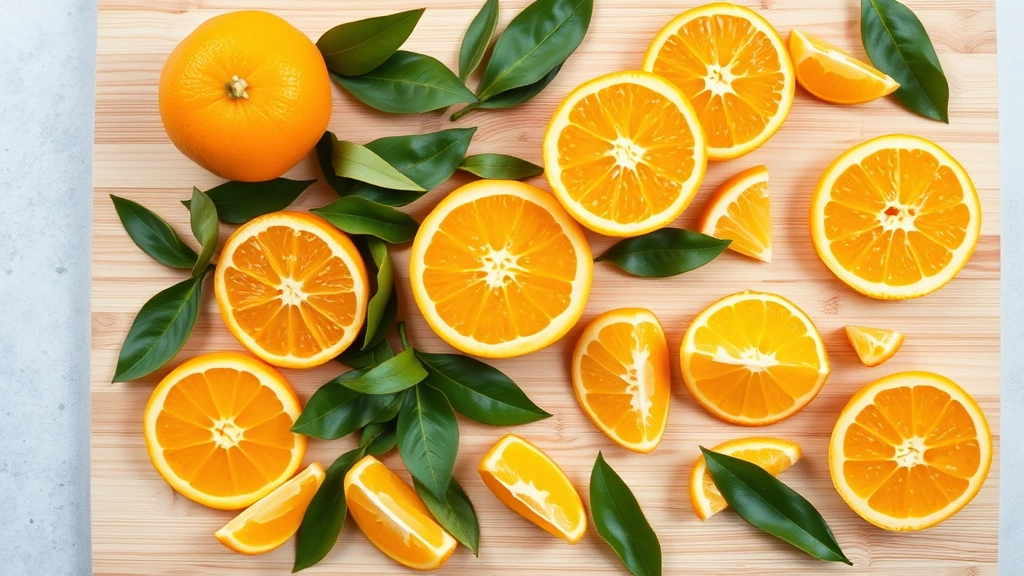
What Are Orange Cuties and Where Do They Come From
Orange Cuties are a branded variety of mandarin oranges, specifically a cultivar that emerged from commercial citrus breeding programs designed to create seedless, easy-to-peel fruits with consistent sweetness. The trademark belongs to Wonderful Citrus, a major California-based producer that markets these fruits under the Cuties brand alongside Clementines and other citrus varieties. The distinctive small size, typically 2-3 inches in diameter, makes them visually appealing and portion-controlled for modern consumers.
The breeding lineage of Orange Cuties traces back to mandarin hybrids that combine desirable traits from multiple citrus species. The development process prioritized seedless characteristics, thin skin for easy peeling, and consistent sugar levels to create a product that appeals to both children and adults. This agricultural innovation represents decades of horticultural research focused on consumer preferences rather than purely nutritional optimization.
Understanding the origin of Orange Cuties matters because it contextualizes their nutritional profile within commercial agriculture’s priorities. While the breeding process successfully created a convenient fruit, it’s worth examining whether this convenience translates into genuine health advantages compared to other citrus options you might select from your local produce section.
Complete Nutritional Breakdown of Orange Cuties
One medium Orange Cutie (approximately 88 grams) contains approximately 47 calories, making it an extremely low-calorie food option suitable for virtually any dietary approach. The macronutrient composition breaks down as follows: roughly 12 grams of carbohydrates, 0.7 grams of protein, and negligible fat content. This macronutrient profile aligns with expectations for citrus fruits, which are predominantly carbohydrate-based foods with minimal protein and fat.
The micronutrient density of Orange Cuties reveals where their nutritional value concentrates. A single fruit provides approximately 60% of the daily recommended vitamin C intake, along with measurable quantities of folate, potassium, and calcium. These micronutrients play critical roles in immune function, cellular energy production, and bone health. The potassium content, typically around 166 mg per fruit, contributes to cardiovascular health and electrolyte balance—particularly relevant for individuals engaged in regular exercise or post-workout recovery strategies.
The fiber content of Orange Cuties measures approximately 2.3 grams per medium fruit, representing about 9% of the daily recommended intake. This soluble and insoluble fiber combination supports digestive function, helps regulate blood sugar response, and contributes to satiety—the feeling of fullness that influences eating behavior throughout the day.
Vitamin C Content and Immune System Benefits
Vitamin C stands as the nutritional superstar of Orange Cuties, with each fruit providing substantial quantities of this essential micronutrient. The ascorbic acid concentration in Orange Cuties supports multiple physiological systems, most notably immune defense mechanisms. Research published in peer-reviewed nutrition journals demonstrates that adequate vitamin C intake enhances neutrophil function, the primary immune cells responsible for pathogen elimination.
Beyond immune support, vitamin C functions as a potent antioxidant that protects cellular structures from oxidative damage caused by free radicals. This protective mechanism becomes particularly important for individuals following intensive nutrition for building muscle mass protocols, where intense exercise generates elevated oxidative stress. Regular Orange Cutie consumption contributes to total daily antioxidant intake, supporting recovery processes and reducing exercise-induced inflammation.
Vitamin C also facilitates collagen synthesis, the primary structural protein in connective tissues, skin, and bones. For athletes and active individuals, this collagen-supporting benefit enhances tissue repair mechanisms following training sessions. The bioavailability of vitamin C from whole fruit sources like Orange Cuties exceeds that of synthetic supplements, as natural fruit matrices contain complementary compounds that enhance absorption efficiency.
Fiber, Digestive Health, and Metabolic Impact
The dietary fiber in Orange Cuties exerts measurable effects on digestive health and metabolic function. The soluble fiber fraction, particularly pectin, dissolves in the digestive tract and forms viscous compounds that slow gastric emptying. This slower digestion rate produces several beneficial outcomes: sustained energy release, improved blood sugar stability, and enhanced satiety signals to the brain.
Insoluble fiber components pass through the digestive system largely unchanged, providing mechanical stimulation that promotes regular bowel movements and supports a healthy microbiome. The bacterial community in your gut ferments fiber, producing short-chain fatty acids like butyrate that nourish intestinal cells and reduce inflammation. This prebiotic effect makes Orange Cuties particularly valuable for individuals focused on comprehensive healthy nutrition planning that addresses digestive wellness.
From a metabolic perspective, the fiber-to-calorie ratio in Orange Cuties is excellent. The 2.3 grams of fiber per 47-calorie serving means you receive substantial digestive benefits with minimal caloric contribution. This efficiency makes Orange Cuties an ideal choice for individuals managing weight or optimizing body composition, as the satiety benefits arrive without significant energy expenditure.
Sugar Content and Glycemic Considerations
The natural sugar content of Orange Cuties represents the primary nutritional consideration for certain populations. Each medium fruit contains approximately 9 grams of sugar, primarily in the form of fructose and glucose. For individuals without metabolic disorders, this sugar quantity poses minimal concern, particularly given the accompanying fiber that moderates blood sugar response.
The glycemic index of Orange Cuties measures approximately 42, classified as low glycemic impact. This means consuming an Orange Cutie produces a gradual, sustained rise in blood glucose rather than the sharp spike associated with refined carbohydrates or sugary beverages. The combination of natural fruit sugars with fiber creates an optimal scenario for metabolic stability.
However, individuals managing diabetes or following strict ketogenic protocols should account for Orange Cutie carbohydrates in their daily macronutrient calculations. The 12 grams of total carbohydrates per fruit represents a meaningful contribution to daily carbohydrate limits, particularly for those targeting under 50 grams daily. For most individuals following standard balanced nutrition approaches, Orange Cuties fit seamlessly into recommended fruit servings without metabolic disruption.
Antioxidants and Bioactive Compounds
Beyond vitamin C, Orange Cuties contain diverse phytochemical compounds that contribute to their nutritional value. Flavonoids, particularly hesperidin and naringin, comprise bioactive molecules with anti-inflammatory and antioxidant properties documented in nutritional science literature. These compounds protect cellular structures and may reduce chronic disease risk through multiple mechanisms.
Limonene, a terpene compound abundant in citrus peel and flesh, exhibits potential anticancer properties according to research in nutritional biochemistry journals. While whole-fruit consumption provides lower limonene concentrations than peel extracts, regular Orange Cutie intake contributes to cumulative phytochemical exposure that supports long-term health outcomes.
The synergistic interaction between multiple phytochemicals in whole Orange Cuties produces greater biological activity than isolated compounds in supplement form. This food synergy principle—where whole foods provide superior benefits compared to isolated nutrients—underscores why consuming Orange Cuties as whole fruits outperforms vitamin C supplements for comprehensive nutritional support.
How Orange Cuties Compare to Other Citrus Fruits
Comparative analysis reveals that Orange Cuties occupy a middle position within the citrus nutritional spectrum. Compared to larger navel oranges, Orange Cuties provide similar micronutrient density but smaller absolute quantities due to reduced fruit size. One medium navel orange (approximately 154 grams) delivers roughly 85 calories and more substantial fiber and potassium content than a single Orange Cutie.
When compared to grapefruits, Orange Cuties contain marginally less vitamin C but significantly less naringin, a compound that interferes with medication metabolism in certain individuals. This makes Orange Cuties safer for people taking specific pharmaceuticals. Compared to lemons and limes, Orange Cuties provide superior overall nutrition due to larger edible portions and more balanced micronutrient profiles.
Clementines, the primary competitor to Orange Cuties in the branded mandarin market, offer virtually identical nutritional profiles with slight variations in sugar content and acid levels. The choice between these varieties depends more on taste preference and availability than nutritional differentiation. Both represent excellent citrus options within a balanced dietary framework.
Integration into Muscle Building and Recovery Plans
Athletes and individuals engaged in resistance training can strategically incorporate Orange Cuties into protein intake and muscle building protocols. The carbohydrate content, while modest in absolute terms, provides glucose for glycogen replenishment following training sessions. This carbohydrate contribution becomes more significant when consumed as part of a structured post-workout meal.
The potassium in Orange Cuties supports electrolyte balance and muscle function, particularly valuable for individuals engaged in high-volume training or endurance activities. The vitamin C content accelerates collagen synthesis, enhancing connective tissue repair and reducing injury risk during intensive training blocks. For athletes recovering from training-induced muscle damage, Orange Cuties provide a low-calorie, nutrient-dense option that supports adaptation processes without excessive energy contribution.
The practical advantage of Orange Cuties for athletic populations extends to convenience and portability. The pre-portioned size and easy-peel characteristic make them ideal for immediate post-workout consumption without requiring preparation. Athletes can consume an Orange Cutie immediately after training, then follow with a protein-containing meal within the subsequent 60-90 minutes for optimal muscle protein synthesis stimulation.
Practical Tips for Maximizing Orange Cutie Benefits
To maximize nutritional value from Orange Cutie consumption, select fruits with firm skin and vibrant orange coloration, indicating proper ripeness and nutrient density. Store Orange Cuties at room temperature for 3-4 days to preserve vitamin C content, as refrigeration can gradually reduce ascorbic acid concentration. For extended storage, refrigeration remains acceptable but should be limited to 2-3 weeks maximum.
Consume the white pith layer immediately beneath the peel rather than removing it entirely. This pith contains substantial fiber and flavonoid compounds that contribute meaningfully to overall nutritional benefit. The slightly bitter taste of pith blends seamlessly with the sweet fruit flesh, particularly when consuming whole fruit rather than isolating juice.
Incorporate Orange Cuties strategically throughout the day rather than consuming multiple fruits in single sittings. This distribution approach provides sustained micronutrient availability and prevents excessive fructose concentration in a single meal, optimizing glycemic response. Pair Orange Cuties with protein-containing foods—nuts, yogurt, cheese—to further moderate blood sugar response and enhance satiety.
For individuals prioritizing comprehensive nutrition and mental health benefits, consistent Orange Cutie consumption supports cognitive function through improved blood flow and antioxidant protection. The regular inclusion of these fruits in daily nutrition patterns contributes to long-term health outcomes that extend beyond isolated nutritional metrics.
FAQ
Are Orange Cuties suitable for children?
Yes, Orange Cuties represent an excellent fruit choice for children. The small size aligns with age-appropriate portion recommendations, the easy-peel characteristic accommodates developing motor skills, and the natural sweetness typically appeals to young palates. The vitamin C content supports immune function during critical developmental periods. Parents should monitor intake to ensure it remains within recommended daily fruit servings (typically 1-2 cups for children ages 4-8).
Can Orange Cuties fit into a weight loss diet?
Absolutely. At 47 calories per fruit with 2.3 grams of fiber, Orange Cuties provide excellent satiety value relative to caloric contribution. The natural sweetness satisfies sugar cravings without refined carbohydrate consumption. However, portion control remains important—consuming multiple fruits daily could contribute meaningful calories to restricted intake levels. One to two Orange Cuties daily fits seamlessly into most weight loss protocols.
How do Orange Cuties affect blood sugar levels?
Orange Cuties produce minimal blood sugar disruption due to their low glycemic index (approximately 42) and fiber content. The natural fruit sugars combined with soluble fiber create gradual glucose absorption, preventing rapid blood sugar spikes. Individuals with diabetes should track carbohydrate intake but can safely consume Orange Cuties as part of balanced meal planning.
Are there any populations that should limit Orange Cutie consumption?
Individuals taking certain medications that interact with citrus compounds should consult healthcare providers before increasing Orange Cutie intake. Those with severe fructose malabsorption or hereditary fructose intolerance should avoid these fruits entirely. People with GERD or acid reflux may experience symptom exacerbation from citric acid content and should monitor individual tolerance.
What’s the best time to eat Orange Cuties?
Orange Cuties work well as standalone snacks between meals, as part of breakfast combinations with protein sources, or as post-workout carbohydrate sources following training sessions. Consuming them with meals containing fat or protein enhances nutrient absorption and glycemic stability. Avoid consuming immediately before sleep, as the natural fruit sugars may interfere with sleep quality in sensitive individuals.


