
Peanuts Nutrition Facts: What a Dietitian Wants You to Know
Peanuts are one of the most misunderstood foods in modern nutrition. Often relegated to the “guilty pleasure” category alongside junk food, these legumes actually pack an impressive nutritional punch that rivals many so-called superfoods. Whether you’re snacking on a handful of raw peanuts, spreading peanut butter on toast, or incorporating them into your favorite recipes, understanding the true nutritional profile of peanuts can help you make informed dietary choices that support your health goals.
As a registered dietitian, I’ve spent years helping clients navigate food myths and discover the real nutritional value hiding in everyday foods. Peanuts consistently emerge as one of the most nutrient-dense options available at any grocery store. The key lies in understanding not just what nutrients peanuts contain, but how they work synergistically within your body to promote sustained energy, heart health, and metabolic function. This comprehensive guide breaks down everything you need to know about peanut nutrition.
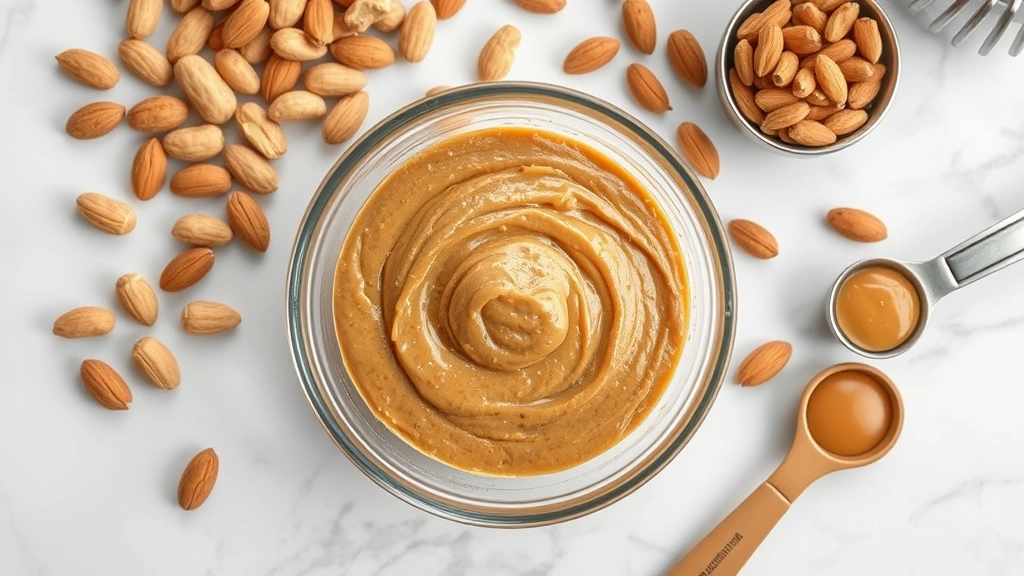
Complete Nutritional Breakdown of Peanuts
One ounce of raw peanuts (approximately 23 peanuts or 28 grams) contains roughly 161 calories, making them a calorie-dense food that delivers substantial nutritional value in a small serving size. This caloric density is actually a feature, not a bug—the calories come packed with beneficial compounds that your body actively uses for energy production, hormone synthesis, and cellular repair.
The macronutrient breakdown reveals why peanuts have earned their reputation as a nutritional powerhouse. That single ounce serving provides approximately 7 grams of protein, 14 grams of fat (mostly unsaturated), and 6 grams of carbohydrates, including 2.5 grams of dietary fiber. This macronutrient ratio creates a perfectly balanced snack that provides sustained satiety and stable blood sugar levels—far superior to refined carbohydrate snacks that cause energy crashes.
What makes peanuts particularly special is their micronutrient density. They contain meaningful amounts of vitamin E, magnesium, phosphorus, potassium, zinc, and copper. Additionally, peanuts provide phytonutrients including resveratrol (the same compound found in red wine), p-coumaric acid, and various polyphenols that function as antioxidants throughout your body. When you explore the benefits of nuts and seeds, peanuts consistently rank among the most nutrient-dense options available.
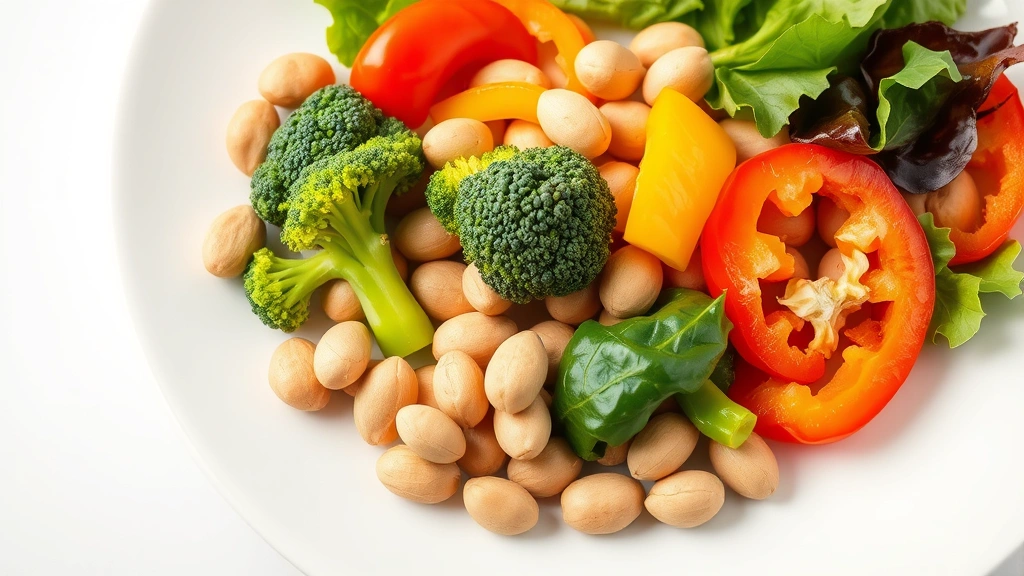
Protein and Amino Acid Profile
Peanuts contain all nine essential amino acids, though they’re not as abundant in methionine as some other protein sources. This complete amino acid profile means peanuts can contribute meaningfully to your daily protein requirements, particularly for individuals following plant-based diets. The 7 grams of protein per ounce might seem modest compared to chicken or fish, but when you consider peanuts as part of a varied diet, their contribution becomes significant.
The quality of peanut protein extends beyond amino acid composition. Research indicates that peanut protein has a biological value of approximately 74, meaning your body efficiently utilizes the protein you consume. For those seeking to maintain muscle mass, support recovery after exercise, or simply meet daily protein requirements, incorporating peanuts into your healthy nutrition plan provides a practical, affordable strategy.
The protein in peanuts also contains arginine, an amino acid that plays crucial roles in vascular function and immune system support. This particular amino acid becomes increasingly important as we age, making peanuts an excellent addition to aging-focused nutritional strategies. The combination of complete protein and arginine content makes peanuts particularly valuable for older adults concerned with maintaining muscle mass and cardiovascular function.
Healthy Fats and Heart Health
Perhaps the most significant nutritional advantage of peanuts lies in their fat composition. Approximately 80% of the fat content in peanuts comes from unsaturated fats, with roughly 50% being monounsaturated and 30% polyunsaturated. These are the same types of fats celebrated in Mediterranean diets and associated with reduced cardiovascular disease risk.
The monounsaturated fat content primarily consists of oleic acid, the same compound found abundantly in olive oil. This fat supports healthy cholesterol levels, reduces inflammation throughout the body, and provides substrates for hormone production. When research examines populations with the lowest rates of heart disease, monounsaturated fat consumption consistently emerges as a protective factor.
Polyunsaturated fats in peanuts include both omega-6 and omega-3 fatty acids, though peanuts contain higher amounts of omega-6. This ratio matters less than many people believe, particularly when you maintain adequate omega-3 consumption from other sources like fatty fish or flaxseeds. The linoleic acid (omega-6) in peanuts actually supports skin health, reduces inflammation, and plays essential roles in brain function.
The saturated fat content in peanuts comprises only about 16% of total fat—a modest amount that research no longer associates with increased cardiovascular disease risk when consumed as part of a balanced diet. Multiple large-scale studies have demonstrated that regular peanut consumption correlates with improved cholesterol profiles and reduced cardiovascular event risk. This evidence directly contradicts outdated dietary guidance that discouraged peanut consumption.
Vitamins and Minerals in Peanuts
Peanuts deliver impressive quantities of several essential micronutrients that many people consume in insufficient amounts. Vitamin E, a fat-soluble antioxidant crucial for protecting cell membranes from oxidative damage, appears in meaningful concentrations. A single ounce of peanuts provides approximately 45% of the daily value for vitamin E, making them one of the better plant-based sources of this nutrient.
Magnesium content in peanuts deserves special attention. This mineral participates in over 300 biochemical reactions in your body, yet surveys consistently show that a significant portion of the population fails to meet daily magnesium requirements. Peanuts provide approximately 50 mg of magnesium per ounce, contributing meaningfully toward the 310-420 mg daily recommendation depending on age and sex. Adequate magnesium supports muscle function, energy production, stress response, and sleep quality.
The phosphorus content in peanuts works synergistically with magnesium and calcium to support bone health and energy metabolism. Additionally, peanuts contain niacin (vitamin B3), which supports DNA repair and energy production, and folate, a B vitamin particularly important for cellular division and DNA synthesis. These B vitamins contribute to the energy-extracting functions that make peanuts such an effective snack for combating afternoon fatigue.
Copper and zinc, two trace minerals often overlooked in nutritional discussions, appear in meaningful amounts in peanuts. Copper supports iron absorption and collagen synthesis, while zinc participates in immune function, wound healing, and protein synthesis. The mineral density of peanuts becomes even more impressive when you consider that these micronutrients work together synergistically to support multiple body systems simultaneously.
Fiber Content and Digestive Benefits
The 2.5 grams of dietary fiber in each ounce of peanuts might seem modest, but this fiber plays substantial roles in digestive health and metabolic function. Peanut fiber includes both soluble and insoluble varieties, each serving distinct purposes. Insoluble fiber supports regular bowel movements and feeds beneficial bacteria in your colon, while soluble fiber slows digestion and supports stable blood sugar levels.
This fiber content becomes particularly important when considering peanuts’ role in satiety and weight management. The combination of fiber, protein, and fat creates a food that triggers powerful satiety signals, meaning you feel satisfied with smaller portions compared to refined carbohydrate snacks. Research examining snacking patterns demonstrates that individuals who consume nuts and peanuts as snacks tend to eat fewer total calories throughout the day compared to those consuming low-fat, high-carbohydrate snacks.
The fiber in peanuts also serves as prebiotic material, meaning it feeds beneficial bacteria in your gut microbiome. A healthy microbiome influences everything from immune function to mental health. By exploring how nutrition and mental health connect, researchers continue discovering that gut health significantly impacts mood, anxiety levels, and cognitive function. Peanut fiber contributes to this gut-health foundation.
Peanuts vs Other Nuts and Seeds
While peanuts are technically legumes rather than true nuts, they deserve comparison with tree nuts and seeds to understand their relative nutritional value. Almonds contain slightly more fiber (3.5 grams per ounce) and calcium compared to peanuts, while walnuts provide superior omega-3 fatty acid content. However, peanuts offer comparable or superior protein content, with 7 grams per ounce matching or exceeding most tree nuts.
Sunflower seeds provide slightly more vitamin E than peanuts, while pumpkin seeds excel in zinc content. Cashews offer more copper, and Brazil nuts provide extraordinary selenium amounts. The takeaway? No single nut or seed provides optimal amounts of every nutrient. A varied approach incorporating peanuts alongside other nuts and seeds ensures comprehensive micronutrient coverage.
When examining cost-effectiveness, peanuts emerge as the clear winner. They typically cost significantly less than almonds, walnuts, or specialty seeds, making them accessible to broader populations. This affordability factor shouldn’t be underestimated—a nutritious food that people can actually afford to purchase consistently provides greater real-world health benefits than expensive superfoods consumed sporadically.
The versatility of peanuts also exceeds that of most other nuts. You can consume them raw, roasted, as butter, as flour, or incorporated into countless recipes. This culinary flexibility means peanuts integrate more easily into varied dietary patterns, increasing the likelihood of consistent consumption and sustained health benefits.
Raw vs Roasted: Which is Better
The debate between raw and roasted peanuts generates considerable confusion. Raw peanuts retain all heat-sensitive nutrients and contain slightly more of certain compounds like resveratrol. However, roasting doesn’t substantially diminish the nutritional profile—most vitamins and minerals remain stable at roasting temperatures. The primary difference lies in minor compound variations and digestibility.
Raw peanuts contain enzyme inhibitors and phytic acid, compounds that can reduce mineral absorption. Roasting inactivates these compounds, potentially improving nutrient bioavailability. For individuals with sensitive digestive systems, roasted peanuts may prove easier to digest. The heat treatment also enhances certain flavor compounds, explaining why most people prefer roasted peanuts’ taste.
From a practical standpoint, roasted peanuts without added salt or oil provide nearly identical nutritional benefits to raw peanuts. The key consideration involves avoiding heavily salted varieties and peanuts roasted in hydrogenated oils. Read ingredient labels carefully—quality roasted peanuts should list only peanuts and perhaps salt, nothing more.
Some research suggests that roasting may increase certain antioxidant compounds through the Maillard reaction, a chemical process that creates beneficial compounds during heating. This means roasted peanuts might actually offer slight antioxidant advantages over raw varieties. The practical recommendation: choose whichever form you’ll actually consume consistently, as the small nutritional differences pale in comparison to the benefits of regular consumption.
Peanut Butter Nutrition Considerations
Peanut butter represents one of the most convenient ways to incorporate peanuts into your diet, though important considerations apply. Two tablespoons of natural peanut butter (approximately 32 grams) contain roughly 190 calories and 7 grams of protein, along with most of the micronutrients found in whole peanuts. The primary difference involves processing and added ingredients.
Natural peanut butter contains nothing but ground peanuts and often salt. Conventional peanut butter brands add hydrogenated oils (for spreadability and shelf stability) and added sugars. These additions transform peanut butter from a health-promoting food into a product with questionable nutritional value. Always read labels and choose varieties listing only peanuts and salt as ingredients.
The added oils in conventional peanut butter warrant particular attention. Hydrogenated oils contain trans fats, compounds associated with increased cardiovascular disease risk. While regulatory changes have reduced trans fat content in many products, they haven’t been entirely eliminated. Choosing natural varieties avoids this concern entirely while providing superior nutritional value.
Added sugars in conventional peanut butter present another concern. Many popular brands add 4-6 grams of sugar per serving, transforming a nutrient-dense food into a calorie-dense sweet treat. When you understand how to improve nutrient absorption, you recognize that consuming peanut butter alongside complex carbohydrates and vegetables maximizes its nutritional benefits while minimizing blood sugar impact.
The oil separation in natural peanut butter, often viewed as a drawback, actually indicates product purity. Stir the oil back in or pour it off depending on preference—either way, you’re consuming an authentic peanut product without unnecessary additives. Some people prefer powdered peanut butter, which removes most fat and reduces calories while maintaining protein content, though it sacrifices some of the beneficial monounsaturated fats.
Daily Serving Recommendations
For most healthy adults, consuming one to two ounces of peanuts daily represents an appropriate intake that provides nutritional benefits without excessive calorie consumption. This translates to approximately 23-46 peanuts or two to four tablespoons of natural peanut butter. This amount provides substantial protein, healthy fats, and micronutrients while remaining within reasonable caloric parameters for weight management.
Individuals with specific health conditions may benefit from different recommendations. Those managing cardiovascular disease should maintain peanut consumption within their overall fat budget, though research supports regular peanut consumption even for heart disease patients. People with diabetes can incorporate peanuts due to their low glycemic impact, though portion control remains important given their caloric density.
For weight loss purposes, peanuts can actually support your goals despite their caloric density. The satiety they provide means you eat less overall, and the protein and fiber support metabolic function. Studies examining nut consumption and weight management consistently show that regular consumers maintain healthier weights than those avoiding nuts due to calorie concerns.
Athletes and highly active individuals might benefit from slightly higher peanut consumption to support protein needs and provide sustained energy. The carbohydrate-protein-fat combination makes peanuts particularly useful for post-workout nutrition when combined with other foods. For general populations, starting with one ounce daily and adjusting based on hunger cues and health goals provides a practical approach.
Individuals with peanut allergies obviously require complete avoidance. Those with tree nut allergies can typically consume peanuts safely, as peanut allergies represent a distinct immune response. However, always consult healthcare providers before introducing peanuts if you have any nut allergies. For those without allergies, peanuts represent a practical, affordable, nutrient-dense food worthy of regular consumption.
Visit the Nutrients Pathway Blog for additional nutrition information and evidence-based dietary guidance. Understanding food nutrition empowers you to make choices supporting long-term health and wellness.
FAQ
Are peanuts truly nuts or legumes?
Peanuts are legumes, botanically similar to beans and lentils rather than tree nuts. They grow underground in pods, a characteristic distinguishing them from tree nuts. This distinction matters for individuals with tree nut allergies, who typically tolerate peanuts without issue. However, some people experience allergic reactions to peanuts specifically, requiring complete avoidance.
Do peanuts cause weight gain?
Despite their caloric density, peanuts don’t inherently cause weight gain when consumed in appropriate portions. The protein, fiber, and healthy fats in peanuts create powerful satiety signals, meaning you feel satisfied with smaller portions. Research consistently demonstrates that regular peanut consumers maintain healthier weights than those avoiding nuts due to calorie concerns. Portion control remains important, but peanuts can support rather than hinder weight management goals.
How do peanuts affect cholesterol levels?
Multiple large-scale studies demonstrate that regular peanut consumption correlates with improved cholesterol profiles. The monounsaturated fats in peanuts support healthy LDL cholesterol levels while maintaining beneficial HDL cholesterol. The plant compounds and fiber in peanuts also contribute to cholesterol management. For most people, peanuts represent a heart-healthy food choice supported by substantial scientific evidence.
Can peanuts fit into a diabetic diet?
Yes, peanuts work well for blood sugar management due to their low glycemic index and meaningful fiber content. The protein and fat slow digestion, preventing rapid blood sugar spikes. Portion control remains important given caloric density, but unsweetened peanuts and natural peanut butter represent appropriate choices for diabetic meal planning. Avoid sweetened peanut products and pair peanuts with complex carbohydrates for optimal blood sugar control.
What’s the difference between blanched and skin-on peanuts?
Blanched peanuts have had their reddish-brown skin removed, while skin-on varieties retain this nutrient-rich covering. The peanut skin contains concentrated antioxidants, particularly resveratrol. Nutritionally, skin-on peanuts provide slightly superior antioxidant content. The choice largely depends on personal preference and intended use—blanched peanuts work better in recipes requiring smooth texture, while skin-on varieties suit snacking and provide maximum nutritional value.
Are peanuts safe during pregnancy?
Yes, peanuts are safe during pregnancy and can contribute meaningfully to prenatal nutrition. The protein, folate, and other micronutrients in peanuts support fetal development. The old recommendation to avoid peanuts during pregnancy to prevent allergies in offspring lacks scientific support. Current evidence suggests early exposure to peanuts may actually reduce allergy development risk. Pregnant individuals can safely consume peanuts unless they personally have peanut allergies.


