Portillo’s Menu: Dietitian’s Nutrition Breakdown
Portillo’s has become a beloved fast-casual destination for Chicago-style Italian beef, charbroiled burgers, and indulgent sides. With over 60 locations across multiple states, this restaurant chain attracts millions of customers annually seeking comfort food classics. However, understanding the nutritional impact of menu items is crucial for making informed dietary choices, especially if you’re following a healthy nutrition plan.
As a registered dietitian, I’ve analyzed Portillo’s complete nutrition database to provide you with evidence-based guidance on their offerings. This comprehensive breakdown examines caloric content, macronutrient distribution, sodium levels, and nutritional value across various menu categories. Whether you’re a frequent visitor or occasional indulger, understanding what you’re consuming empowers better decision-making and helps you balance treats within your overall dietary framework.

Italian Beef Sandwiches: Calories and Sodium Reality
Portillo’s signature Italian beef sandwiches represent the core of their menu identity, yet they demand careful nutritional scrutiny. The Classic Italian Beef sandwich contains approximately 450-500 calories, with the majority deriving from the seasoned beef and bread combination. However, the real concern lies in sodium content—a single sandwich often exceeds 1,200 mg of sodium, representing nearly 50% of the recommended daily intake for most adults.
The beef itself is typically lean and well-trimmed, providing substantial protein (around 25-30 grams per sandwich). This makes Italian beef appealing from a macronutrient perspective, particularly for individuals focused on nutrition for athletes optimizing performance. However, the seasoning process and gravy preparation contribute significantly to sodium levels.
When ordering Italian beef, requesting “dry” preparation (with gravy on the side) can reduce sodium by 200-300 mg. Adding peppers and onions provides minimal calories while increasing fiber content and micronutrient density. The sweet peppers contain vitamin C and beneficial plant compounds, though the cooking process diminishes some nutritional value.
Combo versions that include fries and drinks should be avoided by sodium-conscious consumers. A typical combo meal pushes total sodium to 2,000+ mg in a single sitting, which is problematic for individuals managing hypertension or following DASH diet protocols. Research from the National Heart, Lung, and Blood Institute emphasizes sodium reduction as critical for cardiovascular health, making menu modifications essential.
Charbroiled Burgers: Protein Powerhouses with Caveats
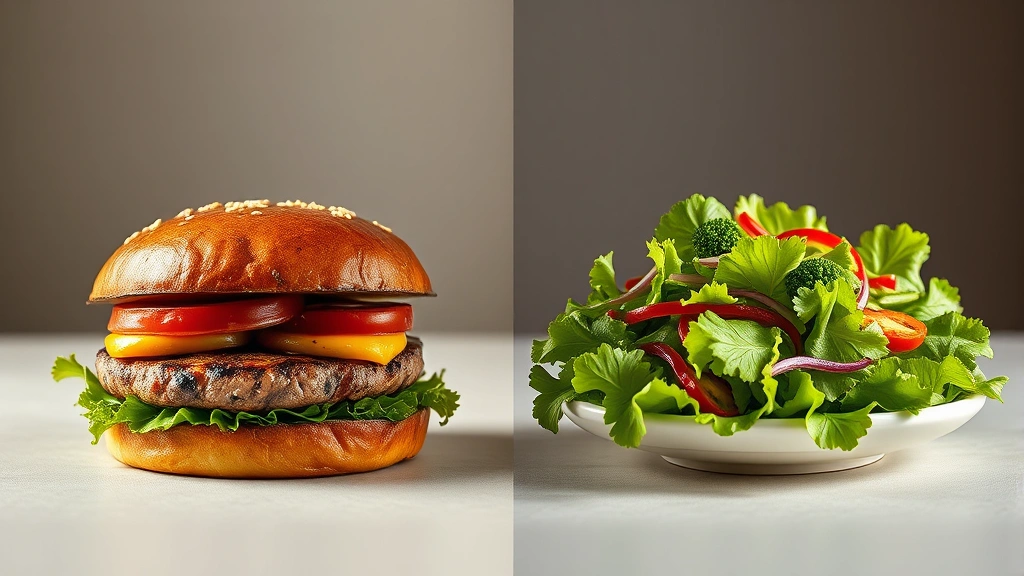
Portillo’s charbroiled burgers offer excellent protein content, making them nutritionally interesting despite their caloric density. A basic charbroiled burger provides 35-40 grams of protein with approximately 600-700 calories. The charbroiling method adds minimal additional fat compared to standard griddled preparation, and the natural browning creates beneficial compounds through the Maillard reaction.
The single charbroiled burger contains roughly 35-40 grams of protein, making it suitable for muscle recovery and satiety. However, sodium content remains elevated at 800-1,000 mg per burger. The cheese option adds approximately 100 calories and 200 mg of additional sodium, plus roughly 7 grams of saturated fat.
Double and triple burger options exponentially increase caloric and fat intake. A double charbroiled burger approaches 1,000+ calories with 70+ grams of fat, including 25+ grams of saturated fat. While these options provide substantial protein (70+ grams), they represent nearly 50% of daily caloric needs for many individuals in a single menu item.
Customization significantly impacts nutritional value. Removing the mayo-based sauces reduces calories by 100-150 and fat by 10-12 grams. Substituting standard buns with lettuce wraps (if available) reduces carbohydrates by 25-30 grams and calories by 120-150. Adding tomatoes, onions, and pickles increases micronutrient density without substantial caloric cost.
Chicken Options: Leaner Alternatives
Portillo’s chicken offerings represent the leanest protein options available on their menu. The charbroiled chicken sandwich provides approximately 400-450 calories with 35-40 grams of protein and only 8-10 grams of fat. This favorable protein-to-calorie ratio makes chicken sandwiches ideal for individuals prioritizing weight management while maintaining muscle mass.
The chicken breast is typically seasoned simply, allowing the natural flavor to shine without excessive sodium. A plain charbroiled chicken sandwich contains approximately 600-700 mg of sodium—notably lower than beef alternatives. Adding sauce, cheese, or bacon modifications increases calories and sodium proportionally.
Chicken tenders provide another viable option, though breading adds carbohydrates and fat compared to the sandwich version. A typical serving of 3-4 tenders contains 350-400 calories with moderate protein (25-30 grams). The breading contributes approximately 15-18 grams of fat, with saturated fat content around 3-4 grams.
Pairing chicken sandwiches with vegetable-based sides creates nutritionally balanced meals. The combination of lean protein, complex carbohydrates, and micronutrient-dense vegetables aligns with evidence-based nutrition recommendations. This approach is particularly relevant when considering the importance of dietary fiber for your health, as whole grain buns and vegetable additions support digestive function.
Sides and Accompaniments: Hidden Calorie Culprits
Portillo’s sides represent a significant source of hidden calories that dramatically impact overall meal nutrition. French fries, a standard accompaniment, contain 400-450 calories per regular serving with minimal nutritional value beyond carbohydrates. The deep-frying process introduces 18-20 grams of fat, primarily from refined vegetable oils.
Cheese fries elevate caloric content to 600+ calories with additional saturated fat from cheese sauce. This single side dish exceeds the caloric content of many entrées while providing minimal protein, fiber, or micronutrients. The cheese sauce adds sodium (often 400-600 mg) and refined carbohydrates without corresponding nutritional benefit.
Onion rings present similar concerns, with regular servings containing 350-400 calories and 16-18 grams of fat. The breading-to-vegetable ratio is unfavorable from a nutritional perspective, as much of the caloric content derives from fried batter rather than the minimal onion component.
Mozzarella cheese sticks, while protein-rich (providing 6-8 grams per stick), are heavily breaded and fried. Three sticks contain 250-300 calories with 12-15 grams of fat. The protein content is valuable, but the preparation method significantly increases fat and caloric density compared to unbreaded cheese.
Healthier side alternatives include salads (when available without heavy dressings) and fresh fruit options. Coleslaw provides vegetable content and some fiber, though traditional preparations often contain added sugars and creamy dressings. Requesting dressing on the side allows portion control and reduces caloric intake by 100-150 calories.
Salads and Vegetable-Based Choices
Portillo’s salad options provide crucial alternatives for individuals prioritizing vegetable consumption and micronutrient density. The grilled chicken salad typically contains 300-350 calories when prepared without heavy dressings, offering 30+ grams of protein alongside beneficial vegetables.
Fresh greens provide essential micronutrients including vitamins A, C, K, and folate, along with minerals like potassium and magnesium. The vegetable components contribute dietary fiber, supporting digestive health and sustained satiety. However, dressing selection dramatically impacts overall nutritional value—creamy dressings add 200-300 calories and 20+ grams of fat to otherwise nutritious salads.
Vinaigrette-based dressings represent superior choices, typically providing 100-150 calories per serving with predominantly unsaturated fats. Requesting dressing on the side enables portion control and prevents excessive caloric accumulation. A typical 2-tablespoon serving of vinaigrette adds reasonable calories while maintaining nutritional balance.
Adding protein to salads through grilled chicken, turkey, or beans increases satiety and supports muscle maintenance. However, cheese additions should be quantified—a typical serving adds 100-150 calories and 7-9 grams of saturated fat. Nuts and seeds provide healthy fats and micronutrients but are calorie-dense, with just one ounce contributing 150-200 calories.
Beverages: Sugar Content Breakdown
Portillo’s beverage offerings reveal significant hidden sugar and caloric content that frequently undermines otherwise reasonable meal choices. Regular soft drinks contain 140-180 calories per 12-ounce serving, virtually entirely from added sugars (35-45 grams). Consuming a single regular soda with a meal adds the caloric equivalent of an additional snack without providing satiety or nutritional value.
Sweet tea and lemonade present similar concerns, with 120-160 calories and 30-40 grams of added sugar per serving. These beverages spike blood glucose rapidly, triggering insulin responses that promote fat storage and subsequent energy crashes. The CDC emphasizes limiting added sugars to less than 10% of daily caloric intake, yet a single sweetened beverage often exceeds this recommendation.
Milkshakes represent extreme cases of beverage-based caloric excess, with standard servings containing 600-800 calories and 70-90 grams of sugar. A chocolate shake alone provides more calories than many complete meals, with negligible nutritional value beyond calcium and protein. These items should be reserved for occasional indulgences rather than routine accompaniments.
Coffee beverages vary widely depending on preparation. Black coffee or unsweetened coffee with minimal additions provides 5-10 calories with beneficial compounds including antioxidants and polyphenols. However, flavored syrups, sweetened cream, and whipped toppings dramatically increase caloric content to 300+ calories, transforming a healthy beverage into a dessert equivalent.
Water, unsweetened tea, and black coffee represent optimal choices for individuals prioritizing nutritional balance. These beverages provide hydration and satiety without caloric or sugar contributions. Selecting water as the standard beverage choice eliminates 140-800 calories from typical meal combinations, providing substantial nutritional impact over time.
Breakfast Items: Morning Nutrition Profile
Portillo’s breakfast offerings present mixed nutritional profiles requiring careful evaluation. Breakfast sandwiches typically contain 450-550 calories with moderate protein (15-20 grams) from eggs and meat components. However, caloric density derives significantly from buttered biscuits or croissants, which contribute refined carbohydrates and saturated fat.
Egg-based sandwiches with sausage or bacon provide protein for satiety, but the accompanying fats (15-20 grams per sandwich) represent substantial portions of daily saturated fat recommendations. A typical breakfast sandwich with hash browns approaches 800+ calories before beverage additions, exceeding appropriate breakfast portions for many individuals.
Oatmeal options, when available, provide superior nutritional value through whole grain carbohydrates and soluble fiber. A basic oatmeal serving contains 200-250 calories with 4-5 grams of fiber and modest protein (5-8 grams). Adding fruit increases micronutrient density and natural sweetness without excessive added sugars.
Pastries and donuts represent breakfast items with minimal nutritional value, typically containing 300-500 calories with 25-40 grams of sugar and little protein or fiber. These items provide rapid energy spikes followed by crashes, promoting overeating later in the day. Occasional consumption is acceptable, but routine pastry-based breakfasts undermine long-term health objectives.
Strategic Ordering: Building Balanced Meals
Creating nutritionally balanced Portillo’s meals requires strategic combination of menu items and thoughtful customization. The optimal approach involves selecting a lean protein entrée, vegetable-containing sides, and water or unsweetened beverage.
A sample balanced meal might include: grilled chicken sandwich (400 calories, 40g protein), side salad with vinaigrette dressing on the side (100 calories, 2g protein), and water. This combination provides approximately 500 calories with 42+ grams of protein, supporting satiety and stable blood glucose. The meal aligns with evidence-based nutrition principles and nutrition and mental health connections through sustained energy provision.
Alternative balanced approach: Charbroiled burger (single patty, no cheese), dry preparation with peppers and onions, vegetable-based side, water. This combination provides approximately 550-600 calories with 40+ grams of protein and beneficial micronutrients from vegetables. Requesting dry preparation significantly reduces sodium while maintaining satisfaction.
Modification strategies significantly impact nutritional outcomes. Removing mayo-based sauces, requesting dressings on the side, choosing grilled over fried preparations, and substituting sides with vegetable options collectively reduce caloric intake by 300-500 calories per meal. These modifications maintain satisfaction while supporting weight management and metabolic health.
Portion awareness represents another critical strategy. Sharing oversized items, consuming half a sandwich and saving remainder for later meals, or ordering from children’s menus (when appropriate) reduces caloric excess. Many Portillo’s items exceed appropriate single-sitting portions, making strategic division beneficial for long-term dietary adherence.
Frequency considerations matter substantially. Occasional Portillo’s consumption within balanced overall dietary patterns poses minimal health concerns. However, regular frequent visits (more than weekly) combined with minimal modifications accumulates significant sodium, saturated fat, and added sugar consumption. Individuals managing chronic conditions including hypertension, diabetes, or cardiovascular disease should limit frequency and prioritize modifications.
FAQ
What’s the lowest-calorie main item at Portillo’s?
The grilled chicken sandwich represents the lowest-calorie main entrée, typically containing 400-450 calories with excellent protein content (35-40 grams). This option supports weight management while providing substantial satiety through protein and moderate fiber from the bread.
How can I reduce sodium in Portillo’s meals?
Request items prepared without added salt or seasoning when possible, ask for gravies and sauces on the side, avoid combo meals that combine high-sodium items, choose grilled over fried preparations, and select vegetable-based sides instead of fried options. These modifications collectively reduce sodium by 300-500 mg per meal.
Are Portillo’s salads healthy?
Salads provide excellent vegetable content and micronutrients when prepared without heavy creamy dressings. Request vinaigrette dressings on the side, add grilled protein for satiety, and avoid excessive cheese and fried additions. A properly configured salad provides 300-400 calories with substantial nutritional value.
Which sides have the best nutrition profile?
Fresh fruit (when available), coleslaw without excessive dressing, and side salads provide superior nutritional value compared to fried options. These alternatives offer fiber, micronutrients, and lower caloric density than french fries, cheese fries, or onion rings.
How often is it safe to eat at Portillo’s?
Occasional consumption (1-2 times monthly) with strategic modifications fits within balanced dietary patterns for most individuals. Weekly consumption requires careful menu selection and portion control. Individuals managing sodium-sensitive conditions should limit frequency and prioritize modifications substantially.
What beverages should I choose?
Water, unsweetened tea, and black coffee represent optimal choices providing hydration without caloric or sugar contributions. These beverages maintain the nutritional integrity of otherwise reasonable meal selections and support long-term health objectives.