Red Potato Nutrition Facts: Dietitian Insight
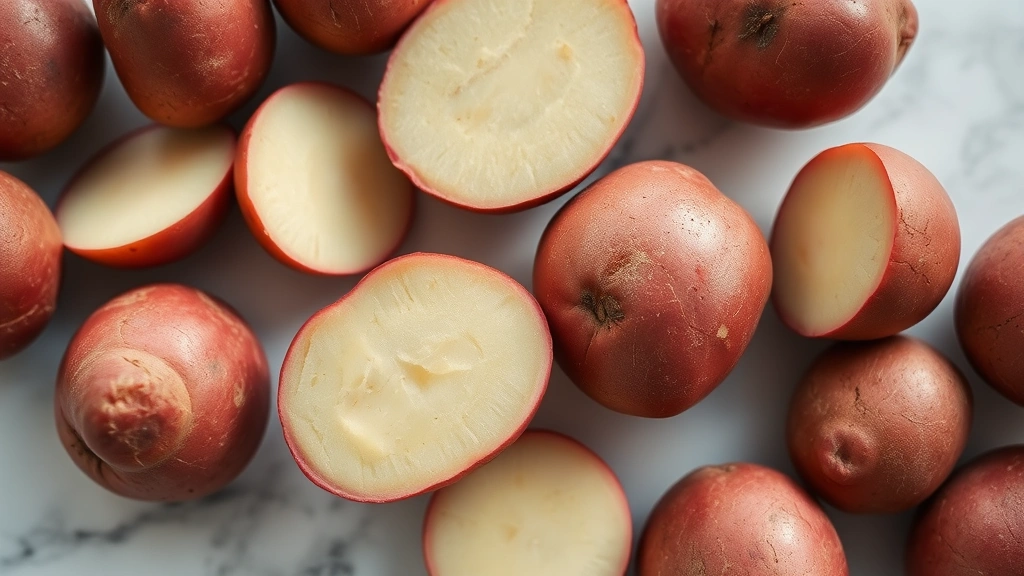
Red potatoes have emerged as a nutritional powerhouse often overlooked in favor of their starchy counterparts. These vibrant tubers, with their distinctive thin red skin and creamy yellow flesh, pack a surprising array of vitamins, minerals, and beneficial compounds that make them worthy of a prominent place in any health-conscious diet. Unlike the common misconception that all potatoes are nutritional villains, red potatoes offer a unique nutrient profile that supports energy metabolism, heart health, and digestive wellness when prepared thoughtfully.
The nutritional value of red potatoes extends far beyond simple carbohydrates. As a registered dietitian would emphasize, the key to unlocking their health benefits lies in understanding their complete nutrient composition and how they compare to other potato varieties. This comprehensive guide explores the science-backed nutrition facts of red potatoes, their health benefits, and practical ways to incorporate them into a balanced dietary approach.
Red Potato Nutrition Profile: What’s Inside
A medium-sized red potato (approximately 150 grams) with skin contains roughly 110 calories, making it a relatively low-calorie vegetable option. The macronutrient breakdown reveals 26 grams of carbohydrates, 2.1 grams of protein, and less than 0.1 grams of fat, with no cholesterol. This composition makes red potatoes an excellent choice for those seeking sustained energy without excessive caloric intake. The fiber content—approximately 1.5 grams per medium potato—contributes to digestive health, though the complete nutritional picture becomes even more compelling when examining the micronutrient density.
The skin of red potatoes deserves particular attention from a nutritional standpoint. Dietitians consistently recommend consuming red potatoes with their skin intact because this is where much of the fiber, potassium, and antioxidants concentrate. The thin, tender skin of red potatoes makes this recommendation practical, unlike thicker-skinned varieties that require peeling. When you consume a whole red potato with skin, you’re accessing a nutrient density that peeled versions simply cannot provide. Understanding this foundational nutritional knowledge helps inform better dietary choices.
According to research from the USDA nutrient database, red potatoes contain approximately 620 milligrams of potassium per medium potato, representing about 18% of the daily recommended value. This potassium content places red potatoes among the more mineral-rich vegetables available, rivaling even bananas in potassium concentration when compared on a caloric basis. The presence of this essential electrolyte supports cardiovascular function, muscle contraction, and fluid balance throughout the body.
Carbohydrates and Resistant Starch
The carbohydrate composition of red potatoes has evolved in scientific understanding over the past decade. While potatoes were once demonized as purely simple carbohydrates, contemporary nutrition science recognizes their capacity to form resistant starch—a type of carbohydrate that functions more like dietary fiber than traditional starch. This transformation occurs particularly when potatoes are cooked and then cooled, creating a starch structure that resists digestive breakdown in the small intestine and instead feeds beneficial bacteria in the colon.
Red potatoes develop resistant starch more readily than some other varieties due to their specific starch composition and amylose content. When cooled after cooking, a medium red potato can contain up to 3-4 grams of resistant starch, effectively doubling its fiber benefit. This has profound implications for blood sugar management and metabolic health. Studies published in nutrition journals demonstrate that meals containing cooled potatoes produce lower post-meal blood sugar spikes compared to hot potatoes, making them suitable for individuals managing diabetes or pursuing metabolic optimization.
The glycemic index (GI) of red potatoes ranks as moderate, typically falling between 56-69 depending on preparation method. When boiled and cooled, the GI decreases further. This contrasts sharply with mashed potatoes or fried potato products, which exhibit high glycemic indices due to processing and added fats. The preparation method fundamentally alters the nutritional profile, a concept explored in detail in the preparation methods section below.
Vitamins and Minerals in Red Potatoes
Red potatoes deliver an impressive spectrum of B vitamins essential for energy metabolism and nervous system function. A medium red potato provides approximately 10% of the daily recommended value for vitamin B6 (pyridoxine), which plays crucial roles in amino acid metabolism, neurotransmitter synthesis, and immune function. Additionally, red potatoes contain folate (B9), thiamine (B1), and niacin (B3), though in more modest quantities. These B vitamins work synergistically to convert dietary macronutrients into usable energy, supporting the metabolic processes that fuel daily activities.
Beyond potassium, red potatoes contain manganese, magnesium, and phosphorus in meaningful quantities. Manganese supports bone health, wound healing, and metabolic regulation, while magnesium contributes to muscle function, nervous system health, and energy production. The mineral profile of red potatoes, when considered holistically, supports multiple physiological systems simultaneously. This comprehensive micronutrient delivery system exemplifies why whole foods like red potatoes remain central to evidence-based nutrition recommendations, much like the principles discussed in our guide to healthy nutrition planning.
Vitamin C content in red potatoes reaches approximately 17% of daily recommended values per medium potato, providing antioxidant support and collagen synthesis assistance. While not as concentrated as citrus fruits, this contribution to daily vitamin C intake proves significant, especially when potatoes are consumed regularly as a dietary staple. The vitamin C present in raw potatoes remains relatively stable during boiling but diminishes with extended cooking times, another reason why cooking method selection matters considerably.
Antioxidants and Phytonutrients
The deep red and purple hues of red potatoes signal the presence of anthocyanins, flavonoid antioxidants renowned for their anti-inflammatory and neuroprotective properties. These pigments concentrate in the skin, making the skin’s consumption non-negotiable for those seeking maximum antioxidant benefit. Research demonstrates that anthocyanins in potatoes possess bioavailability comparable to those in berries, challenging the notion that potatoes lack meaningful phytonutrient content.
Beyond anthocyanins, red potatoes contain quercetin, a flavonoid with demonstrated anti-inflammatory effects, and chlorogenic acid, which exhibits antioxidant and potentially anti-diabetic properties. The combination of these compounds creates a synergistic effect, where the whole food delivers greater benefits than isolated constituents would suggest. This holistic nutritional approach aligns with dietary recommendations emphasizing whole foods over supplemental extracts. The connection between comprehensive nutrition and mental wellness is explored further in our article on nutrition and mental health.
Studies examining potato consumption patterns reveal that regular potato eaters demonstrate higher antioxidant status in blood biomarkers compared to non-consumers, suggesting meaningful absorption and utilization of these beneficial compounds. The antioxidant capacity of red potatoes, measured by oxygen radical absorbance capacity (ORAC) testing, rivals that of many vegetables marketed specifically for antioxidant content. This evidence contradicts outdated nutritional dogma that relegated potatoes to the category of empty carbohydrate sources.
Heart Health Benefits
The cardiovascular benefits of red potatoes stem from multiple nutritional components working in concert. The potassium content directly supports healthy blood pressure regulation through mechanisms of vasodilation and sodium-potassium pump function. The resistant starch formed during cooling influences cholesterol metabolism, with research suggesting that resistant starch consumption correlates with improved lipid profiles and reduced cardiovascular disease risk markers.
Red potatoes contain compounds called flavonoids that demonstrate protective effects on endothelial function, the layer of cells lining blood vessels. When endothelial function improves, blood flow optimizes and inflammatory markers decline, both protective factors against atherosclerotic disease development. The zero cholesterol content and minimal saturated fat profile make red potatoes inherently heart-healthy, particularly when prepared without excessive added fats.
A notable study published in the American Journal of Clinical Nutrition examined potato consumption in Mediterranean diet patterns and found no adverse cardiovascular effects when potatoes were prepared through boiling or baking rather than frying. This finding challenged previous research suggesting potatoes universally increased cardiovascular disease risk, highlighting how preparation methodology fundamentally alters health outcomes. The dietary fiber present in red potatoes, particularly when skin is consumed, contributes to cholesterol reduction through bile acid binding mechanisms.
Weight Management and Satiety
Despite their reputation, red potatoes rank among the most satiating foods available, with a satiety index score second only to some lean proteins. This exceptional satiety derives from multiple factors: high water content (approximately 79% by weight), moderate fiber, resistant starch in cooled preparations, and specific protein compounds that trigger satiety signals in the brain. Individuals consuming boiled potatoes as part of mixed meals report greater fullness and reduced subsequent caloric intake compared to control conditions.
The satiety-promoting properties of red potatoes make them valuable tools for weight management when incorporated into balanced meals. A boiled red potato consumed with protein and non-starchy vegetables creates a low-calorie, nutrient-dense meal that satisfies hunger effectively. This contrasts sharply with processed potato products like chips and fries, which lack the water, fiber, and resistant starch that create satiety, instead delivering high caloric density with minimal fullness signals.
Research examining dietary patterns demonstrates that populations consuming potatoes as a staple food don’t exhibit elevated obesity rates when potatoes are prepared through boiling or baking. The issue arises from preparation methods—particularly deep frying in oil and adding high-fat toppings—that transform a naturally low-calorie food into a calorie-dense product. Understanding this distinction proves crucial for leveraging red potatoes effectively in weight management strategies. The broader concept of dietary composition for metabolic health is discussed in our piece on dietary fiber importance.
Preparation Methods Matter
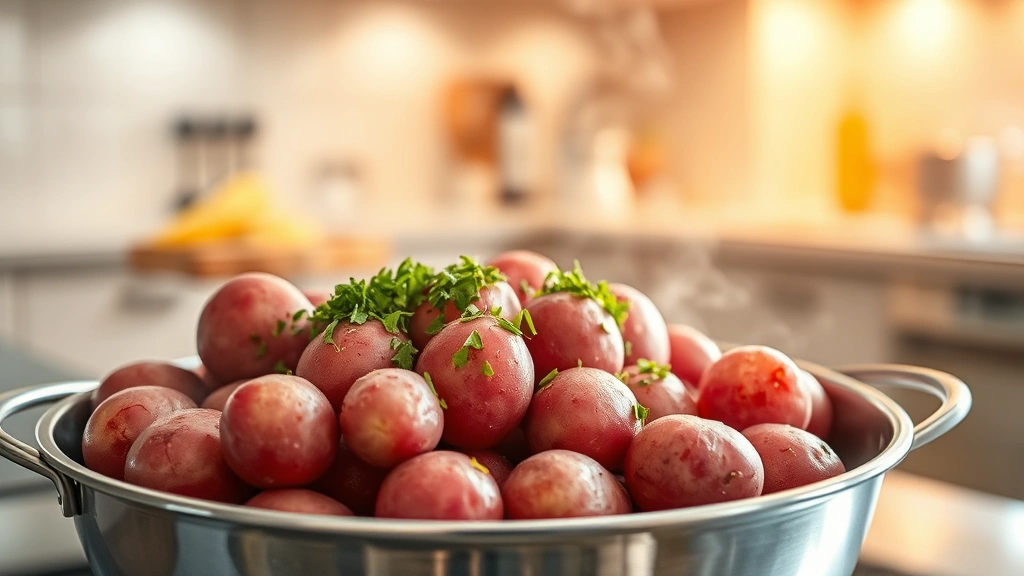
The nutritional impact of preparation methodology cannot be overstated when discussing red potato health benefits. Boiling preserves most water-soluble vitamins while creating conditions favorable for resistant starch formation upon cooling. Steaming similarly preserves nutrients while maintaining food safety. Baking in foil creates a tender interior while keeping the nutrient-dense skin intact. These methods represent the dietitian-recommended approaches for maximizing nutritional benefit.
Conversely, deep frying in oils transforms red potatoes into a calorie-dense food where the added fat (typically 150+ calories per medium potato) overshadows the original nutritional profile. Mashing with butter, cream, and salt similarly increases caloric density while reducing resistant starch formation. Microwaving, while convenient, can create uneven heating that affects nutrient retention. The choice between these methods determines whether red potatoes function as a health-promoting food or a calorie-dense indulgence.
Cooling cooked red potatoes for 24 hours in refrigeration maximizes resistant starch formation without requiring any additional steps. This practical consideration means that meal-prepping boiled red potatoes and consuming them cold in salads, or reheating them gently, provides superior metabolic benefits compared to consuming them hot immediately after cooking. This simple timing adjustment can meaningfully influence blood sugar responses and satiety markers.
Comparison with Other Potato Varieties
Red potatoes occupy a unique position within the potato family, offering advantages over several other common varieties. Russet potatoes, the most consumed variety in North America, contain higher starch and lower resistant starch capacity due to their specific amylose-amylopectin ratio. Russets also have thicker skins that most consumers peel away, eliminating access to concentrated fiber and antioxidants. Yukon Gold potatoes offer a middle ground nutritionally but similarly lack the anthocyanin content of red potatoes.
Fingerling potatoes, increasingly available in specialty markets, provide comparable nutrition to red potatoes with similar skin-to-flesh ratios. Purple and blue potatoes exceed red potatoes in anthocyanin concentration, offering even higher antioxidant potential, though they remain less accessible and more expensive. White potatoes offer the lowest nutrient density among common varieties, with minimal antioxidant content and lower resistant starch capacity. For those prioritizing nutritional density and accessibility, red potatoes represent an optimal choice.
When compared on a nutrient-per-calorie basis, red potatoes demonstrate superior micronutrient density compared to most other potato varieties. The combination of potassium concentration, B vitamin content, fiber, and antioxidant compounds makes red potatoes particularly valuable for individuals seeking maximum nutritional return from their carbohydrate selections. This advantage becomes especially pronounced when potatoes are consumed with skin intact, a practical possibility with red potatoes’ thin, tender exterior.
Incorporating Red Potatoes into Your Diet
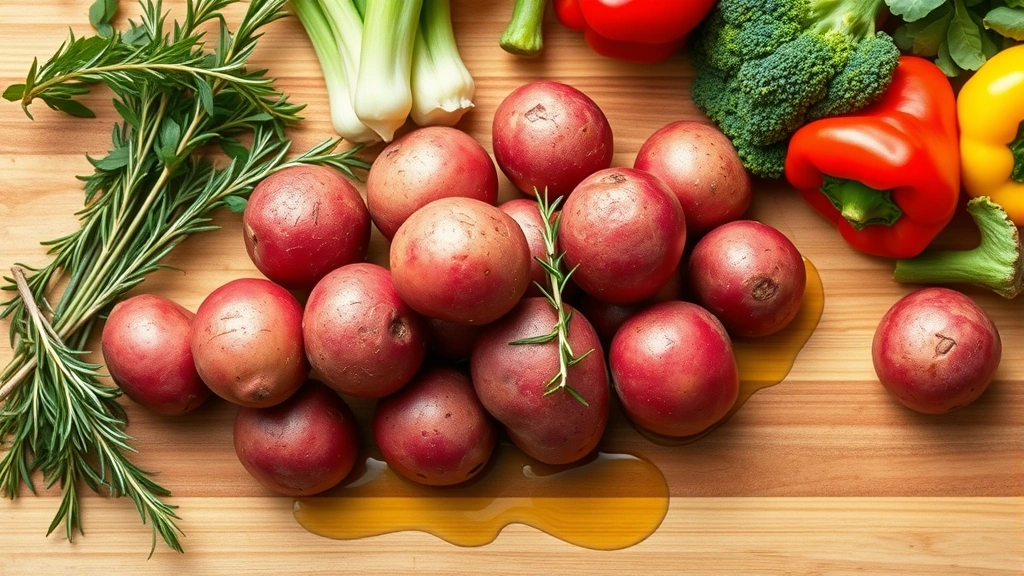
Strategic incorporation of red potatoes into balanced meals maximizes their nutritional benefits while maintaining dietary variety. Boiling red potatoes and combining them with lean proteins and non-starchy vegetables creates complete, nutrient-dense meals. A classic preparation involves boiling small red potatoes until tender, then tossing with olive oil, fresh herbs, and serving alongside grilled fish or poultry. This approach preserves nutrients while creating satisfying meals under 400 calories.
Potato salads made with boiled, cooled red potatoes and vinaigrette-based dressings (rather than mayonnaise-heavy versions) provide excellent resistant starch benefits. The acidic component of vinegar-based dressings may further reduce glycemic impact. Adding colorful vegetables and lean proteins transforms red potatoes into complete meal components. For breakfast applications, diced roasted red potatoes mixed with eggs create protein-rich, nutrient-dense dishes that sustain energy throughout the morning.
Those engaged in athletic pursuits benefit particularly from red potatoes’ carbohydrate-to-micronutrient ratio, as discussed in our guide to nutrition for athletic performance. Post-workout meals incorporating red potatoes provide both glycogen replenishment and potassium for electrolyte balance. The moderate glycemic index supports sustainable energy availability without excessive insulin spikes that might compromise training adaptations.
Portion considerations remain important despite red potatoes’ nutritional advantages. A serving of 2-3 medium red potatoes (approximately 300 grams) provides roughly 260 calories and 60 grams of carbohydrates, fitting appropriately into balanced meals. For those monitoring carbohydrate intake due to diabetes or specific dietary approaches, understanding portion sizes enables accurate macronutrient tracking while maintaining red potatoes’ role in the diet.
Accessibility and budget-consciousness make red potatoes particularly valuable for populations seeking nutritious foods at reasonable cost. Unlike exotic superfoods commanding premium prices, red potatoes remain affordable and widely available year-round in most markets. This practical accessibility means that red potatoes can function as a dietary staple rather than an occasional luxury, supporting long-term nutritional consistency and health outcomes.
FAQ
Are red potatoes good for diabetics?
Red potatoes can be incorporated into diabetic meal plans when prepared through boiling or baking and consumed in appropriate portions with protein and non-starchy vegetables. The resistant starch formed during cooling further reduces glycemic impact. Individual responses vary, making blood sugar monitoring advisable when introducing or increasing red potato consumption.
Do red potatoes need to be peeled?
Dietitians recommend consuming red potatoes with skin intact to access fiber, potassium, and antioxidants concentrated in the skin. The thin, tender skin of red potatoes makes this practical, unlike thicker-skinned varieties. Thorough washing before cooking ensures food safety without requiring peeling.
How do red potatoes compare to sweet potatoes nutritionally?
Sweet potatoes contain higher vitamin A content and slightly more fiber, while red potatoes provide more potassium and B vitamins. Both offer valuable nutrients, making the choice based on personal preferences and dietary goals rather than nutritional superiority of either option.
Can red potatoes be consumed daily?
Yes, red potatoes can be incorporated into daily diets as part of balanced meals. Their nutrient density, satiety-promoting properties, and relatively low caloric content make them suitable for regular consumption. Variety with other vegetables and whole foods ensures comprehensive nutrient intake.
What’s the best way to cook red potatoes?
Boiling or steaming preserves maximum nutrients while allowing resistant starch formation upon cooling. Baking in foil maintains skin nutrients while creating tender interiors. These methods represent superior alternatives to frying or preparing with excessive added fats.
Do red potatoes contain gluten?
Pure red potatoes contain no gluten naturally. Cross-contamination risks exist only through preparation methods using shared equipment or additives. For those with celiac disease or gluten sensitivity, boiling or baking plain red potatoes represents a safe, naturally gluten-free option.


