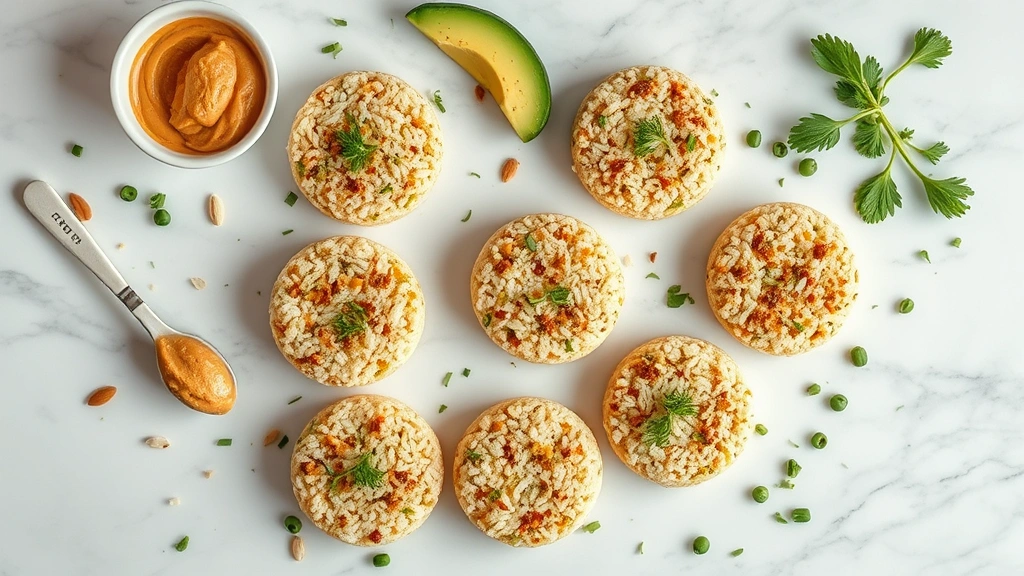
Are Rice Cakes Healthy? Dietitian Insight on Rice Cake Nutrition Facts
Rice cakes have occupied a peculiar space in the health food landscape for decades. Once heralded as the ultimate guilt-free snack during the low-fat diet craze of the 1990s, these light, airy discs have since become the subject of considerable nutritional debate. As a registered dietitian, I’ve fielded countless questions from clients wondering whether rice cakes deserve a permanent spot in their pantry or if they’re merely empty calories dressed up in health food clothing. The answer, like most nutrition questions, is nuanced and depends heavily on how you’re incorporating them into your overall diet.
Rice cake nutrition facts reveal a product that’s far more complex than its simple appearance suggests. While they’re technically low in calories and fat-free, the devil truly lives in the details. Understanding what makes rice cakes tick—from their glycemic impact to their satiety quotient—is essential for making informed dietary choices that align with your personal health goals. This comprehensive guide draws from current nutritional science and practical dietitian experience to help you determine whether rice cakes belong in your eating pattern.
Rice Cake Nutrition Facts: The Complete Breakdown
A single plain rice cake, typically weighing around 9 grams, contains approximately 35 calories, 7 grams of carbohydrates, less than 1 gram of protein, and virtually no fat or fiber. On the surface, these numbers appear exceptionally lean. However, this nutritional profile tells only part of the story. The carbohydrates in rice cakes are predominantly simple starches, meaning they’re rapidly digestible and absorbed quickly into the bloodstream.
When examining rice cake nutrition facts more closely, the absence of fiber becomes particularly significant. Most plain rice cakes contain zero to less than 1 gram of dietary fiber per serving. This lack of fiber means your digestive system processes rice cakes similarly to refined white bread—quickly and without much metabolic friction. For context, whole grain alternatives typically provide 2-4 grams of fiber per serving, which substantially alters how your body processes and utilizes the carbohydrates.
The protein content of rice cakes is negligible, containing less than 1 gram per cake. This matters because protein plays a crucial role in satiety, muscle maintenance, and stable blood sugar regulation. A snack lacking adequate protein will leave you feeling hungry relatively quickly, potentially leading to overconsumption of total calories throughout the day.
Different varieties of rice cakes offer varying nutritional profiles. Brown rice cakes contain slightly more nutrients than white rice versions due to the retained bran layer, though the difference is modest. Flavored varieties—whether salted, caramel, or cheese-flavored—often contain added sugars, sodium, or unhealthy oils that increase caloric density and potentially introduce artificial ingredients into your diet.
Glycemic Index and Blood Sugar Impact
One of the most important considerations when evaluating rice cake nutrition facts is understanding their glycemic impact. Rice cakes have a remarkably high glycemic index (GI), typically ranking between 82-91 on a scale where 100 is pure glucose. This places them in the same category as white bread and other highly refined carbohydrates. For individuals managing blood sugar—whether due to diabetes, prediabetes, or metabolic syndrome—this high GI rating is particularly concerning.
When you consume a rice cake without any accompanying protein, fat, or fiber, the carbohydrates are absorbed rapidly, causing a sharp spike in blood glucose levels. This spike triggers an insulin response from your pancreas, which works to shuttle glucose into cells. For most healthy individuals, this process is manageable; however, repeated blood sugar spikes throughout the day can gradually increase insulin resistance and contribute to metabolic dysfunction over time.
Research published through PubMed Central consistently demonstrates that high-GI foods are associated with increased risk of type 2 diabetes, obesity, and cardiovascular disease. The key mechanism involves sustained elevation of insulin levels, which promotes fat storage and increases inflammation throughout the body.
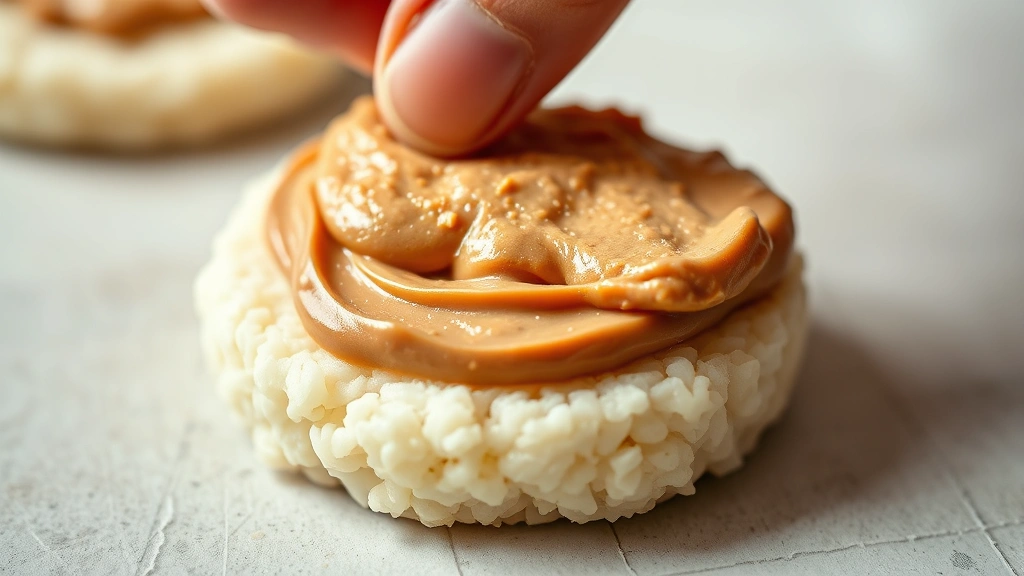
However, the glycemic impact of rice cakes can be significantly modified through food pairing. When you consume a rice cake alongside protein-rich toppings—such as almond butter, hummus, or cottage cheese—the protein slows gastric emptying and moderates the blood sugar response. Similarly, adding healthy fats or fiber-rich vegetables creates a more balanced nutritional profile that minimizes blood sugar disruption.
Satiety and Weight Management Considerations
From a weight management perspective, rice cakes present a paradox that frustrates many dietitians and confuses consumers. While they’re low in calories, they’re also remarkably low in satiety—meaning they don’t keep you feeling full for very long. This combination can actually work against weight loss goals despite their caloric modesty.
Satiety depends on multiple factors: volume, fiber content, protein content, and fat content all play significant roles in how satisfied you feel after eating. Rice cakes are high-volume foods, but that volume comes from air, not from nutrients that promote fullness. Research in appetite science indicates that the sensory experience of eating—chewing, texture, taste intensity—contributes to satiety signaling. While rice cakes provide the chewing experience, they lack the nutrient density that truly satisfies hunger.
A study examining satiety indices found that rice cakes ranked relatively low compared to whole grain breads, legumes, and protein-rich foods. This means someone eating a rice cake might feel satisfied momentarily but experience renewed hunger within 30-60 minutes. The practical implication: rice cakes can contribute to snacking cycles where you consume multiple cakes throughout the day, ultimately consuming more calories than if you’d chosen a more satiating alternative.
For individuals focused on weight management, this satiety issue represents rice cakes’ most significant drawback. You’re better served choosing snacks that combine multiple satiety factors—perhaps whole grain crackers with cheese, an apple with almond butter, or Greek yogurt with berries. These alternatives provide sustained fullness that prevents the mid-morning or afternoon hunger that leads to additional snacking.
Comparison with Other Whole Grain Snacks
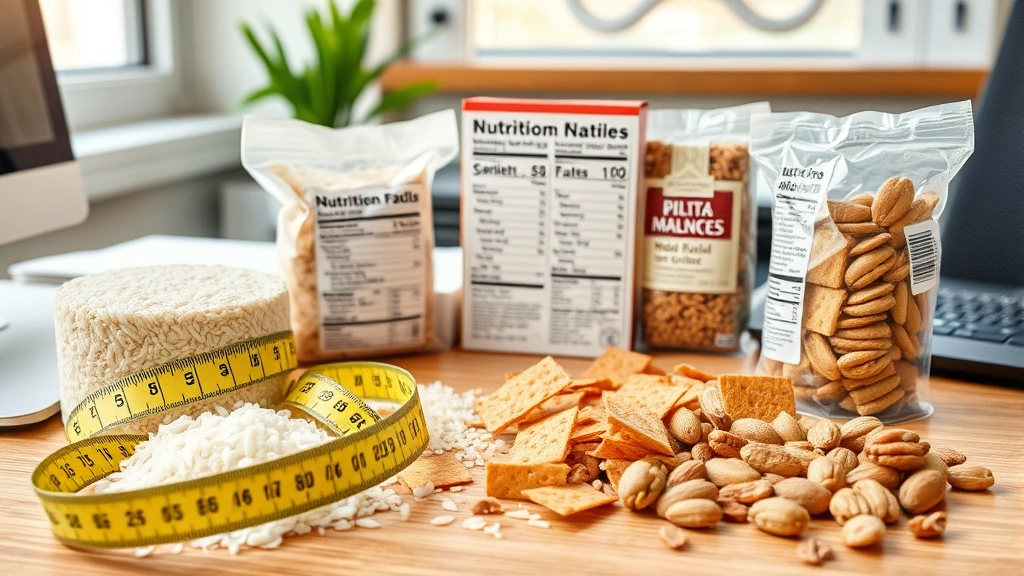
To properly contextualize rice cake nutrition facts, comparing them with other commonly available snack options reveals important distinctions. Consider how rice cakes stack up against whole grain crackers, popcorn, nuts, and other alternatives.
Whole Grain Crackers: A serving of whole grain crackers (typically 6-8 crackers) contains 120-140 calories but provides 2-4 grams of fiber and often 3-4 grams of protein. This more complete nutritional profile creates greater satiety and a lower glycemic response compared to rice cakes.
Air-Popped Popcorn: Three cups of air-popped popcorn contains roughly 90 calories with 3.5 grams of fiber and 3 grams of protein. Popcorn delivers superior satiety due to its volume and fiber content, making it an excellent whole grain snack option when prepared without excessive oil or salt.
Mixed Nuts: One ounce of mixed nuts (approximately 23 almonds or 14 walnut halves) provides 160-170 calories but includes 3-4 grams of fiber, 5-6 grams of protein, and heart-healthy monounsaturated fats. While higher in calories than rice cakes, nuts provide significantly greater satiety and nutrient density.
Whole Grain Bread: One slice of whole grain bread contains 80-100 calories with 2-3 grams of fiber, 3-4 grams of protein, and B vitamins from the bran and germ. The structure and composition of whole grain bread creates better blood sugar stability than rice cakes.
This comparison illustrates that while rice cakes are among the lowest-calorie snack options available, they’re not necessarily the best choice for health-conscious eating. understanding the nutritional profile of various foods helps you make choices aligned with your specific health objectives.
Best Practices for Rice Cake Consumption
If you enjoy rice cakes and wish to include them in your diet, strategic approaches can minimize their drawbacks while maximizing their potential benefits. The key principle is transformation through thoughtful topping and pairing strategies.
Protein-Rich Toppings: Always pair rice cakes with protein sources. Excellent options include almond butter, peanut butter, cottage cheese, Greek yogurt, hummus, or lentil spreads. A tablespoon of nut butter adds approximately 95 calories but also contributes 3-4 grams of protein and healthy fats that moderate blood sugar response and extend satiety.
Fiber Enhancement: Top rice cakes with fiber-rich foods like mashed avocado, sliced tomato, cucumber, or leafy greens. These additions increase the overall fiber content of your snack, slowing carbohydrate absorption and promoting digestive health.
Balanced Combinations: Create mini-meals rather than simple snacks. A rice cake topped with mashed avocado, sliced turkey, and tomato becomes a nutritionally complete snack providing protein, healthy fats, fiber, and micronutrients. This approach transforms rice cakes from problematic empty-calorie foods into functional components of balanced eating.
Portion Control: While individual rice cakes are low-calorie, it’s easy to consume multiple cakes in a sitting. Be intentional about portion size—typically one or two cakes per snack occasion—to prevent excessive calorie accumulation.
Timing Considerations: Consume rice cakes as part of a meal or balanced snack rather than in isolation. Eating a rice cake alongside other foods moderates its glycemic impact and improves overall nutrient absorption.
Incorporating Rice Cakes into a Healthy Nutrition Plan
Within the context of a comprehensive healthy nutrition plan, rice cakes can play a modest role when used strategically. They’re not inherently “bad” foods, but they shouldn’t be considered nutritional powerhouses either.
For individuals following a balanced whole foods approach, rice cakes might appear 1-2 times weekly as vehicles for nutrient-dense toppings. They work particularly well for people who appreciate their convenience, portability, and neutral flavor profile that pairs well with both sweet and savory toppings.
However, for those prioritizing metabolic health, weight loss, or blood sugar management, whole grain alternatives typically serve your goals more effectively. effective meal planning involves selecting foods that align with your specific health objectives rather than defaulting to conventionally “low-calorie” options.
The relationship between diet and overall wellness extends beyond individual foods. nutrition profoundly impacts mental health and cognitive function, making it essential to choose foods that support sustained energy and stable mood throughout the day. Rice cakes, due to their rapid carbohydrate absorption, may contribute to energy crashes that affect afternoon productivity and emotional stability.
For optimal results, approach rice cake consumption as an occasional choice rather than a dietary staple. When you do choose rice cakes, view them as blank canvases for nutrient-dense toppings rather than standalone snacks. This mindset shift transforms them from problematic empty-calorie foods into functional components of balanced eating patterns.
Consider consulting with a registered dietitian to evaluate how rice cakes fit within your individual nutritional needs, health goals, and food preferences. What works well for one person may not align with another’s metabolic profile or lifestyle.
FAQ
Are rice cakes good for weight loss?
Rice cakes are low in calories but poor in satiety, potentially contributing to increased snacking throughout the day. For weight loss, foods providing greater fullness per calorie—such as whole grains, legumes, and protein-rich options—typically produce better results. Rice cakes can be incorporated into weight loss plans when paired with protein and fiber-rich toppings.
Do rice cakes have any nutritional benefits?
Plain rice cakes provide minimal nutritional value, containing primarily simple carbohydrates. Brown rice cakes offer slightly more nutrients than white varieties due to retained bran. Their primary advantage is low caloric density and convenience as vehicles for nutrient-dense toppings. When topped appropriately, rice cakes can become part of balanced snacks.
Are rice cakes good for diabetics?
Rice cakes have a high glycemic index and rapid blood sugar impact, making them problematic choices for individuals managing diabetes or prediabetes. If included, they should always be consumed with protein, fat, and fiber to moderate glycemic response. Most diabetes management guidelines recommend whole grain alternatives with lower glycemic indices.
How many rice cakes can I eat daily?
There’s no specific daily limit, but moderation is advisable. One or two rice cakes as part of a balanced snack 2-3 times weekly fits comfortably within most healthy eating patterns. Consuming multiple rice cakes daily risks excessive refined carbohydrate intake and potential blood sugar disruption.
What are better alternatives to rice cakes?
Superior snack alternatives include whole grain crackers, air-popped popcorn, nuts and seeds, Greek yogurt, fresh fruit with nut butter, and whole grain bread. These options provide better nutrient density, greater satiety, and more stable blood sugar impact than plain rice cakes.
Can rice cakes be part of a healthy diet?
Yes, rice cakes can be included in healthy eating patterns when used strategically as vehicles for nutrient-dense toppings. They work best for people who appreciate their convenience and neutral flavor, consumed occasionally rather than daily. Individual health goals and metabolic needs should guide frequency and preparation methods.
Are flavored rice cakes healthier than plain ones?
Generally, no. Flavored varieties typically contain added sugars, sodium, or unhealthy oils that increase caloric density and nutritional complexity without providing meaningful health benefits. Plain rice cakes offer greater flexibility for creating balanced snacks through intentional topping choices.


