
String Cheese: Healthy Snack? Dietitian Insights on Nutrition Facts
String cheese has become a ubiquitous convenience snack in American households, packed into lunchboxes, grabbed during coffee breaks, and praised for its portability. But beneath its fun, pull-apart exterior lies a complex nutritional profile that deserves closer examination. As a registered dietitian nutritionist, I’ve fielded countless questions about whether string cheese truly belongs in a balanced diet or if it’s simply a processed food we should limit.
The answer, as with most nutrition questions, isn’t black and white. String cheese—typically made from mozzarella—offers legitimate nutritional benefits alongside some considerations worth understanding. This comprehensive guide explores the science behind string cheese nutrition, examines what makes it different from other cheese forms, and provides evidence-based recommendations for incorporating it into your diet wisely.
What Exactly Is String Cheese?
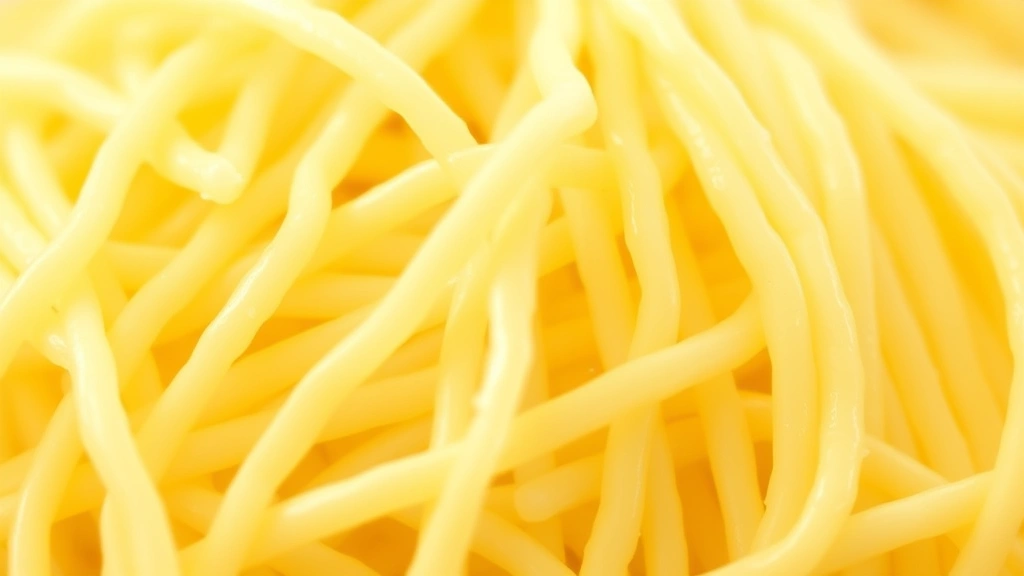
String cheese, scientifically known as mozzarella cheese, undergoes a specialized production process called pasta filata, or “spun paste.” During manufacturing, milk curds are heated, stretched, and formed into those characteristic strands or sticks we recognize. This traditional Italian technique creates the unique texture that makes string cheese so appealing—particularly to children—while maintaining cheese’s fundamental nutritional properties.
The production method significantly influences string cheese’s characteristics compared to block mozzarella or aged cheeses. Because the curds are heated to specific temperatures and stretched, the final product has a different moisture content and structure. Most commercial string cheese is made from cow’s milk, though some specialty varieties use other sources. Understanding this manufacturing process helps explain why string cheese’s nutrition profile differs slightly from other cheese varieties and why the Nutrition Facts Label Generator shows consistent patterns across brands.
The convenience factor cannot be overlooked. String cheese’s individual packaging and portable nature have transformed snacking habits across generations. This accessibility has made it one of the most consumed cheese products in North America, influencing dietary patterns significantly. However, convenience doesn’t automatically translate to nutritional superiority—a distinction worth exploring throughout this analysis.

String Cheese Nutrition Facts Breakdown
A standard serving of string cheese—typically one stick or 28 grams (1 ounce)—contains approximately 80 calories, though this varies slightly between brands. Understanding the complete nutritional snapshot requires examining each macronutrient and micronutrient component. Here’s what one serving typically provides:
- Calories: 80 per stick
- Protein: 7 grams (14% of daily value)
- Total Fat: 6 grams, with 3.5-4 grams saturated fat
- Carbohydrates: Less than 1 gram (negligible)
- Sodium: 190-200 mg (8-9% of daily value)
- Calcium: 200 mg (15-20% of daily value)
- Cholesterol: 15-18 mg
These figures represent whole-milk string cheese. Low-fat versions reduce calories to around 60-70 and saturated fat to 1.5-2 grams while maintaining similar protein content. The Nutrients Pathway Blog regularly discusses how single-nutrient analysis can be misleading; string cheese’s value emerges from examining the synergy between these components rather than evaluating them in isolation.
Micronutrient content deserves attention as well. String cheese provides phosphorus, which works synergistically with calcium for bone health, and small amounts of B vitamins including B12, which is crucial for vegans and vegetarians who consume dairy products. The vitamin A content, though modest, supports eye health and immune function. These trace nutrients often get overlooked in casual nutritional assessments but contribute meaningfully to overall dietary quality.
Protein Content and Muscle Health
One of string cheese’s most compelling nutritional attributes is its protein concentration. With 7 grams of complete protein per stick—containing all nine essential amino acids—string cheese serves as a legitimate source of this macronutrient. For context, this equals roughly one egg’s protein content, making string cheese a valid comparison point for dietary planning.
Protein serves multiple functions beyond muscle building. It supports satiety, helping you feel fuller longer, which can reduce overall calorie intake when included in balanced meals or snacks. Research from Pew Research Center examining American snacking patterns has noted that protein-rich snacks correlate with improved appetite regulation and reduced mid-afternoon energy crashes. This practical benefit makes string cheese particularly valuable for office workers, students, and anyone managing energy levels throughout the day.
The amino acid profile in string cheese includes leucine, which plays a critical role in muscle protein synthesis—the process by which your body builds and repairs muscle tissue. Athletes and active individuals benefit from consuming protein-rich snacks between training sessions. Our guide on Nutrition for Athletes: Optimizing Performance Through Diet explores how strategic snacking supports fitness goals, with string cheese emerging as a convenient option for pre- or post-workout nutrition when paired with carbohydrates.
However, it’s important to contextualize protein content within daily requirements. Most adults need 0.8 grams of protein per kilogram of body weight daily, though athletes require more. A single string cheese stick provides roughly 10-14% of a 2000-calorie diet’s protein needs, making it a contributor rather than a complete protein source. Comprehensive dietary approaches incorporating varied protein sources—legumes, nuts, fish, poultry, and other dairy products—create more robust nutritional foundations.
Calcium and Bone Strength
String cheese delivers approximately 15-20% of the daily recommended calcium intake in a single serving, making it an efficient vehicle for this essential mineral. Calcium’s importance extends far beyond bone health, though skeletal strength remains its most celebrated function. This mineral supports muscle contraction, nerve transmission, and hormonal regulation—processes occurring constantly throughout your body.
The bioavailability of calcium from cheese is particularly noteworthy. Unlike some plant-based calcium sources, dairy calcium is highly absorbable due to the presence of lactose and specific proteins that enhance mineral uptake in the intestines. This means your body effectively utilizes the calcium in string cheese without requiring additional dietary modifications. For individuals who struggle to meet calcium recommendations through other sources, string cheese provides a straightforward solution.
Adequate calcium intake becomes increasingly important as we age. Post-menopausal women and older adults face heightened osteoporosis risk, making consistent calcium consumption crucial for maintaining bone density. Including string cheese as part of a calcium-rich diet—alongside leafy greens, fortified plant-based beverages, and other dairy sources—creates a comprehensive approach to skeletal health. Our comprehensive resource on Healthy Nutrition Plan: A Guide to Eating Well for Life details how dairy products integrate into evidence-based eating patterns across the lifespan.
The phosphorus content in string cheese further supports bone health through its role in bone mineralization. Calcium and phosphorus work together in a specific ratio to maintain skeletal integrity. Additionally, string cheese contains vitamin B12, which emerging research suggests may influence bone metabolism and fracture risk. These synergistic nutrients make string cheese more nutritionally complex than its simple ingredient list suggests.
Sodium and Heart Health Considerations
The sodium content in string cheese—approximately 190-200 mg per stick—represents one of the few legitimate nutritional concerns dietitians raise about this food. This constitutes roughly 8-9% of the American Heart Association’s recommended daily sodium limit of 2,300 mg. While a single string cheese stick isn’t problematic, cumulative dietary sodium intake requires careful monitoring.
Excessive sodium consumption correlates with elevated blood pressure, particularly in sodium-sensitive individuals and those with hypertension. Over time, high blood pressure increases cardiovascular disease risk, stroke incidence, and kidney disease progression. For individuals managing hypertension or at risk for cardiovascular disease, every milligram of sodium matters. However, this concern applies to overall dietary patterns rather than individual foods consumed occasionally.
The sodium question becomes more complex when examining string cheese’s role in typical consumption patterns. A child’s lunchbox might contain string cheese, a sandwich, crackers, and processed fruit—all contributing sodium. Adults similarly consume multiple sodium sources throughout the day. In isolation, string cheese’s sodium content is moderate; contextually, it may contribute meaningfully to daily totals depending on overall dietary patterns.
For individuals seeking to reduce sodium intake, several options exist: choosing lower-sodium string cheese varieties (some brands offer reduced-sodium versions containing 100-150 mg per stick), limiting frequency of consumption, or balancing string cheese consumption with low-sodium foods throughout the day. The relationship between nutrition and mental health extends to cardiovascular health, as stress management and physical activity work synergistically with dietary sodium reduction to support heart health.
Fat Profile and Cholesterol Impact
String cheese derives approximately 70% of its calories from fat, with roughly 60% of that fat being saturated. This composition generates questions about cardiovascular health and dietary recommendations. Understanding fat’s nuanced role in nutrition requires moving beyond outdated dietary paradigms that demonized all fat intake.
Current scientific consensus, supported by major health organizations including the American Heart Association, acknowledges that not all saturated fat impacts cardiovascular health equally. The saturated fat in string cheese—primarily stearic and palmitic acids—has modest effects on LDL cholesterol (the “bad” cholesterol associated with cardiovascular disease risk). Research published in peer-reviewed journals demonstrates that moderate dairy fat consumption doesn’t significantly elevate cardiovascular disease risk in most populations.
The cholesterol content in string cheese (approximately 15-18 mg per stick) represents a negligible dietary contributor for most people. Dietary cholesterol’s impact on blood cholesterol levels has been substantially overstated; your liver regulates blood cholesterol based on genetics and overall dietary patterns more than dietary cholesterol consumption. For individuals without familial hypercholesterolemia or specific medical conditions, string cheese’s cholesterol content requires no special concern.
The fat in string cheese actually facilitates absorption of fat-soluble vitamins (A, D, E, and K) and provides satiety that supports healthy eating patterns. Pairing string cheese with whole grains, vegetables, or fruits creates balanced snacks that moderate blood sugar responses and sustained energy. The fat content becomes problematic only when string cheese consumption displaces more nutrient-dense foods or when total daily fat intake exceeds individual requirements.
Additives and Processing Concerns
String cheese’s manufacturing process involves more steps than aged cheeses, raising valid questions about additives and processing. Most commercial string cheese contains cellulose powder (an anti-caking agent), enzymes (for flavor development), salt, and sometimes potassium sorbate (a preservative). These additives are FDA-approved and used in quantities recognized as safe by regulatory agencies.
Cellulose, derived from wood pulp, sounds concerning to many consumers but functions safely as a non-caloric anti-caking agent. Your digestive system cannot absorb cellulose; it passes through unchanged, contributing to dietary fiber. The quantities used in string cheese are minimal and pose no documented health risks. Similarly, enzymes added during production break down during digestion, providing no biological activity in your body.
Potassium sorbate, used in some string cheese varieties, is a natural preservative found in some fruits. It prevents mold and bacterial growth, extending shelf life. Extensive safety testing confirms its safety at levels used in food. For consumers preferring minimal processing, organic or artisanal string cheese options exist, though they typically cost more and may have shorter shelf lives.
The processing concern often reflects broader anxieties about “ultra-processed” foods. While string cheese undergoes manufacturing, it contains minimal ingredients compared to many convenience foods. Comparing string cheese’s ingredient list to packaged snack cakes, flavored yogurts, or granola bars reveals that string cheese is relatively straightforward from a processing standpoint. The processing-health relationship isn’t binary; context and overall dietary patterns matter more than any single food’s processing status.
String Cheese vs Other Cheese Types
Understanding string cheese’s nutritional position requires comparing it to alternative cheese options. Block mozzarella, cheddar, feta, and aged cheeses each offer distinct nutritional profiles and practical considerations.
Mozzarella (block vs. string): Block mozzarella contains nearly identical nutrition to string cheese, with minimal differences attributable to moisture content variations. The distinction is primarily textural and convenience-based rather than nutritional.
Cheddar cheese: Contains similar protein (7g per ounce) but slightly higher saturated fat (6g vs. 3.5-4g in string cheese) and calcium (200mg). The aged nature provides more developed flavor, potentially satisfying taste preferences with smaller portions.
Feta cheese: Lower in calories (75 per ounce) and fat (6g) but higher in sodium (390mg per ounce). Its intense flavor allows smaller portion sizes, potentially reducing overall sodium intake despite higher concentration per ounce.
Aged cheeses (Parmesan, Gruyere): Concentrated nutrients mean smaller portions satisfy. Higher calcium (around 390mg per ounce for Parmesan) and protein (10g per ounce for Parmesan) in smaller serving sizes. Significantly higher sodium (around 450mg per ounce).
String cheese’s moderate approach—reasonable portions, complete protein, significant calcium, manageable sodium—positions it favorably among cheese options for convenience-focused consumers. It’s not nutritionally superior to all alternatives, but it represents a sensible choice within a balanced dietary framework.
Best Practices for Consumption
Determining whether string cheese belongs in a healthy diet requires examining individual health goals, dietary patterns, and nutritional needs. Here are evidence-based guidelines for optimal consumption:
Appropriate Portion Sizes: One to two sticks daily represents a reasonable amount for most adults. This provides 7-14 grams of protein and 200-400mg of calcium without excessive sodium or saturated fat accumulation. Children benefit from one stick as a satisfying snack.
Strategic Timing: String cheese works best as a between-meal snack paired with carbohydrates. Combining it with an apple, whole grain crackers, or berries creates balanced snacks that stabilize blood sugar and provide sustained energy. This pairing approach reduces the tendency to overconsume and improves satiety compared to string cheese alone.
Dietary Integration: String cheese should complement rather than dominate dairy intake. Meeting calcium recommendations through varied sources—yogurt, milk, leafy greens, fortified plant beverages, and other cheeses—creates more nutritionally diverse patterns. String cheese fills a convenient snacking niche without requiring other dairy elimination.
Individual Considerations: People managing sodium-sensitive hypertension may choose lower-sodium varieties or reduce frequency. Those with lactose intolerance should note that aged cheeses contain less lactose than string cheese due to fermentation, though string cheese’s lactose content is modest compared to milk. Individuals with specific health conditions should consult healthcare providers about personalized recommendations.
Selection Strategies: Whole-milk string cheese provides superior satiety compared to fat-free versions, despite slightly higher calories. The modest calorie difference (80 vs. 60-70) is offset by improved satisfaction and reduced likelihood of consuming additional snacks afterward. Organic options eliminate synthetic additives for consumers prioritizing this consideration, though nutritional differences are negligible.
The psychological dimension of food choice matters significantly. String cheese’s fun, tactile nature appeals particularly to children, making it an effective vehicle for increasing dairy consumption in populations resistant to milk drinking. When string cheese facilitates overall nutritional improvements—particularly calcium and protein intake—its convenience value transcends mere convenience into genuine health support.
FAQ
Is string cheese bad for you?
String cheese isn’t inherently “bad.” It provides legitimate nutritional benefits—protein, calcium, and B vitamins—alongside moderate sodium and saturated fat content. Whether it’s appropriate depends on individual health status, dietary goals, and consumption frequency. For most people consuming 1-2 sticks daily as part of balanced diets, string cheese poses no health risks and contributes meaningfully to nutritional goals.
How much string cheese can you eat daily?
One to two sticks daily fits comfortably within healthy eating patterns for most adults. This amount provides 7-14 grams of protein and meaningful calcium without excessive sodium. Individual needs vary based on overall diet composition, activity level, and health status. Those managing sodium intake or specific health conditions should adjust based on personalized recommendations.
Does string cheese have probiotics?
Standard string cheese contains no live probiotics. The high-heat production process kills beneficial bacteria present in raw milk. However, some specialty string cheese varieties produced with specific cultures may contain probiotics; check labels for “live and active cultures.” For probiotic benefits, yogurt and kefir represent more reliable dairy sources.
Is string cheese good for weight loss?
String cheese can support weight loss when incorporated strategically. Its protein content promotes satiety, helping reduce overall calorie intake. Pairing string cheese with vegetables or whole grains creates satisfying snacks that prevent excessive hunger and overeating later. However, portion control remains essential; consuming unlimited string cheese undermines weight management goals despite its nutritional benefits.
Does string cheese need to be refrigerated?
Yes, string cheese requires refrigeration. While individually wrapped sticks maintain safety at room temperature for a few hours, proper refrigeration prevents bacterial growth and maintains quality. Unopened packages last several weeks when refrigerated; opened packages should be consumed within 1-2 weeks.
Can babies eat string cheese?
Babies over 8-12 months can safely consume small amounts of string cheese as a finger food, though it’s a choking hazard requiring supervision. The sodium content is higher than ideal for infants, so it shouldn’t be a primary dairy source. Whole milk yogurt and cheese pieces cut into safe sizes are typically more appropriate for younger babies, with string cheese better suited for toddlers and older children.
Is string cheese better than regular cheese?
String cheese isn’t nutritionally superior to other cheeses; it’s simply more convenient. Block mozzarella offers identical nutrition with different texture. Aged cheeses provide more concentrated nutrients, allowing smaller portions. The “best” cheese depends on individual preferences, dietary needs, and consumption context. String cheese excels for portable snacking; other cheeses may better serve different purposes.


