Heart-Healthy Foods: Cardio Expert Tips for We Heart Nutrition
Cardiovascular health remains one of the most critical health metrics for millions worldwide, yet many people struggle to understand which foods genuinely support heart function. The intersection of nutrition science and cardiology reveals that what we eat directly influences our heart’s ability to pump blood efficiently, maintain healthy cholesterol levels, and prevent dangerous inflammatory responses. This comprehensive guide explores evidence-based heart-healthy foods recommended by cardiologists and nutrition experts, helping you make informed dietary choices that protect your most vital organ.
The concept of “we heart nutrition” extends beyond catchy marketing—it represents a fundamental commitment to understanding how dietary choices cascade through our cardiovascular system. From reducing blood pressure to improving arterial flexibility, the foods we consume create either protective or harmful effects on heart health. By learning which nutrients matter most and which foods deliver them most effectively, you can develop sustainable eating patterns that support longevity and cardiovascular resilience.
Understanding Cardiovascular Nutrition
Cardiovascular disease remains the leading cause of death globally, yet research consistently demonstrates that dietary interventions can reduce risk by 30-40%. Cardiologists increasingly recognize nutrition as preventive medicine, with the American Heart Association establishing specific dietary guidelines backed by decades of clinical research. The relationship between food and heart health operates through multiple biological pathways: cholesterol management, blood pressure regulation, inflammation reduction, and endothelial function improvement.
Your arteries function as sophisticated biological tubes lined with endothelial cells that respond dynamically to nutritional inputs. When you consume foods rich in antioxidants and anti-inflammatory compounds, these cells maintain flexibility and resist plaque accumulation. Conversely, diets high in processed foods, trans fats, and refined carbohydrates trigger chronic inflammation that damages arterial walls and accelerates atherosclerosis. Understanding this mechanism helps explain why healthy nutrition plans emphasizing whole foods prove so effective for cardiac protection.
The emerging field of nutrigenomics reveals that certain foods actually influence gene expression related to cardiovascular function. Compounds like sulforaphane in cruciferous vegetables and polyphenols in berries activate protective genes while suppressing inflammatory pathways. This scientific foundation transforms nutrition from abstract health advice into concrete biological intervention.
Essential Heart-Healthy Nutrients
Specific nutrients deserve special attention when optimizing cardiovascular health. Omega-3 fatty acids reduce triglycerides, lower blood pressure, and decrease arrhythmia risk through their potent anti-inflammatory effects. The American Heart Association recommends two servings weekly of fatty fish containing EPA and DHA. Potassium counteracts sodium’s blood-pressure-raising effects by promoting vasodilation and supporting healthy electrolyte balance. Magnesium regulates heart rhythm and prevents dangerous arrhythmias while relaxing arterial smooth muscle.
Fiber, particularly soluble fiber, binds cholesterol in the digestive tract and prevents reabsorption, effectively lowering LDL cholesterol. The importance of dietary fiber extends beyond cholesterol management—it feeds beneficial gut bacteria that produce short-chain fatty acids supporting cardiovascular function. Polyphenols and flavonoids combat oxidative stress and endothelial dysfunction through antioxidant mechanisms. Plant sterols compete with dietary cholesterol absorption, reducing overall cholesterol burden. Nitrates in leafy greens convert to nitric oxide, a powerful vasodilator improving blood flow and reducing blood pressure.
Micronutrients like CoQ10, folate, and vitamin B6 support energy production in heart muscle cells and regulate homocysteine, an independent cardiovascular risk factor. The synergistic effect of these nutrients explains why whole foods outperform isolated supplements—whole foods provide nutrient combinations evolved to work together.
Top Foods for Cardiac Health
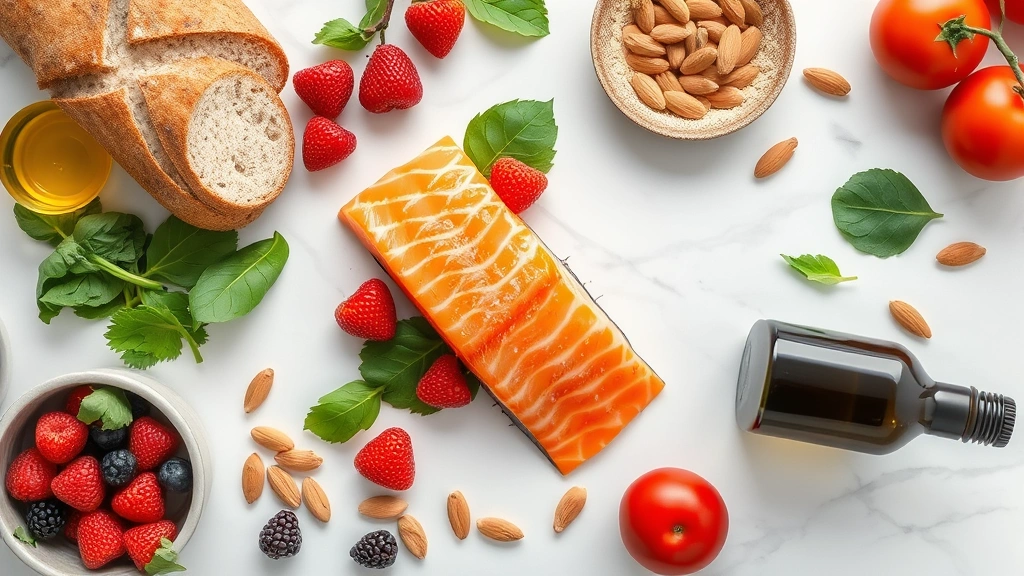
Fatty Fish: Salmon, mackerel, sardines, and herring deliver abundant omega-3 fatty acids (EPA and DHA) that reduce inflammation and triglycerides. Studies show fish consumption correlates with 15-20% lower cardiovascular mortality. Aim for two 3.5-ounce servings weekly, or supplement with algae-based omega-3s if fish consumption isn’t feasible.
Berries: Blueberries, strawberries, and raspberries contain anthocyanins and other polyphenols that improve endothelial function and reduce blood pressure. Research published in major cardiovascular journals documents that berry consumption improves arterial flexibility and reduces LDL oxidation, a critical atherosclerosis initiator.
Leafy Greens: Spinach, kale, and Swiss chard provide nitrates, potassium, magnesium, and folate—a cardiovascular nutrient powerhouse. The high nitrate content improves blood flow and reduces blood pressure by 2-3 mmHg per serving, with effects accumulating over time. These greens also contain lutein and zeaxanthin protecting against oxidative stress.
Whole Grains: Brown rice, oats, quinoa, and barley reduce blood pressure and cholesterol while improving arterial flexibility. The beta-glucan fiber in oats particularly excels at lowering LDL cholesterol. Whole grain consumption associates with 20-30% lower cardiovascular disease risk compared to refined grain consumption.
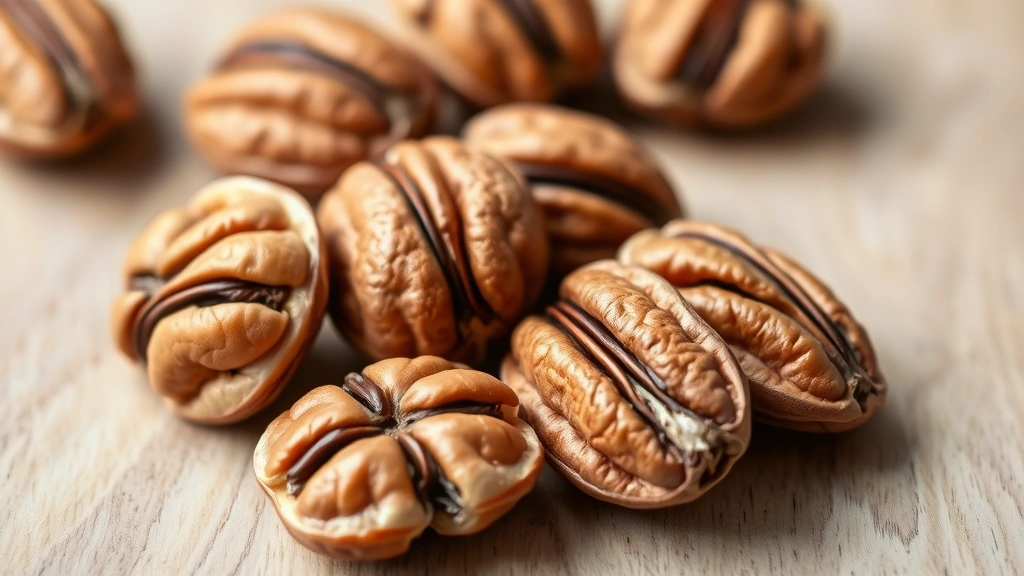
Nuts and Seeds: Almonds, walnuts, flaxseeds, and chia seeds deliver fiber, magnesium, polyphenols, and plant-based omega-3 alpha-linolenic acid. Walnut consumption specifically improves cholesterol profiles and arterial function. A small handful daily (about 1 ounce) provides substantial cardiovascular benefits without excessive calories.
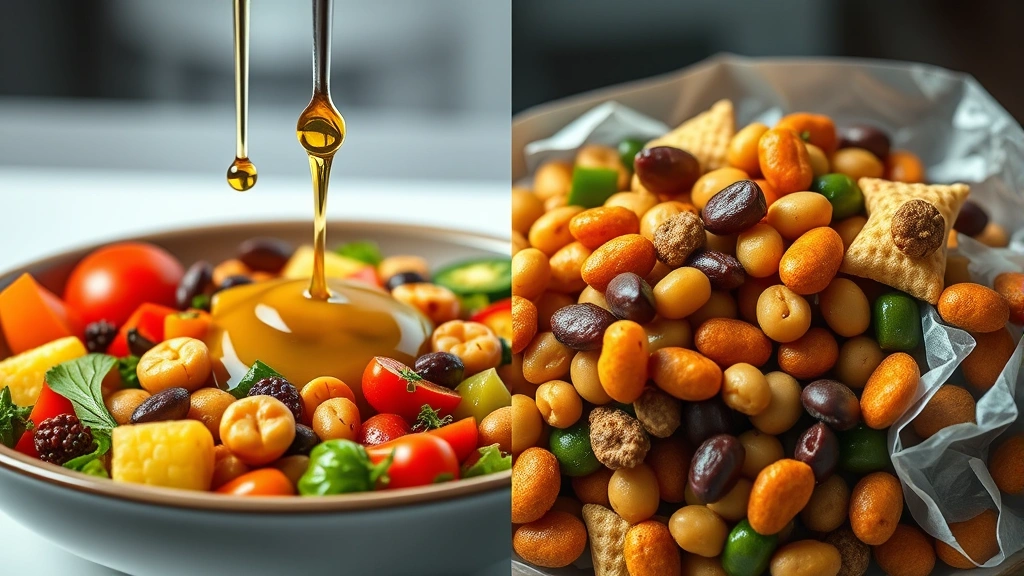
Legumes: Beans, lentils, and chickpeas combine soluble fiber, plant protein, polyphenols, and minerals. They lower cholesterol and blood pressure while promoting healthy weight maintenance—itself a cardiovascular risk factor. Their low glycemic impact prevents blood sugar spikes that damage arterial walls.
Olive Oil: Extra-virgin olive oil contains oleocanthal and other polyphenols with anti-inflammatory effects comparable to ibuprofen. Mediterranean populations consuming 2-3 tablespoons daily show significantly lower cardiovascular disease rates. The monounsaturated fat composition improves cholesterol ratios.
Dark Chocolate: Cacao containing 70% cocoa or higher delivers flavanols improving endothelial function and reducing blood pressure. A 1-ounce serving several times weekly provides cardiovascular benefits without excessive sugar. The flavanols enhance nitric oxide production and reduce arterial stiffness.
Tomatoes: Lycopene in cooked tomatoes reduces inflammation and oxidative stress. Tomato paste concentrates lycopene, making it particularly potent. Consuming tomato products 2-3 times weekly correlates with improved cardiovascular outcomes in large prospective studies.
Garlic and Onions: Organosulfur compounds in these allium vegetables reduce blood pressure, cholesterol, and inflammation. Raw consumption preserves more active compounds, though cooked garlic retains significant cardiovascular benefits. Their antiplatelet effects prevent dangerous blood clots.
Dietary Patterns Cardiologists Recommend
Rather than focusing on individual foods, cardiologists increasingly emphasize overall dietary patterns proven to reduce cardiovascular disease. The Mediterranean diet emerges as the gold standard, with decades of research documenting 30-40% cardiovascular disease reduction. This pattern emphasizes olive oil, fish, whole grains, legumes, nuts, fruits, vegetables, and moderate wine consumption—creating a synergistic protective effect exceeding any single component.
The DASH diet (Dietary Approaches to Stop Hypertension) specifically targets blood pressure reduction through emphasis on vegetables, fruits, whole grains, lean proteins, and low-fat dairy while restricting sodium, sugar, and saturated fat. Clinical trials demonstrate 8-14 mmHg systolic blood pressure reduction within weeks, rivaling pharmaceutical interventions for some patients.
The Portfolio Diet combines plant sterols, soy protein, nuts, and soluble fiber, reducing LDL cholesterol by 30% in clinical trials—comparable to some statin medications. This plant-forward approach works through multiple cholesterol-lowering mechanisms simultaneously.
Plant-based and vegetarian diets consistently demonstrate cardiovascular benefits, with vegetarians showing 25-40% lower cardiovascular disease rates. The mechanism involves reduced saturated fat and increased fiber, antioxidants, and anti-inflammatory compounds. Even partial plant-based adoption—reducing meat consumption while increasing plant foods—yields measurable cardiovascular improvements.
When implementing a healthy nutrition plan, consistency matters more than perfection. Research shows that adherence to heart-healthy patterns for 8-12 weeks produces measurable improvements in cholesterol, blood pressure, and inflammatory markers. The cumulative effect of daily dietary choices compounds significantly over months and years.
Foods to Limit for Heart Protection
Ultra-Processed Foods: Products containing trans fats, excessive sodium, refined carbohydrates, and added sugars trigger inflammation and damage arterial walls. These foods often contain seed oils high in pro-inflammatory omega-6 polyunsaturated fats without balancing omega-3s. Limiting processed foods to less than 10% of daily calories protects cardiovascular health.
Refined Carbohydrates: White bread, pastries, and sugary beverages cause blood sugar spikes triggering insulin surges that promote inflammation and arterial damage. These foods also displace nutrient-dense whole grains. Replacing refined carbohydrates with whole grains reduces cardiovascular disease risk by 20-25%.
Sodium: Excessive salt intake raises blood pressure through osmotic effects and endothelial dysfunction. The American Heart Association recommends limiting sodium to 2,300 mg daily, with optimal intake around 1,500 mg for blood pressure management. Most sodium comes from processed foods rather than table salt.
Added Sugars: Sugary beverages and foods increase triglycerides, promote weight gain, and trigger inflammation. Studies show that consuming more than 10% of calories from added sugars increases cardiovascular disease risk by 30-40%. Sugar promotes visceral fat accumulation particularly harmful to heart health.
Saturated and Trans Fats: While saturated fat’s role remains debated, excessive consumption (over 10% of calories) raises LDL cholesterol. Trans fats should be virtually eliminated—they simultaneously raise LDL and lower HDL cholesterol while promoting inflammation. Reading labels for “partially hydrogenated oils” identifies hidden trans fats.
Excessive Alcohol: While moderate consumption (up to one drink daily for women, two for men) may provide some cardiovascular benefits, excessive alcohol raises blood pressure, increases triglycerides, and promotes arrhythmias. Binge drinking particularly damages cardiovascular function.
Practical Implementation Strategies
Understanding heart-healthy nutrition intellectually differs from implementing it consistently. Start by using a nutrition facts label generator to understand the nutritional composition of foods you regularly consume. This awareness step often reveals surprising sodium, sugar, and saturated fat content in seemingly healthy products.
Meal Planning: Dedicate 30 minutes weekly to planning meals incorporating heart-healthy foods. Structure meals around a protein source (fish twice weekly, legumes 2-3 times, lean poultry), whole grain base, and 2-3 vegetable servings. This framework ensures nutrient density without requiring complex calculations.
Gradual Substitution: Replace refined grains with whole grains, processed snacks with nuts and seeds, and cooking oils with extra-virgin olive oil. Making one change weekly proves more sustainable than overhauling your diet overnight. After 8-12 weeks, these substitutions become habitual.
Shopping Strategy: Shop the grocery store periphery where whole foods concentrate. Minimize time in central aisles containing processed foods. Create a shopping list organized by food category, ensuring balanced representation of heart-healthy options.
Cooking Methods: Steaming, baking, grilling, and sautéing preserve nutrients better than deep-frying. Cooking with herbs and spices instead of salt adds flavor while supporting cardiovascular health. Many herbs like oregano and thyme contain polyphenols with anti-inflammatory effects.
Explore the Nutrients Pathway Blog for evidence-based nutrition guidance and recipes supporting cardiovascular health. The blog provides practical strategies for implementing dietary changes sustainably.
Reading and Education: Understanding the “why” behind recommendations increases adherence. Resources from organizations like the American Heart Association provide peer-reviewed nutrition guidance. The American Heart Association website offers recipes and guidelines specifically designed for heart health.
Consider how nutrition and mental health interconnect—stress reduction through mindful eating and enjoying meals with others creates psychological benefits supporting cardiovascular health beyond nutrition’s direct physiological effects.
Tracking Progress: Monitor blood pressure, cholesterol, weight, and energy levels to document improvements. Many people notice enhanced energy and mental clarity within weeks of dietary improvements. These subjective improvements reinforce motivation for sustained adherence.
Medical Partnership: Work with cardiologists or registered dietitians to personalize recommendations based on your specific risk factors, medications, and health conditions. Certain medications interact with specific nutrients, and individual variation means optimal approaches differ among people.
FAQ
What’s the single most important heart-healthy food?
While no single food provides complete cardiovascular protection, fatty fish containing omega-3 fatty acids consistently demonstrates the strongest independent association with cardiovascular disease reduction. However, benefits maximize when fish consumption occurs within a broader heart-healthy dietary pattern including whole grains, vegetables, and limited processed foods.
Can supplements replace heart-healthy foods?
Supplements cannot replicate whole foods’ complex nutrient combinations and synergistic effects. Nutrition for athletes demonstrates how whole food patterns outperform isolated supplementation. Some supplements provide value when addressing specific deficiencies (like omega-3s for those avoiding fish), but whole foods should form the foundation.
How quickly do dietary changes improve heart health?
Blood pressure improvements emerge within days to weeks of dietary sodium reduction. Cholesterol changes require 3-4 weeks. Arterial function and endothelial improvements manifest over 8-12 weeks. Atherosclerosis regression requires sustained adherence over months to years, but research confirms that dietary changes can actually reverse early atherosclerotic changes.
Are vegetarian diets sufficient for heart health?
Well-planned vegetarian diets rich in whole grains, legumes, nuts, seeds, vegetables, and fruits provide excellent cardiovascular protection. However, vegetarians should ensure adequate omega-3 intake (through flaxseeds, chia seeds, walnuts, or algae supplements) and B12 supplementation. The key remains whole food emphasis rather than processed vegetarian products.
Does salt restriction really matter for heart health?
Extensive research confirms that sodium restriction lowers blood pressure and cardiovascular disease risk, particularly in salt-sensitive individuals (roughly 50% of the population). Even for salt-resistant individuals, excess sodium promotes inflammation and arterial dysfunction. Reducing sodium from typical Western intake (3,500+ mg daily) to recommended levels (2,300 mg) provides measurable cardiovascular benefits.
What about coffee and heart health?
Moderate coffee consumption (3-5 cups daily) associates with reduced cardiovascular disease risk, likely due to polyphenol content. The caffeine in coffee temporarily raises blood pressure but doesn’t cause sustained elevation with regular consumption. Unfiltered coffee contains cafestol raising cholesterol, so filtered coffee or espresso proves preferable for those with cholesterol concerns.