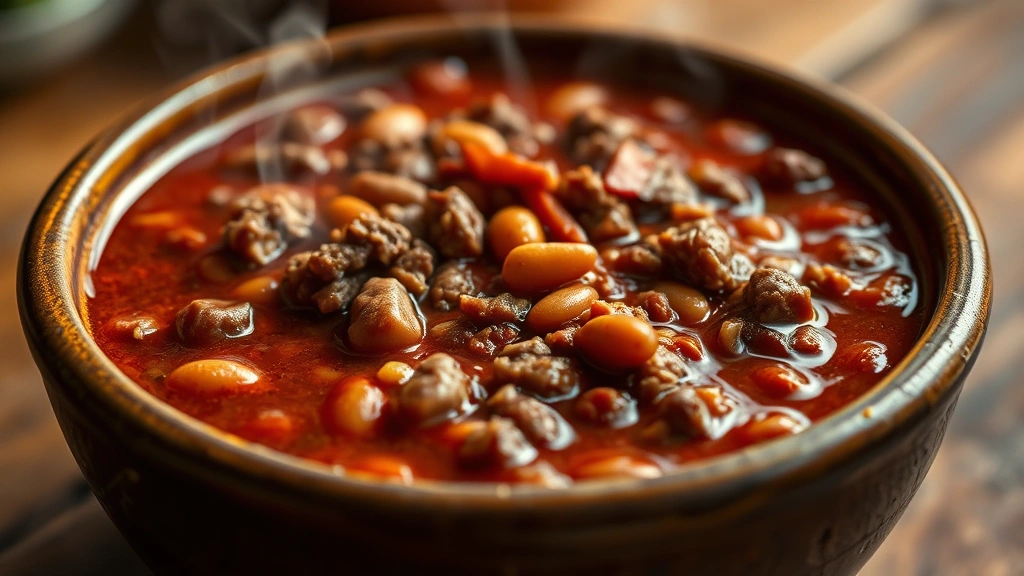
Wendy’s Chili: Is It a Healthy Choice? A Dietitian’s Complete Analysis
When you’re searching for a quick meal option at a fast-casual restaurant, Wendy’s chili often appears as a seemingly healthier alternative to burgers and fried foods. But does this popular menu item actually deserve its reputation as a nutritious choice? As nutrition professionals evaluate fast-food options, we need to examine Wendy’s chili from multiple angles—considering its macronutrient profile, sodium content, ingredients, and how it fits into various dietary patterns.
This comprehensive guide breaks down the nutritional reality of Wendy’s chili, providing you with the evidence-based insights you need to make informed decisions about whether it aligns with your health goals. Whether you’re managing weight, controlling blood pressure, or simply trying to eat better when dining out, understanding the complete nutritional picture matters.

Wendy’s Chili Nutrition Facts Breakdown
Wendy’s chili comes in two sizes: small (8 oz) and large (12 oz). The small size contains approximately 170 calories, while the large contains around 260 calories. At first glance, these numbers seem reasonable for a meal component, but context matters significantly when evaluating nutritional value.
The macronutrient distribution reveals important details about this dish. A small chili provides roughly 6 grams of protein and 8 grams of fat, with approximately 21 grams of carbohydrates. The large size scales these proportions accordingly. While the calorie count appears modest, the ratio of nutrients and the quality of those calories requires deeper examination.
One of the most striking nutritional aspects is the sodium content. A small serving contains approximately 870 milligrams of sodium, representing about 38% of the daily recommended limit established by major health organizations. The large size pushes this to roughly 1,300 milligrams—more than half the recommended daily sodium intake in a single item. This single factor significantly impacts whether we can classify this as a genuinely healthy choice.
The carbohydrate profile includes both fiber and sugars. With approximately 2 grams of fiber in a small serving, the chili provides some digestive benefits, though this represents only about 8% of the recommended daily fiber intake. The simple carbohydrates come from the tomato-based sauce and bean ingredients.

Protein Content and Quality
Protein represents one area where Wendy’s chili shows genuine nutritional merit. The 6 grams of protein in a small serving comes primarily from beans and beef, making it a complete protein source containing all essential amino acids. This distinguishes it from many other fast-food appetizers or side dishes.
However, the protein content requires perspective. Six grams represents only about 12% of the daily recommended intake for an average adult, meaning this chili cannot serve as your primary protein source at a meal. Pairing it with other protein-rich foods becomes important for meeting your nutritional needs.
The beef component contributes to the protein but also introduces saturated fat into the equation. The fat content in Wendy’s chili is primarily from ground beef, which, while providing important nutrients like iron and B vitamins, also adds calories and saturated fat that health-conscious consumers should monitor.
When evaluating whether to incorporate this into your healthy nutrition plan, consider pairing the chili with a salad or vegetable-based side to increase overall protein intake and add micronutrients.
Sodium Levels: A Major Consideration
The sodium content in Wendy’s chili represents the primary nutritional concern that dietitians consistently flag. Consuming excessive sodium increases blood pressure risk, strains cardiovascular health, and can exacerbate conditions like hypertension and heart disease. For individuals managing these conditions, a single serving of Wendy’s chili represents a significant portion of their daily sodium allowance.
The American Heart Association recommends no more than 2,300 milligrams of sodium daily, with an ideal limit of 1,500 milligrams for optimal heart health. A large Wendy’s chili consumes more than half of the higher recommendation in one item, leaving minimal sodium budget for other meals throughout the day.
This sodium level stems from several sources: the beef seasoning, the tomato sauce base, the beans (often canned with salt), and the overall preservation requirements of fast-food preparation. While restaurant food generally contains elevated sodium levels compared to home-cooked meals, Wendy’s chili sits toward the higher end of this spectrum.
For those with sodium sensitivity or hypertension, this menu item presents a genuine dietary challenge. Consuming it would require significantly reducing sodium intake at other meals to maintain healthy daily totals.
Fiber Benefits and Digestive Health
One positive nutritional aspect of Wendy’s chili is its fiber content, which comes primarily from beans. Fiber plays crucial roles in digestive health, blood sugar regulation, cholesterol management, and satiety. The 2 grams of fiber in a small serving contributes to these benefits, though it represents a modest amount relative to daily recommendations.
The fiber-to-calorie ratio in Wendy’s chili is actually favorable compared to many fast-food items. You’re getting digestive benefits without excessive calorie density. This makes the chili potentially more satisfying than higher-calorie, lower-fiber alternatives, which matters for weight management.
Beans provide not only fiber but also resistant starch, a type of carbohydrate that functions somewhat like fiber and may support metabolic health. The combination of protein, fiber, and moderate calories creates a more balanced macronutrient profile than many fast-food options offer.
However, the 2 grams of fiber still falls short of meaningful contribution to daily fiber needs. Most adults require 25-35 grams daily, making Wendy’s chili alone insufficient for meeting fiber targets. Combining it with high-fiber vegetables or whole grains becomes essential.
Ingredients Quality and Sourcing
Understanding what actually comprises Wendy’s chili requires examining the ingredient list carefully. The primary components include seasoned ground beef, beans, tomatoes, and various spices and seasonings. While these base ingredients seem straightforward, the processing and preparation methods significantly impact nutritional value.
The ground beef in Wendy’s chili is cooked and held in warming containers, which differs substantially from freshly prepared chili made at home. This cooking method, while necessary for food safety and operational efficiency, may reduce some heat-sensitive nutrients and potentially alter the protein structure.
The beans used are likely canned varieties, which have undergone processing and salt addition. While canned beans retain most nutritional value, the sodium addition during canning contributes significantly to the overall sodium content we discussed earlier.
Wendy’s publishes detailed allergen and ingredient information, demonstrating transparency about what goes into their products. The ingredient list contains no artificial flavors or colors, which distinguishes it from some competitor products. However, the product does contain soy and potentially other allergens, important to note for those with sensitivities.
The tomato base likely contains added sugars, though these aren’t excessive. The spice blend probably includes common seasonings like chili powder, cumin, and garlic, which provide flavor without adding significant sodium individually—the salt comes from added sodium chloride rather than from the spices themselves.
How It Compares to Other Fast-Food Options
Evaluating Wendy’s chili requires context—how does it stack up against alternatives available at the same restaurant and competitors? When compared to a typical fast-food burger, the chili offers advantages in protein density and fiber content while maintaining comparable calories. A Wendy’s Jr. hamburger contains about 250 calories with less fiber and similar protein, making the chili competitive from a macronutrient perspective.
Compared to fried chicken options, the chili significantly outperforms in terms of saturated fat content. A fried chicken sandwich contains substantially more fat and calories while offering less fiber. From a pure nutritional standpoint, choosing chili over fried foods represents a meaningful upgrade.
However, when compared to salad-based options, the chili’s sodium content becomes a disadvantage. A grilled chicken salad without high-sodium dressing provides comparable protein with significantly less sodium. For those prioritizing sodium reduction, salads represent a superior choice.
Relative to other soup and chili options at competing chains, Wendy’s chili performs reasonably well. Many fast-food chilis contain similar sodium levels and comparable calorie counts. The Wendy’s version isn’t uniquely high in sodium compared to industry standards, though this doesn’t excuse the elevated sodium content.
Where Wendy’s Chili Fits in Various Diets
The appropriateness of Wendy’s chili varies significantly depending on individual dietary approaches and health goals. For those following low-carb or ketogenic diets, the 21 grams of carbohydrates in a small serving represents a substantial portion of daily carb limits, making it a less suitable choice. The carbohydrate-to-protein ratio doesn’t align well with these dietary patterns.
For weight management focused on calorie restriction, Wendy’s chili presents an interesting option. The modest calorie count combined with fiber and protein content creates reasonable satiety, potentially preventing overeating. The small size at 170 calories fits easily into most calorie budgets, though sodium management remains important.
Individuals following the Mediterranean diet or general balanced nutrition approaches can incorporate Wendy’s chili occasionally, particularly if they monitor sodium at other meals. The fiber and bean content aligns with Mediterranean principles, though the processed beef component represents a departure from traditional Mediterranean eating patterns.
For those managing hypertension or cardiovascular disease, Wendy’s chili requires careful consideration. The sodium content alone may disqualify it from regular consumption, depending on individual medical recommendations. A cardiologist or registered dietitian should provide personalized guidance on whether this item fits individual health management plans.
Plant-based or vegetarian individuals cannot consume Wendy’s chili due to the beef content, though Wendy’s does offer vegetarian options at some locations. Those with bean allergies or legume sensitivities should avoid this product entirely.
Practical Tips for Ordering Healthier
If you choose to order Wendy’s chili, several strategies can optimize its nutritional value within your meal. First, select the small size rather than large to reduce sodium intake to approximately 870 milligrams rather than 1,300 milligrams. This still represents a significant sodium amount but reduces the impact on daily totals.
Pair the chili with a side salad or vegetable option to increase fiber, micronutrients, and satiety. This combination creates a more balanced meal with better nutritional density. The vegetables provide vitamins and minerals absent from the chili alone.
Consider the chili as part of your daily sodium budget rather than in isolation. If you order it, deliberately reduce sodium at other meals throughout the day. Check nutrition facts labels on other foods to monitor cumulative sodium intake.
Avoid adding additional salt or high-sodium condiments to the chili. The product already contains substantial sodium, and adding more compounds the health concerns. If you desire additional flavor, consider hot sauce or vinegar-based options that add taste without sodium.
Drink adequate water with your meal. The high sodium content increases thirst and can cause water retention, so proper hydration helps your body process the sodium more effectively.
Balance your weekly fast-food consumption. If you order Wendy’s chili once weekly, the sodium impact becomes more manageable than if you consume it multiple times weekly. Occasional consumption differs nutritionally from habitual consumption.
For those interested in detailed nutritional analysis, explore how this item fits into your overall dietary pattern using comprehensive nutrition resources available online.
Consider consulting with a registered dietitian who can provide personalized recommendations based on your individual health status, dietary goals, and medical history. What represents a healthy choice for one person may not for another, depending on specific health conditions and nutritional needs.
If you’re interested in understanding broader nutrition principles and how fast-food choices fit into healthy eating patterns, visit the Nutrients Pathway Blog for evidence-based nutrition information.
Understanding how nutrition impacts overall health extends beyond individual food items. The relationship between nutrition and mental health demonstrates why consistent healthy eating patterns matter for comprehensive wellness.
FAQ
Is Wendy’s chili actually healthy?
Wendy’s chili presents a mixed nutritional profile. It offers reasonable protein and fiber content with moderate calories, but the sodium level is the primary concern. It can fit into a healthy diet for some people when consumed occasionally and paired with lower-sodium meals, but it’s not inherently “healthy” in isolation due to the high sodium content.
How much sodium is in Wendy’s chili?
A small Wendy’s chili contains approximately 870 milligrams of sodium (38% of daily recommended limit), while the large size contains roughly 1,300 milligrams (57% of daily recommended limit). These amounts represent significant sodium consumption in a single item.
Can I eat Wendy’s chili if I have high blood pressure?
This depends on your individual medical situation and your doctor’s recommendations. The high sodium content makes this a challenging choice for most people managing hypertension. Consult with your healthcare provider or a registered dietitian about whether this item fits your specific dietary needs.
Does Wendy’s chili contain meat?
Yes, Wendy’s chili contains seasoned ground beef as a primary ingredient. It is not suitable for vegetarians or vegans. Those avoiding beef for religious or ethical reasons should choose alternative menu items.
What’s the calorie count in Wendy’s chili?
A small Wendy’s chili contains approximately 170 calories, while the large size contains around 260 calories. These represent relatively modest calorie amounts suitable for most meal plans, though the nutritional quality of those calories should be considered.
How does Wendy’s chili compare nutritionally to a hamburger?
Wendy’s chili offers more fiber and comparable protein to a Jr. hamburger while maintaining similar calorie counts. However, both items contain high sodium levels. The chili represents a slightly more nutritious choice due to fiber content, but neither option is particularly low in sodium.
Can I include Wendy’s chili in a weight loss diet?
Yes, the modest calorie count and fiber content make Wendy’s chili compatible with many weight loss approaches. The protein and fiber combination supports satiety, potentially preventing overeating. However, monitor sodium intake carefully and pair it with nutrient-dense foods to maximize nutritional benefit.
Is there any benefit to eating Wendy’s chili over other fast-food items?
Compared to fried foods, burgers, and many other fast-food options, Wendy’s chili offers advantages in fiber content, protein quality, and saturated fat levels. It represents a reasonable choice when fast food is necessary, though home-prepared meals offer superior nutritional profiles.


