4 oz Chicken Breast: Nutritionist Breakdown
Chicken breast has become a staple in fitness and health-conscious diets worldwide, and for good reason. A 4 oz serving of chicken breast—roughly the size of your palm—packs an impressive nutritional punch that makes it one of the most efficient protein sources available. Whether you’re an athlete optimizing performance, someone following a structured healthy nutrition plan, or simply looking to make informed dietary choices, understanding the exact nutritional composition of this protein powerhouse is essential. This comprehensive breakdown explores every macronutrient, micronutrient, and practical consideration that makes 4 oz of chicken breast a nutritional benchmark in modern wellness.
The precision of a 4 oz measurement matters more than most people realize. This portion size—approximately 113 grams—represents a standardized serving that appears consistently across nutrition labels, meal prep guides, and clinical dietary recommendations. By understanding what’s contained in this exact amount, you gain actionable knowledge applicable to meal planning, calorie tracking, and nutritional strategy. We’ll examine the complete nutrient profile, cooking methods that preserve nutritional value, absorption optimization, and how chicken breast fits into various dietary frameworks.
Complete Macronutrient Profile
A 4 oz serving of skinless, boneless chicken breast contains approximately 185 calories, making it an exceptionally calorie-efficient protein source. The macronutrient distribution reflects why nutritionists consistently recommend chicken breast for body composition goals: roughly 35 grams of protein, 4 grams of fat, and 0 grams of carbohydrates. This ratio—approximately 76% protein, 20% fat, and 4% other—demonstrates the lean nature that distinguishes chicken breast from other poultry cuts.
The fat content deserves particular attention because not all fats are created equal. The 4 grams present in a 4 oz serving consist primarily of unsaturated fats, with a smaller saturated fat component around 1.3 grams. This fat profile supports cardiovascular health while remaining minimal enough for those pursuing aggressive caloric deficits. The cholesterol content sits around 85 milligrams—within acceptable ranges for most dietary approaches—while providing essential fat-soluble vitamin absorption capabilities.
Comparing chicken breast to other protein sources reveals its efficiency advantages. Ground beef of similar weight contains nearly double the calories and significantly more saturated fat. Fish varieties offer omega-3 advantages but often at higher price points. When examining cost-per-gram-of-protein metrics across affordable protein sources, chicken breast consistently ranks among the most economical options available at standard grocery retailers.
Protein Composition and Amino Acids
The 35 grams of protein in a 4 oz chicken breast represents a complete protein—containing all nine essential amino acids your body cannot synthesize independently. This completeness matters significantly for muscle protein synthesis, immune function, and enzymatic processes. The amino acid profile breaks down as follows: leucine (approximately 2.8g), isoleucine (1.8g), and valine (2.1g) comprise the branched-chain amino acids (BCAAs) particularly important for muscle recovery and growth.
Leucine specifically triggers mTOR pathways responsible for muscle protein synthesis initiation. A single 4 oz serving provides sufficient leucine—above the 2.5g threshold identified in research on nutrient absorption—to stimulate anabolic responses when consumed post-exercise. This mechanism explains why chicken breast appears in virtually every athlete’s nutrition strategy. Beyond BCAAs, chicken contains adequate methionine, lysine, and threonine, supporting collagen synthesis and immune protein production.
The biological value of chicken breast protein exceeds 90%, meaning your body efficiently utilizes the amino acids provided. Unlike plant proteins requiring complementary sources for complete amino acid profiles, a single chicken breast serving stands alone nutritionally. This efficiency extends to protein digestibility—chicken breast ranks among the most bioavailable proteins, with 93-98% of the protein becoming available for bodily use following digestion.
Micronutrients and Minerals
While chicken breast’s macronutrient profile dominates nutritional discussions, its micronutrient contribution substantially supports metabolic function. A 4 oz serving provides approximately 25% of daily B6 requirements, essential for amino acid metabolism and neurotransmitter synthesis. The B12 content—roughly 0.3 micrograms per serving—supports nervous system function and red blood cell formation, making chicken particularly valuable for vegetarians who consume poultry.
The niacin (B3) concentration reaches approximately 8 milligrams per 4 oz serving, supporting energy metabolism and DNA repair mechanisms. Pantothenic acid, selenium, and phosphorus round out chicken’s micronutrient offering. Selenium functions as a critical antioxidant cofactor, protecting cells from oxidative damage and supporting thyroid hormone metabolism. Phosphorus collaborates with calcium in bone mineralization, making chicken breast a subtle but meaningful contributor to skeletal health.
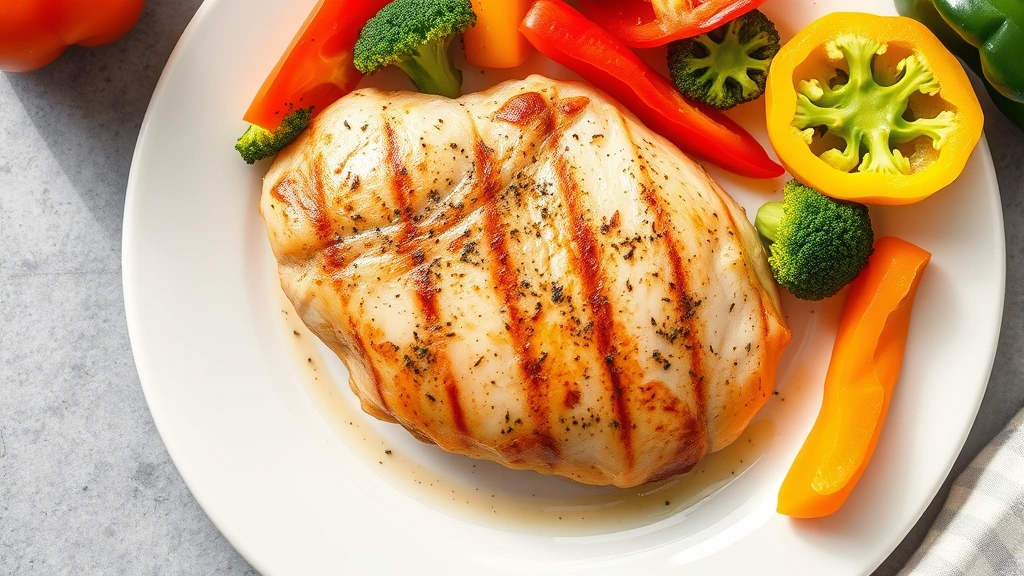
Notably, chicken breast contains minimal iron compared to red meat varieties—approximately 0.7 milligrams per serving. This non-heme iron (the less bioavailable form) becomes more accessible when consumed alongside vitamin C sources. Pairing chicken with bell peppers, citrus, or broccoli significantly enhances iron absorption through synergistic nutrient interactions. This combination strategy appears throughout successful meal planning approaches.
Potassium content—approximately 220 milligrams per serving—contributes modestly to daily requirements, supporting cardiovascular function and electrolyte balance. While not exceptional, this potassium presence complements sodium-conscious dietary approaches, particularly for individuals managing blood pressure through nutritional means.
Cooking Methods and Nutrient Retention
How you prepare chicken breast fundamentally affects its final nutritional composition and bioavailability. Grilling and baking at moderate temperatures (350-400°F) preserve protein structure while minimizing nutrient loss. These dry-heat methods typically retain 90-95% of B vitamins and amino acids. Conversely, boiling chicken breast—common in meal prep contexts—leaches water-soluble B vitamins into cooking liquid, reducing bioavailable nutrients by 15-25% unless broths are consumed.
The Maillard reaction occurring during high-heat cooking (grilling, pan-searing) creates beneficial compounds including antioxidants and flavor compounds, while potentially generating small quantities of advanced glycation end products (AGEs). For most individuals, the flavor enhancement and nutrient preservation benefits outweigh AGE concerns, particularly when consuming adequate antioxidants from vegetables and fruits.
Cooking duration significantly impacts texture and digestibility. Overcooking denatures proteins excessively, potentially reducing bioavailability despite maintaining amino acid presence. Optimal cooking reaches internal temperatures of 165°F with minimal excess time—typically 12-15 minutes for a 4 oz breast depending on thickness. This approach preserves moisture, maintains protein structure, and supports easier digestion.
Marinades containing acidic ingredients and oils can enhance nutrient absorption while adding minimal calories when measured appropriately. Marinades featuring lemon juice, vinegar, or yogurt improve mineral bioavailability through acid-based enhancement and probiotic support respectively.
Optimizing Nutrient Absorption
Consuming a 4 oz chicken breast represents only half the nutritional equation—your body’s ability to absorb and utilize those nutrients determines actual benefit. Strategic food pairing dramatically enhances micronutrient absorption. Consuming chicken with fat-soluble vitamin sources (olive oil, nuts, avocado) improves B-vitamin absorption, as several B vitamins require lipid environments for optimal intestinal transport.
The meal composition surrounding chicken breast influences protein synthesis efficiency. Including carbohydrate sources (rice, potatoes, oats) with chicken elevates insulin levels, facilitating amino acid transport into muscle tissue. This mechanism explains why post-workout meals combining chicken with carbohydrates outperform protein-only approaches for muscle development. The carbohydrate-to-protein ratio of approximately 1:1 to 2:1 optimizes anabolic signaling.
Digestive enzyme support enhances protein breakdown efficiency. Adequate stomach acid production—supported by zinc, B6, and sufficient meal timing—ensures complete protein denaturation before intestinal absorption. Individuals experiencing digestive challenges benefit from understanding how dietary choices affect digestion and nutrient utilization patterns.
Spacing chicken consumption throughout the day—rather than consuming multiple 4 oz servings simultaneously—optimizes amino acid availability. Research indicates muscle protein synthesis plateaus around 25-30 grams of protein per meal; therefore, distributing chicken intake across multiple meals maximizes total daily protein utilization. This principle supports the popularity of frequent meal structures in bodybuilding and athletic nutrition.
Applications in Different Diets
The nutritional profile of 4 oz chicken breast aligns seamlessly with virtually every structured dietary approach. In ketogenic diets, chicken breast’s minimal carbohydrate content and high protein-to-calorie ratio make it foundational. The fat content—though modest—combines with added fats (butter, oils) to achieve ketogenic macronutrient targets while maintaining satiety.
For high-protein diets targeting muscle development, chicken breast’s 35 grams of complete protein per serving efficiently accumulates daily protein targets. A typical 150-pound individual consuming 1 gram per pound of body weight requires approximately 4-5 servings daily—easily achieved through strategic meal planning. The comprehensive nutrition guidance available emphasizes chicken’s role in achieving protein targets affordably.
Caloric-deficit diets benefit from chicken breast’s exceptional satiety-to-calorie ratio. The high protein content triggers prolonged satiation signals, reducing overall caloric consumption naturally. At 185 calories per serving, multiple daily portions remain compatible with aggressive deficit strategies while maintaining muscle preservation—critical for body composition goals.
Vegetarian athletes often incorporate chicken breast despite plant-based preferences, leveraging its nutritional density when whole-food plant proteins prove insufficient. The vitamin B12 content particularly addresses vegetarian nutritional gaps. Pescatarian and flexitarian approaches similarly benefit from chicken breast’s efficiency relative to red meat alternatives.
Mediterranean diet frameworks accommodate chicken breast as a lean protein alternative to fish, particularly for budget-conscious practitioners. The minimal saturated fat aligns with cardiovascular health principles while supporting the carbohydrate-forward meal structures typical of Mediterranean nutrition.

FAQ
Does cooking method significantly change chicken breast calories?
Cooking method minimally affects calorie content—the 185 calories remain relatively consistent. However, added cooking fats dramatically increase total calories. A 4 oz breast cooked in 1 tablespoon of oil adds approximately 120 calories. Dry cooking methods (grilling, baking, air-frying) preserve the baseline caloric content while adding minimal extraneous calories.
Is chicken breast suitable for daily consumption?
Yes, chicken breast’s complete amino acid profile and micronutrient density support daily consumption without adverse effects for most individuals. Variety in protein sources—incorporating fish, eggs, and plant proteins—provides broader micronutrient diversity, but daily chicken consumption remains nutritionally sound. Consuming 4-6 oz daily represents a reasonable portion within balanced dietary frameworks.
How does chicken breast compare to chicken thighs nutritionally?
Chicken thighs contain approximately 3-4 times more fat than breast meat while providing comparable protein. A 4 oz thigh serving contains roughly 250 calories versus 185 for breast, with 15 grams of fat versus 4. However, thighs provide superior flavor, higher micronutrient density (iron, zinc), and greater satiety. Both hold nutritional merit depending on dietary goals.
Can frozen chicken breast retain nutritional value?
Freezing preserves nutritional content effectively. Properly frozen chicken maintains amino acid profiles, B vitamins, and mineral content for 6-12 months. Thawing methods matter: refrigerator thawing (12-24 hours) preserves more nutrients than room-temperature thawing. Nutritional losses from freezing remain negligible compared to other storage methods.
What’s the optimal serving size for muscle growth?
A 4 oz serving provides sufficient leucine and total amino acids for muscle protein synthesis stimulation when combined with resistance training. However, individual requirements vary based on body weight, training intensity, and total daily protein intake. Consuming 25-40 grams of protein per meal—generally 3-5 oz of chicken—optimizes muscle development responses across populations.
Does skin significantly impact chicken breast nutrition?
Chicken breast with skin contains approximately 50 additional calories and 5 additional grams of fat per 4 oz serving. The skin contributes primarily fat rather than protein. For calorie-conscious individuals, skinless breast remains superior. However, skin provides additional micronutrients and enhanced flavor without exceeding healthy fat intake guidelines for most people.